
Seto Inland Sea Elevates Japan’s Luxury Travel With Art and Ryokan Stays

Published
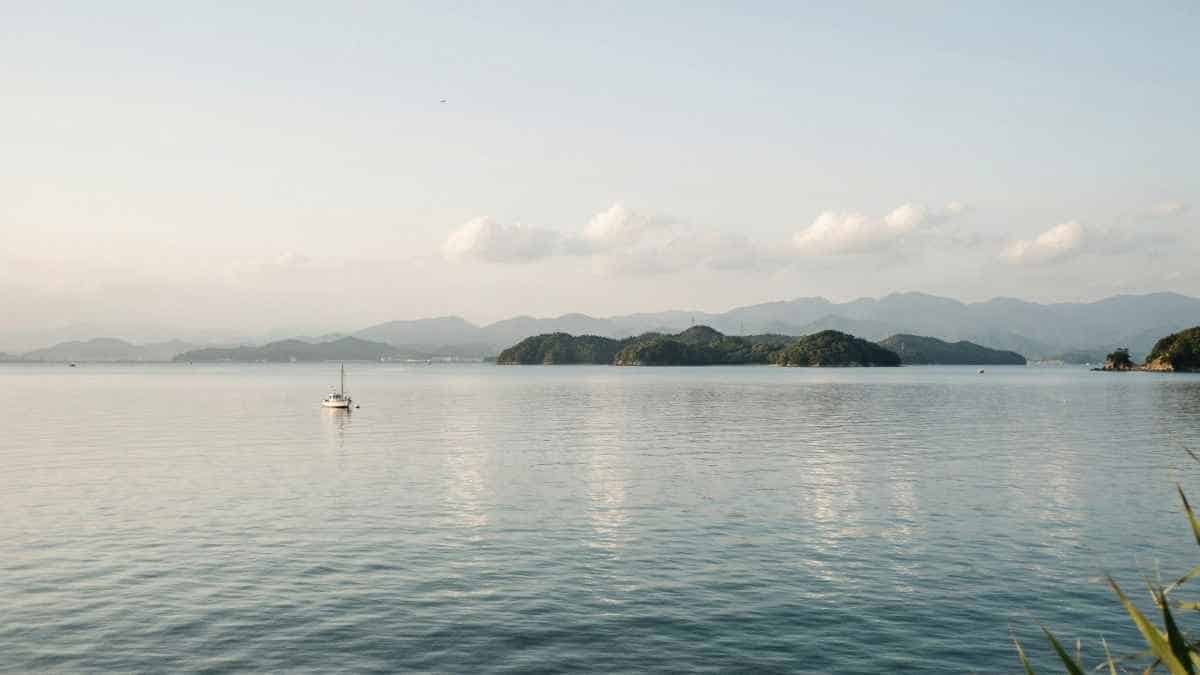
Seto Inland Sea in Japan is becoming a more popular destination for people who would like to enjoy modern art alongside traditional Japanese culture, islands and luxury accommodations. The Setouchi area combines places dedicated to art, such as Naoshima and Teshima, historical towns, traditional accommodation options, coastal views and local cuisine. The claim that new anchored luxury pavilions have been opened in the Seto Inland Sea on October 7, 2026, cannot be confirmed by any official Japanese tourism resources. The information about cedar-made floating suites, private wellness rituals, and a focus on art fair collectors should not be considered confirmed facts.
Setouchi Connects Art With Island Travel
The Seto Inland Sea contains thousands of islands, with several becoming internationally recognised for contemporary art.
Naoshima is the best-known example. The island is home to major art facilities including the Chichu Art Museum, Benesse House and Art House Project.
Teshima is another important destination, with the Teshima Art Museum and other artistic installations integrated into the island’s landscape.
Advertisement
Advertisement
Visitors can travel between islands by ferry, allowing an itinerary to combine museums, galleries, architecture, beaches, villages and local restaurants.
The island-hopping experience is an important part of the region’s tourism appeal, with the journey between destinations forming part of the wider cultural experience.
Advertisement
Advertisement
Naoshima Leads Japan’s Art Tourism
Naoshima has become a major international destination for contemporary art and architecture.
The island’s museums and installations are closely integrated with the surrounding landscape. Rather than concentrating cultural attractions within a single urban district, visitors move between buildings, outdoor artworks and small communities.
Advertisement
Advertisement
Benesse Art Site Naoshima includes museums and art spaces designed by architect Tadao Ando, whose work has become closely associated with the island.
The Chichu Art Museum is particularly notable for its architecture and permanent works by Claude Monet, James Turrell and Walter De Maria.
For luxury travellers, Naoshima can be incorporated into wider journeys through the Setouchi region, with premium accommodation and private cultural experiences available in selected locations.
Traditional Ryokan Add a Different Experience
Japan’s ryokan tradition provides another route into luxury cultural travel.
Advertisement
Advertisement
Traditional Japanese inns generally emphasise tatami rooms, futon bedding, Japanese bathing, seasonal cuisine and attentive hospitality. Higher-end properties may also incorporate private baths, garden settings and multi-course kaiseki dining.
Across Japan, luxury accommodation increasingly combines these traditions with contemporary architecture.
In the Setouchi region, the appeal is particularly strong because visitors can pair traditional hospitality with coastal landscapes and contemporary art.
This combination gives travellers a different experience from luxury city hotels in Tokyo, Kyoto or Osaka.
Seto Inland Sea Offers Slow Cultural Travel
The region is well suited to slower itineraries.
Travellers can spend several days moving between islands rather than attempting to visit multiple destinations within a single day. Ferry journeys connect major islands and mainland ports, while local buses, bicycles and walking routes provide access once visitors arrive.
Advertisement
Advertisement
Cycling is particularly popular in parts of the Setouchi region. The Shimanami Kaido, connecting Honshu and Shikoku across the Seto Inland Sea, provides a major cycling route through islands and bridges.
This combination of slow transport, art, food and coastal scenery supports the region’s position within Japan’s experiential tourism market.
Wellness Fits the Setouchi Travel Experience
Wellness is another component of Japan’s expanding luxury travel market.
Traditional Japanese bathing culture, seasonal cuisine, meditation, nature experiences and quiet accommodation can all form part of a wellness-oriented itinerary.
The Setouchi environment adds beaches, forests, gardens and island landscapes to that experience.
Luxury travellers can combine cultural visits with private bathing facilities, Japanese cuisine, spa treatments and nature-based activities, depending on their chosen accommodation.
Advertisement
Advertisement
However, individual properties differ significantly, so travellers should check exactly which services and facilities are included before booking.
Art Islands Support Regional Tourism
The growth of art tourism has helped bring international attention to smaller Setouchi communities.
Naoshima, Teshima and other art islands attract visitors who might otherwise focus their Japan itineraries on Tokyo, Kyoto and Osaka.
The Setouchi Triennale, held across participating islands and coastal communities, has further strengthened the region’s connection with contemporary art. The festival encourages visitors to explore multiple destinations rather than remaining in one city.
For local communities, increased visitor activity supports accommodation, restaurants, ferry services, cultural venues and other tourism businesses.
Luxury Travel Broadens Beyond Japan’s Major Cities
The luxury tourism sector in Japan is moving out of its cities. Tokyo and Kyoto may still be the top destinations for luxury tourists from outside Japan, but places like Setouchi are providing another alternative focused on privacy, nature, arts and culture. The Seto Inland Sea region is the natural place for this trend to happen. This destination allows for combining modern architecture with old-fashioned villages, traditional cuisine, scenic islands and Japanese hospitality. The rumoured launch of a floating ryokan pavilion cannot be verified at present, but this general movement towards luxury cultural resorts is evident in the region. For travellers who want to visit luxury destinations in Japan, Setouchi is where they can see a quieter side of the country.
Advertisement
