
Acadia Steps Up With Bryce Canyon and Popular US National Parks Introduce New Entry Charges and Reservation Rules Every Foreign Visitor Should Know

Published
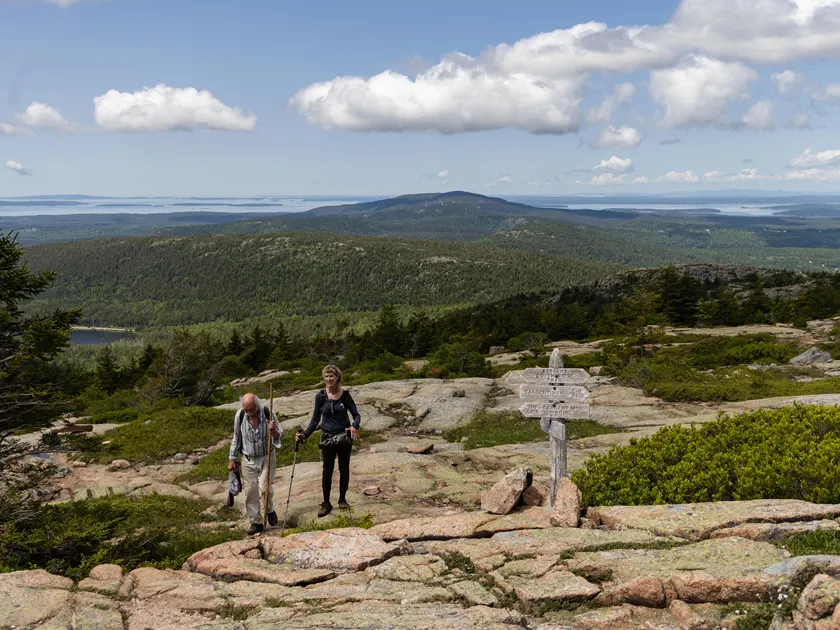
The United States has introduced significant changes to national park admission fees in 2026, creating new financial considerations for international tourists visiting some of the country’s most celebrated natural attractions. Beginning January 1, non-US residents aged 16 and older became subject to an additional $100 entrance surcharge at 11 designated National Park Service destinations, including Yellowstone, Yosemite, Grand Canyon, Zion and Glacier. The policy also introduced a $250 annual pass for non-residents, offering an alternative for travelers planning multiple park visits. With separate reservations, seasonal closures and activity permits affecting access at certain destinations, international visitors now need to examine admission requirements carefully before departure.
The additional charge applies to non-US residents aged 16 and older, on top of standard admission fees. A couple visiting several affected parks could spend hundreds of dollars more without an eligible annual pass. With separate reservation requirements and seasonal restrictions, checking official admission policies before departure has become essential.
Which National Parks Require Reservations or Special Access Arrangements in 2026?
| National park | 2026 reservation or access rule | What international tourists should check |
|---|---|---|
| Acadia, Maine | Cadillac Summit Road vehicle reservation required from 20 May to 25 October; $6 | Reserve separately from park admission |
| Rocky Mountain, Colorado | Timed entry required during specified peak-season hours | Bear Lake Road has a separate timed-entry category |
| Glacier, Montana | No vehicle reservation required in 2026 | Going-to-the-Sun Road congestion controls and parking restrictions |
| Yosemite, California | No advance entrance reservation required in 2026 | Temporary traffic restrictions, parking and road conditions |
| Arches, Utah | No timed-entry reservation system in 2026 | Entrance congestion and temporary diversions |
| Grand Teton, Wyoming | No vehicle reservation required for general entry | Separate Yellowstone admission and seasonal road access |
| Grand Canyon, Arizona | General entrance fee required | North Rim status, seasonal closures and accommodation availability |
| Yellowstone, Wyoming | Check access by entrance and season | Winter road closures, guided snow transport and lodging |
| Zion, Utah | Check permits for restricted activities | Angels Landing permits and shuttle arrangements |
| Sequoia and Kings Canyon, California | Check seasonal access and activity permits | Snow-related road closures and wilderness permits |
Why Have US National Park Admission Fees Changed for International Visitors in 2026?
The revised admission structure reflects a federal policy aimed at distinguishing between US residents and international visitors when charging for access to some of America’s most popular national parks. The Department of the Interior introduced the changes as part of a broader approach to visitor fees and funding for the country’s protected landscapes.
Under the new system, non-US residents aged 16 and older must pay an additional $100 when entering one of the 11 designated park destinations without an eligible annual pass. This surcharge is separate from the standard entrance fee, which is generally assessed per private vehicle or individual, depending on the park.
Advertisement
Advertisement
The government has presented the policy as a way to generate additional revenue from international tourism while maintaining lower annual pass prices for eligible US residents.
For international travelers, however, the change creates an important budgeting consideration. A visit that previously required only a standard vehicle entrance payment may now involve substantially higher costs, particularly for families or groups traveling together.
Advertisement
Advertisement
Which American National Parks Are Affected by the New $100 International Visitor Surcharge?
The National Park Service has identified 11 destinations where the additional international visitor charge applies. These include some of the country’s most recognizable landscapes, attracting travelers interested in wildlife, geological formations, hiking and outdoor recreation.
Yellowstone National Park, famous for its geothermal features and wildlife, is among the affected destinations. Yosemite National Park in California, known for its granite cliffs and waterfalls, also falls under the revised structure.
Advertisement
Advertisement
Other destinations include Grand Canyon, Grand Teton, Glacier, Rocky Mountain, Zion, Bryce Canyon, Acadia and Everglades national parks. Sequoia and Kings Canyon national parks are treated together as one designated destination for this policy.
The geographical distribution is significant. The affected parks extend from the western mountain states to the eastern coastline and southern wetlands.
This means international tourists organizing road trips across several states may encounter the additional surcharge repeatedly unless they purchase an eligible annual pass. Understanding the rules before finalizing an itinerary can therefore make a substantial difference to overall travel costs.
Which American National Parks Charge the Additional $100 International Visitor Fee?
| National park | US state | Standard private vehicle fee | Additional non-resident fee |
|---|---|---|---|
| Acadia National Park | Maine | $35 | $100 per adult |
| Bryce Canyon National Park | Utah | $35 | $100 per adult |
| Everglades National Park | Florida | $35 | $100 per adult |
| Glacier National Park | Montana | $35 | $100 per adult |
| Grand Canyon National Park | Arizona | $35 | $100 per adult |
| Grand Teton National Park | Wyoming | $35 | $100 per adult |
| Rocky Mountain National Park | Colorado | $30 | $100 per adult |
| Sequoia National Park and Kings Canyon National Park | California | $35 combined | $100 per adult |
| Yellowstone National Park | Wyoming, Montana, Idaho | $35 | $100 per adult |
| Yosemite National Park | California | $35 | $100 per adult |
| Zion National Park | Utah | $35 | $100 per adult |
How Much Will International Tourists Pay to Enter America’s Most Popular National Parks?
The additional $100 charge applies to each non-US resident aged 16 or older at designated destinations. It does not replace the standard park entrance fee, meaning visitors without an eligible pass must account for both charges.
Advertisement
Advertisement
At Yellowstone, for example, the standard private vehicle entrance fee is $35. Two international adults arriving together in one private vehicle could therefore pay $235 for admission, including $200 in non-resident surcharges.
Similar calculations apply at Yosemite, Grand Canyon, Glacier and Zion, where standard private vehicle entrance fees are generally $35.
Rocky Mountain National Park charges a standard private vehicle entrance fee of $30, making the corresponding example $230 for two international adults.
Children younger than 16 are exempt from the additional non-resident surcharge, although ordinary entrance rules still apply.
The financial impact becomes more noticeable when travelers visit several destinations. A couple entering three separately charged parks could face hundreds of dollars in additional expenses without an annual pass.
These costs make advance research especially important for international families, independent travelers and organized tour groups.
Advertisement
Advertisement
Can International Visitors Save Money With the $250 America the Beautiful Annual Pass?
The America the Beautiful Non-Resident Annual Pass offers an important alternative for overseas travelers planning to visit multiple national parks.
Introduced at $250 for non-US residents in 2026, the pass covers qualifying entrance fees and the additional non-resident surcharges at participating destinations.
At sites charging admission by private vehicle, the pass generally covers the passholder and passengers traveling together in one private, non-commercial vehicle. At locations charging per person, it covers the passholder and up to three additional adults, subject to applicable conditions.
For example, two international adults visiting Yellowstone and Grand Teton in one private vehicle could otherwise pay approximately $470 in combined admission charges. A qualifying $250 annual pass could reduce that amount by $220.
The savings become greater when travelers include additional participating parks in their itineraries.
However, the annual pass does not automatically cover camping, guided excursions, timed-entry reservations or other separately priced activities.
Advertisement
Advertisement
International visitors should review the pass conditions before purchasing it, particularly when traveling with commercial operators or larger groups.
What Are the Most Important Admission Rules for Foreign Tourists?
| Rule | Official 2026 position | Practical implication |
|---|---|---|
| Non-resident surcharge | $100 per person aged 16+ at 11 designated park destinations | A couple may owe $200 in surcharges at one park |
| Children | Under-16 visitors exempt from the $100 surcharge | Families should calculate charges by age |
| Standard admission | Charged separately unless covered by an eligible pass | A private vehicle fee is not the same as a per-person surcharge |
| Annual pass | $250 for non-US residents | Can reduce costs substantially on multi-park itineraries |
| Resident annual pass | $80 for eligible US citizens and residents | International tourists without US residency should not assume eligibility |
| Fee-free days | Reserved for eligible US citizens and residents | International visitors generally still pay applicable charges |
| Commercial tours | Non-resident surcharge also applies | Check whether tour prices include the surcharge |
| Valid older passes | Eligible passes purchased before 2026 remain valid under original terms | Check validity before buying another pass |
| Identity verification | Appropriate identification may be required | Carry valid identification and proof of residency if relevant |
| Timed reservations | Separate from admission | A park pass alone may not provide access to restricted attractions |
Why Should Travelers Check Reservation Requirements Before Visiting Yosemite and Rocky Mountain?
Paying admission does not always guarantee unrestricted access to every national park attraction.
Some destinations manage visitor traffic through timed-entry systems, permits or special road reservations. These arrangements are designed to address congestion, protect sensitive environments and improve the visitor experience during busy periods.
Rocky Mountain National Park in Colorado operated a timed-entry reservation system during its 2026 peak season. Standard timed entry ran from May 22 through October 12, while the separate Timed Entry+ Bear Lake Road requirement continues through October 18.
Yosemite National Park, meanwhile, did not require advance entrance reservations in 2026. Nevertheless, visitors still needed to consider parking availability, road conditions and potential temporary restrictions.
These differences illustrate why travelers should not assume that reservation policies are identical across national parks.
Advertisement
Advertisement
Rules can also change between seasons, particularly when infrastructure projects, weather conditions or unusually heavy visitor traffic affect access.
Checking the official National Park Service website shortly before traveling remains the most reliable way to confirm current arrangements.
What Are the Latest Access Rules at Glacier, Acadia and Zion National Parks?
Several prominent national parks operate distinct access systems that visitors should understand before arriving.
Glacier National Park in Montana did not require vehicle reservations for general entry in 2026. However, visitors traveling along the popular Going-to-the-Sun Road still needed to consider congestion, parking restrictions and seasonal road conditions.
At Acadia National Park in Maine, vehicle reservations remained necessary for Cadillac Summit Road during the designated 2026 season, running from May 20 through October 25. These reservations cost $6 and were separate from ordinary park admission.
Zion National Park in Utah presents a different situation. General admission does not provide automatic access to every activity. Visitors planning to hike Angels Landing need the appropriate permit, while shuttle arrangements can affect transportation through Zion Canyon.
Advertisement
Advertisement
For international tourists, these distinctions are particularly important because entrance tickets, activity permits and transportation reservations serve different purposes.
A successful visit therefore depends on understanding which requirements apply to the specific attractions included in a travel itinerary.
How Do Seasonal Road Closures Affect Yellowstone, Grand Canyon and Other US Parks?
Seasonal access is another important consideration for international visitors, particularly those traveling during autumn, winter or early spring.
Yellowstone National Park experiences extensive winter road restrictions because of snowfall and severe weather. Many roads used by ordinary vehicles close seasonally, although certain winter experiences remain available through authorized transportation services.
Grand Canyon National Park also requires careful planning. The South Rim generally offers year-round access, subject to conditions, while North Rim operations depend on seasonal availability, infrastructure and safety assessments.
In California, Sequoia and Kings Canyon national parks can experience snow-related road closures that affect access to mountain areas.
Advertisement
Advertisement
These restrictions do not necessarily mean that an entire national park is closed. Instead, they may limit specific entrances, roads, trails or visitor facilities.
Travelers should distinguish between a park’s overall operating status and the accessibility of individual attractions.
Checking road updates, weather forecasts and official visitor notices before departure can prevent unnecessary journeys and help tourists adjust their schedules when conditions change.
Which Other American National Parks Should Overseas Travelers Research Before Departure?
The additional $100 international visitor surcharge does not apply to every national park in the United States.
Nevertheless, many destinations outside the designated group maintain their own entrance fees, activity reservations and access restrictions.
Arches National Park in Utah, for example, did not operate its previous timed-entry reservation system in 2026. Visitors still needed to consider entrance congestion and possible temporary restrictions.
Advertisement
Advertisement
Canyonlands National Park requires careful planning for travelers exploring remote backcountry areas, where permits and road conditions can affect access.
In Washington state, Mount Rainier and Olympic national parks offer mountain and coastal landscapes but can experience seasonal closures and weather-related disruptions.
Death Valley and Joshua Tree national parks in California require particular attention to extreme temperatures, water availability and desert travel conditions.
Hawaii Volcanoes National Park presents different considerations, including volcanic activity and temporary closures of sensitive areas.
Meanwhile, Carlsbad Caverns in New Mexico has specific cave-entry arrangements, and Mesa Verde in Colorado requires tickets for certain guided archaeological tours.
How Could Higher National Park Fees Influence International Tourism and Travel Planning?
The revised admission structure introduces another expense into international travel budgets at a time when visitors already account for flights, accommodation, rental vehicles and transportation.
Advertisement
Advertisement
The impact will differ depending on the length and nature of a trip.
Travelers visiting one designated park may choose to pay the individual surcharge, particularly if their itinerary does not include other participating federal recreation sites.
Those planning longer journeys through the American West may find the annual pass more economical.
Tour operators also need to communicate admission costs clearly, particularly when advertising national park itineraries to overseas customers.
The policy could encourage some travelers to reconsider the number of parks included in a journey or explore destinations outside the surcharge system.
However, it would be premature to conclude that higher fees will substantially reduce international visitation without reliable visitor data demonstrating such an effect.
Advertisement
Advertisement
National parks remain important attractions within the broader US tourism economy, supporting accommodation providers, restaurants, transportation businesses and gateway communities.
The long-term consequences will depend partly on visitor demand, travel spending and how effectively the new arrangements are communicated.
Where Can International Tourists Find Reliable Information About US National Park Fees?
Official government resources provide the most dependable starting point for travelers researching national park admission requirements.
The National Park Service maintains information about individual park entrance fees, annual passes, seasonal operations and visitor regulations.
Its entrance pass information explains the America the Beautiful programme, including eligibility and coverage.
Visitors can also consult the National Park Service entrance fee directory to identify standard charges at participating locations.
Advertisement
Advertisement
For reservations, Recreation.gov provides access to many federal recreation bookings, including selected timed-entry permits, camping reservations and activity tickets.
Travelers should check individual park websites for the most recent road conditions, operating notices and local restrictions.
This is particularly important when visiting multiple parks because admission arrangements may differ even between neighboring destinations.
International tourists should also verify whether a purchased pass covers their entire traveling party and whether any additional permits are necessary for planned activities.
What Should International Visitors Know Before Planning a US National Parks Holiday in 2026?
The introduction of higher international admission charges marks a significant development in how the United States manages access to some of its most visited protected landscapes.
For overseas tourists, the essential preparation now extends beyond choosing destinations and booking accommodation. It includes comparing entrance fees, checking annual pass eligibility, confirming reservations and understanding seasonal access restrictions.
Advertisement
Advertisement
The $100 non-resident surcharge applies at 11 designated destinations, while the $250 annual pass provides a potentially economical alternative for eligible travelers visiting multiple locations.
At the same time, different reservation arrangements at Acadia, Rocky Mountain, Zion and other parks demonstrate that paying for admission is only one part of the planning process.
Travelers who research these requirements early can make more informed decisions about their budgets and itineraries.
America’s national parks continue to offer extraordinary opportunities to experience the country’s wildlife, landscapes and natural heritage. In 2026, understanding the latest fees and access rules is essential to enjoying those experiences without unexpected financial or logistical complications.
America’s national parks remain extraordinary destinations, but the latest admission changes demand greater financial preparation from overseas visitors. The additional charges could significantly increase holiday expenses, particularly for couples and families exploring multiple locations. However, the $250 America the Beautiful Non-Resident Annual Pass offers substantial potential savings for eligible travelers. Understanding individual entrance fees, reservation systems and seasonal restrictions can also prevent unexpected disruptions. As the United States introduces a different pricing structure for foreign visitors, early research becomes increasingly important. Travelers who compare costs and verify official requirements can explore these remarkable landscapes with fewer surprises.
[image: Acadia National Park]
Advertisement
