
Travel Plans Disrupted as Grand Teton and Major U.S. National Parks Roll Out Road, Trail and Visitor Access Changes: What Has Really Happened?

Updated
Published
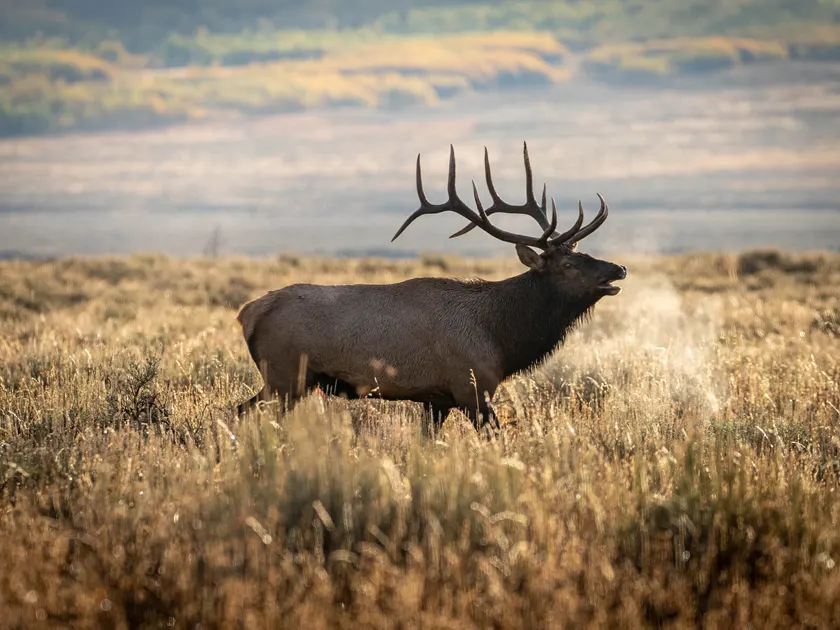
Visitors heading to some of America’s most famous national parks are encountering an unusually active period of access changes in 2026. Grand Teton, Mount Rainier, Rocky Mountain, Denali, Grand Canyon, Sequoia, Acadia, Zion, Yellowstone, Yosemite, Glacier and Arches are among the destinations where construction, wildfire recovery, seasonal road closures, shuttle operations or revised reservation policies are influencing trips. Some developments are restricting access, while others are making parks easier to enter.
Denali has reached an important milestone with the completion of the Pretty Rocks Bridge, while the Grand Canyon’s North Rim has returned following wildfire disruption. Elsewhere, major infrastructure projects at Grand Teton and Mount Rainier are creating detours and delays. Meanwhile, Yosemite, Glacier and Arches have moved away from broad advance vehicle-entry reservation requirements in 2026. The result is a rapidly changing national park travel landscape in which checking official conditions before departure has become an essential part of planning.
Advertisement
Advertisement
U.S. National Parks with Important Visitor-Access Developments
| National park | State | Current / recent visitor-access developments | Key dates / duration | What travellers need to know | Access impact |
|---|---|---|---|---|---|
| Grand Teton National Park | Wyoming | Moose-Wilson Road between Moose and Laurance S. Rockefeller Preserve is closed. Death Canyon Road and Trailhead are closed. Work at the Teton Park Road Roundabout can cause delays. Highway 26/89/191 construction near Moran Junction is also causing delays. | Moose-Wilson closure: 8 Sept–15 Nov 2026. Highway project: Oct–Dec 2026. Death Canyon work extends into 2027. | October visitors face one of the most complex access situations among major parks. Highway 26/89/191 can see roughly 20-minute delays, while roundabout work can add another 20 minutes. Alternative trailheads are required for Death Canyon. | High |
| Mount Rainier National Park | Washington | Major Fryingpan Creek Bridge replacement has closed the Summerland Trailhead and parking area. White River Road can experience one-lane traffic. Sunrise Road is closed to vehicles because of the Grand Park 2 and Wonderland Complex fires. | Bridge project runs into late 2029; Summerland parking unavailable during construction. Seasonal road closures also begin later in October. | Summerland remains reachable through alternative Wonderland Trail access, but visitors should expect traffic delays of up to 30 minutes near the bridge. Sunrise vehicle access is currently unavailable. | Very High |
| Rocky Mountain National Park | Colorado | Glacier Gorge Trailhead and parking area has scheduled closures through 8 October. Old Fall River Road entered its autumn closure/maintenance cycle on 6 October. The park’s timed-entry reservation system remains active into October. | Glacier Gorge: through 8 Oct; Old Fall River Road maintenance through 16 Oct, followed by winter pedestrian/bicycle access from 17 Oct. Timed entry runs into mid-October. | Visitors heading towards Alberta Falls, Mills Lake or Loch Vale during the Glacier Gorge closure need to start from Bear Lake Trailhead. Old Fall River Road access is changing almost week by week. | High |
| Denali National Park & Preserve | Alaska | Completion of the Pretty Rocks Bridge has reconnected the Denali Park Road across the long-running landslide closure. Hikers and cyclists can now travel west of East Fork and cross the bridge. Public buses, however, remain limited to East Fork for the rest of 2026. Autumn private-vehicle access extends towards Teklanika as conditions permit. | Hiker/cyclist access restored 27 Aug 2026. Fall private-vehicle access scheduled through 15 Oct, conditions permitting. Full west-end bus access expected in 2027. | This is one of America’s most important national-park access restorations. The $230 million project is paving the way for public bus service to return to the western park road next year. | Major reopening / transition |
| Grand Canyon National Park | Arizona | The North Rim reopened in 2026 after the 2025 Dragon Bravo Fire. The entire North Kaibab Trail reopened for foot travel, although rehabilitation continues. Meanwhile, Lipan Point and Lipan Point Road are closed for major rehabilitation. | Lipan Point closure expected through 23 Dec 2026. North Rim recovery work continues through the 2026 season. | North Rim access represents a major recovery milestone, but hikers still face fire-scar hazards and possible temporary North Kaibab Trail interruptions. Tanner Trail remains accessible despite the Lipan Point project, using alternative parking. | High but mixed — reopening plus closure |
| Sequoia National Park | California | Mineral King Road remains affected by a multiyear reconstruction programme. Active work creates temporary road closures and delays and can affect access to campgrounds, trailheads and private properties within the Mineral King corridor. | Current project: 2025–2027. Autumn 2026 construction schedule extends through 28 Oct, when Mineral King Road is scheduled to close for winter. | Visitors travelling to Mineral King should allow considerably more time and verify daily construction conditions. The disruption does not affect the main Sequoia entrance near Three Rivers. | Moderate–High in Mineral King |
| Acadia National Park | Maine | Vehicle access to Cadillac Summit Road continues to require a separate vehicle reservation. The system is distinct from the normal park entrance pass and controls access to one of Acadia’s busiest destinations. | Reservations required through 25 Oct 2026. | Thirty per cent of reservations are released 90 days ahead; the remaining 70% are released two days ahead at 10 a.m. ET, giving late planners another opportunity. | Moderate but important |
| Zion National Park | Utah | The Zion Canyon Scenic Drive remains largely shuttle-dependent during the operating season. Autumn shuttle operations continue, while access on several park roads can change because of weather, congestion and seasonal conditions. Recent construction also produced temporary nighttime restrictions around the Zion-Mount Carmel Tunnel. | Current main shuttle schedule period: 13 Sept–24 Oct 2026, followed by another operating schedule beginning 25 Oct. | Travellers should not assume they can drive private vehicles into Zion Canyon. Using Springdale and park shuttle services remains central to accessing the canyon during the current operating period. | Moderate |
| Yellowstone National Park | Wyoming, Montana, Idaho | Yellowstone is entering its major autumn road-access transition. Dunraven Pass and the Beartooth Highway/Chief Joseph Scenic Byway seasonal routes are scheduled to close shortly, followed by most other interior park roads at the end of October. | Dunraven Pass and Beartooth route: scheduled through 12 Oct. Most major interior roads: through 31 Oct 2026, weather permitting. | An October itinerary can change rapidly because high-elevation routes may shut earlier after snow. The North Entrance–Northeast Entrance corridor remains the principal year-round road connection. | Increasing seasonal impact |
| Yosemite National Park | California | Yosemite made a major access-policy change for 2026 by dropping advance entrance reservations, including for peak summer and the February–March firefall period. Earlier in the season it also restored trails, climbing areas and broader campground access. | No advance park-entry reservation for 2026. | Entry is easier administratively than in reservation years, but NPS can use temporary traffic diversions when parking reaches capacity. This represents a shift from advance capacity controls towards real-time congestion management. | Access expanded |
| Glacier National Park | Montana | Glacier also eliminated a park-wide vehicle reservation requirement for 2026, but it continues targeted congestion controls on heavily travelled corridors, particularly Going-to-the-Sun Road and Logan Pass. | 2026 operating season; road accessibility increasingly weather-dependent in autumn. | Logan Pass parking can be limited and temporary vehicle diversions may be introduced when congestion or safety thresholds are reached. | Expanded access with traffic controls |
| Arches National Park | Utah | Arches abandoned the timed-entry reservation system for 2026. Rather than requiring advance timed reservations, NPS is managing congestion dynamically when parking areas and roads become saturated. | Entire 2026 season. | Visitors gain greater flexibility but not guaranteed immediate access during extreme congestion. Early arrivals, evening visits and less-used areas are encouraged. | Access expanded |
Why Is Grand Teton Facing Several Visitor Access Changes at Once?
Grand Teton National Park in Wyoming stands out as one of the parks with the most significant combination of access developments this fall. Several projects are affecting roads, trailheads and driving times at the same time.
Moose-Wilson Road between Moose and the Laurance S. Rockefeller Preserve is closed from September 8 through November 15, 2026. That closure changes an important route through the southern portion of the park and requires travelers to plan alternative drives.
Advertisement
Advertisement
Access to Death Canyon is also affected. Death Canyon Road and its trailhead are closed, requiring hikers to choose different starting points.
Road construction adds another challenge. Work around the Teton Park Road Roundabout can produce delays, while construction along U.S. Highway 26/89/191 near Moran Junction can add roughly 20 minutes to journeys.
Advertisement
Advertisement
These overlapping projects mean visitors should calculate considerably more travel time than the map alone might suggest. Grand Teton remains accessible, but route planning is particularly important during the current construction period.
Why Is Mount Rainier Experiencing Long-Term Access Disruption?
Mount Rainier National Park in Washington is dealing with both long-term infrastructure work and more immediate access restrictions, making it another important park for travelers to monitor.
Advertisement
Advertisement
The replacement of the Fryingpan Creek Bridge is a particularly significant project. Construction has closed the Summerland Trailhead and its parking area, and the overall bridge project is expected to continue until late 2029. Visitors can still reach the Summerland area through alternative Wonderland Trail access, but the familiar trailhead arrangement is unavailable.
Construction around the bridge can also create one-lane traffic on White River Road, with delays potentially reaching about 30 minutes.
Another major issue involves Sunrise. Vehicle access on Sunrise Road has been affected by wildfire conditions associated with the Grand Park 2 and Wonderland Complex fires.
These restrictions arrive as Mount Rainier also moves toward its normal late-autumn seasonal road closures. Visitors therefore need to distinguish between temporary wildfire restrictions, multiyear construction impacts and regular winter closures when organizing a trip.
Advertisement
Advertisement
How Is Rocky Mountain National Park Managing Trails, Roads and Crowds?
Rocky Mountain National Park in Colorado is undergoing a combination of short-term trailhead closures, seasonal road transitions and controlled entry that directly affects October visitors.
The Glacier Gorge Trailhead and its parking area have scheduled closures through October 8. That matters because Glacier Gorge provides access to several popular hiking destinations. During the closure, hikers heading toward locations such as Alberta Falls, Mills Lake and The Loch need to consider alternative access, including routes beginning around Bear Lake.
Old Fall River Road is also moving through its seasonal transition. Its autumn maintenance period began October 6 and continues through October 16. Starting October 17, the road moves into its winter pedestrian and bicycle access phase rather than normal vehicle use.
Rocky Mountain is also different from several other major national parks because its timed-entry reservation program continues into October.
Together, these measures show how visitor management involves more than controlling entrance gates. Parking capacity, trailhead demand, road maintenance and seasonal weather all influence how people can move around the park.
Why Is Denali’s Pretty Rocks Bridge Such an Important Access Breakthrough?
Denali National Park and Preserve in Alaska has one of the most significant positive access stories in the U.S. national park system.
Advertisement
Advertisement
Completion of the Pretty Rocks Bridge has reconnected the Denali Park Road across an area disrupted by the Pretty Rocks landslide. The long-running closure had dramatically changed access to the western reaches of Denali and limited one of the park’s defining visitor experiences.
Hikers and cyclists gained access across the completed bridge beginning in late August 2026. However, the reopening is happening in stages. Public buses remain limited to East Fork for the remainder of the 2026 operating season.
The bigger transformation is expected in 2027, when public bus access is scheduled to return farther west along Denali Park Road.
For travelers, that distinction matters. The physical connection has been restored, but the park has not yet returned to its full traditional transportation pattern.
The approximately $230 million bridge project therefore represents both a major engineering achievement and the beginning of Denali’s broader visitor-access restoration.
How Has Grand Canyon Access Changed Following Wildfire Disruption?
Grand Canyon National Park in Arizona presents a contrasting story of major reopening and continuing localized restrictions.
Advertisement
Advertisement
The North Rim reopened during the 2026 season following disruption caused by the 2025 Dragon Bravo Fire. That recovery restored visitor access to one of the park’s most distinctive areas and marked an important step in rebuilding normal tourism operations.
The entire North Kaibab Trail also reopened for foot travel, expanding opportunities for hikers. However, travelers entering areas affected by wildfire still need to consider changing conditions, rehabilitation work and hazards associated with burned landscapes.
Elsewhere in the park, Lipan Point and Lipan Point Road are closed for a major rehabilitation project. The closure is expected to remain in place through December 23, 2026.
Tanner Trail remains accessible, but visitors need to use alternative parking arrangements.
Grand Canyon consequently illustrates the complicated nature of national park recovery. A major destination can reopen while individual roads, overlooks and facilities remain under repair, making current information particularly important for trip planning.
What Does Sequoia’s Mineral King Construction Mean for Travelers?
Visitors heading into Sequoia National Park’s Mineral King area face another major infrastructure project that will continue beyond 2026.
Advertisement
Advertisement
Mineral King Road is undergoing a multiyear reconstruction program scheduled across the 2025-2027 period. Construction can create temporary closures and delays while affecting access to trailheads, campgrounds and private properties throughout the corridor.
For fall 2026, construction activity continues into late October, with Mineral King Road scheduled to close for the winter on October 28.
The important point for travelers is that this disruption is geographically concentrated. It does not mean Sequoia National Park as a whole is inaccessible, and it does not block the park’s primary entrance near Three Rivers.
However, anyone specifically planning a Mineral King hiking, backpacking or camping trip needs much more careful preparation.
Mountain roads already require slower travel because of their geography. Adding construction controls and scheduled closures can substantially increase journey times, making current road-condition information essential before travelers commit to the drive.
How Are Yellowstone and Zion Entering Their Fall Access Transition?
Yellowstone and Zion remain highly accessible, but both parks demonstrate how dramatically visitor transportation can change during autumn.
Advertisement
Advertisement
Yellowstone National Park is moving toward its annual winter road transition. Dunraven Pass and the seasonal Beartooth Highway and Chief Joseph Scenic Byway connections are scheduled to close around October 12. Most other interior park roads generally remain available until the end of October, weather permitting.
Snow can change that timetable. Travelers visiting late in the season should therefore avoid assuming that a route shown on a planned itinerary will remain open.
Zion National Park presents a different transportation challenge. Access to Zion Canyon Scenic Drive remains closely tied to the park shuttle system during operating periods. The current fall shuttle schedule continues through October 24 before another operating phase begins October 25.
Private vehicles generally cannot simply enter Zion Canyon while shuttle restrictions are operating.
For both parks, travelers need to understand that “park open” does not necessarily mean every road is accessible in the same way.
Why Are Yosemite, Glacier and Arches Easier to Enter in 2026?
Not every visitor-access development involves closures. Yosemite, Glacier and Arches have experienced notable changes designed to reduce dependence on broad advance vehicle reservations.
Advertisement
Advertisement
Yosemite National Park is operating without an advance park-entry reservation requirement in 2026. That represents a major change for travelers who previously had to coordinate visits around reservation periods. Congestion has not disappeared, however. Traffic can still be redirected temporarily when parking reaches capacity.
Glacier National Park similarly moved away from a park-wide vehicle reservation requirement. Instead, visitor management can focus on heavily congested locations and corridors, including Going-to-the-Sun Road and Logan Pass.
Arches National Park also abandoned its timed-entry reservation system for 2026. Visitors have greater flexibility to decide when to arrive, but extreme congestion can still result in temporary traffic controls.
These policies make spontaneous travel easier, yet they transfer greater importance to real-time conditions. Arriving without a reservation no longer creates the same administrative barrier, but parking availability and traffic can still determine the actual visitor experience.
What Should Travelers Do Before Visiting U.S. National Parks This Fall?
The most important lesson from the 2026 access developments is simple: travelers should no longer treat an open national park as a guarantee that every road, trailhead or attraction inside it is available.
Visitors should check the National Park Service’s official conditions page for their destination shortly before departure and again on the day of travel when possible. Construction schedules can change. Wildfires can trigger rapid closures. Early snow can shut mountain roads ahead of published seasonal dates. Parking restrictions can also emerge when popular areas reach capacity.
Advertisement
Advertisement
Travelers visiting Grand Teton, Mount Rainier or Sequoia should allow extra driving time because of construction. Those planning Rocky Mountain trips need to consider timed-entry rules and trailhead access. Yellowstone visitors should prepare alternative routes as winter approaches. Zion travelers should understand the shuttle system before arriving.
At Denali and Grand Canyon, visitors should also distinguish between areas that have reopened and sections where restoration remains underway.
Flexibility is becoming one of the most valuable tools for national park travel.
What Do These Access Changes Reveal About the Future of U.S. National Park Travel?
The current developments reveal a broader transformation in how America’s national parks manage growing visitor demand, aging infrastructure, natural hazards and sensitive landscapes.
At Grand Teton, Mount Rainier and Sequoia, large construction programs are improving infrastructure but creating temporary inconvenience. Denali demonstrates how major engineering investment can eventually restore access lost to geological instability. Grand Canyon shows the enormous challenge of recovering visitor infrastructure after wildfire.
At the same time, Yosemite, Glacier and Arches illustrate a different shift. Rather than relying as heavily on broad advance-entry reservations, these parks are using more flexible approaches while retaining the ability to control congestion when necessary.
Advertisement
Advertisement
Rocky Mountain continues to use timed entry, demonstrating that there is no single visitor-management model suitable for every national park.
For travelers, the practical effect is clear. America’s national parks remain open for extraordinary experiences, but successful visits increasingly depend on preparation, flexibility and real-time information. Roads, trails and transportation systems can change quickly, particularly during fall.
The national park road trip is not disappearing. It is becoming more dynamic. Travelers who check official conditions, build extra time into their itineraries and maintain backup plans will be best positioned to navigate the changing access landscape.
America’s changing park access landscape reflects a combination of infrastructure upgrades, wildfire recovery, seasonal weather, congestion management and environmental protection. Some restrictions may inconvenience travelers, but many projects aim to improve safety and strengthen long-term access. Denali demonstrates the benefits, with its new bridge reconnecting previously separated areas. Elsewhere, construction continues to affect journeys at Grand Teton, Mount Rainier and Sequoia. Yellowstone is entering its seasonal road transition, while several popular destinations have relaxed advance reservation requirements. Travelers can still enjoy remarkable trips, but checking official conditions, allowing extra journey time and preparing alternative routes can prevent unexpected disruption.
[Image: Grand Teton National Park]
Advertisement
