
United States And Mexico Face Southwest Airlines Route Expansion As American, Delta And United Battle New Competition

Published
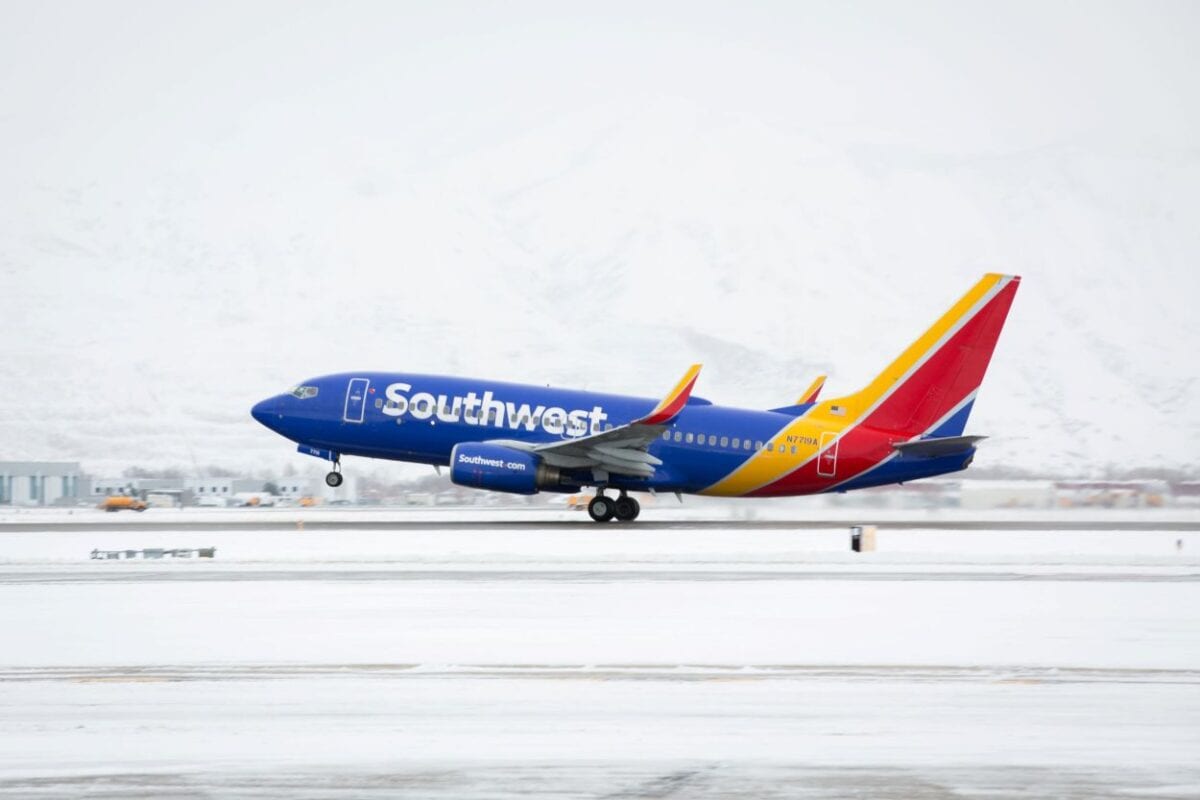
Image generated with Ai
Southwest Airlines’ new route expansion throughout the United States represents a dramatic change in domestic aviation competition, threatening established airlines such American Airlines, Delta Air Lines and United Airlines. With continuous flights connecting these places, Southwest is appealing to cost-conscious travelers who want to fly to expanding towns and vacation spots, but don’t want to spend a lot of time in layovers. The expansion adds to the competition in cities currently served by American, Delta and United, and might lead to better options of fares, timetables and connections for travelers. Other airlines like as Breeze Airways and Allegiant Air are also going for similar point-to-point methods, making the U.S. travel network that much more competitive.
Southwest’s New Route Strategy Compared With America’s Biggest Airlines
The latest Southwest expansion highlights a fundamental difference between low-cost carriers and traditional network airlines.American Airlines, Delta Air Lines and United Airlines have spent decades building hub-and-spoke systems. These networks allow airlines to connect hundreds of destinations through strategically located airports.
Southwest follows a different model.The airline focuses on connecting cities directly, especially where passengers have strong demand but limited nonstop choices.
| Airline | Core Network Strategy | Main Advantage | Main Passenger Segment |
|---|---|---|---|
| Southwest Airlines | Point-to-point domestic network | Direct flights and competitive fares | Leisure travellers and price-sensitive passengers |
| American Airlines | Hub-and-spoke global network | Largest domestic footprint and international connectivity | Business and leisure travellers |
| Delta Air Lines | Premium hub strategy | Service quality and operational reliability | Corporate and premium travellers |
| United Airlines | Global hub connectivity | International reach and major domestic hubs | Business and international travellers |
Southwest’s expansion does not attempt to replace these networks. Instead, it targets areas where passengers increasingly prefer direct travel over connecting flights.
Advertisement
Advertisement
Southwest vs American Airlines: Battle For Growing US Markets
American Airlines remains one of the largest airlines in the world and has significant control over major markets including Dallas/Fort Worth, Charlotte, Miami and Chicago.
Advertisement
Advertisement
However, Southwest’s latest expansion creates pressure in several domestic markets.
Texas Becomes A Key Competition Zone
Southwest’s additional presence from Austin is strategically important.
Austin has become one of America’s fastest-growing cities due to:
- Technology sector expansion
- Business migration
- Population growth
- Tourism demand
American Airlines has traditionally benefited from its Texas strength through Dallas/Fort Worth International Airport.
However, Southwest’s Austin growth offers travellers another option.
Advertisement
Advertisement
Traveller Impact
Passengers travelling between Texas and destinations such as Tennessee, Florida and western US cities may gain:
- More nonstop options
- Greater schedule flexibility
- Reduced dependence on Dallas connections
| Market | Southwest Opportunity | American Airlines Challenge |
|---|---|---|
| Austin | Expanding direct routes | Less control over Texas-origin passengers |
| California | More leisure connections | Competition for West Coast travellers |
| Florida | Growing holiday routes | Pressure on leisure demand |
American’s advantage remains its global network. A passenger travelling internationally may still prefer American because of partnerships and connecting options.However, for domestic leisure journeys, Southwest’s simple travel model becomes increasingly attractive.
Southwest vs Delta Air Lines: Competition Between Convenience And Premium Experience
Delta Air Lines has built one of the strongest reputations in US aviation through:
- Premium customer experience
- Strong operational performance
- Corporate traveller loyalty
- Extensive Atlanta hub connectivity
Southwest challenges Delta differently.
It is not competing mainly through premium service. It is competing through simplicity.
Advertisement
Advertisement
Nashville And Austin Become Important Battlegrounds
Both cities have experienced rapid growth.They are attractive because they combine:
- Business demand
- Tourism growth
- Population increases
Southwest’s expansion strengthens its position in these markets.
Delta already serves many of these destinations, but Southwest offers an alternative for travellers prioritising:
- Lower fares
- Direct flights
- Flexible domestic travel
| Category | Southwest | Delta |
|---|---|---|
| Primary Advantage | Low-cost convenience | Premium experience |
| Network Style | Direct city connections | Hub-based connectivity |
| Main Target | Leisure travellers | Business and premium passengers |
| Competition Area | Domestic leisure routes | High-value routes |
The result is a two-sided competition. Delta protects premium travellers, while Southwest targets passengers who value affordability and convenience.
Southwest vs United Airlines: The Battle For Western US Connectivity
United Airlines has one of the strongest domestic networks in America, with major hubs including:
Advertisement
Advertisement
- Denver
- Chicago
- Houston
- Newark
- San Francisco
Southwest’s new routes increasingly overlap with United’s strongest regions.
Denver And California Markets Face Increased Competition
Southwest’s Denver–Palm Beach route and Kansas City–San Francisco expansion place the airline closer to United’s core markets.
United benefits from:
- International connections
- Business travel demand
- Star Alliance network
Southwest benefits from:
- Strong domestic recognition
- Simple pricing structure
- Frequent leisure demand
| Market | United Strength | Southwest Advantage |
|---|---|---|
| Denver | Major hub | Direct leisure connections |
| California | Global gateway access | Domestic point-to-point routes |
| Florida | International connectivity | Leisure-focused flights |
For travellers, the competition means more choices between hub connectivity and direct convenience.
Advertisement
Advertisement
Full Route Competition Analysis
| Southwest Route Expansion | Main Competing Airlines | Traveller Benefit |
|---|---|---|
| Austin–Knoxville | American, Delta | New direct regional access |
| Austin–Memphis | Delta Connection, American | More competition |
| Nashville–Reno | United, Southwest connecting markets | First nonstop opportunity |
| Las Vegas–Puerto Vallarta | Alaska, American | More Mexico holiday options |
| Denver–Palm Beach | United, Frontier | More winter leisure access |
| Fort Lauderdale–San Diego | Alaska, JetBlue | Better coastal connectivity |
| Kansas City–San Francisco | United, Alaska | More Midwest–California choices |
| Orlando–San José | United, Alaska | More Florida–California access |
Why Southwest’s Strategy Could Change US Travel Patterns
The biggest change in American aviation is the rising importance of secondary airports and direct routes.
Passengers increasingly want:
- Shorter journeys
- Fewer connections
- Lower stress
- Better schedule choices
Airlines are responding by creating routes that were previously considered too small.
Markets such as:
- Reno
- Knoxville
- Santa Rosa
- Destin
- Palm Beach
show that aviation growth is moving beyond traditional mega-hubs.
Advertisement
Advertisement
How Travellers Benefit From The Airline Competition
More Nonstop Flights
Passengers who previously needed connections can now access direct services.
Lower Travel Time
Removing one connection can save several hours.
Better Holiday Accessibility
Southwest’s leisure-focused routes improve access to:
- Beaches
- Resorts
- Entertainment destinations
More Competitive Pricing
When airlines compete on the same route, passengers usually gain more fare choices.
Better Regional Connectivity
Smaller cities receive stronger links to major tourism and business destinations.
Advertisement
Advertisement
The Bigger Industry Trend: Point-To-Point Travel Returns
Southwest’s expansion reflects a broader airline strategy visible across the US market.Low-cost carriers such as Breeze Airways and Allegiant Air have also built their businesses around direct connections between smaller cities and leisure destinations.
The traditional hub model remains powerful, but airlines are recognising that many passengers no longer want complicated journeys.
The future competition will likely focus on:
- Convenience
- Network flexibility
- Affordable fares
- Direct access
Travel And Tour World Analysis: Southwest Airlines Route Expansion Sparks US Aviation Battle As Travellers Gain More Flight Choices
Southwest Airlines is making a big change in the US aviation scene with new and returning routes. The expansion is more than just a network extension, it’s a strategic threat to the big airlines, including American Airlines, Delta Air Lines and United Airlines. Southwest is focusing on neglected city pairings and leisure markets where travelers are increasingly seeking out direct flights rather than connecting via big hubs.
American Airlines is still on top with its massive hub network, Delta Air Lines continues to have the advantage with premium services and reliability, and United Airlines remains strong with international connections and major hubs like Denver and San Francisco. But Southwest is fighting in a new space — easier trips, lower price and more connectivity to secondary locations.
Advertisement
Advertisement
The influence on passengers is profound. More non-stop flights means less travel time, fewer connections and more competition on fares. Markets depending on indirect flights might see greater accessibility and increased tourism. Airlines like Breeze Airways and Allegiant Air also are showing the demand for point-to-point travel is growing nationwide.
Southwest’s action is confirmation from a travel industry standpoint that the future of U.S. aviation won’t be dominated just by the biggest hubs. The future generation of domestic travel will increasingly be influenced by airlines that can connect travelers immediately, swiftly and economically.
Stay ahead of global aviation and travel trends with Travel And Tour World. Discover exclusive industry insights, route updates and expert analysis shaping the future of worldwide travel.
(Picture Credit- South West Airlines)
Advertisement
