
Thailand Expands Chiang Mai Tourism Strategy With New District Welcoming Global Digital Nomad Travellers

Published
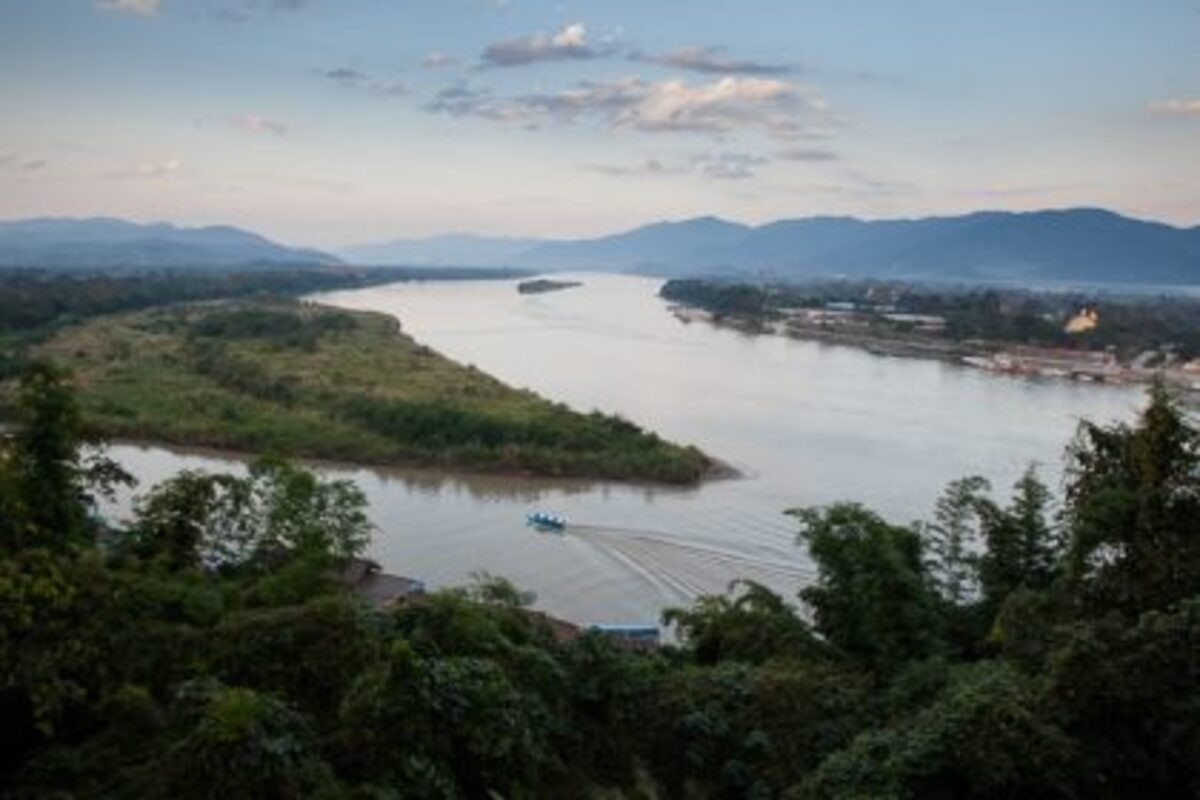
Thailand is expanding on its efforts to promote tourism in Chiang Mai with the development of a new district for digital nomad travellers. The new Thailand development seeks to attract global digital nomad visitors while balancing the needs of both international and local residents.
Chiang Mai, located in northern Thailand, is strengthening its position as a leading long-stay tourism destination by developing a dedicated district model where remote workers and residents can coexist. Through a public-private initiative, the city is aiming to create a more sustainable tourism environment that supports digital professionals while ensuring local communities continue to benefit from the growing international visitor economy.
Advertisement
Advertisement
The move reflects the changing nature of global travel, where more professionals are combining work and tourism through remote employment. Instead of traditional short holidays, digital nomad travellers often remain in destinations for extended periods, creating new opportunities for accommodation providers, restaurants, cafés, local businesses and cultural experiences.
With its combination of affordable living, strong digital connectivity, cultural attractions and natural landscapes, Chiang Mai has already become one of Asia’s most recognised destinations for remote workers. The new Nomad Friendly District strategy is expected to further strengthen the city’s appeal among international travellers seeking a place where work, lifestyle and tourism can be combined.
Advertisement
Advertisement
Chiang Mai Targets New Era Of Long Stay Tourism Growth
The rise of digital nomad travel has changed how destinations approach tourism development. Cities are no longer focusing only on increasing visitor numbers but are also looking at attracting travellers who stay longer and contribute more consistently to the local economy.
Chiang Mai has emerged as a popular destination among digital nomads because of its unique balance between modern facilities and traditional Thai culture. The city offers historic temples, local markets, mountain landscapes, creative communities and a relaxed lifestyle, making it attractive for professionals who want to work remotely while experiencing authentic local life.
Advertisement
Advertisement
The new district concept is designed to support this growing tourism segment by creating an organised environment where digital nomads can access suitable facilities while engaging more closely with local communities.
| Key Area | Chiang Mai Tourism Strategy |
|---|---|
| Target Visitors | Global digital nomad travellers and long-stay visitors |
| Main Goal | Creating harmony between remote workers and residents |
| Tourism Focus | Sustainable and experience-based travel |
| Development Model | Public-private partnership |
| Expected Outcome | Stronger local economy and improved visitor experience |
New Nomad Friendly District Creates Connection Between Travellers And Locals
The development of the Nomad Friendly District is focused on improving interaction between international remote workers and Chiang Mai residents. As digital nomad tourism continues expanding, destinations are increasingly looking for ways to ensure that visitor growth creates positive outcomes for local communities.
Advertisement
Advertisement
The initiative is expected to encourage travellers to become more connected with local businesses, neighbourhoods and cultural experiences. Instead of creating isolated foreign communities, the district model aims to promote a more integrated tourism environment.
For local businesses, the growth of digital nomad tourism provides new opportunities. Remote workers often require longer-term accommodation, regular dining options, transportation services, coworking facilities and lifestyle activities. This creates continuous economic activity beyond traditional peak travel seasons.
The strategy also supports Chiang Mai’s ambition to move towards a higher-value tourism model, where longer stays and deeper cultural engagement become important parts of destination development.
Why Chiang Mai Has Become A Global Digital Nomad Tourism Hub
Several factors have helped Chiang Mai become a preferred destination for digital nomad travellers from around the world.
Advertisement
Advertisement
Affordable Lifestyle And Extended Stay Appeal
One of Chiang Mai’s biggest advantages is its relatively affordable lifestyle compared with many major international cities. Accommodation, food, transportation and daily expenses have helped attract professionals who work remotely while searching for destinations with a comfortable quality of life.
The city allows travellers to enjoy modern urban facilities while maintaining access to traditional experiences and natural surroundings.
Digital Infrastructure Supports Remote Work
Reliable internet access, cafés suitable for working, coworking spaces and digital services have helped Chiang Mai develop a strong remote work environment.
For digital nomads, the ability to continue professional activities while travelling is a major factor when selecting a destination. Chiang Mai’s growing digital ecosystem has supported its reputation as a remote work-friendly city.
Cultural Experiences Strengthen Tourism Appeal
Unlike destinations focused mainly on leisure activities, Chiang Mai offers a combination of culture, heritage and nature.
Visitors can explore ancient temples, experience northern Thai traditions, visit local markets and enjoy nearby mountain landscapes. This combination allows digital nomad travellers to experience a deeper connection with the destination.
Advertisement
Advertisement
Balancing Tourism Growth With Local Community Needs
While digital nomad tourism creates economic opportunities, rapid growth can also bring challenges. Destinations worldwide are increasingly examining how to manage rising demand while protecting local lifestyles and maintaining cultural identity.
In Chiang Mai, the Nomad Friendly District approach is intended to create better coordination between visitors and residents. By encouraging responsible tourism practices and stronger community engagement, the initiative aims to ensure that tourism expansion remains beneficial for everyone involved.
The balance between international attraction and local interests is becoming an important issue for destinations welcoming long-stay travellers. Successful digital nomad tourism requires careful planning, community involvement and sustainable development.
Chiang Mai’s approach represents a move towards managing tourism growth rather than simply increasing visitor numbers.
Digital Nomad Travellers Bring New Opportunities For Local Economy
The growing presence of remote workers is expected to provide new opportunities across multiple sectors of Chiang Mai’s tourism economy.
Unlike short-term tourists, digital nomads often spend money over longer periods. Their daily activities support a wide range of local businesses, including:
Advertisement
Advertisement
- Accommodation providers
- Restaurants and cafés
- Transport operators
- Wellness businesses
- Cultural attractions
- Local service providers
This long-term spending pattern can help create more stable tourism revenue while reducing dependence on seasonal visitor flows.
The Nomad Friendly District is also expected to encourage new business opportunities by creating a stronger environment for entrepreneurs, creative professionals and international networks.
Thailand Expands Tourism Beyond Traditional Holiday Destinations
The Chiang Mai initiative reflects Thailand’s broader strategy of attracting diverse categories of international travellers. While the country remains globally recognised for beach tourism, island destinations and luxury holidays, Chiang Mai represents a different tourism opportunity focused on culture, lifestyle and long stays.
By developing digital nomad-friendly infrastructure, Thailand is responding to changing global travel patterns where visitors increasingly seek destinations that combine professional flexibility with meaningful experiences.
The growth of remote work has created a new category of traveller who is not simply visiting a destination but temporarily living within it. Chiang Mai’s tourism strategy is designed to meet the needs of this evolving market.
Chiang Mai Builds Future Tourism Model Through Digital Nomad Growth
The creation of a Nomad Friendly District marks an important step in Chiang Mai’s tourism development journey. By welcoming global digital nomad travellers while supporting local communities, the city is aiming to build a more balanced and sustainable tourism future.
Advertisement
Advertisement
The initiative demonstrates how destinations can adapt to changing travel trends by combining technology, community engagement and cultural preservation.
Chiang Mai opens up as a new global tourism destination for digital nomad workers
Thailand is set to boost the profile of Chiang Mi by creating a Nomad Friendly District, which it hopes will attract a steady stream of global digital travellers. The plan is to ensure long-stay tourism blooms while at the same time not threatening the local community.
Advertisement
