
Image generated with Ai
Rome and other Italian cities turn cinema heritage into powerful new travel experiences, revealing how famous screenscapes are becoming global tourism magnets. Italy’s movie locations are attracting travellers who want more than traditional sightseeing. They seek emotional journeys connected with unforgettable stories. From historic streets to dramatic landscapes, film-inspired travel is creating fresh opportunities for destinations. The reason is simple: cinema builds curiosity, encourages exploration, and transforms ordinary locations into memorable attractions. This growing movement shows how storytelling can influence travel decisions and strengthen local economies across the country through authentic cultural connections while inspiring future generations of curious travellers.
| Italian City / Destination | Region | Why Famous for Film Tourism | Famous Films / TV Productions | Iconic Film Locations | Film Tourism Experiences in 2026 | Tourism Importance |
| Rome | Lazio | Italy’s biggest cinema hub and home of Cinecittà Studios, known as the “Hollywood on the Tiber” | Roman Holiday, La Dolce Vita, The Great Beauty, Gladiator, Angels & Demons, The Two Popes, Mission: Impossible productions | Trevi Fountain, Spanish Steps, Colosseum, Piazza Navona, Vatican surroundings, Cinecittà Studios | Cinecittà tours, movie location walks, cinema museums, visiting famous Roman film streets | Rome remains the centre of Italian and international filmmaking, supported by Cinecittà’s historic role and global productions. |
| Venice | Veneto | One of cinema’s most recognisable romantic and mysterious cities, with canals becoming global film symbols | Casino Royale, The Tourist, Don’t Look Now, Death in Venice, Summertime, Othello | Grand Canal, Piazza San Marco, Rialto Bridge, Palazzo locations, Lido Island | Film-themed walking tours, Venice Film Festival experiences, visiting movie locations by boat | Venice combines heritage tourism with cinematic nostalgia, making it one of Europe’s strongest film-inspired destinations. |
| Matera | Basilicata | Ancient cave city landscapes attract filmmakers seeking biblical, historical and dramatic settings | The Passion of the Christ, The Nativity Story, No Time to Die, Wonder Woman, The Gospel According to St Matthew | Sassi districts, cave dwellings, rock churches, ancient streets | Guided film location tours, photography routes, walking through movie landscapes | Matera’s prehistoric appearance has transformed it into one of Italy’s most powerful cinematic destinations. |
| Florence | Tuscany | Renaissance architecture and artistic heritage make it a favourite historical film setting | Inferno, A Room with a View, Hannibal, Tea with Mussolini | Duomo, Ponte Vecchio, Palazzo Vecchio, Uffizi area | Renaissance film walks, literary and cinema tours, historical location visits | Florence attracts visitors who combine art tourism with famous movie experiences. |
| Naples | Campania | A city known for authentic street scenes, history and dramatic storytelling | Gomorrah, The Talented Mr Ripley, It Started in Naples | Historic centre, waterfront, Spanish Quarter, Vesuvian landscapes | Film-inspired city tours, exploring locations from Italian cinema and TV dramas | Naples uses cinema to showcase its culture, traditions and urban identity. |
| Sicily (Palermo, Taormina, Corleone areas) | Sicily | One of the world’s most famous film landscapes due to mafia dramas, luxury settings and Mediterranean scenery | The Godfather Trilogy, The White Lotus, Cinema Paradiso, Indiana Jones and the Dial of Destiny | Savoca village, Teatro Antico Taormina, Palermo streets, Sicilian villages | Godfather tours, village visits, cinema heritage routes | Sicily remains a global film tourism icon, especially among international visitors seeking movie heritage experiences. |
| Milan | Lombardy | Fashion, architecture and modern urban landscapes attract contemporary productions | House of Gucci, The International, Italian fashion films | Duomo Square, Galleria Vittorio Emanuele II, fashion districts | Fashion-film tours, architecture walks, luxury cinema experiences | Milan connects film tourism with fashion, business and luxury travel. |
| Turin | Piedmont | Italy’s historic cinema city and birthplace of early Italian film culture | The Italian Job, Cabiria, numerous Italian productions | Mole Antonelliana, National Cinema Museum, historic streets | National Cinema Museum visits, cinema heritage tours | Turin offers one of Italy’s strongest cinema-history experiences through its museums and film institutions. |
| Verona | Veneto | Romantic reputation boosted by Shakespeare-inspired cinema and historical settings | Letters to Juliet, Romeo and Juliet adaptations | Juliet’s Balcony, Verona Arena, historic centre | Romance-themed film tourism, literary and movie trails | Verona attracts couples and cultural travellers seeking cinematic romance. |
| Lake Como (Como, Bellagio, surrounding villages) | Lombardy | Luxury villas and lake scenery have become major Hollywood backdrops | Casino Royale, Star Wars: Episode II, House of Gucci | Villa Balbianello, lakeside villas, mountain landscapes | Villa visits, boat tours, celebrity film location routes | Lake Como benefits from luxury film exposure and attracts high-value international travellers. |
| Amalfi Coast (Amalfi, Positano, Ravello) | Campania | Dramatic coastline and luxury scenery frequently appear on screen | The Talented Mr Ripley, Under the Tuscan Sun, Wonder Woman | Positano cliffs, coastal roads, villas | Scenic drives, boat tours, cinematic photography experiences | The destination links film imagery with luxury coastal tourism. |
| Bologna | Emilia-Romagna | Historic streets and porticoes provide authentic Italian urban settings | Italian cinema productions, cultural documentaries | Piazza Maggiore, medieval streets, university district | Cinema heritage walks, cultural film routes | Bologna combines food, culture and cinema tourism. |
| Cortona | Tuscany | International recognition increased after Under the Tuscan Sun | Under the Tuscan Sun | Piazza della Repubblica, Tuscan countryside villas | Movie-inspired countryside tours | Film exposure strengthened Cortona’s appeal among overseas travellers. |
| Puglia (Alberobello, Ostuni, Polignano a Mare) | Apulia | White villages, coastal landscapes and traditional architecture attract productions | No Time to Die, Italian films and advertisements | Trulli houses, coastal roads, historic towns | Film location road trips and village tours | Puglia’s cinematic landscapes support growing international tourism demand. |
Italy has become one of the world’s strongest destinations for film-inspired travel because its cities offer something rare: authentic locations that already look like movie sets. Ancient ruins, Renaissance streets, coastal villages and historic buildings have attracted generations of filmmakers, creating a powerful connection between cinema and tourism.
Film tourism allows visitors to experience destinations through the stories they have watched on screen. Instead of simply visiting landmarks, travellers now search for the exact streets, buildings and landscapes where famous scenes were filmed.
The growth of streaming platforms has strengthened this trend. International audiences are discovering Italian locations through films and television series before travelling. A scene from Rome, a villa overlooking Lake Como or a medieval street in Matera can inspire visitors to plan entire holidays around cinematic experiences.
Advertisement
Advertisement
Italy’s official tourism ecosystem continues to promote cultural travel through destinations, heritage attractions and experiences available through the country’s tourism portal, Italia’s official tourism website. Meanwhile, Italy’s film production infrastructure remains a major attraction, especially through Rome’s historic Cinecittà Studios, which continues to represent the country’s global cinema identity.
The appeal of Italian film tourism is also linked to emotional travel. Visitors are not only looking at monuments; they are walking through scenes connected with romance, history, adventure and drama. This creates deeper engagement and encourages longer stays, local spending and repeat visits.
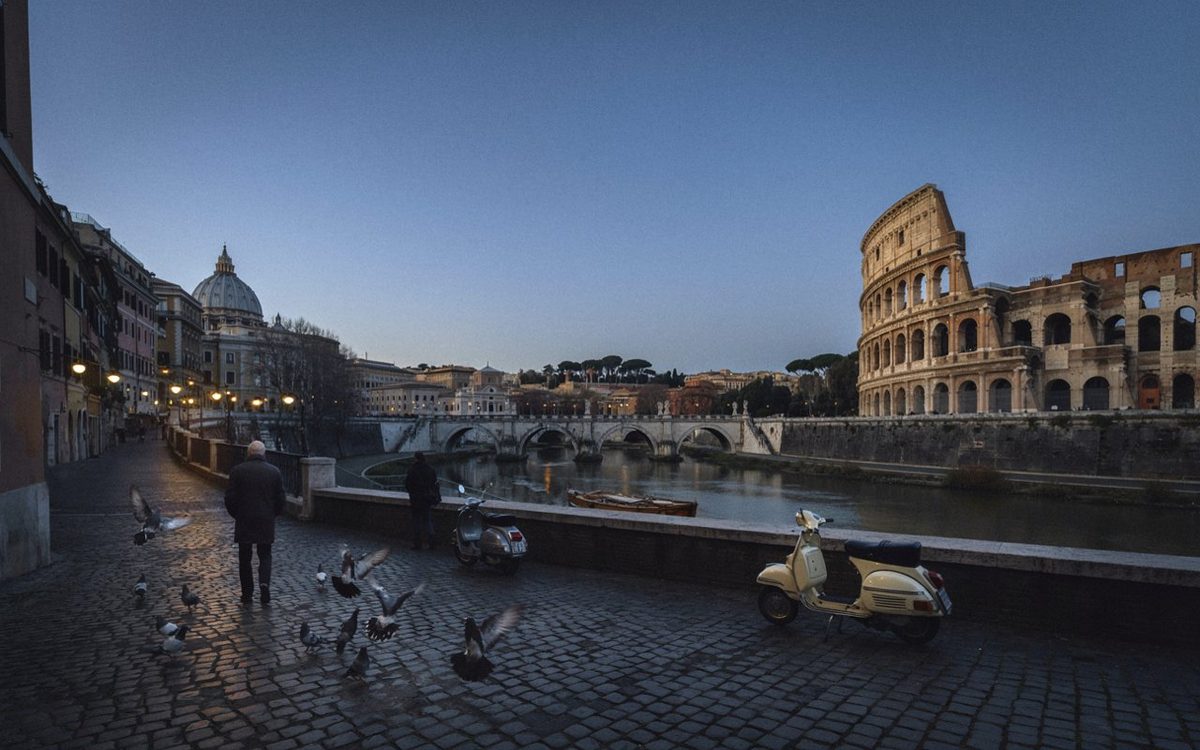
Rome continues to dominate Italy’s film tourism landscape because the city has been at the heart of international cinema for decades. Known as the “Hollywood on the Tiber”, Rome combines ancient history with one of Europe’s most important film production centres.
The city’s cinematic reputation was built through classics such as Roman Holiday and La Dolce Vita, which introduced global audiences to Rome’s streets, fountains and historic squares. Later productions including Gladiator, The Great Beauty, Mission: Impossible and The Two Popes further strengthened its international appeal.
Advertisement
Advertisement
Visitors can follow famous cinematic routes across the city, including the Trevi Fountain, Spanish Steps, Piazza Navona and the Colosseum area. These landmarks already attract millions of tourists, but film connections add another layer of storytelling.
A major attraction is Cinecittà Studios, where visitors can explore the history of Italian cinema and discover behind-the-scenes production environments. The studios have hosted thousands of productions and remain a symbol of Italy’s creative influence.
In 2026, Rome’s film tourism advantage is expected to grow further as the city continues strengthening its position as an international production hub. Investment plans for Cinecittà aim to increase production capacity and reinforce Rome’s role in global filmmaking.
For travellers, Rome offers a complete film tourism package: iconic locations, cinema history, museums, guided tours and a living city where past and present meet.
Venice has long been one of cinema’s most recognisable cities because its canals, bridges and historic architecture create an atmosphere that cannot easily be recreated elsewhere.
The city’s unique landscape has made it a favourite location for filmmakers searching for romance, mystery and elegance. Films such as Casino Royale, The Tourist, Death in Venice and numerous international productions have used Venice as a dramatic backdrop.
Travellers visiting Venice often seek the locations they have seen on screen, including the Grand Canal, Piazza San Marco, Rialto Bridge and historic palaces. The city’s waterways create a natural cinematic experience, where visitors can travel through locations that have appeared in global films.
The annual Venice Film Festival also strengthens the destination’s connection with international cinema. Hosted on the Lido, the festival attracts filmmakers, celebrities and audiences from around the world, reinforcing Venice’s position as a global film capital.
Film tourism in Venice also supports cultural travel. Visitors combine movie-inspired routes with museums, architecture, heritage attractions and traditional experiences.
As overtourism management becomes increasingly important, Venice’s future tourism strategy focuses on creating more meaningful visitor experiences rather than only increasing visitor numbers. Film tourism fits this approach because it encourages storytelling, cultural understanding and deeper exploration.
Matera has transformed from a lesser-known historic city into one of Europe’s most remarkable film tourism destinations. Its ancient cave neighbourhoods, known as the Sassi, provide a landscape unlike almost anywhere else in the world.
The city’s dramatic stone architecture has attracted filmmakers searching for biblical, historical and futuristic settings. Productions including The Passion of the Christ, The Gospel According to St Matthew and the James Bond film No Time to Die showcased Matera to millions of viewers worldwide.
After appearing on screen, Matera experienced increased global recognition. Travellers now visit not only for its UNESCO-listed heritage but also to explore locations connected with famous productions.
Visitors can walk through ancient streets, explore cave dwellings and join guided film location tours that explain how the city was transformed into a cinematic setting.
Matera demonstrates how film tourism can support destination development. Cinema has helped introduce international audiences to a place that combines history, architecture and authentic local culture.
In 2026, Matera represents a growing trend in travel: visitors increasingly want unique destinations with powerful stories rather than traditional sightseeing alone.
Florence, Naples and Sicily continue to benefit from their strong connections with cinema because each destination offers a distinct visual identity.
Florence attracts visitors through its Renaissance architecture and artistic heritage. Films such as Inferno, A Room with a View and Hannibal have highlighted locations including the Duomo, Ponte Vecchio and historic streets. Travellers interested in combining art, history and cinema often include Florence in film-inspired itineraries.
Naples offers a different cinematic experience. Its energetic streets, coastal scenery and historic neighbourhoods have appeared in productions including Gomorrah and The Talented Mr Ripley. The city’s authentic character makes it attractive for visitors seeking real Italian urban experiences.
Sicily remains one of the strongest film tourism destinations because of its connection with The Godfather trilogy and other international productions. Villages such as Savoca and locations around Taormina attract visitors who want to explore famous movie landscapes.
These destinations show that film tourism is not limited to major cities. Small towns, villages and rural landscapes can also become global attractions when they are connected with powerful stories.
Italian destinations are increasingly recognising film tourism as a valuable tool for attracting international visitors. Cinema creates global awareness, encourages longer stays and promotes lesser-known locations.
Cities and regions are developing guided tours, cultural routes and themed experiences based on famous productions. These activities help visitors understand the connection between landscapes and storytelling.
Film tourism also benefits local economies. Travellers spend money on accommodation, restaurants, transport, museums and local businesses while exploring cinematic locations.
The trend reflects a broader shift in global travel. Modern tourists increasingly search for experiences rather than simple sightseeing. They want to recreate memories, follow stories and connect emotionally with destinations.
Italy’s advantage is its authenticity. Unlike artificial theme locations, many Italian film destinations are real communities where history, culture and everyday life continue beyond the camera.
Italy’s film tourism rise is driven by a clear cause: audiences want to experience the real places behind their favourite stories. The answer is that cities are using cinema as a bridge between entertainment and travel. The reason is powerful visibility. Movies and series introduce destinations to millions of viewers worldwide and inspire them to visit. This connection helps local businesses grow, supports cultural preservation, and creates meaningful visitor experiences. As Italy continues promoting its cinematic heritage, film tourism will remain an important force shaping modern travel choices and discovering hidden destinations across the nation with renewed international interest worldwide.
Advertisement
Advertisement
Advertisement












Saturday, September 5, 2026

Saturday, September 5, 2026

Saturday, September 5, 2026

Saturday, September 5, 2026
Saturday, September 5, 2026
Saturday, September 5, 2026

Saturday, September 5, 2026

Saturday, September 5, 2026



