
How Timișoara And Iași Sparked An Unprecedented Wave Of Exploration Across Romania From Historic Streets To Global Spotlights

Updated
Published
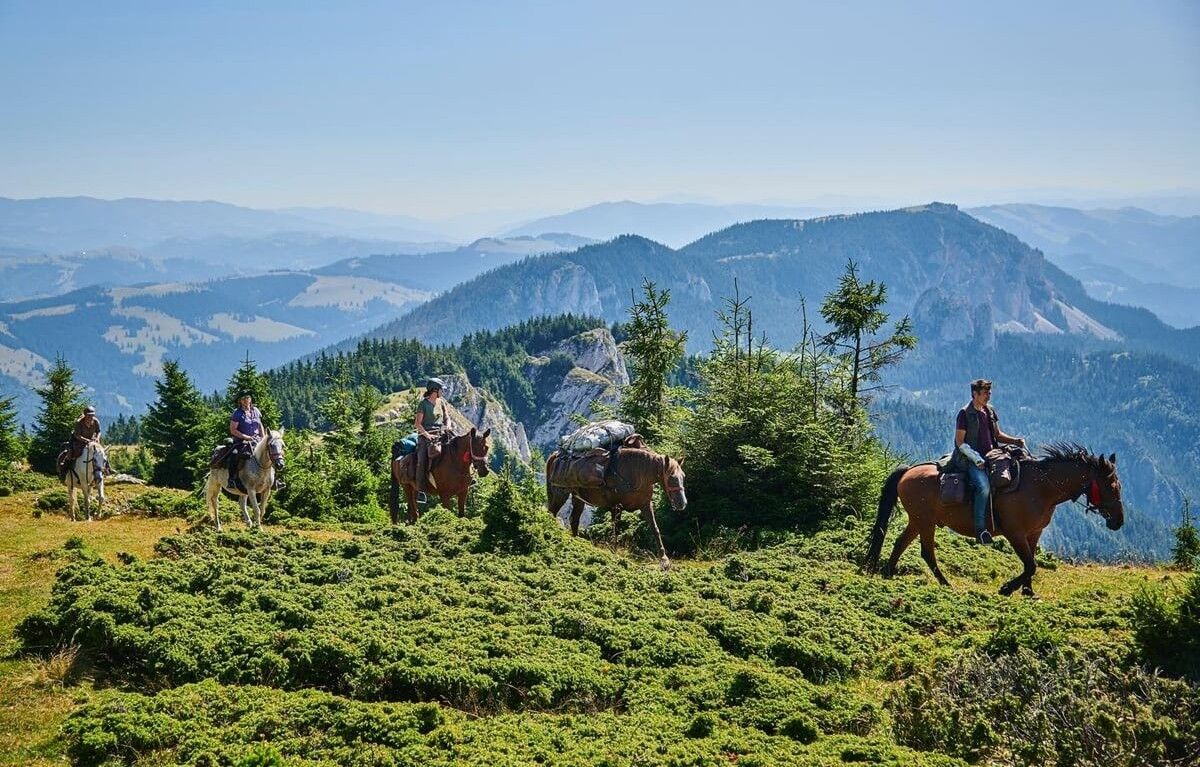
Image Credit romaniatourism.com
There is a kind of electricity in the Romanian air this summer and honestly you can just feel it pulse through the ancient cobblestones and sun-drenched coastlines. After a spring something incredible happened when July rolled around the whole country just burst back, to life in the most vibrant way possible. Walking down the buzzing streets of Bucharest or hearing the laughter echoing across the Black Sea in Constanța it is impossible not to get swept up in the pure joy of a nation rediscovering its rhythm. Families, backpackers and festival lovers have poured in by the thousands, breathing warmth and unforgettable energy into every single corner of this breathtaking land.
Advertisement
Advertisement
Why Did International Arrivals Surge Across Romania During the Peak Summer Season of 2026?
According to official INS indicators, international tourist arrivals experienced a notable acceleration during the peak summer months of 2026 across urban and coastal regions alike. In July 2026 alone, foreign tourist arrivals surged by 20.4% year-on-year, bringing in over 53,000 more international visitors compared to July 2025. This massive influx underscored a broader European trend toward authentic, value-driven, and culturally rich alternative destinations.
Advertisement
Advertisement
Furthermore, foreign tourist spending tracked via electronic payment networks surged by 63% year-on-year during July and August 2026, crossing the milestone of nearly RON 250 million. Visitors from North America jumped by 23.8%, while European source markets grew by 9%, powered by rising card usage from the United Kingdom, Israel, Ukraine, Turkey, and the United States.
How Did Bucharest Secure Its Crown as the Ultimate Capital and Commercial Hub for Global Travelers?
Advertisement
Advertisement
Bucharest anchors Romania’s inbound tourism, capturing the highest volume of total foreign tourist card spending and short-stay corporate-leisure travel across the entire country. The capital city benefited heavily from an expanded calendar of summer cultural festivals, open-air concerts in the Historic Center (Centrul Vechi), and high-profile international business conferences.
Infrastructure upgrades and digital payment readiness made Bucharest the top destination for high-spending British and North American tourists seeking dynamic urban adventures. Average transaction values remained remarkably resilient, driven by upscale hospitality, fine-dining experiences, and cultural tourism centered around the iconic Palace of the Parliament and world-class museums.
What Made Constanța and the Vibrant Black Sea Coast a Premier Coastal Gateway in 2026?
As Romania’s premier coastal corridor encompassing Constanța, Mamaia, and nearby seaside resorts, Constanța led regional summer hotel occupancy rates during July and August 2026. Favorable Black Sea weather coupled with intensified municipal and private-sector destination marketing drew domestic holidaymakers and neighboring European travelers, particularly from Ukraine and the Balkans.
Enhanced transport links and revived interest in Black Sea coastal heritage sites bolstered mid-summer arrivals across the entire shoreline. While traditional domestic tourism saw localized shifts, high-end hospitality and beachfront entertainment recorded robust card-spending spikes, successfully reversing earlier sluggish spring figures.
Why Did Cluj-Napoca Reign Supreme as Transylvania’s Uncontested Cultural and Tech Epicenter?
Advertisement
Advertisement
Cluj-Napoca continued its reign as Transylvania’s tourism powerhouse, driven by its world-renowned mega-festivals such as Untold and a vibrant digital-nomad ecosystem. Mega-events in early August transformed Cluj-Napoca into a full-capacity international hotspot, drawing tens of thousands of foreign festival-goers who extended their stays to explore wider Transylvanian attractions.
Continued direct flight network expansions by major European carriers solidified Cluj-Napoca as a seamless western-access portal to Romania. High-density short-term rentals and boutique hotels reported near 100% occupancy during peak summer weekends, lifting average transaction spending significantly across local independent businesses.
How Did Timișoara Solidify Its Historic Status as a European Cultural Crossroads?
Building on its long-term legacy as a European Capital of Culture, Timișoara cemented its status as a premier western tourism destination in 2026. Art exhibitions, architectural heritage tours of its magnificent Secessionist palaces, and steady cross-border tourism from Hungary and Serbia anchored continuous foot traffic throughout the golden summer months.
Notably, transaction analytics recorded in Timișoara highlighted a high average transaction value of approximately RON 233 per swipe, indicating a demographic of affluent cultural tourists investing in high-end dining, modern design, and localized experiences. Timișoara successfully transitioned from a transient business destination into a multi-day cultural leisure stopover of exceptional quality.
What Drove Iași to Emerge as the Historic Heart of Eastern Moldovan Tourism?
Advertisement
Advertisement
Iași emerged as the cultural and religious tourism anchor of eastern Romania, registering steady inbound growth from the Moldovan diaspora and neighboring eastern European nations. Landmark architectural attractions chiefly the iconic Palace of Culture and the historic Metropolitan Cathedral drew substantial heritage tourism throughout the summer months.
Educational and medical tourism conferences further diversified Iași’s summer visitor demographic, keeping accommodation establishments active outside traditional beach or mountain corridors. Steady, reliable foot traffic supported local crafts, traditional hospitality, and burgeoning culinary sectors, proving crucial to regional economic decentralization across Iași.
How Did Key International Source Markets Drive the Massive 63 Percent Spike in Electronic Card Spending Across Romanian Urban Corridors?
The 2026 summer tourism season witnessed a transformative financial shift driven primarily by international visitors utilizing electronic payment networks. Official payment processor analytics confirm that foreign tourist spending surged by an astounding sixty-three percent year-on-year during July and August, successfully breaking the monumental threshold of nearly RON 250 million. This extraordinary financial expansion reflects a deeper integration of global travelers into Romania’s modern merchant ecosystem, supported by widespread point-of-sale terminal availability.
Among individual source markets, the United Kingdom firmly maintained its position as the leading contributor to overall transaction volumes across major metropolitan areas. Meanwhile, spending figures originating from Israel more than tripled, demonstrating an aggressive resurgence in leisure travel interest toward southeastern Europe. Parallel spikes were recorded across transactions tied to visitors from Turkey, Ukraine, and the United States, proving that diverse international demographics are actively discovering Romania’s rich cultural and urban landscapes.
What Regional Demographic Shifts Explained the Remarkable 20.4 Percent Surge in Foreign Tourist Arrivals During July 2026?
Advertisement
Advertisement
Official indicators released by the National Institute of Statistics highlight a dramatic acceleration of international foot traffic during the heart of the summer. Specifically, July 2026 welcomed over fifty-three thousand more foreign visitors compared to the corresponding period in 2025, marking an impressive single-month surge of twenty-four percent. This massive influx underscored a broader continental trend where travelers increasingly sought authentic, value-driven, and historically rich alternative destinations across Eastern Europe.
Cumulative metrics spanning from January through July demonstrated an ongoing upward trajectory, welcoming roughly one hundred thirty-four thousand additional international arrivals compared to the previous year. Broader geographical breakdowns revealed that traditional European source markets expanded by nine percent, while long-haul arrivals originating from North America jumped by an exceptional twenty-three point eight percent. These expanding visitor pipelines underscore a fundamental elevation of Romania’s profile within competitive global tourism circuits.
Why Did Cities Like Timișoara Record High Average Transaction Values of RON 233 Per Swipe Among Cultural Tourists?
A closer inspection of regional transaction analytics reveals fascinating insights into consumer behavior and visitor purchasing power across western and central urban hubs. Transaction data highlighted remarkably robust average consumer basket sizes, led prominently by Timișoara where the average transaction value reached approximately RON 233 per swipe. This high figure points directly to an affluent demographic of cultural explorers willing to invest heavily in premium experiences.
Comparable high-end spending tendencies were mirrored across other prominent regional centers, with Sibiu registering RON 232 and Craiova hitting RON 231 per transaction swipe. These metrics collectively illustrate that inbound tourists are not merely engaging in transient sightseeing but are actively channeling funds into boutique hospitality, architectural heritage tours, design-forward retail, and high-end culinary arts.
How Did Point-of-Sale Terminal Readiness and Digital Payment Networks Support the Robust 2026 Tourism Boom?
Advertisement
Advertisement
The seamless execution of summer travel transactions relied heavily on the rapid modernization of digital payment infrastructure across the country. Through the widespread deployment of advanced card-processing terminals provided by networks such as Global Payments, small and independent merchants were equipped to handle high-volume contactless payments effortlessly. This technological readiness proved especially vital in densely populated entertainment zones, such as Bucharest’s historic center and major festival perimeters.
By eliminating cash-handling bottlenecks and reducing transaction wait times, local businesses captured maximum revenue during peak weekend occupancy spikes. Merchants operating within hospitality, dining, and artisanal sectors reported zero-friction payment experiences, which directly elevated overall customer satisfaction scores among international tourists accustomed to frictionless digital commerce.
To What Extent Did Mega-Festivals Like Untold Drive Cluj-Napoca Toward Full Weekend Accommodation Occupancy?
Music mega-events and large-scale cultural gatherings served as powerful catalysts for regional tourism saturation, none more so than the world-renowned Untold festival held in early August. This massive undertaking transformed Cluj-Napoca into a vibrant, full-capacity international hotspot, drawing tens of thousands of music enthusiasts from every corner of the globe. Accommodation providers across the city reported virtually one hundred percent weekend occupancy rates.
The economic ripple effect generated by these festival-goers extended far beyond city limits, creating substantial secondary tourism revenue streams across neighboring Transylvanian attractions. Regional landmarks, including the historic Turda Salt Mine and scenic access routes leading into the Apuseni Mountains, recorded significant increases in ticket sales and guided excursions as visitors extended their itineraries.
How Did Constanța and Mamaia Overcome Spring Sluggishness to Lead Regional Hotel Occupancy Rates in July and August?
Advertisement
Advertisement
Following an industry-wide macroeconomic adjustment observed during early spring indices, Romania’s coastal corridor staged a spectacular recovery during the core summer months. Encompassing Constanța, Mamaia, and surrounding seaside resorts, the coastal zone successfully captured top-tier regional hotel occupancy rates throughout July and August. Favorable Black Sea weather conditions provided the perfect backdrop for a rejuvenated seaside economy.
Intensified municipal destination marketing and targeted private-sector packaging played a pivotal role in attracting both domestic holidaymakers and neighboring European travelers from Ukraine and the Balkans. Enhanced transport links and renewed interest in coastal archaeological heritage sites ensured that mid-summer arrivals remained robust, successfully reversing earlier sluggish seasonal indicators.
What Role Did Business Conferences and Cultural Calendars Play in Establishing Bucharest as Romania’s Top Foreign Card-Spending Hub?
Bucharest firmly anchored the nation’s inbound tourism economy by capturing the highest absolute volume of total foreign tourist card expenditure nationwide. The capital successfully leveraged a synergistic blend of corporate weekday business conventions and weekend leisure travel, often referred to as bleisure. This dual-purpose appeal kept average room rates remarkably resilient throughout the summer.
An expanded calendar of open-air concerts, theater festivals, and cultural gatherings in historic districts kept visitors engaged well beyond standard short-stay parameters. Infrastructure upgrades and digital payment readiness further streamlined the visitor experience, cementing Bucharest’s reputation as a sophisticated European metropolis capable of hosting diverse international crowds seamlessly.
How Did Religious Landmarks in Iași and Cultural Heritage Sites Diversify Romania’s Summer Visitor Demographics?
Advertisement
Advertisement
Iași successfully established itself as the cultural, historical, and religious tourism anchor of eastern Romania, registering steady inbound growth throughout the summer season. The city attracted substantial heritage tourism flows driven by iconic architectural assets such as the Palace of Culture and the historic Metropolitan Cathedral, alongside visitors from the neighboring Moldovan diaspora.
Furthermore, a packed schedule of educational conventions, academic symposia, and medical tourism conferences helped diversify Iași’s summer visitor demographic significantly. This steady and reliable foot traffic kept regional accommodation establishments, traditional craft markets, and local culinary sectors thriving far outside traditional coastal and mountain tourism corridors.
The Final Verdict
Standing here looking back at the sun-soaked trails the festival echoes and the warm smiles shared across Romania this summer it truly feels like witnessing a dream come true. This remarkable rebound was not about impressive statistics or soaring numbers; it was about the beating heart of a country finding its voice again. From the stones of Iași to the golden shores of Constanța every traveler left a little piece of their soul here carrying away memories that will last a lifetime. Romania did not just welcome visitors back—it welcomed them home. Romania feels like a true home, for everyone.
Frequently Asked Questions (FAQ)
What caused the sharp rise in summer tourism across Romania in 2026?
Advertisement
Advertisement
The summer surge was caused by an expanded calendar of international music festivals, major infrastructure upgrades, enhanced direct European flight routes, and a 63% year-on-year increase in electronic card spending by foreign visitors.
Which Romanian cities performed best during the July and August 2026 season?
The top-performing cities were Bucharest for corporate-leisure travel, Constanța for Black Sea coastal tourism, Cluj-Napoca for mega-festivals, Timișoara for cultural heritage, and Iași for historical and religious tourism.
What official data sources confirm Romania’s 2026 tourism rebound?
Official metrics are sourced directly from the National Institute of Statistics (INS) and aggregate financial payment processor analytics tracking international visitor expenditure across Romanian metropolitan corridors.
Advertisement
