
What Makes This Unstoppable South Africa Travel Surge, The Most Magical Journey You Will Ever Take, Find Out Now

Published
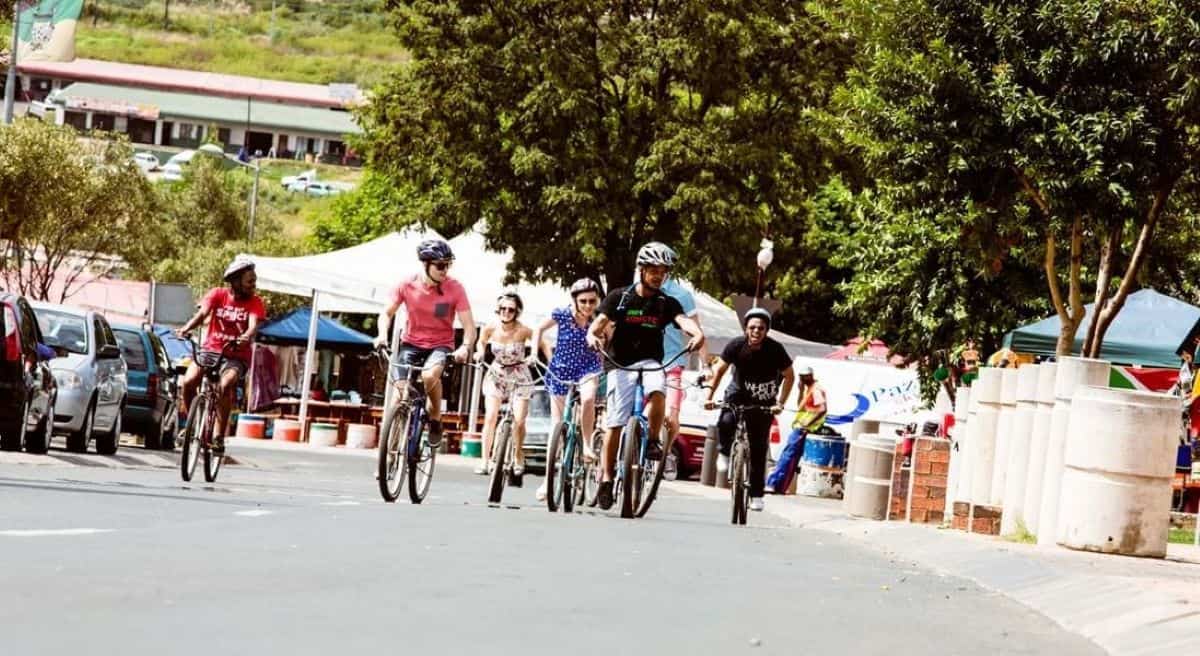
Image Credit southafrica.net
There is a spine‑tingling magic when a destination truly captures the world’s heart. Now South Africa is experiencing a momentum that draws wide‑eyed wanderers from every ocean. Walking through South Africa’s streets or standing before South Africa’s majestic landscapes feels like stepping into a living storybook. Travelers are not just visiting South Africa; they are falling deeply in love with South Africa’s soul, South Africa’s warmth and South Africa’s unstoppable rhythm. This is a deeply emotional renaissance, for a country that knows how to make every single visitor feel like they belong.
Analyzing the Comprehensive Expansion and Record-Breaking International Arrival Metrics Recorded Throughout the Year
Reports from the Department of Tourism indicate that more than 7.5 million international tourists visited the country between January and August 2026. This incredible milestone highlights a robust recovery that resonates deeply across the international travel sector, proving that global wanderlust remains exceptionally high. Visitors from every corner of the earth are looking toward diverse, long-haul destinations that promise both safety and extraordinary natural beauty. Consequently, tourism boards and hospitality networks are continuously updating their operational strategies to accommodate this steady influx of curious explorers.
Advertisement
Advertisement
August arrivals alone surpassed the monumental milestone of 1 million visitors, representing a notable 7.4% year over year increase. Such figures signal continuous, unwavering demand from major overseas markets that have traditionally fueled long-haul travel itineraries across the globe. Additionally, this remarkable surge during a traditionally quieter travel window demonstrates that seasonal patterns are shifting. Travelers are increasingly willing to explore distant territories outside of peak holiday periods, which helps distribute economic benefits more evenly throughout the entire calendar year.
Delving deeper into these metrics, the geographic distribution of travelers reveals fascinating patterns in global mobility and destination preference. The United States led overseas arrivals with exactly 37,134 visitors choosing to explore the region, closely followed by the United Kingdom contributing 25,749 arrivals, and Germany accounting for 14,731 travelers. For international travelers, this surge suggests that popular routes may experience higher booking densities, encouraging early reservations and thoughtful itinerary planning. Moreover, as these key source markets pour travelers into South Africa, global airlines and hospitality networks are taking note, which will likely result in more competitive flight offerings and refined global travel packages in the near future.
Advertisement
Advertisement
Furthermore, this detailed breakdown of visitor nationalities illustrates how crucial targeted international marketing campaigns have become for modern destination management organizations. By understanding where the highest volume of interest originates, local tourism authorities can better tailor promotional efforts, linguistic resources, and cultural orientation programs. Consequently, incoming tourists experience a smoother transition upon arrival, feeling warmly welcomed and thoroughly supported throughout their entire holiday. This meticulous attention to demographic data ensures that future tourism strategies remain both effective and deeply aligned with global traveler expectations.
Transforming Tremendous Visitor Inflows Into Sustainable Economic Opportunities and Vital Infrastructure Investments
Advertisement
Advertisement
While visitor statistics capture immediate attention, the broader narrative centers heavily on long-term structural development and community empowerment. Leadership within the Department of Tourism emphasizes that the primary objective moving forward is converting this rising demand into substantial investment, stable jobs, and meaningful economic opportunities for local communities. This strategic transition places accommodation facilities, recreational attractions, modern transport networks, and general tourism infrastructure firmly in the spotlight. For the international travel community, this means that destinations within South Africa are preparing to elevate service standards, modernize transit systems, and expand high-quality lodging choices.
Beyond immediate aesthetic upgrades, these strategic infrastructure investments are designed to create lasting, generational benefits for local residents who power the service sector. By channeling capital into regional transport links and eco-friendly hospitality projects, the government ensures that tourism growth directly translates into improved living standards and diversified local economies. Consequently, travelers who choose to spend their hard-earned money in South Africa can take comfort in knowing their journeys support equitable community development. This alignment of economic incentives fosters a deeply ethical framework for international travel, where commercial success and social responsibility reinforce one another seamlessly.
Ultimately, this localized development directly enhances the overall visitor experience, ensuring that future travelers enjoy seamless journeys and world-class amenities. As South Africa is officially ranked among the 20 best-performing global destinations in the first-half data released by UN Tourism, the central focus shifts toward maximizing economic value around its expanding visitor base. For global tourists, visiting a top-tier destination that actively invests in sustainable community growth guarantees that their travel expenditures contribute positively to local economies. This mutual benefit enriches cultural exchanges, fosters responsible tourism practices, and cements the destination’s reputation as a progressive leader in the modern international travel economy.
In addition to elevating service quality, this prestigious global ranking serves as a powerful catalyst for continuous innovation across the entire hospitality sector. Service providers are increasingly adopting cutting-edge booking technologies, green energy solutions, and personalized guest services to meet the discerning standards of international visitors. As a result, the entire travel ecosystem evolves into a more resilient, transparent, and guest-centric network. Travelers venturing into South Africa will consequently encounter an exceptionally sophisticated tourism product that harmonizes cutting-edge modern convenience with authentic, soul-stirring cultural heritage.
Advertisement
Advertisement
Evaluating the Substantial Economic Contribution and Gross Domestic Product Impact Generated by Expanding International Visitor Volumes Throughout the Region
The tourism sector directly and indirectly contributed approximately 8.2% to the national Gross Domestic Product, generating over $24 billion in total economic activity and proving its role as a vital pillar of financial stability. This remarkable financial milestone demonstrates the deep-seated economic resilience of South Africa, showing that modern travel serves as a powerful macroeconomic catalyst. Every dollar spent by international travelers ripples across intricate supply chains, providing essential financial support to domestic agriculture, retail networks, and manufacturing sectors nationwide.
Beyond immediate monetary transactions, this extensive financial integration ensures that economic gains are widely distributed across various commercial layers. Local enterprises and large-scale providers alike benefit from the continuous influx of foreign currency, fostering a stable environment for ongoing commercial development. Consequently, international travelers visiting South Africa can appreciate that their expenditures contribute meaningfully to a thriving, diversified national economy.
Examining the Exponential Growth in Local Job Creation and Small Business Empowerment Driven by Surging Hospitality and Service Demands
The industry supported over 750,000 direct jobs and nearly 1.4 million total jobs, with small and medium-sized enterprises accounting for nearly 70% of all tourism-related employment. This widespread employment generation highlights how community-based tourism ventures and independent entrepreneurs are directly benefiting from the steady influx of global travelers. Workers across urban centers and rural districts alike find sustainable livelihoods within the expanding hospitality ecosystem, ranging from artisanal craft markets to boutique safari lodges.
Furthermore, this robust job market empowers local families and encourages skill development across diverse operational fields. As service demands increase, regional training programs elevate professional standards, ensuring that employees deliver exceptional guest experiences. Ultimately, travelers journeying through South Africa encounter a workforce whose professional growth and economic security are directly nurtured by vibrant tourism activities.
Advertisement
Advertisement
Investigating the Rapid Acceleration of International Aviation Recovery and Strategic Flight Route Expansions Connecting Major Global Hubs
International seat capacity increased by 12.5% year over year, with key airlines introducing 14 new direct flight routes connecting primary European and North American gateways directly to regional airports. This substantial improvement in global connectivity makes long-haul travel significantly more accessible and attractive for international vacationers planning complex itineraries. Passengers benefit from reduced travel times, increased scheduling flexibility, and more competitive pricing structures across major aviation corridors.
Moreover, these expanded flight routes facilitate smoother transitions for visitors eager to explore distant regions without encountering frustrating logistical bottlenecks. As global carriers continue to strengthen their ties with South Africa, the overall accessibility of the destination reaches unprecedented heights. This seamless air network ensures that global tourists can embark on their dream vacations with absolute confidence and ease.
Highlighting the Pivotal Integration of Sustainable Eco-Tourism Practices and Direct Financial Contributions to Critical Wildlife Conservation Programs
National parks and private reserves reported a 15.4% increase in conservation fee revenues, channeling over $45 million directly into anti-poaching units, habitat restoration, and biodiversity projects. Eco-conscious travelers discover that their financial investments play a direct, measurable role in protecting endangered wildlife and preserving fragile natural ecosystems. This harmonious balance between commercial leisure and environmental stewardship guarantees that future generations will continue to enjoy the breathtaking natural heritage of South Africa.
Additionally, conservation-focused tourism fosters a deep sense of environmental responsibility among international visitors and local operators alike. Educational safari programs and community-led conservation initiatives deepen the traveler’s understanding of ecological preservation. Consequently, every journey becomes a meaningful act of environmental defense, aligning personal adventure with global conservation goals.
Advertisement
Advertisement
Analyzing Changing Travel Behaviors Reflected in Extended Visitor Lengths of Stay and Higher Daily Spending Averages Across Key Regions
The average length of international tourist stays increased to 10.2 nights, while average daily expenditure per visitor rose by 8.8% to approximately $1,450 per trip. These evolving travel patterns show that tourists are exploring deeper into regional provinces rather than sticking exclusively to major metropolitan hubs, spreading economic wealth wider. Travelers are increasingly taking the time to immerse themselves in regional cultures, historical landmarks, and lesser-known scenic routes.
This shift toward longer, more immersive journeys allows visitors to experience the destination’s authentic character far beyond standard tourist hotspots. As travelers linger longer in South Africa, local economies capture sustained financial support, enabling regional communities to invest in public amenities and cultural preservation. This trend underscores a maturing global travel market that values deep engagement over hurried sightseeing.
Reviewing Record-Breaking Hotel Occupancy Rates, Comprehensive Accommodation Upgrades, and Major International Hospitality Capital Investments
Average nationwide hotel and lodge occupancy rates reached 71.6% during the August period, accompanied by $320 million in announced foreign direct investments for new boutique hotel developments. These impressive metrics reflect robust investor confidence in the destination’s long-term lodging sector and guarantee high service standards for incoming guests. Modernized accommodations, ranging from luxury eco-lodges to urban design hotels, cater to the diverse preferences of global travelers.
Such capital injections also drive architectural innovation and sustainable building practices throughout the hospitality industry. Visitors booking accommodations in South Africa can expect state-of-the-art amenities, impeccable hospitality, and environmentally responsible lodging designs. This continuous upgrading of physical infrastructure elevates the country’s competitive standing on the world stage.
Advertisement
Advertisement
Tracking the Successful Decentralization of Tourist Traffic and Surging Visitor Growth Across Secondary Provinces and Rural Cultural Sites
Secondary provinces outside traditional urban centers experienced a 19% surge in regional foot traffic, with cultural heritage sites recording over 2.1 million domestic and international visits. This distribution illustrates a balanced tourism model that prevents over-tourism in capital cities while enriching the visitor experience through authentic local heritage. Travelers seeking unique, off-the-beaten-path experiences find profound fulfillment in exploring rural museums, historical trails, and community arts centers.
By venturing beyond the usual tourist corridors, visitors gain a richer, more comprehensive understanding of the nation’s diverse cultural tapestry. This decentralized approach ensures that economic advantages reach remote villages and lesser-known historical districts within South Africa. Consequently, regional heritage is celebrated, protected, and shared proudly with an appreciative global audience.
Investigating the Rapid Digital Transformation of Tourism Services Through Mobile Applications, Smart Booking Platforms, and Enhanced Digital Infrastructure
Online bookings and digital travel platform transactions grew by 27%, with over 82% of international tourists utilizing mobile applications for itinerary planning, ticketing, and navigation. This digital evolution streamlines the modern travel experience, offering visitors seamless, contactless, and efficient journey management from anywhere in the world. Tourists can effortlessly secure reservations, access real-time local guides, and navigate complex transit systems using intuitive smartphone tools.
Furthermore, digital integration reduces administrative friction and enhances transparency across all tourism touchpoints within South Africa. Travelers enjoy greater autonomy, personalized recommendations, and instant communication with service providers. This technologically advanced ecosystem ensures that journeys remain smooth, stress-free, and thoroughly optimized for contemporary explorers.
Advertisement
Advertisement
The Final Verdict
As your journey through South Africa slowly comes to an end a quiet warmth stays inside your chest. It’s hard to pack up and leave a place that becomes part of you without trying. The golden light that touches the hills the laughter shared with people who turn into family in a few hours every single moment leaves a mark. You arrived as a traveler with curiosity in your eyes. You are leaving with a piece of South Africa, in your heart. A promise that even when you’re away your soul will remember. Remember the beauty. Remember the rhythm. Remember the spirit. This land this land will always stay with you. You won’t forget it. Not ever.
Advertisement
