
Nicaragua Green Season Opens Secret Islands Forests and River Routes

Published
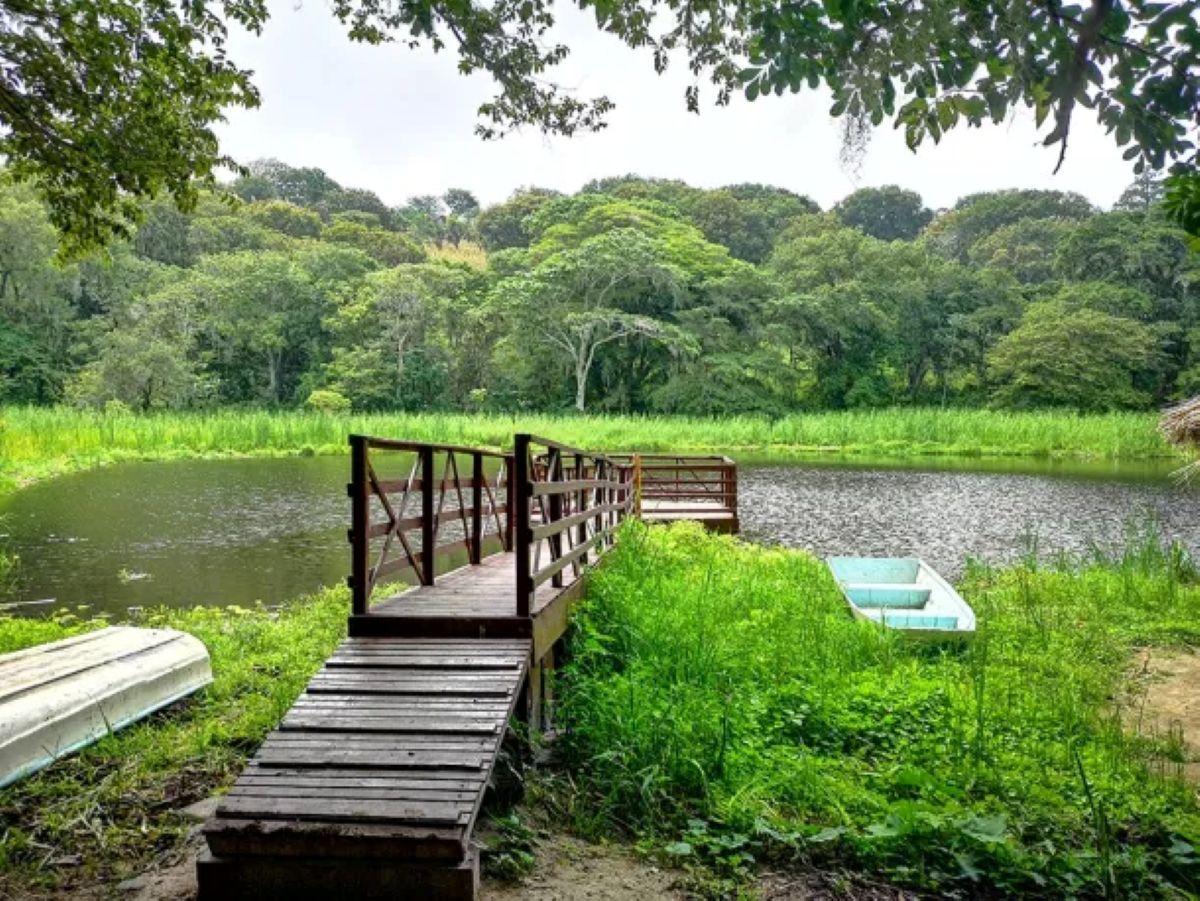
image credit: unesco
October is one of Nicaragua’s wettest months. Many travellers look away when they see rain in the forecast. That may be a mistake. Nicaragua changes in October. Its forests turn bright green. Waterfalls grow stronger. Rivers rise. Small villages feel alive. The country offers a different kind of holiday for people who want nature, art and quiet places.
This is not the best month for a rushed beach plan. Heavy rain can slow road travel. Rural paths can become muddy. Boat journeys may change with the weather. But for careful travellers, October opens a less crowded side of Nicaragua. It offers a chance to see places that are often missed by visitors who only travel in the dry season.
October Creates a Different Nicaragua
Nicaragua’s rainy season usually runs through October. September and October can bring the heaviest rain. This means travellers need to plan well. They should check local weather. They should confirm transport before leaving. They should keep extra time in their plan.
Yet the rain also gives Nicaragua its power. Trees become fuller. Hills turn deep green. Clouds sit over high mountains. Wetlands fill with water. The country looks fresh and wild.
This is the real October tourism message. Nicaragua is not only about sunny beaches, busy surf towns and famous volcanoes. It is also about cloud forests, art islands, rivers, farms and small communities.
Río Coco Geopark Gives Northern Nicaragua a Strong New Tourism Story
The Río Coco UNESCO Global Geopark in the northern department of Madriz gives Nicaragua a major geotourism opportunity. It is the country’s first UNESCO Global Geopark. The area connects land, rocks, rivers, local culture and rural life.
This is important because geotourism can create income for local people. Visitors can learn how the landscape was shaped over time. They can visit communities. They can support guides, small food businesses and family stays.
The nearby Somoto Canyon adds a dramatic nature angle. Its steep rock walls and river routes have made it one of northern Nicaragua’s most striking places. In October, the scenery can look especially powerful after rain. But safety must come first. Water levels can rise quickly. Visitors should only join activities when local guides say conditions are safe.
The stronger story is not danger. It is responsible adventure. Nicaragua can show how its natural places can welcome visitors while protecting people and the land.
Advertisement
Advertisement
Miraflor Offers Quiet Cloud Forest Travel
Near Estelí, the Miraflor area offers a calmer kind of escape. It is a place for green hills, farms, flowers, birds and cool air. October rain makes its forests and fields look even more alive.
Miraflor gives travellers a chance to slow down. They can stay with local families. They can taste food made nearby. They can learn about farming. They can walk with local guides. They can see how rural life and nature meet.
This is a strong tourism angle because it moves spending away from the usual visitor centres. It helps small communities earn directly from travel. It also gives visitors a simple and real experience. They do not need a large resort. They need good boots, a rain jacket and time.
Advertisement
Advertisement
Solentiname Islands Bring Art and Nature Together
The Solentiname Islands are one of Nicaragua’s most special hidden tourism stories. They sit in Lake Nicaragua. The islands are known for quiet waters, birdlife, fishing families and colourful art.
Local artists have built a strong identity through paintings and balsa-wood carvings. Their work often shows birds, animals, plants and village life. This makes Solentiname more than a nature stop. It is a place where visitors can meet the culture of the islands through art.
October can suit travellers who want peace. Rain may shape the day, but it also adds to the island mood. The sound of rain, birds and water becomes part of the experience.
Visitors should plan ahead. Boat services and visits with artists may be limited. It is better to arrange stays and local guides before arrival. This helps travellers avoid problems and gives local businesses more certainty.
Río San Juan and El Castillo Offer a River Journey Beyond the Main Route
El Castillo and the Río San Juan corridor offer another overlooked side of Nicaragua. This is a river journey shaped by history and nature. The town of El Castillo is known for the Fortress of the Immaculate Conception. The old fort stands above the river and tells part of the country’s colonial past.
But the bigger tourism draw is the river itself. It leads through a landscape of forest, wetlands and wildlife. The wider area connects with the important natural systems around Indio Maíz and the Mesoamerican Biological Corridor.
October gives this route a strong visual identity. The river is full. The forest is green. The journey feels far from city life. It can attract travellers who want river travel, birdwatching and small-town history.
It should not be sold as an easy last-minute trip. Weather and transport matter. Visitors need reliable local advice. But that is also why the route feels special. It asks people to travel slowly and carefully.
Bosawás Shows Why Community Tourism Matters
Bosawás Biosphere Reserve is one of Nicaragua’s biggest nature stories. UNESCO describes it as a vast area of humid and cloud forest. It holds important plants, wildlife and water systems. It is also connected to the knowledge and lives of Indigenous communities.
Bosawás should never be treated like a simple tourist attraction. It is a sensitive living landscape. Responsible tourism must respect local communities, local rules and conservation needs.
The best angle is community-led nature tourism. Visitors can learn from people who know the forests and rivers deeply. Tourism can support local livelihoods when it is planned with communities, not forced on them.
A Smart October Trip Needs Care
Nicaragua in October is for travellers who want the country at its greenest. It is not for people who expect every day to be dry and easy. Heavy rain can disrupt rural roads, hikes and boat journeys.
Travellers should check transport each day. They should use local guides. They should carry travel insurance that covers their activities. They should read the latest official travel advice before booking. They should leave room for weather changes.
For those who plan well, October can reveal Nicaragua at its most surprising. The rain does not hide the country. It brings its forests, rivers, islands and rural communities into stronger view.
Advertisement
