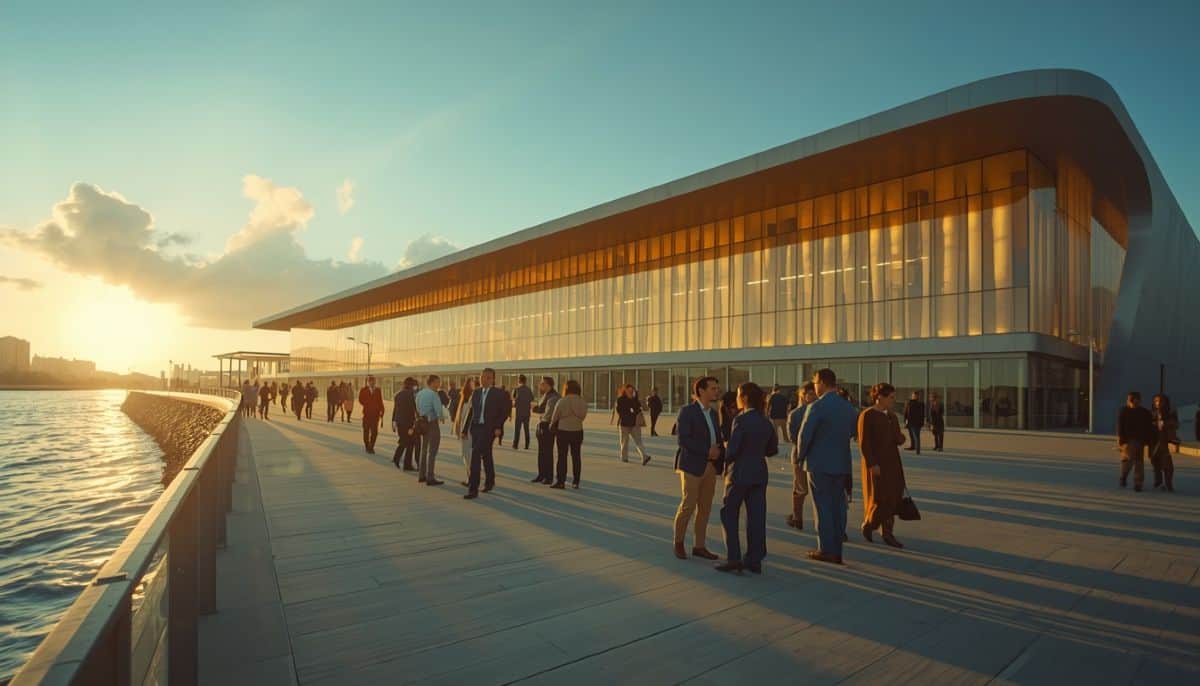
Image generated with Ai
In an era dominated by automated search engine results, algorithmic booking engines, and digital travel aggregators, the true essence of human discovery risks being overshadowed by endless data feeds. Travel professionals, agency executives, and global tourism stakeholders gathering at the ANATO National Congress face an urgent imperative to re-evaluate how authentic journeys are designed, marketed, and delivered. This critical turning point forms the cornerstone of the monumental gathering in Colombia’s vibrant Caribbean hub. As industry leaders converge on the coastal metropolis for a landmark industry milestone, attention is firmly fixed on strategies that restore human connection, emotional resonance, and genuine cultural immersion to modern itineraries.
For tourism executives, independent agency owners, and hospitality innovators seeking to future-proof their operations against digital commodification, understanding the shifting paradigms of high-value travel has never been more vital. Modern travelers no longer seek generic, algorithmically generated vacation packages; instead, profound experiential travel that leaves a lasting emotional footprint is demanded. This comprehensive briefing analyzes the core themes, strategic dialogues, and economic implications of the upcoming ANATO milestone event, providing industry insiders with the actionable intelligence required to navigate the next decade of tourism evolution successfully.
Advertisement
Marking its historic 30th anniversary, the National Congress of Travel and Tourism Agencies represents an extraordinary milestone in Latin American tourism history. Over the past three decades, the association has steered the nation’s travel sector through profound economic shifts, technological revolutions, and global market transformations. Statistical data published by official national tourism authorities and trade registries highlight that organized travel agencies account for a substantial share of inbound and domestic tourism revenue, acting as vital economic multipliers across regional economies.
The selection of the Puerta de Oro Events Center as the official venue underscores Barranquilla’s burgeoning status as a world-class destination for major international conventions and trade exhibitions. Designed by renowned architectural firms to maximize panoramic views of the Magdalena River, the venue provides cutting-edge facilities, expansive exhibition halls, and sustainable building engineering that aligns perfectly with global environmental standards. Attendees on August 27 and 28 will engage in high-level plenary sessions, specialized workshops, and B2B networking forums designed to cultivate resilient business models across the sector.
Advertisement
The central theme of the 30th edition—“Beyond the algorithm, trips that leave a mark”—directly confronts the digitization paradox currently confronting travel agencies worldwide. While online travel agencies (OTAs) and artificial intelligence recommendation engines have democratized trip booking, they have simultaneously commoditized travel itineraries, reducing complex cultural landscapes to standardized, algorithmic checkboxes. Industry analysts emphasize that modern consumers, particularly among affluent millennial and Generation Z demographics, increasingly express digital fatigue and seek hyper-personalized, transformative journeys.
To maintain competitive advantage in this shifting landscape, traditional and modern travel agencies are urged to leverage human expertise, local insight, and ethical storytelling. Rather than competing directly with automated search tools on speed and price, agencies are positioned as master architects of meaning. By forging direct alliances with indigenous communities, conservation projects, and heritage preservation initiatives, agencies can construct itineraries that offer genuine cultural exchange and environmental sustainability, ensuring that tourism dollars directly benefit host destinations while leaving indelible, positive memories for travelers.
Beyond conceptual discussions on experiential travel, the two-day congress serves as an intensive incubator for commercial agreements, regulatory dialogue, and public-private cooperation. According to economic impact assessments released by regional development agencies, large-scale trade conventions generate significant temporary employment, boost hotel occupancy rates, and stimulate local gastronomy and transport sectors throughout the host department.
Key panel discussions scheduled throughout the event will focus on regulatory frameworks for sustainable tourism, aviation connectivity across secondary markets, and the integration of ethical data practices within agency operations. Government delegates, airline executives, and tourism ministers will collaborate to formulate unified strategies addressing climate resilience, heritage conservation, and inclusive economic growth. Through structured networking sessions and collaborative masterclasses, participants will acquire practical tools to elevate service quality, optimize operational efficiency, and champion responsible travel practices globally.
As the 30th edition of the ANATO National Congress concludes in Barranquilla, the collective roadmap for the travel and tourism sector becomes sharply defined. The imperative to look beyond algorithmic efficiencies in favor of deeply emotional, culturally resonant, and sustainable travel experiences has been firmly established as the industry’s defining standard. Travel agencies that embrace this human-centric philosophy will undoubtedly lead the market into a prosperous, meaningful future.
Advertisement
Advertisement
Advertisement













Friday, September 4, 2026

Friday, September 4, 2026

Friday, September 4, 2026

Thursday, September 3, 2026

Wednesday, September 2, 2026

Friday, September 4, 2026

Friday, September 4, 2026