
Colombia Protects Ancient Rural Traditions As Travel Visitors Journey Through Filandia And Zapatoca Into The Wild

Published
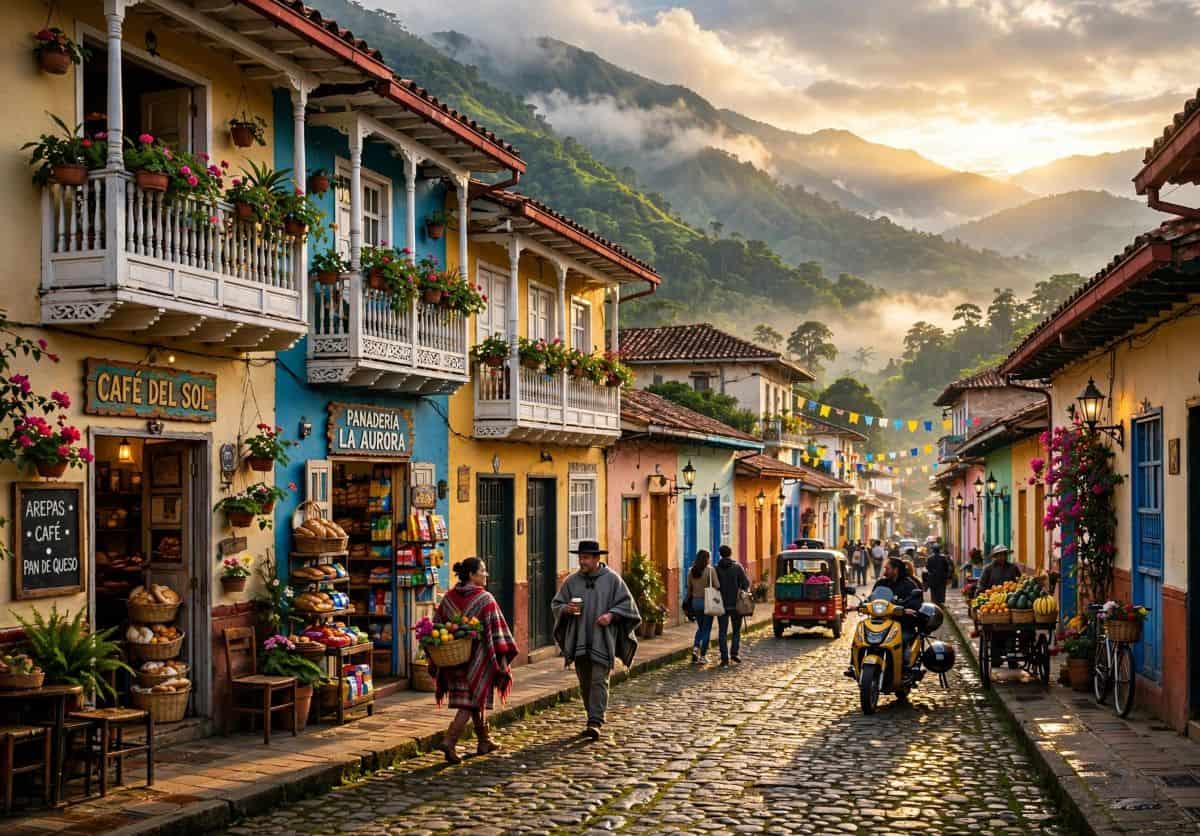
Image generated with Ai
Five multi-purpose rural municipalities that successfully combine rural living with agrarian and indigenous traditional practices while still preserving the environment are shown below. Traveling to these Andean foothills showcases traditional practices and customs that date back to the past and most likely will even outlive future fads. Visiting these places speaks most of all to the local community as the most important part of sustainable travel to rural Colombia, which has the most positive impact on the local economy and rural Colombia. This type of rural tourism also helps offset the urbanization urge that is slowly but surely destroying and eroding native architecture and indigenous methods.
How Does High-Altitude Murillo in Tolima Protect Its Volcanic Páramo and Ancient Wax Palms?
Advertisement
Advertisement
Nestled in the high Andean moorlands right at the foot of the snow-capped Nevado del Ruiz volcano at over 3,000 metres above sea level, Murillo stands as an ultimate bastion of high-altitude resilience. This staggering geography creates an intense environment where local communities thrive against freezing winds and breathtaking vertical drops. Visitors who ascend these mist-laden paths immediately notice how daily survival intertwines with profound ecological stewardship throughout the region.
Murillo is an agricultural powerhouse centred heavily around potato harvesting, traditional dairy farming, and artisan craftsmanship. It won global acclaim when it was named among UN Tourism’s Best Tourism Villages, celebrating its dedication to ecological balance. Visitors stay in colourful wooden alpine-style houses and participate in the Concurso de la Arriería mule-driving heritage contests. Community-led initiatives focus on regenerative tourism, including reforesting native wax palm forests, protecting the Los Nevados National Natural Park, and eliminating single-use plastics across the municipality.
Advertisement
Advertisement
Why Is Choachí in Cundinamarca Celebrated for Its Subtropical Valleys and Peasant Heritage?
Advertisement
Advertisement
Located just east of Bogotá in the Eastern Cordillera of the Andes, Choachí transitions sharply from cold high-altitude plateaus down to lush, subtropical river valleys. This dramatic ecological drop provides a rich canvas where diverse microclimates yield everything from high-altitude root vegetables to sun-drenched exotic fruits. Travelers traversing these winding mountain roads witness a landscape defined by tireless agricultural graft and rich community bonds.
Historically bound to agrarian production, floriculture, and small-scale livestock farming, Choachí represents the resilience of Cundinamarca’s peasant culture, balancing proximity to the capital with deeply rooted rural traditions. This municipality is famously known for its agricultural routes, natural hot springs, and eco-parks like the breathtaking Chorro de Padilla waterfall. Visitors engage in agrotourism by touring local family-run raw cane sugar mills and organic vegetable farms, directly supporting the robust rural cooperative economy.
What Makes Filandia in Quindío the Ultimate Living Museum of the UNESCO Coffee Landscape?
Advertisement
Advertisement
Perched high on a ridge in the heart of the Coffee Cultural Landscape, Filandia remains an untouched jewel within a designated UNESCO World Heritage site. The town commands panoramic vistas of sweeping green valleys where mist kisses the ripening coffee cherries every single morning. This visual masterpiece serves as a living gallery for traditional Antioquian colonisation architecture and colourful wooden balconies.
Filandia represents the quintessential coffee-farming village, maintaining a slower, highly authentic pace where the daily rhythm is dictated by coffee pruning, harvesting, and basket weaving. Travelers stay in traditional rural coffee fincas, learning the complete seed-to-cup coffee cycle directly from generational farmers. The community operates localised handicraft workshops, preserving indigenous-influenced bejuco vine weaving techniques while practicing sustainable water and soil conservation.
Advertisement
Advertisement
How Does Zapatoca in Santander Maintain Its Arid Canyons and Artisanal Cacao Culture?
Known widely as the “Town of the Open Hand,” Zapatoca sits in a dry, dramatic mountainous canyon carved meticulously by the Suárez River in northern Santander. This unique microclimate grants the region an eternal spring atmosphere, contrasting sharply with the humid lowlands surrounding it. Ancient pathways carved into stone tell tales of indigenous Guane settlements that once ruled these sun-baked cliffs.
Characterised by its colonial architecture built with rammed earth and stone-paved pathways, Zapatoca relies on an economy of small-scale fruit cultivation, tobacco farming, and handcrafted cigar and leather production. Guided trekking along historic indigenous trails connects rural hamlets to natural geological wonders like the La Cuevona cave and the Suárez River canyons. Agrotourism itineraries allow visitors to witness traditional artisanal cacao processing and handmade weaving alongside respected local elders.
Why Do Travelers Fall Instantly for the Cloud Forests and Arriero Culture of Jardín in Antioquia?
Tucked away safely in the rugged mountains of southwestern Antioquia, Jardín is surrounded by steep cliffs, dense cloud forests, and cascading waterfalls. The air here carries the rich scent of freshly roasted mountain coffee and damp earth. Every corner of this vibrant settlement explodes with colour, from the bright horse-blankets of passing riders to the meticulously tended flower boxes lining every balcony.
Advertisement
Advertisement
Jardín is renowned for its strikingly well-preserved colonial heritage, featuring bright balconies, a central plaza filled with coffee tables, and traditional mule-driver culture. Travelers take historical horseback rides through misty cloud forests to the Cueva de los Guácharos or visit local sustainable trout farms. Rural community tourism highlights flower cultivation and eco-friendly coffee management driven by multi-generational farming cooperatives.
Comparative Overview of Colombia’s Five Rural Flagships
| Municipality | Department | Core Geographical Feature | Primary Rural Economy | Key Community Tourism Focus |
| Murillo | Tolima | Volcanic Páramo & Glacial Valleys | Potato Farming & Dairy | Wax Palm conservation & Arriería culture |
| Choachí | Cundinamarca | Andean Slopes & Subtropical Valleys | Mixed Agriculture & Panela | Agrotourism, hot springs, & local cooperatives |
| Filandia | Quindío | Coffee Triangle Ridges | Coffee Production & Bejuco Weaving | Farmstays (fincas) & sustainable coffee processing |
| Zapatoca | Santander | Arid Canyon & River Valleys | Cacao, Fruit, & Handcrafts | Geological trekking & artisanal cacao/tobacco tours |
| Jardín | Antioquia | Steep Western Andean Mountains | Coffee, Trout, & Floriculture | Cloud-forest conservation & traditional arriero lifestyle |
How Innovative Digital Connectivity and Smart Rural Governance Transform Remote Mountain Tourism Destinations
Remote mountain municipalities increasingly leverage digital innovation and smart administrative frameworks to streamline visitor experiences while safeguarding local community interests. Modern governance models integrate digital booking systems for community-led lodging, ensuring transparent resource distribution and preventing overcrowding in fragile ecological sectors. Local cooperatives utilize mobile technology platforms to market artisan crafts directly to global consumers, effectively eliminating exploitative middleman markups.
Furthermore, community-driven digital hubs provide real-time updates on trail conditions, weather shifts, and conservation guidelines, ensuring that tourism flows remain safe and orderly. By embracing digital infrastructure thoughtfully, villages preserve their authentic slower-paced lifestyles while successfully engaging with tech-savvy international travelers. Consequently, smart rural management bridges the gap between historical preservation and modern traveler expectations, ensuring long-term destination viability.
Advertisement
Advertisement
Why Multigenerational Oral History and Folklore Preservation Deeply Anchor Cultural Identity in Andean Villages
The preservation of intangible cultural heritage relies heavily on the active transmission of oral histories, traditional music, and regional folklore across generations. Elders within these historic settlements act as living archives, recounting tales of ancestral struggles, indigenous wisdom, and community resilience during evening gatherings. These narratives shape the collective soul of the village, ensuring that younger residents remain deeply connected to their historical roots.
Community storytelling initiatives and local cultural festivals provide structured platforms for youth to perform traditional dances, play indigenous instruments, and share regional legends with curious visitors. This intentional cultural continuity shields local populations against the homogenizing impacts of mass commercial media and standard globalization. Ultimately, safeguarding oral folklore ensures that every visitor’s journey transcends superficial sightseeing, offering profound insight into the spiritual identity of the region.
How Renewable Micro-Energy Grids and Advanced Circular Waste Systems Power Eco-Friendly Rural Communities
Sustainable infrastructure development requires innovative approaches to energy independence and waste management, particularly in isolated high-altitude environments. Forward-thinking villages deploy small-scale solar micro-grids and hydroelectric setups that harness natural geographical features without disrupting local river ecosystems or wildlife paths. These clean energy solutions drastically reduce reliance on fossil fuels, cutting carbon footprints across remote mountain communities.
Advertisement
Advertisement
Concurrently, comprehensive circular waste systems emphasize composting, organic recycling protocols, and strict bans on single-use plastics within local commercial establishments. Community-led clean-up campaigns engage both residents and visiting travelers, fostering a shared sense of environmental accountability. By mastering self-sustaining resource cycles, these rural destinations demonstrate how off-grid settlements can achieve complete ecological harmony.
What Crucial Role Do Traditional Healing Botanicals and Ancestral Medicine Trails Play in Community Wellness?
Andean and tropical ecosystems harbor an astonishing array of medicinal plants that have served as the foundation of rural healthcare for centuries. Local herbalists and traditional healers maintain extensive botanical knowledge, cultivating sacred gardens filled with therapeutic flora used to treat various ailments. Guided wellness walks along historic medicinal trails allow travelers to learn directly about native remedies and holistic healing philosophies.
This specialized form of wellness tourism emphasizes deep psychological relaxation and physical rejuvenation through direct immersion in restorative natural soundscapes and clean mountain air. By valuing ancestral pharmacology, villages create alternative revenue streams that incentivize the protection of native forests over commercial deforestation. Consequently, traditional healing practices become a vital pillar of both community health and sustainable economic survival.
How Dedicated Artisan Craft Guilds and Cooperative Design Workshops Protect Endangered Indigenous Textile Traditions
Advertisement
Advertisement
Textile artistry and material craftsmanship represent profound expressions of cultural identity, safeguarded meticulously by organized local artisan guilds. These cooperatives regulate material sourcing, ensuring that natural dyes, organic wool, and wild-harvested fibers are gathered through sustainable, eco-friendly methods. Master weavers pass down complex geometrical patterns and symbolic motifs that tell visual stories of indigenous ancestry and landscape reverence.
Cooperative design workshops invite travelers to engage in hands-on crafting sessions, fostering mutual respect for the immense labor and artistic precision required. By establishing direct-to-consumer economic models, these guilds guarantee fair compensation for every artisan, elevating handcrafts from mere souvenirs to valued cultural art forms. Ultimately, supporting craft cooperatives preserves invaluable manual skillsets while ensuring financial security for rural families.
The Final Verdict
The rural communities of Colombia show that community-led initiatives can protect and preserve traditional farming practices and fragile ecosystems and heritage of rural, indigenous communities from the pressures of modernization. Focussed on regenerative environmental defense, equitable cooperative economics, and real cultural preservation, the municipalities of Murillo, Choachí, Filandia, Zapatoca, and Jardín are true innovators of intention-led international travel. Conscious travelers will protect and preserve these rural communities and their vibrant color for future generations to come.
Frequently Asked Questions
Advertisement
Advertisement
What makes Colombia’s rural villages globally recognized?
Colombia’s rural villages earn global accolades like UN Tourism’s Best Tourism Villages due to exceptional natural assets, cultural preservation, and rigorous commitments to environmental sustainability.
How does rural tourism impact local communities positively?
Sustainable village tourism generates alternative local incomes, protects endangered ecosystems like wax palms, and keeps ancestral artisan crafts alive for younger generations.
Are these five municipalities accessible for independent travelers?
Yes, destinations like Murillo, Choachí, Filandia, Zapatoca, and Jardín feature established community-led networks, local guesthouses, and scenic transport links from major Colombian hubs.
Advertisement
