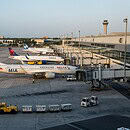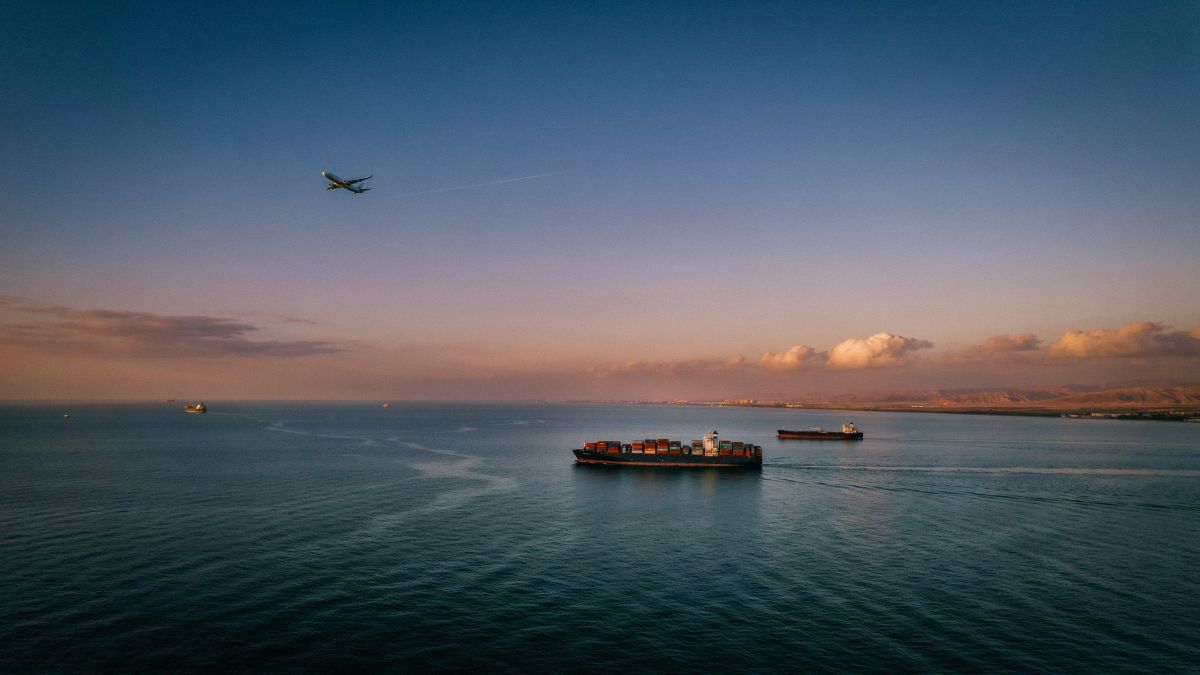
Image generated with Ai
France is spearheading the efforts towards peace in the Strait of Hormuz in order to safeguard travel and tourism in Europe amid the Gulf crisis which has led to increased risks globally in terms of transport. The sea passage plays a significant role in transportation through energy and long-distance flights. Hence, France is advocating for peace and safe passage in order to alleviate risks to travelers, air companies, and urban economics. Peace in the Strait of Hormuz would enable the maintenance of flying paths, costs control and regain visitor trust. The peace initiative is relevant since European travel and tourism rely on security in energy and transport.
Europe’s response is no longer limited to calls for calm. It now has three connected parts. The first is diplomacy. European governments are working with Gulf states, the United States, Iran and regional mediators to support a lasting settlement.
The second is maritime security planning. France and Britain have led work on a possible international mission to support safe commercial navigation when political and security conditions allow. Germany and Italy have also prepared specialist capabilities, especially for mine clearance and maritime safety.
The third is economic protection. The European Union is looking at energy routes, supply chains, fuel security and inflation risks. This matters because the Strait of Hormuz affects far more than oil tankers. It influences aviation fuel, airline costs, long-haul flight networks, freight prices, hotel demand and traveller confidence.
Advertisement
The message from Europe is strong. Peace in the Gulf can help protect holidays and business travel thousands of kilometres away.
Britain and France have taken the most visible European role in the effort to reopen and protect maritime routes. They jointly backed an international initiative focused on freedom of navigation through the Strait of Hormuz.
In April 2026, France hosted an international conference in Paris on maritime navigation in the Strait. France said 51 countries took part. The meeting showed that the crisis had become a global concern, not only a Gulf issue.
The planned mission has been described as defensive. Its purpose is not to create another conflict. Its purpose is to give commercial ships, crews and energy carriers more confidence to move safely when conditions permit.
Advertisement
Advertisement
This distinction is important. European governments are not saying normal shipping can restart immediately during heavy fighting. They are saying that diplomacy, a political framework, maritime reassurance and mine clearance may be needed before traffic can return at scale.
For airlines and tourism businesses, that careful approach matters. A peace announcement may improve confidence, but it does not instantly restore normal fuel supplies, flight schedules or shipping patterns.
Germany and Italy have played an important supporting role in the European response. Their contribution is especially linked to mine-countermeasure work and commercial-navigation safety.
Germany called for safe commercial movement through the Strait and prepared mine-countermeasure vessels for a possible mission. However, any deployment would require a proper legal basis, parliamentary approval and a broader operational plan.
Italy also backed diplomacy, safe commercial passage and mine-clearance planning. It discussed the impact of the crisis on energy, raw materials, fertiliser, food security and economic growth.
Mine clearance may sound like a narrow military task. In reality, it has a much wider effect. Shipping companies may avoid a route if they believe mines or other threats remain. This can delay cargo, raise costs and reduce the willingness of shipowners to use the waterway.
That is why maritime safety is closely linked to travel. If energy and fuel supplies become harder to move, airlines can face higher costs. Travellers may then see fewer flights, more expensive tickets or changes to long-haul routes.
The European Union has combined diplomacy with legal and economic action. It has called for de-escalation, backed freedom of navigation and strengthened measures against actors accused of threatening lawful passage through the Strait.
The EU has also supported work to reduce Europe’s exposure to a long disruption. This includes looking at energy-route diversification, supply-chain resilience, food security and energy prices.
The scale of the Strait is enormous. In 2025, nearly 15 million barrels of crude oil a day passed through Hormuz. That represented around 34% of global crude trade.
Only a small share of the crude moving through the Strait went directly to Europe. Yet Europe cannot escape the impact. Oil and gas prices are set in global markets. A disruption can raise costs for countries far away from the Gulf.
The effect is not limited to energy. Fertiliser, freight, bunker fuel, aviation fuel and Asian manufacturing supply chains can all feel the pressure. This creates a chain reaction that can reach airlines, travel agents, hotels, restaurants and city attractions.
NATO has taken a clear political position on freedom of navigation in the Strait of Hormuz. However, it has not treated the issue as a traditional NATO operation.
The reason is geographical. The Strait lies outside NATO treaty territory. This means operational action is mainly being organised by individual member states rather than through a single NATO-led mission.
Still, NATO remains important. It provides political and military coordination among allies. It has identified preparations or contributions by France, Germany, Italy, Britain, Belgium, Czechia, Lithuania and the Netherlands.
This creates a flexible structure. European governments can make national decisions on ships, personnel and specialist equipment. The EU can handle diplomacy, sanctions and economic policy. NATO can support coordination. Gulf countries and international partners can engage in negotiations.
This layered approach may be slower than a single mission. Yet it gives Europe more room to respond carefully to a fast-changing crisis.
Paris offers the clearest official example of how Gulf instability can affect a European tourism city.
Paris’s official tourism body reported that hotel occupancy fell by an average of 5.6% between 28 February and 7 March 2026. Tourist overnight presence across Greater Paris was also 5.7% lower over a similar period.
The figures later improved. This is important because the tourism body warned that school holidays, comparison effects and other factors can influence demand. It did not say that every change came only from the conflict.
However, the timing shows how quickly travellers can react when a major regional crisis begins. Visitors may delay bookings. Airlines may change routes. Families may worry about connecting flights. Travel companies may face uncertainty over fuel costs and schedules.
Middle Eastern travellers make up only a small share of Paris hotel arrivals. Yet the market has strong value. These visitors often stay longer and spend more. A drop in demand can therefore matter beyond headline arrival numbers.
Paris proves that distance does not remove exposure. A city can be safe, open and ready for visitors, yet still feel the effect of disrupted aviation links and weaker traveller confidence.
Britain’s tourism data provides another striking example. During the crisis, UK-bound net bookings from the Middle East fell to around half their normal level over the previous month.
Bookings from India were also lower. At the same time, some travellers from Asia and Oceania looked for routes that did not pass through Gulf aviation hubs.
This is a major point for the tourism industry. Dubai, Doha, Abu Dhabi and other Gulf airports are essential links between Europe and many parts of Asia, Oceania and Africa. When the Gulf becomes unstable, people may not cancel their European trip completely. But they may delay it, change the route or select another destination.
Later, Britain saw booking momentum improve after the June peace announcement. However, bookings from the Middle East remained weak for the summer period, while bookings linked to London airports were still lower than the previous year.
The pattern shows that recovery is not instant. Peace news can lift confidence, but airlines and travellers need proof that routes, fuel supplies and schedules will stay reliable.
The link between Hormuz and travel becomes especially clear through jet fuel.
The UK government monitored jet-fuel stocks and worked with airlines, airports and fuel suppliers on contingency planning after the Strait closure. This was a direct recognition that a maritime crisis can become an aviation crisis.
Airlines need predictable fuel supplies. They also need stable prices. When oil, liquefied natural gas and shipping costs rise sharply, airline operating costs can rise too.
The European Commission recorded a sharp increase in crude-oil and LNG prices during the early period of the disruption. Such jumps can affect fares, airline profitability and the ability of carriers to maintain capacity on long-haul routes.
For travellers, this may mean higher prices, fewer direct flights, route changes or longer journey times. For destinations, it may mean softer bookings from markets that depend heavily on Gulf connections.
The risk is especially serious for long-haul tourism. A short European flight may have many alternative options. A journey between Europe and Asia or Oceania may rely far more heavily on Gulf hubs and suitable airspace.
Hormuz is also a key route for global trade. When ships slow down, reroute or avoid the Strait, costs can spread through the wider economy.
Freight charges may rise. Energy prices may increase. Fertiliser supplies may become less certain. Food costs can feel pressure. Businesses may face more expensive inputs.
This matters to tourism because holidays depend on household budgets. When families spend more on fuel, food and daily bills, they may delay a trip or choose a cheaper destination.
Hotels, restaurants and attractions face similar pressure. They pay for power, transport, food supplies and staff travel. If these costs rise, prices may rise too.
London’s economic analysis linked progress in the US-Iran peace process and a possible reopening of Hormuz with lower inflation pressure. This is an indirect but important tourism benefit. Lower cost pressure can support consumer spending and improve the ability of people to travel.
The June peace process gave Europe reason for hope. European leaders welcomed the US-Iran memorandum and supported a long-term negotiated settlement.
Yet the official evidence from late August showed that the situation was still fragile.
France said talks were focused first on reopening the Strait and ending hostilities, before wider nuclear discussions. Italy later said that the earlier memorandum remained useful but that a quick return to negotiations did not appear likely.
This shift in only a few days shows why travel businesses must stay careful. A ceasefire does not always mean full normalisation. Shipowners may still need security guarantees. Airlines may still face fuel uncertainty. Travellers may still worry about routes through the region.
The most realistic view is that recovery can happen in stages. First comes reduced conflict. Then comes safe passage. Then comes confidence from shipping companies, airlines and insurers. Only after that can routes and booking patterns return more fully to normal.
France is leading the charge in the Strait of Hormuz for peace so as to safeguard Europe from the effects of a crisis that is well beyond the Gulf region. Despite being very distant from Europe, any trouble may affect oil prices, flight schedules, and tourist bookings. The French initiative will ensure secure passage, stable oil supply, and traveler security. Hence, there could be great benefits for the airlines, hotels and big cities from this travel-friendly environment. France has already experienced the impact of tourism while Britain has registered poor long-distance booking trends.
Advertisement
Tags: Europe travel impact, France Strait of Hormuz, Gulf air connectivity, Hormuz peace push, maritime security
Advertisement
Advertisement












Monday, September 7, 2026

Monday, September 7, 2026

Monday, September 7, 2026

Monday, September 7, 2026

Sunday, September 6, 2026

Monday, September 7, 2026
Monday, September 7, 2026