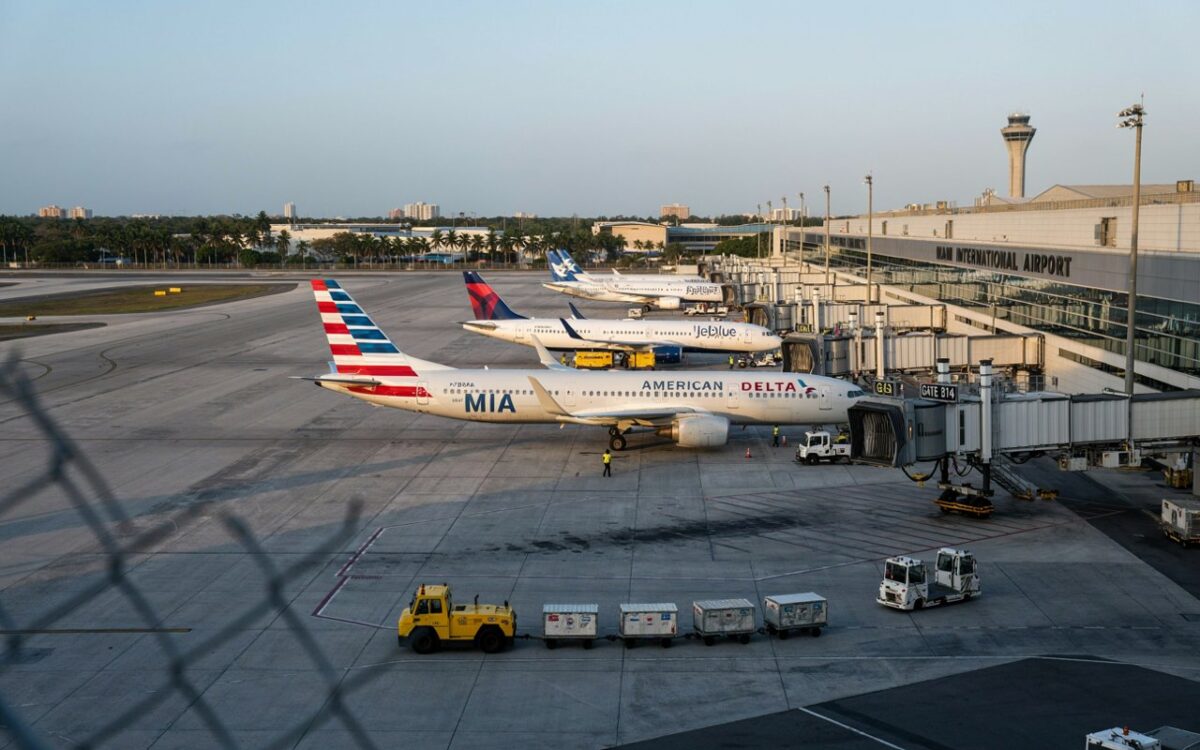
Image generated with Ai
Miami International Airport experienced major disruption after an Amazon Prime Air cargo aircraft crashed during landing, forcing aviation authorities to halt flight operations and launch an emergency response. The latest Miami travel update highlights how the incident involving a Boeing 767-300 cargo aircraft affected airport operations, passenger journeys and connectivity at one of the busiest aviation hubs in the United States.
The aircraft, operating as Prime Air Flight 7598 through cargo carrier 21 Air, arrived from Luis Muñoz Marín International Airport in San Juan, Puerto Rico, before overrunning the runway and striking vehicles near the airport area. Emergency teams responded immediately as authorities secured the site, assisted those affected and began assessing the impact on airport operations.
Advertisement
For travellers passing through Miami, the incident created significant uncertainty, with flight delays, possible cancellations and disrupted connections as airport officials prioritised safety inspections and emergency procedures.
The latest Miami travel update follows a major aviation emergency that temporarily affected one of Florida’s most important transport gateways.
Advertisement
Advertisement
The Federal Aviation Administration issued a ground stop after the cargo aircraft overran the runway, preventing normal departures and arrivals while emergency crews responded.
A ground stop is one of the strongest operational measures used by aviation authorities when safety conditions require aircraft movements to be paused. The action allows emergency teams, airport officials and investigators to manage the situation without additional aircraft movements creating further risks.
Miami International Airport reported that the aircraft became disabled near the northwest section of the airport, leading to temporary runway and taxiway restrictions.
Authorities warned passengers to expect delays and possible cancellations as airport operations gradually resumed.
Advertisement
Advertisement
The aircraft involved was a Boeing 767-300 cargo plane operated by 21 Air for Amazon Prime Air.
According to aviation authorities, the aircraft had departed from San Juan, Puerto Rico, before the landing accident at Miami International Airport.
Officials reported that the aircraft overran the runway after landing, struck multiple vehicles and caught fire, creating a complex emergency response situation involving smoke, flames and fuel concerns.
Miami-Dade Fire Rescue deployed more than 60 emergency units and around 200 personnel to manage the crash scene, extinguish the fire, assist injured individuals and secure the aircraft area.
Authorities confirmed fatalities and injuries following the crash, while emergency teams continued supporting those affected.
The Federal Aviation Administration and National Transportation Safety Board began investigations to determine the cause of the accident.
Miami International Airport is one of the United States’ most important aviation gateways, connecting Florida with destinations across North America, Latin America, Europe and the Caribbean.
The temporary operational restrictions affected passengers with scheduled departures, arrivals and connecting flights.
Travellers experienced delays, possible cancellations and changes to their travel plans as airlines adjusted schedules following the emergency.
Because Miami serves as a major international connection point, disruptions at the airport can influence passengers travelling far beyond Florida.
Visitors travelling for holidays, cruises, business meetings and international connections were advised to monitor airline notifications and allow additional time for changing schedules.
For many travellers, Miami International Airport is the starting point for Caribbean cruises, South American journeys and Florida holidays, making operational stability especially important.
Miami International Airport plays a central role in Florida’s tourism economy.
The airport serves millions of travellers visiting Miami for beaches, cultural attractions, cruise departures, business events and luxury experiences.
Miami remains one of the world’s most recognised leisure destinations, attracting visitors through its combination of coastal lifestyle, international dining, entertainment and multicultural neighbourhoods.
Popular visitor experiences include South Beach, art districts, luxury hotels, cruise terminals, shopping areas and waterfront attractions.
The airport’s connectivity also makes it an essential gateway for travellers heading to the Caribbean and Latin America.
Any major disruption at Miami International Airport can therefore affect tourism businesses, hotels, airlines and cruise operations across the region.
The Miami incident highlights the importance of preparation when unexpected aviation disruptions occur.
Travellers affected by airport emergencies should monitor official updates from airlines, airports and aviation authorities rather than relying on unverified information.
Passengers should check flight status before travelling to the airport and allow extra time for possible delays involving check-in, security procedures and operational changes.
Travellers with connecting flights should contact airlines early if delays affect onward journeys.
Flexible bookings and travel insurance can also provide additional protection when unexpected disruptions affect travel plans.
Although the aircraft involved was a cargo plane, aviation incidents can influence passenger operations because airports function as interconnected systems.
Runway closures, emergency responses and safety inspections can affect passenger aircraft schedules even when commercial flights are not directly involved.
Major airports such as Miami handle thousands of aircraft movements, meaning a disruption in one area can create wider network effects.
Cargo aviation also plays a critical role in global logistics, supporting supply chains, online commerce and international trade.
The incident demonstrates why airports maintain strict emergency procedures designed to protect passengers, workers and aviation infrastructure while restoring operations safely.
The FAA has launched an investigation into the incident alongside other aviation authorities.
Investigators typically examine multiple factors, including aircraft systems, operational procedures, weather conditions, runway conditions and human factors.
A final cause has not yet been determined, and authorities will continue reviewing evidence before releasing further findings.
For travellers, these investigations are a critical part of aviation safety because findings help improve procedures and reduce future risks.
The latest Miami travel update shows how quickly aviation emergencies can affect international travel networks.
Miami remains one of the world’s most connected tourism gateways, and airport officials continue working with airlines, emergency services and federal agencies to restore normal operations following disruptions.
Travellers planning visits to Miami should continue checking airline alerts and airport announcements during periods of uncertainty.
Despite the disruption, Miami continues to attract visitors through its beaches, culture, cruise connections and international experiences.
The airport experienced major operational restrictions, including a FAA ground stop and temporary runway closures while emergency crews responded.
The aircraft was a Boeing 767-300 cargo plane operated by 21 Air for Amazon Prime Air.
Yes. The FAA ground stop and airport restrictions caused delays and possible cancellations for passenger flights.
The aircraft arrived from Luis Muñoz Marín International Airport in San Juan, Puerto Rico.
Passengers should monitor airline updates, check flight status and allow additional time when travelling through affected airports.
The latest Miami travel update highlights how aviation emergencies can create immediate challenges for travellers while demonstrating the importance of coordinated safety responses. The Amazon Prime Air cargo aircraft incident triggered a rapid operation involving emergency teams, airport authorities and aviation regulators working to protect people and restore normal activity.
Miami International Airport remains a vital gateway connecting millions of visitors with Florida, the Caribbean and international destinations.
For travellers, the incident serves as a reminder that flexibility, awareness and preparation remain essential parts of modern air travel. Checking official updates, allowing additional time and staying informed can help passengers navigate unexpected disruptions.
As global aviation continues expanding, strong safety systems, emergency planning and coordinated responses remain central to maintaining confidence in air travel.
Advertisement
Advertisement
Advertisement













Monday, September 7, 2026

Monday, September 7, 2026

Monday, September 7, 2026

Sunday, September 6, 2026

Saturday, September 5, 2026

Monday, September 7, 2026

Monday, September 7, 2026