
Delta Air Lines Flight Makes Emergency Portugal Landing After Cabin Smoke Alert, Revealing Compensation and Travel Rights After Hospital Admission of Travelers

Published
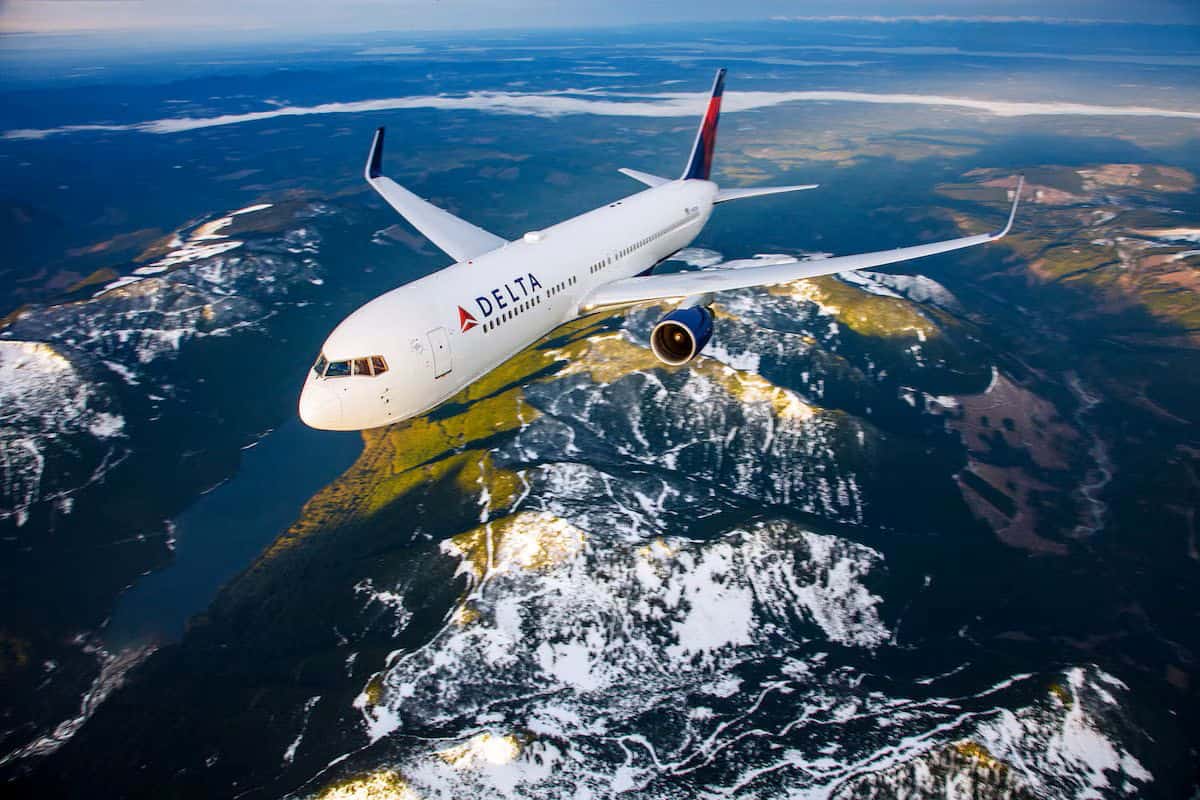
Delta Air Lines Flight Makes Emergency Portugal Landing After Cabin Smoke Alert, Revealing Compensation and Travel Rights After Hospital Admission of Travellers after a Barcelona–Boston flight was diverted to Porto, Portugal, when smoke was detected inside the cabin. The Delta Air Lines flight made an emergency Portugal landing as a safety measure, allowing passengers and crew to receive assistance after the unexpected cabin smoke alert. The incident affected hundreds of travellers, with some passengers requiring medical assessment and hospital admission following the diversion. Beyond the immediate disruption, the event has raised important questions about compensation, passenger protection and travel rights after emergency flight situations. Understanding airline responsibilities, documentation requirements and available support can help travellers manage delays, medical concerns and unexpected changes during international journeys.
What happened during the Delta Air Lines cabin smoke emergency?
A Delta Air Lines Airbus A330-300 operating from Barcelona to Boston experienced an unexpected cabin smoke situation during the flight. After detecting smoke onboard, the crew decided to divert the aircraft to Porto Airport in Portugal instead of continuing across the Atlantic.
Advertisement
Advertisement
The flight was carrying 283 passengers and 13 crew members when the emergency diversion was made. After landing safely, emergency services attended the aircraft and passengers requiring assistance were assessed.
Delta described the diversion as being linked to a reported mechanical issue and confirmed that the aircraft reached the ground safely.
Advertisement
Advertisement
For passengers, the emergency landing created a sudden change to their travel plans. Instead of arriving in Boston as scheduled, travellers faced additional waiting time, aircraft checks and possible rebooking arrangements.
The decision to divert demonstrates standard aviation safety procedures, where crews prioritise passenger protection when unusual conditions are detected.
Advertisement
Advertisement
How were passengers affected after the aircraft landed in Porto?
Following the emergency landing in Portugal, some passengers required medical assessment. Reports indicated that 14 passengers were evaluated by medical teams, while four passengers were taken to local hospitals for smoke inhalation-related treatment.
Although the reported injuries were minor, the incident caused disruption for travellers completing a long international journey between Europe and North America.
Advertisement
Advertisement
| Passenger impact | Effect on travellers |
|---|---|
| Emergency diversion | Journey interrupted before Boston arrival |
| Medical assistance | Some passengers received treatment |
| Aircraft inspection | Additional waiting after landing |
| Rebooking process | Alternative travel arrangements required |
| Missed connections | Possible impact on onward journeys |
For international passengers, unexpected diversions can create wider problems because many travellers may have connecting flights, accommodation bookings or scheduled activities waiting at their destination.
Airlines normally provide assistance during such situations, including updated travel information and alternative arrangements.
Why do airlines divert flights after detecting smoke onboard?
Cabin smoke is treated as a serious aviation event because it can indicate a possible technical problem requiring immediate assessment.
When crews detect smoke or unusual fumes, they follow established safety procedures. These actions may include identifying the possible source, communicating with air traffic control, selecting a suitable diversion airport and preparing passengers for landing.
Advertisement
Advertisement
The priority is not maintaining the original route but ensuring passenger and crew safety.
Aircraft are equipped with ventilation and monitoring systems designed to support safe operations. However, when abnormal conditions appear, pilots are trained to make precautionary decisions.
Aviation safety procedures are designed around preventing risks from developing into more serious situations. An emergency diversion allows aircraft engineers and airline teams to inspect the aircraft before it returns to normal service.
How did the diversion affect airline operations and passenger journeys?
The Delta Air Lines diversion changed the travel plans of more than 280 passengers who were scheduled to arrive in Boston.
After landing in Porto, the airline needed to coordinate passenger assistance, aircraft inspections and onward travel arrangements.
| Travel challenge | Possible consequence |
|---|---|
| Delayed arrival | Longer journey time |
| Missed connections | Need for alternative flights |
| Aircraft checks | Extended airport waiting |
| Changed schedules | Disruption to business and holiday plans |
| Airport transfers | Revised arrival arrangements |
For passengers, even a safely managed emergency landing can create stress because international journeys often involve multiple connections and time-sensitive plans.
Advertisement
Advertisement
Large airlines maintain disruption-management procedures, but unexpected diversions can still affect passenger schedules.
Travellers are advised to monitor airline updates and remain in contact with carriers when flights are affected by operational changes.
What does the Delta Air Lines incident mean for future air travellers?
The Delta Air Lines cabin smoke emergency demonstrates the importance of aviation safety systems and professional decision-making during unexpected events.
Although the diversion disrupted the journey, the aircraft landed safely and emergency procedures were activated effectively.
The incident highlights several important travel lessons:
- allow flexibility when planning international connections
- monitor airline notifications during disruptions
- keep suitable travel insurance coverage
- prepare for possible schedule changes
Modern aviation relies on multiple layers of protection, including aircraft technology, trained flight crews, air traffic control coordination and airport emergency response teams.
Advertisement
Advertisement
For travellers, emergency diversions may create inconvenience, but they remain an essential part of maintaining safe air travel.
What should passengers do after a Delta Air Lines emergency diversion?
Passengers affected by an emergency diversion should focus first on safety, documentation and communication with the airline. In the Delta Air Lines Barcelona–Boston diversion, travellers experienced an unexpected landing in Portugal after a cabin smoke report. In such situations, passengers should follow crew instructions, remain calm and collect all relevant travel information.
Immediate steps passengers should take
| Action | Why it matters |
|---|---|
| Follow airline and airport instructions | Safety procedures take priority during emergencies |
| Keep boarding passes and booking details | Required for rebooking and claims |
| Save airline notifications | Provides proof of disruption updates |
| Record additional expenses | Useful for possible reimbursement requests |
| Ask airline representatives for assistance | Helps arrange onward travel |
Passengers should avoid making independent travel arrangements immediately unless necessary, because airlines may provide rebooking, accommodation or support depending on the circumstances.
Are passengers entitled to compensation after an emergency diversion?
The legal rights of passengers depend on several factors, including:
- the departure airport
- the arrival airport
- the airline’s location
- the reason for the disruption
- whether the situation was within the airline’s control
For the Delta flight travelling from Barcelona, Spain, to Boston, United States, European passenger rights may be relevant because the journey began in the European Union. Under EU Regulation 261/2004, passengers may have rights to assistance and compensation in certain situations involving delays, cancellations or denied boarding. However, compensation is not automatic for every disruption, particularly when safety-related events or extraordinary circumstances are involved. Wikipedia
A cabin smoke emergency is generally treated as a safety-related event, and airlines may need to demonstrate how they responded rather than simply provide automatic payments.
Advertisement
Advertisement
Passengers should request a written explanation from the airline about:
- the reason for the diversion
- the delay duration
- the assistance provided
- the final travel arrangements
What assistance can passengers request from the airline?
During major disruptions, passengers should ask the airline about available support.
Possible assistance may include:
| Support type | What passengers should ask for |
|---|---|
| Rebooking | Alternative flight options to the final destination |
| Meals | Support during extended waiting periods |
| Accommodation | Hotel arrangements if overnight stays are required |
| Transport | Airport transfers when accommodation is provided |
| Communication support | Updates about revised travel plans |
The exact assistance depends on the applicable passenger protection rules, airline policies and the circumstances of the disruption.
For travellers, keeping receipts for reasonable expenses is important because some costs may be eligible for reimbursement depending on the applicable rules.
Does travel insurance help after an emergency landing?
Travel insurance can provide additional protection when flights are disrupted unexpectedly.
Advertisement
Advertisement
Passengers should check whether their policy covers:
- emergency medical treatment
- missed connections
- travel delays
- accommodation costs
- additional transport expenses
- baggage-related problems
Coverage depends on the individual insurance contract. Travellers should contact their insurer as soon as possible after a disruption and keep all supporting documents.
Important documents include:
- medical reports
- airline disruption notices
- receipts
- boarding passes
- booking confirmations
Can passengers claim for medical problems after cabin smoke exposure?
Passengers who experience health issues after a cabin smoke incident should seek medical assistance immediately.
In the Delta incident, some passengers received medical assessment after landing in Porto. Travellers who believe they suffered illness or injury should:
- obtain medical documentation;
- keep records of treatment received;
- report the issue to the airline;
- contact their insurance provider if applicable.
Medical claims are usually assessed based on evidence, including medical reports and proof of expenses.
Advertisement
Advertisement
What legal documents should passengers keep after a flight diversion?
Documentation is essential if passengers later request assistance, reimbursement or compensation.
Passengers should keep:
| Document | Purpose |
|---|---|
| Boarding pass | Proof of travel |
| Booking confirmation | Shows original itinerary |
| Airline emails or messages | Evidence of disruption |
| Expense receipts | Supports reimbursement requests |
| Medical documents | Supports health-related claims |
| Airport reports if available | Provides incident records |
A detailed record of events can help passengers communicate more effectively with airlines, insurers or relevant authorities.
What should travellers know about airline responsibility during emergencies?
Airlines have a duty to operate flights safely and follow aviation regulations. When crews identify a possible safety concern, they may divert aircraft to a suitable airport rather than continue the original route.
Passengers should understand that an emergency diversion is usually a safety decision rather than a standard delay or cancellation.
The airline’s responsibilities may include:
Advertisement
Advertisement
- ensuring passenger safety;
- providing information;
- arranging onward travel where required;
- supporting affected travellers according to applicable rules.
The exact legal obligations vary depending on the route and jurisdiction.
How can passengers prepare for future flight disruptions?
Travellers can reduce the impact of unexpected diversions by preparing before departure.
Recommended steps include:
- booking flights with reasonable connection times;
- purchasing suitable travel insurance;
- keeping digital copies of travel documents;
- carrying essential medication in hand luggage;
- saving airline contact details;
- using airline mobile applications for updates.
Emergency situations cannot always be predicted, but preparation can make disruptions easier to manage.
Key takeaway for Delta Air Lines passengers
The Delta Air Lines cabin smoke emergency shows why aviation safety decisions can quickly change travel plans. Passengers affected by similar incidents should prioritise safety, collect documentation, communicate with the airline and understand their legal rights before making claims.
While compensation and assistance depend on the circumstances of each case, travellers have important protections through passenger rights frameworks, airline policies and insurance coverage. Careful record-keeping and timely communication remain the most effective ways for passengers to protect themselves after unexpected flight disruptions.
Advertisement
