
South Korea Creates a New Tourism Wave as Rural Destinations Rise Beyond Seoul’s K-Culture Fame: All You Need to Know

Published
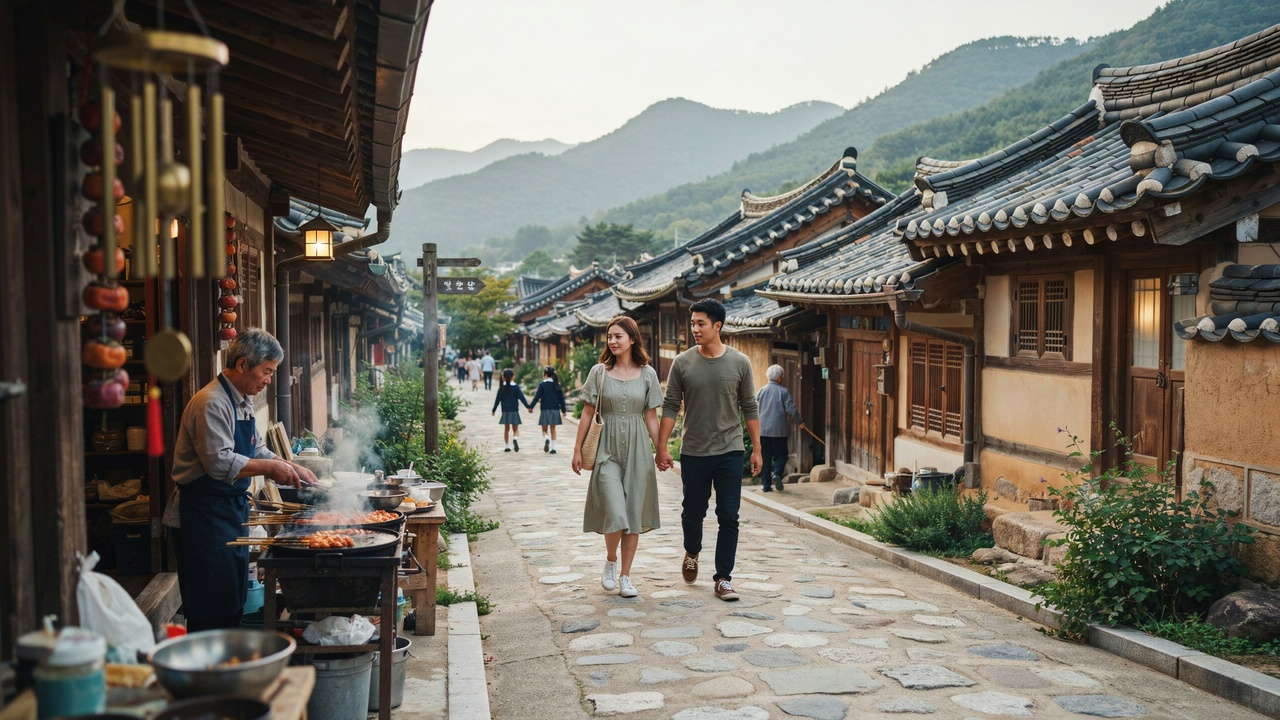
South Korea is building a new tourism strategy that takes visitors beyond Seoul by connecting global interest in K-pop, Korean food, traditional villages and rural lifestyles with authentic regional experiences.
The country’s tourism growth has traditionally been strongly associated with Seoul’s modern attractions, shopping districts and entertainment culture. However, South Korean authorities are now expanding travel opportunities across smaller cities, farming communities, coastal areas and countryside destinations.
The approach combines the worldwide popularity of Korean culture with local experiences such as traditional food preparation, village stays, agricultural activities and regional festivals.
The goal is to encourage international visitors to discover a wider side of Korea while supporting local economies outside the capital region. The Ministry of Culture, Sports and Tourism has highlighted K-culture-linked regional tourism as an important strategy for expanding visitor journeys beyond major urban areas.
Advertisement
Advertisement
At the same time, the Ministry of Agriculture, Food and Rural Affairs is developing rural tourism routes connecting local cuisine, agricultural experiences and regional attractions.
Korea Moves Beyond Seoul by Turning Local Communities Into Global Travel Experiences
Seoul remains one of Asia’s most popular city destinations, attracting visitors through K-pop entertainment, shopping, technology and historic landmarks.
Advertisement
Advertisement
However, South Korea’s tourism authorities are increasingly encouraging travellers to explore destinations where traditional culture and everyday Korean life remain deeply connected.
Rural tourism has become an important part of this transformation.
Advertisement
Advertisement
Visitors are now looking for experiences such as:
- Staying in traditional hanok houses
- Learning Korean cooking techniques
- Visiting tea plantations
- Exploring mountain villages
- Participating in farming activities
- Tasting regional drinks
- Discovering local festivals
These experiences allow travellers to move beyond sightseeing and create deeper connections with Korean communities.
The government-supported Tourism Dure programme also supports community-led tourism businesses where local residents develop accommodation, food, travel activities and cultural experiences based on regional identity.
| Tourism Shift | New Visitor Experience |
|---|---|
| Seoul-only travel | Multi-region Korea journeys |
| Famous attractions | Local communities and villages |
| Entertainment-focused trips | Cultural immersion |
| Short city breaks | Longer regional stays |
BTS and K-Pop Influence a New Generation of Regional Travellers
The global popularity of BTS and Korean entertainment has become a powerful gateway for international tourism.
Advertisement
Advertisement
Many fans visiting South Korea are no longer limiting their journeys to Seoul. They are exploring locations connected with artists, performances, filming locations and cultural experiences.
The Ministry of Culture, Sports and Tourism found that international visitors attending BTS-related events extended their stays and travelled to surrounding destinations. Research linked to BTS concerts showed that overseas visitors often explored nearby cultural attractions beyond the event itself.
K-pop tourism is increasingly helping smaller destinations gain international attention.
Examples include:
| Destination | Tourism Connection |
|---|---|
| Busan | Major K-pop events and coastal experiences |
| Goyang | Concert-related tourism growth |
| Gangneung | K-pop-linked travel campaigns |
| Jeonju | Traditional culture and Korean heritage |
South Korea is using this global cultural influence to introduce travellers to regional landscapes, food traditions and community experiences.
Korean Food Tourism Brings Visitors Into Rural Communities
Food has become one of the strongest connections between international visitors and local Korean culture.
Advertisement
Advertisement
Traditional dishes, regional ingredients and unique culinary experiences are encouraging travellers to explore areas outside major cities.
The Ministry of Agriculture, Food and Rural Affairs has developed programmes connecting Korean cuisine with regional tourism, including culinary routes featuring local restaurants, markets, villages and traditional food experiences.
The growing popularity of Korean food tourism includes:
- Kimchi-making experiences
- Traditional alcohol tasting
- Regional markets
- Farm-to-table dining
- Local cooking classes
Makgeolli Experiences Highlight Korea’s Traditional Beverage Culture
Traditional Korean rice wine, makgeolli, has become part of the country’s cultural tourism appeal.
Visitors can experience the drink through brewery tours, tasting programmes and hands-on workshops.
The Korean government has supported traditional alcohol producers by connecting selected breweries and distilleries with tourism routes. These programmes aim to transform local producers into cultural attractions where visitors can learn about production methods and regional traditions.
Advertisement
Advertisement
| Traditional Experience | Location Examples |
|---|---|
| Makgeolli brewing | Jeollanam-do and regional breweries |
| Andong soju experiences | Andong, Gyeongsangbuk-do |
| Traditional food making | Rural villages nationwide |
| Fermentation culture | Various Korean provinces |
Rural Villages Become New Attractions for International Travellers
South Korea’s countryside is gaining attention because of its combination of nature, history and authentic lifestyles.
Traditional villages provide visitors with opportunities to experience Korean heritage in a slower and more personal way.
One example is Pyeongsa-ri in Hadong County, Gyeongsangnam-do, which was recognised by the United Nations World Tourism Organization as one of the Best Tourism Villages. The village combines traditional architecture, eco-friendly farming, literature-based tourism and cultural experiences.
Popular rural experiences include:
| Village Experience | Visitor Activity |
|---|---|
| Hanok stays | Traditional accommodation |
| Tea farming | Plantation visits |
| Agriculture | Farming activities |
| Local cuisine | Regional food discovery |
| Nature trails | Hiking and outdoor tourism |
These destinations provide an alternative to crowded urban tourism while helping preserve local traditions.
Gangneung, Jeonju and Andong Lead Korea’s Regional Tourism Expansion
Several Korean destinations are becoming important examples of successful regional tourism development.
Advertisement
Advertisement
Gangneung Connects Coast, Culture and K-Culture Travel
Gangneung, located on Korea’s eastern coast, combines beaches, traditional culture and modern tourism experiences.
The city has gained attention through cultural campaigns encouraging visitors to explore destinations connected with Korean artists and local lifestyles.
Key attractions include:
- Gyeongpo Lake
- Coastal landscapes
- Traditional tea culture
- Local seafood
- Cultural festivals
Jeonju Preserves Korean Heritage Through Food and Architecture
Jeonju is widely recognised for its traditional atmosphere and culinary identity.
Visitors explore:
- Jeonju Hanok Village
- Traditional Korean cuisine
- Craft workshops
- Cultural performances
The city represents the type of immersive cultural tourism Korea is promoting internationally.
Advertisement
Advertisement
Andong Showcases Korea’s Historic Identity
Andong is known for preserving traditional Korean culture.
Visitors can experience:
- Hahoe Folk Village
- Traditional ceremonies
- Korean masks
- Regional cuisine
- Traditional beverages
The city demonstrates how heritage can become a modern tourism asset.
Sustainable Rural Tourism Supports Local Economies Across Korea
The expansion of rural tourism is not only about attracting more visitors. It is also designed to support communities and create economic opportunities.
Local tourism programmes encourage residents to develop businesses connected with:
- Accommodation
- Food services
- Cultural activities
- Handicrafts
- Agricultural experiences
The rural tourism model helps distribute tourism income beyond major cities.
Advertisement
Advertisement
| Economic Benefit | Local Impact |
|---|---|
| More visitors | Increased community revenue |
| Local products | Support for farmers and producers |
| Village stays | New business opportunities |
| Cultural activities | Heritage preservation |
South Korea’s strategy reflects a global tourism trend where travellers increasingly seek meaningful experiences rather than only famous landmarks.
Korea Develops New Travel Routes Combining Nature, Food and Culture
The future of Korean tourism is increasingly focused on connected journeys.
Instead of visiting only Seoul, travellers are encouraged to create multi-city itineraries combining urban attractions with rural experiences.
Example travel routes include:
| Route | Experience |
|---|---|
| Seoul – Jeonju – Busan | Modern culture, heritage and coastline |
| Seoul – Andong – Hadong | Traditional villages and rural life |
| Seoul – Gangneung | K-culture and coastal tourism |
| Seoul – Jeju | Nature and wellness travel |
These routes provide international visitors with a broader understanding of Korean identity.
South Korea’s Rural Tourism Vision Creates a Wider Global Travel Appeal
South Korea’s tourism future is moving beyond the traditional image of neon-lit cities and entertainment districts.
Advertisement
Advertisement
The country is creating a wider travel ecosystem where K-pop introduces visitors to Korea, but local food, villages, landscapes and traditions encourage them to stay longer and explore further.
By combining global cultural influence with authentic regional experiences, South Korea is building a tourism model that benefits both international travellers and local communities.
Frequently Asked Questions
1. Why is South Korea promoting rural tourism?
South Korea is promoting rural tourism to encourage visitors to explore regions beyond Seoul, support local communities and showcase traditional culture, food and landscapes.
2. How does BTS help South Korea tourism?
BTS and K-pop attract international visitors who often extend their trips to explore cultural attractions, cities and regions connected with Korean experiences.
3. What are popular rural experiences in South Korea?
Popular experiences include hanok stays, traditional cooking classes, village tours, farming activities, tea experiences and local food journeys.
4. Where can visitors experience traditional Korean culture?
Destinations such as Andong, Jeonju, Hadong and rural villages across Korea offer traditional architecture, food, festivals and cultural programmes.
Advertisement
Advertisement
5. Why is Korean food becoming a tourism attraction?
Korean food introduces visitors to regional traditions through dishes, markets, fermentation culture, traditional drinks and hands-on culinary activities.
6. Is South Korea travel only about Seoul and K-pop?
No. Seoul remains important, but Korea is expanding tourism through countryside destinations, cultural villages, coastal cities and regional experiences.
Advertisement
