
Cuenca Aligns Quito and Others as Ecuador Tourism Builds Momentum Despite Shorter Stays and Early Declines After Suffering Heavily

Published
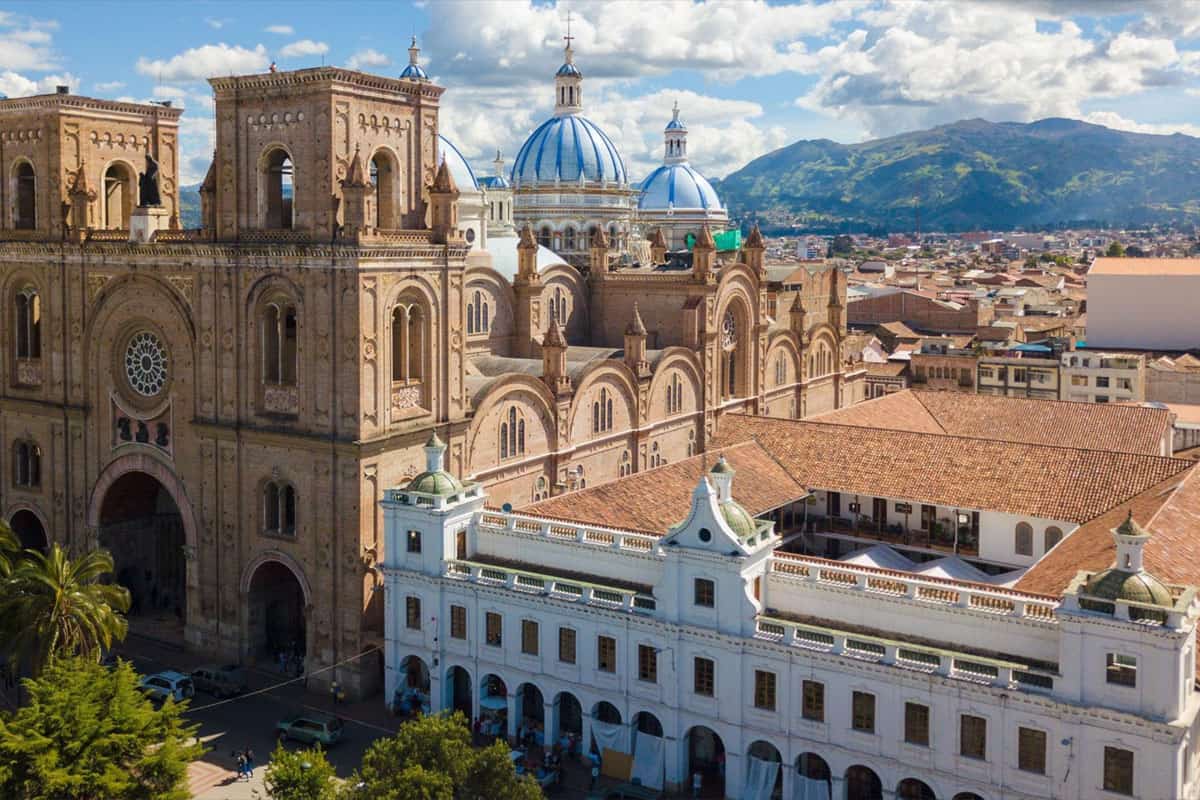
As of October 2026, Ecuador tourism builds momentum, showcasing a remarkable recovery after navigating early declines and shorter visitor stays. Following significant security challenges that heavily impacted coastal regions, the nation’s travel sector has strategically pivoted. By heavily promoting the secure Andean highlands and the Galápagos Islands, destinations like Cuenca and Quito are now leading this national resurgence. Cuenca aligns Quito and other safe havens to redefine the visitor experience, offering robust infrastructure and unparalleled safety. This detailed analysis explores how strategic government initiatives, targeted regional security policies, and enhanced aviation connectivity are actively driving a historic tourism revival today.
Navigating Early Declines and Regional Security Challenges
The 2025-2026 Coastal Security Crisis
The Ecuadorian tourism sector experienced profound structural shifts throughout 2025 and early 2026, primarily driven by a highly localised security crisis along the Pacific coast. Official reports from the Ministry of the Interior and international diplomatic missions highlighted that transnational criminal organisations had significantly increased violence in specific coastal provinces. The regions of Guayas, Esmeraldas, Los Ríos, Manabí, and El Oro became the epicentres of this unrest, accounting for roughly 88 percent of the nation’s total homicides. Consequently, this geographic concentration of crime precipitated early declines in national tourism figures, as traditional coastal holidaymakers postponed their travel plans. However, these early declines proved temporary, acting instead as a catalyst for a massive geographical pivot within the tourism industry. Rather than abandoning Ecuador entirely, international tour operators and independent travellers rapidly redirected their itineraries toward the exceptionally secure Andean highlands. The national government’s proactive approach, including the implementation of localised states of emergency and targeted curfews in high-risk zones, successfully contained the unrest. By strictly managing the coastal situation, authorities provided the necessary breathing room for the highlands to flourish, fundamentally altering the traditional Ecuadorian travel map.
Advertisement
Advertisement
The Phenomenon of Shorter Visitor Stays
Simultaneously, the industry observed a pronounced trend towards shorter visitor stays, driven by both logistical and legal factors. Historically, backpackers and slow travellers would spend months traversing the entirety of Ecuador, seamlessly moving from the Amazon to the Andes and down to the coast. However, the coastal security warnings necessitated highly focused, point-to-point itineraries. Tourists in 2026 now prefer concentrated, two-week excursions specifically targeting Quito, Cuenca, and the Galápagos Islands. Furthermore, strict enforcement of Ecuador’s digital immigration tracking system has influenced this trend. Under the updated 2026 regulations, visitors are granted a 90-day tourist entry within a strict rolling 365-day window. Unlike in previous years, this limit does not reset on the calendar year but rather from the exact date of first entry. The fully digitised immigration system accurately monitors every second of a traveller’s stay, and accidental overstays now result in substantial administrative fines or long-term entry bans. Consequently, travel agencies and expatriate advisory services strongly recommend meticulous itinerary planning. This stringent enforcement has effectively eliminated casual border runs, encouraging visitors to optimise shorter, high-value trips. Despite these shorter stays, the overall economic yield per tourist has paradoxically increased, as travellers condense their spending into premium highland experiences.
Latest Official Developments: A Strategic Tale of Two Distinct Regions
The Rise of Safe Havens: Cuenca, Quito, and the Galápagos
The dichotomy between the coast and the highlands has never been more apparent than in late 2026. While the coastal provinces navigate their security challenges, the Andean corridor and the Galápagos archipelago have emerged as unassailable safe havens. Cuenca, a UNESCO World Heritage site known for its cobblestone streets and blue-domed cathedrals, has become the epicentre of this safety-first tourism model. Similarly, Quito has leveraged its well-preserved historic centre and proximity to the cloud forests to attract record numbers of international visitors. The Galápagos Islands remain the crown jewel of Ecuador’s tourism portfolio, operating under strict ecological visitor controls and conservation fees that insulate the archipelago from mainland security issues. This strategic pivot ensures that as Ecuador tourism builds momentum, it does so on a foundation of absolute security and cultural richness.
Advertisement
Advertisement
Official Travel Advisories from the US, UK, and Canada
International travel advisories have accurately reflected this regional divide, providing clear guidance to prospective visitors. As of late 2026, the U.S. Department of State, the UK Foreign, Commonwealth & Development Office (FCDO), and the Government of Canada maintain highly specific regional warnings rather than blanket national bans. The U.S. advisory strictly marks areas like Guayaquil (north of Portete de Tarqui Avenue) and the Nueva Prosperina districts as Level 3 (Reconsider Travel) and Level 4 (Do Not Travel). However, these same diplomatic authorities explicitly state that the Galápagos Islands, Cuenca, and the broader Andean region remain safe for routine travel. The UK FCDO formally clarified that its advice against non-essential travel to coastal Ecuador does not apply to transit through Quito or Guayaquil airports, nor does it affect onward travel to the Galápagos. This nuanced diplomatic communication has been vital in reassuring the international market that the core of Ecuador’s tourism offering remains highly secure.
Government Announcements and Strategic Policy Shifts
Elimination of Yellow Fever Vaccine Requirements
In a significant move to remove bureaucratic barriers to entry, the Ministry of Public Health officially eliminated the Yellow Fever vaccine requirement for international travellers. Previously, travellers arriving from specific South American countries, including Colombia, Peru, and Brazil, were mandated to present an International Certificate of Yellow Fever Vaccination. As of the official decree implemented in August 2025 and sustained through 2026, this requirement has been entirely abolished. This policy shift has drastically simplified multi-country South American itineraries, allowing travellers to seamlessly add Ecuador to their travel plans without the logistical hurdle of pre-travel vaccinations. The Ministry of Tourism has heavily promoted this update, highlighting Ecuador’s commitment to facilitating frictionless international arrivals.
Advertisement
Advertisement
Extensions of State of Emergency and Localised Curfews
To actively combat the transnational crime affecting the coast, the Ecuadorian government has intelligently deployed constitutional tools, including localised states of emergency. Throughout early 2026, curfews were strategically enacted in the provinces of Guayas, Los Ríos, Santo Domingo, and El Oro, typically running from 23:00 to 05:00. Rather than hindering tourism, these measures have been welcomed by the international community as evidence of the government’s commitment to restoring absolute order. For tourists, these curfews are largely irrelevant, as they apply to regions outside the primary tourist circuits. The government’s transparent communication regarding these security measures has fostered a sense of trust among international operators, proving that the administration is proactively managing the nation’s internal affairs while fiercely protecting its economic lifeblood in the highlands.
Cuenca Aligns Quito: The New Axis of Ecuadorian Tourism
Cuenca’s Phenomenal Safety Record in 2026
Cuenca’s ascent to the top of South America’s safest destinations is backed by unassailable official tourism statistics and municipal data. In 2026, Cuenca boasts an astonishingly low homicide rate of just 1.4 per 100,000 residents. To place this in a global context, Cuenca is statistically safer than major United States municipalities such as Austin, Denver, and Nashville. This is not an accidental achievement; it is the result of rigorous, active coordination between Azuay provincial authorities and national security forces. This unprecedented cooperation translated directly into a 53.85 percent provincial homicide reduction throughout the previous year. For expatriates, retirees, and international tourists, the Cuenca safety record is the primary draw. The city’s historic centre, heavily patrolled by dedicated tourist police, offers a highly walkable, culturally immersive environment free from the organised violence plaguing other regions.
Quito’s Historic Tourism Boom and Global Recognition
Aligning perfectly with Cuenca’s safety-driven appeal, the capital city of Quito is experiencing a historic renaissance. Following extensive infrastructure upgrades and a major city rebranding initiative in 2025, Quito has successfully positioned itself as the premier gateway to the Andes and the Galápagos. The city’s tourism board, Quito Turismo, projects that 2026 will officially be recorded as the city’s strongest year for visitor arrivals in over a decade. Beyond its colonial architecture, Quito has diversified its offerings, heavily promoting its burgeoning gastronomy scene, cloud forest ecotourism in nearby Mindo, and luxury hospitality. This strategic alignment between Cuenca’s serene safety and Quito’s vibrant cultural dynamism has created a powerful, two-city axis that dominates the modern Ecuadorian travel map.
Official Tourism Statistics for the First Half of 2026
Quito Exceeds Pre-Pandemic Arrival Figures
The resurgence of the highland travel sector is best quantified by the latest data released by the SITUR tourism information system. During the first half of 2026, Quito received a staggering 418,444 non-resident visitors. This figure is historically significant because it definitively surpasses the 414,546 visitors recorded during the same period prior to the global pandemic, marking a complete sector recovery. Financially, the impact is equally profound. Quito officially recorded $1.746 billion in direct tourism sales between January and June 2026. This represents an 11.2 percent increase compared to the $1.570 billion generated during the same period in the previous year. These phenomenal official tourism statistics mathematically validate the industry’s strategic pivot away from the coast, proving that the highlands can independently sustain the national tourism economy.
Visitor Demographics and Economic Spending Patterns
An analysis of the visitor demographics reveals a highly lucrative and deeply engaged international market. Travellers from the United States remain the absolute bedrock of Ecuador’s tourism sector, accounting for an overwhelming 41.5 percent of all international visitors to Quito during the first six months of 2026. This is followed by European and regional markets, with Spain contributing 10.5 percent, Colombia at 8 percent, Canada at 3.6 percent, and the United Kingdom at 3.4 percent. Furthermore, the economic spending patterns indicate a sophisticated tourist base. The SITUR data highlights that gastronomy and culinary experiences accounted for 43.29 percent of total tourism sales, while air transportation represented 38.51 percent. This data definitively shows that modern visitors to Ecuador are highly focused on premium dining, cultural immersion, and efficient air travel between safe zones.
Rebuilding Global Air Connectivity for Sustainable Growth
Historic New Direct Flights Between Galápagos and Cuenca
A monumental development in Ecuador’s domestic aviation sector occurred with the introduction of new flight routes designed to seamlessly connect the country’s safest destinations. LATAM Airlines officially announced the commencement of a historic flight route connecting Cuenca directly to the Galápagos Islands via a brief stop in Quito, with operations launching at the end of March 2026. Operating twice a week on Tuesdays and Saturdays, this route fundamentally alters the logistics of Ecuadorian tourism. Previously, travellers in Cuenca were forced to undertake long overland journeys or complex routing through Guayaquil to reach the archipelago. By linking the cultural safety of Cuenca directly with the ecological wonder of the Galápagos, airlines are actively facilitating the precise itineraries that modern, security-conscious travellers demand.
Advertisement
Advertisement
Air Canada and LATAM Resume Crucial International Routes
The international aviation community has demonstrated immense confidence in Ecuador’s highland recovery. After periods of suspension, major global carriers have officially reinstated direct routes to Quito’s Mariscal Sucre International Airport. Air Canada confirmed the resumption of its nonstop services between Canada and Quito, launching a Montreal route with three weekly flights on December 4, 2026, and a Toronto service returning on December 5. These seasonal services, operated via Boeing 787 aircraft, provide crucial winter sun connectivity for the lucrative North American market. Simultaneously, LATAM reinstated its direct route between Quito and Santiago, Chile. The restoration of this global air connectivity is the vital logistical backbone supporting the projected sustainable tourism growth well into 2027 and beyond.
Policy Implications for International Travellers in 2026
Navigating Transit Through Guayaquil Airport
While the highlands flourish, the logistical reality of travelling to Ecuador often involves the coastal city of Guayaquil, home to the José Joaquín de Olmedo International Airport (GYE). Given the Level 3 and Level 4 travel advisories surrounding the broader city, international travel consultants have established strict protocols for tourist transits. Official advice dictates that while the airport facility itself is highly secure and heavily guarded, tourists should avoid exiting the airport perimeter into the city. For those connecting to the Galápagos, airport hotels or tightly controlled, pre-arranged transfers are mandatory. Furthermore, travellers navigating itineraries in late 2025 and early 2026 had to accommodate scheduled runway maintenance at GYE, which temporarily suspended flight operations. These logistical nuances underscore the importance of professional itinerary planning in the current climate.
Strict Enforcement of the Rolling 90-Day Tourist Visa Rule
As the phenomenon of shorter stays continues, tourists must possess a rigorous understanding of Ecuadorian immigration law. The standard tourist visa grants 90 days of entry, but the calculation method is frequently misunderstood. The Ministry of the Interior enforces a strict rolling 365-day window, meaning the 90-day allowance begins counting from the exact minute of the traveller’s first entry, not the calendar year. The fully digitised border control systems meticulously track this data. Travellers who inadvertently overstay face immediate administrative fines upon departure or risk being banned from re-entering the country for extended periods. For those requiring longer stays, the government offers a single 90-day extension, which must be formally processed before the initial period expires. This strict regulatory environment further incentivises the shorter, highly structured itineraries that have come to define 2026.
Regional Security Enhancements in Azuay Province
Collaborative Policing and Homicide Reductions
The unparalleled safety of Cuenca and the wider Azuay province is the direct result of an innovative, collaborative policing strategy. Facing national security pressures, Azuay’s provincial government invested heavily in specialised police units and advanced surveillance infrastructure. By maintaining active, daily coordination with national military forces, the province effectively sealed its borders against the infiltration of coastal crime syndicates. This multi-layered security apparatus is the primary driver behind the province’s verified 53.85 percent drop in homicides. For the tourism sector, this policing strategy provides a highly visible, reassuring presence. Officers in the historic centre are specifically trained in tourist relations, creating an environment where visitors can confidently explore the city’s nightlife and culinary offerings without the ambient anxiety present in other South American urban centres.
Safe Transit Corridors for Tourists
Recognising that tourists must occasionally travel overland, the Ministry of Tourism, in conjunction with national security forces, has heavily promoted safe transit corridors through the Andes. While overnight bus travel through coastal lowlands is universally discouraged by diplomatic advisories, daytime travel between highland cities remains a staple of the Ecuadorian experience. Dedicated tourist buses operating between Quito, Baños, Riobamba, and Cuenca utilise well-patrolled sections of the Pan-American Highway. These highland routes are largely insulated from the transnational trafficking issues affecting the ports. By clearly delineating these safe overland corridors, the government ensures that the economic benefits of tourism can still flow to smaller, rural communities situated between the major urban hubs.
Industry Impact: Strategic Infrastructure and Hospitality Investments
Premium Hotel Openings and Upgraded Airport Facilities
The influx of high-value tourists to Quito and Cuenca has triggered a massive wave of private sector infrastructure investment. Recognising the demand for secure, premium accommodations near transit hubs, major international hospitality brands have expanded their footprints. A prime example is the inauguration of the new Courtyard by Marriott at Quito’s Mariscal Sucre International Airport, which officially opened its doors on January 1, 2026. Offering over 80 modern rooms with spectacular views of the surrounding Andean volcanoes, the facility directly caters to international travellers requiring secure, luxurious layovers before heading to the Galápagos or the Amazon. These strategic investments confirm that international capital markets view the Ecuadorian highland tourism sector as a highly stable, long-term growth opportunity.
Advertisement
Advertisement
The Resurgence of Iconic Tourist Trains and Culinary Experiences
Beyond hotels, the private sector is heavily investing in unique, culturally immersive experiences that keep travellers in the safe zones longer. After years of closure, the legendary Nariz del Diablo (Devil’s Nose) train ride officially reopened to the public, offering one of the world’s most spectacular railway journeys through the dramatic Andean topography. Concurrently, Quito’s gastronomy scene is capturing international headlines. Establishments like SOMOS have launched innovative, sensory tasting experiences in exclusive underground venues, elevating Ecuadorian cuisine to a world-class standard. These developments perfectly align with the SITUR data indicating that over 43 percent of tourist spending is dedicated to food and dining. By offering world-class culinary and heritage experiences, the industry ensures that visitors receive exceptional value for their condensed, two-week itineraries.
Economic Implications of the Strategic Tourism Resurgence
Shifting Revenue Streams from the Coast to the Highlands
The macroeconomic implications of the 2026 tourism pivot are profound. Historically, tourism revenue was somewhat evenly distributed between the coastal beach resorts and the Andean cultural centres. However, the security crisis has facilitated a massive, rapid transfer of tourism wealth directly into the highlands and the Galápagos. The $1.746 billion generated in Quito alone during the first half of 2026 represents capital that, in previous decades, might have been spent in coastal cities like Manta or Salinas. This shift has forced the national government to reconsider its economic development strategies, focusing state-backed tourism marketing funds almost exclusively on the safe zones. While this is highly beneficial for Azuay and Pichincha provinces, it poses long-term economic challenges for the coastal regions that must rebuild their security apparatus before they can reclaim their share of the international travel market.
Financial Revitalisation of Local Businesses in Safe Zones
At the microeconomic level, this influx of capital has led to the rapid financial revitalisation of local businesses within the safe zones. In Cuenca and Quito, artisanal markets, independent boutique hotels, and family-owned restaurants are experiencing unprecedented demand. The Panama hat weavers of Cuenca, the indigenous craft vendors of the Otavalo market, and the specialised coffee roasters of Mindo are all direct beneficiaries of this targeted tourism boom. Because modern tourists are spending more money over shorter periods, the velocity of capital within these local economies has increased dramatically. This creates a powerful economic multiplier effect, where tourism dollars rapidly circulate through the community, funding local infrastructure improvements, creating sustainable employment, and further reinforcing the social stability that keeps these regions safe.
Tourism, Business, and Public Impact
How Expatriates and Digital Nomads are Reshaping Cuenca
Cuenca’s reputation as a sanctuary city extends far beyond short-term tourism; it has become the premier destination for expatriates, retirees, and digital nomads in Latin America. Neighbourhoods such as Yanuncay and El Centro have seen a massive influx of foreign residents seeking the city’s unique blend of affordability, high-quality healthcare, and absolute safety. This demographic shift has fundamentally reshaped the local real estate market, driving demand for modern condominiums, high-speed internet infrastructure, and international amenities. The expatriate community acts as a permanent, stabilising economic force, providing consistent revenue to local businesses regardless of seasonal tourism fluctuations. Furthermore, these long-term residents serve as unofficial ambassadors, continuously broadcasting the reality of Cuenca’s safety to their networks abroad, directly counteracting the negative press generated by the coastal security crisis.
Fostering Community-Based Tourism in the Cloud Forests
While the major cities absorb the bulk of international arrivals, the peripheral cloud forest regions are mastering the art of community-based tourism. The lush region of Mindo, located just hours from Quito, has successfully transitioned from a niche birdwatching destination to a comprehensive eco-tourism hub. Local cooperatives offer immersive chocolate-making workshops, organic coffee farm tours, and sustainable lodge accommodations. This model empowers local indigenous and rural communities, giving them direct control over their tourism assets and ensuring that the financial benefits of the industry are distributed equitably. As Ecuador tourism builds momentum, the government is actively using Mindo as a template for sustainable rural development, proving that ecological preservation and profitable tourism can seamlessly coexist when managed by the local community.
Expert and Official Statements on the Sector’s Recovery
Insights from the SITUR Tourism Information System
The remarkable recovery of the Ecuadorian travel sector is not based on anecdotal evidence but is strictly quantified by the SITUR Tourism Information System. Official analysts from SITUR have publicly stated that the recovery trajectory witnessed in 2026 has vastly exceeded all initial macroeconomic projections. By capturing highly granular data on visitor origins, daily spending habits, and regional movement, SITUR has provided the Ministry of Tourism with the exact intelligence required to optimise their international marketing campaigns. The data clearly demonstrates that despite the negative international headlines regarding Ecuador’s coastal security, the core demographic of North American and European travellers possesses the geographic literacy required to distinguish between safe highland zones and volatile coastal ports.
Advertisement
Advertisement
Directives from the Ministry of Tourism
The Ecuadorian Ministry of Tourism has issued clear, strategic directives to capitalise on this momentum. Official statements emphasise a permanent shift away from mass-market, high-volume tourism in favour of a high-value, sustainable model. The Ministry is actively partnering with international diplomatic missions to ensure that travel advisories remain highly localised, accurately reflecting the safety of the Andes and the Galápagos. Furthermore, the Ministry is subsidising the presence of Ecuadorian tour operators at major global travel conventions, ensuring that the narrative of a safe, culturally rich, and highly connected Ecuador dominates the international discourse. These official directives confirm that the government views the current tourism boom not as a temporary anomaly, but as the new, permanent baseline for the nation’s economic future.
Future Outlook: Sustaining Long-Term Momentum into 2027
Balancing Enhanced Security with Sustainable Tourism Growth
As the industry looks toward 2027, the primary challenge will be balancing the surging visitor numbers with strict environmental and social sustainability protocols. In the Galápagos Islands, the National Park Directorate is rigorously monitoring ecological stress, heavily enforcing the recently updated conservation fees and visitor caps to ensure the fragile archipelago is not overwhelmed by the redirected tourist traffic. On the mainland, the government faces the ongoing task of maintaining the intense security apparatus that has allowed Cuenca and Quito to thrive. Sustaining this sustainable tourism growth will require continued, massive state investment in policing, infrastructure, and international public relations. However, the success of 2026 proves that the Ecuadorian government possesses both the political will and the strategic capability to protect and grow its most vital economic sector.
Promoting Lesser-Known Highland Destinations
To prevent overtourism in the primary safe havens, the Ministry of Tourism is actively preparing to launch campaigns promoting lesser-known, yet equally safe, highland destinations. Towns like Baños, renowned for its adventure tourism and waterfalls, Vilcabamba, famous for its longevity and serene valleys, and the northern market town of Otavalo are being primed for increased international exposure. By distributing the wealth and foot traffic across the entirety of the Andean corridor, Ecuador can create a highly resilient, diversified tourism portfolio. Ultimately, as Ecuador tourism builds momentum, the nation is proving to the world that resilience, strategic adaptation, and an unwavering commitment to visitor safety can overcome even the most formidable early declines, securing Ecuador’s position as a premier global destination for decades to come.
Advertisement
