
Australia Aligns With New Zealand And More Expands Eco Tourism Drives For Holidaymakers Across Tasmania

Updated
Published
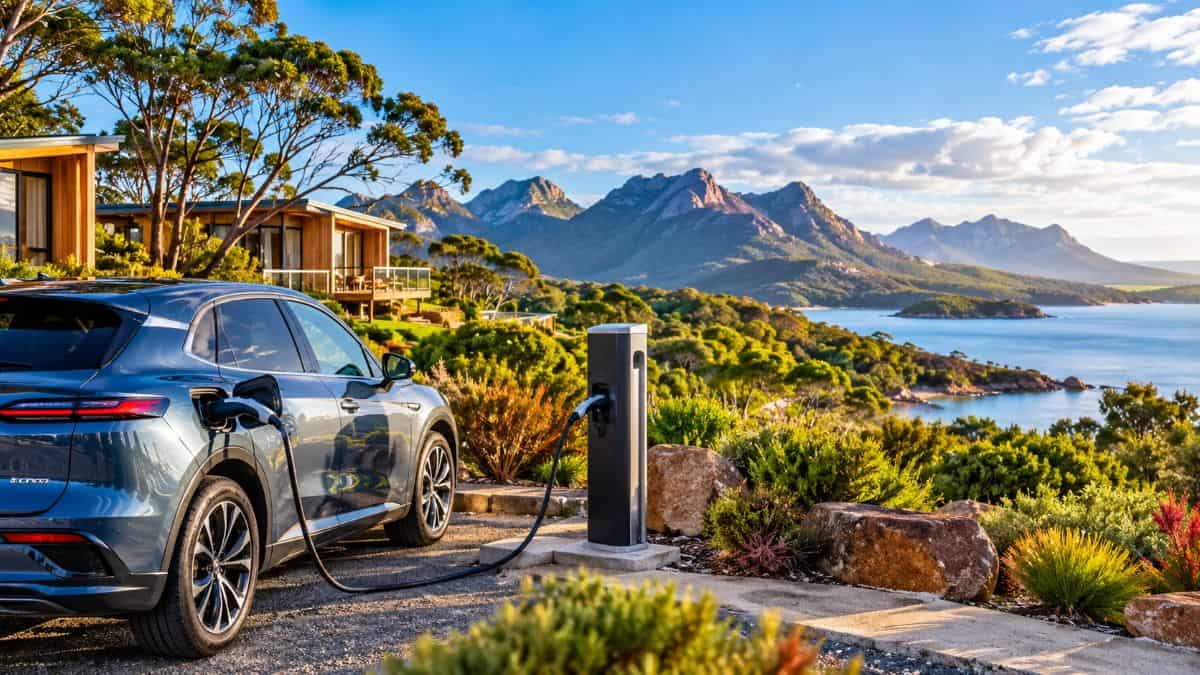
Australia continues to redefine sustainable transport landscapes as state initiatives foster accessible eco-conscious road journeys for domestic and international holidaymakers. The Tasmanian government has unveiled dedicated co-funding allocations supporting twenty-four visitor accommodation operators to erect fifty brand-new electric vehicle charging bays across regional visitor corridors. Administered through the Electric Vehicle Destination Charging Grant Program, this public investment provides small-to-medium hospitality establishments with targeted capital assistance up to two thousand five hundred Australian dollars per charger. By targeting boutique wilderness lodges, tranquil coastal caravan parks, and historic heritage hotels, this regional deployment addresses rural range anxiety directly. It transforms ordinary holiday stopovers into dependable refuelling depots, allowing touring motorists to recharge batteries overnight whilst enjoying local gastronomy and peaceful nature retreats.
The coordinated programme reflects broader environmental travel benchmarks shared by progressive destinations like New Zealand and European eco-corridors. As modern self-drive holidaymakers deliberately seek low-emission alternatives, integrated destination charging converts rural detours into viable itineraries without requiring travellers to queue at high-powered highway fast chargers. Tasmania’s compact topography, combined with a wholly renewable hydro and wind energy grid, provides the quintessential testing ground for zero-emission road touring. By underwriting overnight charging stations from Gowrie Park to coastal Binalong Bay, authorities ensure that holidaymakers navigate pristine wilderness routes with complete logistical confidence and minimal ecological disruption.
Advertisement
Advertisement
Regional Infrastructure Expansions for Electric Touring
The initial deployment allocates one hundred and twenty-five thousand dollars across twenty-four regional hospitality enterprises, addressing long-standing charging gaps along scenic driving routes. This first tranche covers fifty distinct destination charge plugs, deliberately distributed across coastal headlands, northern pastoral belts, and western mining trails. Rather than clustering infrastructure solely along primary dual-carriageway corridors linking Hobart and Launceston, policy designers prioritised properties where guests typically remain parked for several hours or overnight. This strategic placement ensures motorists awake to fully replenished batteries, eliminating unnecessary daytime deviations purely to source electricity.
Hospitality venues selected in this opening allocation represent diverse accommodation brackets, from premium coastal retreats to family-focused tourist holiday parks. For instance, Bay of Fires Bush Retreat will feature three dedicated charging bays, catering directly to travellers traversing the white sand coastline of the north-east. Similarly, Low Head Tourist Park at the mouth of the Tamar River and the riverside Rosevears Hotel each secure four plugs, establishing robust touring infrastructure for northern wine and heritage itineraries. Further inland, Wilder Tasmania situated near Gowrie Park receives four charging points, unlocking seamless access toward Cradle Mountain’s walking tracks.
Advertisement
Advertisement
| Destination Property | Regional Location | Allocated Charging Plugs | Target Travel Corridor |
|---|---|---|---|
| Bay of Fires Bush Retreat | Binalong Bay | 3 | North-East Coast and St Helens |
| Low Head Tourist Park | Low Head | 4 | Tamar Valley Maritime Precinct |
| Rosevears Hotel | Rosevears | 4 | Tamar River Wine Route |
| Wilder Tasmania | Gowrie Park | 4 | Cradle Mountain Foothills |
| West Coaster Motel | Queenstown | 2 | Western Wilderness and Strahan |
Strategic Economic Benefits for Regional Hospitality Providers
Small and medium hospitality operators frequently encounter commercial hesitation when budgeting for commercial grade alternating current charging units. The grant framework bridges this gap by subsidising equipment acquisition and installation expenses, requiring recipient operators to co-invest modestly in long-term guest amenities. In rural settlements where dedicated fast-charging hubs remain kilometres distant, possessing on-site charging converts accommodations into high-priority destinations for the growing cohort of electric vehicle holidaymakers. Travellers who charge overnight routinely spend higher discretionary sums on regional dining, cultural activities, and artisanal provisions within the immediate locale.
The economic ripple effect extends well beyond standard room occupancy rates. Regional operators report that providing guaranteed overnight charging increases overall length of stay, as visitors establish static bases rather than rushing through delicate habitats. This extended dwell time bolsters local bakeries, craft breweries, community museums, and independent adventure tour guides. By embedding charging hardware into accommodation grounds, the initiative creates enduring commercial differentiation for regional family-run enterprises competing against larger metropolitan hotel groups.
Advertisement
Advertisement
Transforming Island Topography into Practical Driving Itineraries
Tasmania presents unique geographic advantages that make it remarkably suited to zero-emission motoring, provided destination charging remains dependable. Driving distances between regional hubs rarely exceed four hours, meaning vehicles with moderate battery capacities easily navigate mountain passes and coastal headlands on single charges. However, mountainous elevations, cold southern air, and winding secondary roads can cause elevated battery consumption relative to standard flat motorway cruising. The strategic distribution of overnight destination chargers effectively neutralises these terrain penalties, assuring motorists that everyday climbing does not curtail exploratory day trips.
The scheme additionally relieves strain upon rapid direct current highway stations during peak holiday seasons. When touring motorists depend solely on rapid charging stops along major junctions, summer congestion frequently causes lengthy vehicle queues and frustrating delays. By encouraging slow, gentle replenishment while drivers rest peacefully in comfortable beds, the grid experiences balanced off-peak demand during night-time generation cycles. This balanced load supports regional grid reliability whilst drawing power from Tasmania’s certified one hundred per cent net renewable electricity generation network.
Future Allocations and Island Wide Tourism Resilience
State tourism authorities recognise that this initial fifty-charger allocation represents only the first milestone of a broader systemic rollout. A second matching allocation round will release further grant funding early next year, inviting expressions of interest from underserviced pockets across the south-west wilderness gateway, the rugged central highlands, and the east coast surf corridors. Continuous infrastructural refinement ensures that self-drive holidaymakers can craft entirely bespoke round-island circuits without encountering dead zones or unserviceable charging hardware.
By deliberately future-proofing local businesses against structural vehicle transitions, the Tasmanian destination model provides a practical blueprint for regional tourism across the Asia-Pacific territory. As automotive manufacturers transition production lines toward electrified platforms, regions that install reliable hospitality-based charging infrastructure will inevitably capture high-yield, environmentally conscious travellers. The combination of pristine wilderness landscapes, clean hydro-electric energy generation, and accessible destination charging establishes a resilient, world-class standard for regenerative exploration across modern regional touring routes.
Frequently Asked Questions
What is the Tasmanian Electric Vehicle Destination Charging Grant Program? It is a state government funding initiative providing small and medium regional tourism operators with financial grants to install dedicated overnight electric vehicle chargers for visiting guests.
How much funding is offered per electric vehicle charger? The program provides eligible accommodation providers with co-funding grants worth up to two thousand five hundred Australian dollars per installed electric vehicle charging plug.
Advertisement
Advertisement
How many chargers are being installed during the initial round? The first funding phase will deliver fifty new destination charging points across twenty-four diverse tourism and hospitality enterprises located throughout the state.
Which businesses are receiving charging points in this phase? Successful recipients include regional retreats and lodgings such as the Bay of Fires Bush Retreat, Low Head Tourist Park, Rosevears Hotel, and Wilder Tasmania.
Why does destination charging focus on overnight accommodations? Overnight destination charging allows travellers to replenish vehicle batteries during rest periods, avoiding unnecessary daytime travel interruptions and reducing demand on public highway fast chargers.
How does this program support regional economic development? Providing charging infrastructure attracts high-yield holidaymakers to regional locations, encouraging extended stays, increased accommodation bookings, and higher retail spending within rural communities.
When will the second round of grant funding open? The second round of the charging initiative, featuring an additional allocation pool, is scheduled to open for business applications early next year.
Is electricity used for charging in Tasmania environmentally sustainable? Yes, Tasmania generates one hundred per cent of its net electricity needs from certified renewable hydro and wind generation resources.
Advertisement
Advertisement
How do destination chargers benefit the local electricity grid? Destination chargers utilise slower alternating current charging during overnight hours, distributing energy consumption across off-peak periods rather than causing sharp daytime power spikes.
Can drivers locate these newly installed chargers easily? Yes, installed destination charging bays are mapped across regional transport networks and standard automotive mapping databases, allowing holidaymakers to organise seamless point-to-point itineraries.
Advertisement
