
American Airlines Flight AA1314 from Philadelphia to Austin Diverted and Makes Emergency Landing at San Antonio After Delayed Service from Philadelphia International Airport: Full Aviation Report

Published
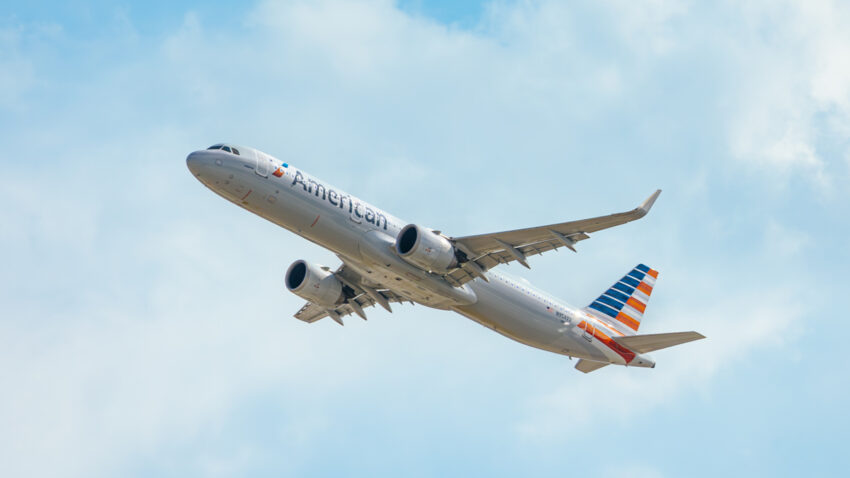 Image generated with Ai
American Airlines Flight AA1314 from Philadelphia to Austin diverted and made an emergency landing at San Antonio after delayed service from Philadelphia International Airport, triggering passenger concern and raising fresh questions over the cause behind the disruption.
American Airlines Flight AA1314 from Philadelphia to Austin diverted and made an emergency landing at San Antonio after delayed service from Philadelphia International Airport, drawing immediate attention from passengers and aviation observers across the United States.
The flight departed Philadelphia behind schedule and later failed to reach Austin as planned, forcing the aircraft to land instead at San Antonio International Airport late at night. Although the airline did not immediately confirm the exact cause, the diversion raised concerns about operational safety, weather disruption and technical complications. Consequently, travellers faced uncertainty over onward journeys, baggage collection and revised arrival arrangements after the unexpected landing in Texas.
American Airlines flight AA1314 travelling from Philadelphia to Austin was diverted to San Antonio on 19 May after the aircraft departed late and failed to complete its scheduled arrival into Austin-Bergstrom International Airport. Flight tracking information showed the service eventually landed in San Antonio at 23:05 CDT, several hours after leaving Philadelphia International Airport, while passengers were informed the aircraft had arrived at a different airport than originally scheduled.
Advertisement
Advertisement
Why Was American Airlines Flight AA1314 Diverted To San Antonio?
American Airlines flight AA1314 was operating a scheduled domestic route between Philadelphia International Airport and Austin-Bergstrom International Airport, but live tracking data later confirmed the aircraft diverted to San Antonio instead of landing in Austin as originally planned. According to the operational details displayed on the tracking system, the flight departed Philadelphia at 17:57 EDT after a scheduled departure time of 17:36 EDT, while the planned arrival into Austin at 20:35 CDT was replaced by a confirmed landing in San Antonio at 23:05 CDT following the diversion notice issued during the journey.
Diversions are regularly used across the aviation industry whenever operational conditions make the intended landing impractical or unsafe, while the exact reason behind the rerouting of AA1314 was not immediately disclosed in the publicly available flight status information. Industry specialists note that diversions can result from adverse weather conditions, airport congestion, runway restrictions, crew scheduling limitations, technical inspections or temporary air traffic control issues, especially on heavily travelled domestic corridors connecting major cities across the United States.
Advertisement
Advertisement
How Do Flight Diversions Affect Passengers And Airline Operations?
When a commercial flight diverts from its scheduled destination, airlines must quickly reorganise aircraft positioning, passenger handling procedures and onward travel logistics while attempting to minimise wider disruption across their route networks. Large carriers including American Airlines rely on tightly coordinated scheduling systems linking aircraft availability, crew working-hour regulations and airport gate assignments, meaning a single diversion can trigger operational adjustments affecting multiple later departures and arrivals across several airports.
Passengers onboard AA1314 likely faced uncertainty regarding baggage handling, onward transportation and revised arrival expectations after the aircraft landed in San Antonio rather than Austin, which remains approximately 80 miles away by road. Airlines commonly provide updated instructions through airport staff, customer support centres and mobile travel applications after diversions occur, while passengers may also receive accommodation assistance, meal vouchers or alternative transport arrangements depending on the operational circumstances and the expected duration of the disruption affecting the service.
Advertisement
Advertisement
What Usually Causes Domestic Flights In The United States To Divert?
Domestic flight diversions across the United States remain relatively uncommon compared with the total volume of daily commercial operations, although they continue to serve as a critical safety and operational safeguard whenever conditions prevent a normal landing. Weather systems remain one of the leading causes of diversions, particularly in states such as Texas where thunderstorms, lightning activity, reduced visibility and strong winds frequently disrupt airport schedules during spring and summer travel periods, often forcing pilots and air traffic controllers to select alternative landing locations at short notice.
Aviation experts also point to several other operational factors that can trigger diversions, including precautionary technical inspections, medical emergencies involving passengers or crew members, fuel-management decisions linked to airspace congestion and temporary runway unavailability during busy evening arrival periods.
According to the information visible on the online tracking display for AA1314, the aircraft completed its journey in San Antonio without any publicly indicated onboard emergency, although the airline had not issued further details explaining the precise operational reason behind the diversion at the time the status information appeared online.
American Airlines Flight AA1314 from Philadelphia to Austin ultimately diverted and completed an emergency landing at San Antonio following delayed service from Philadelphia International Airport, while the precise operational cause remained unconfirmed publicly.
Advertisement
Advertisement
Aviation experts suggest the reason may have involved weather disruption, air traffic congestion, technical inspections or airport operational restrictions affecting Austin arrivals during busy evening schedules.
Despite passenger concern, the diversion demonstrated standard aviation safety procedures designed to protect travellers whenever normal flight operations become impractical or unsafe. As a result, the aircraft landed safely in San Antonio, while passengers awaited further transport arrangements and operational updates from American Airlines after the unexpected disruption.
Advertisement
