
Santiago Boom Wonders Exposed, Central Chile’s Spectacular Autumn Landscapes Offer An Enchanting Travel Journey Of A Lifetime

Published
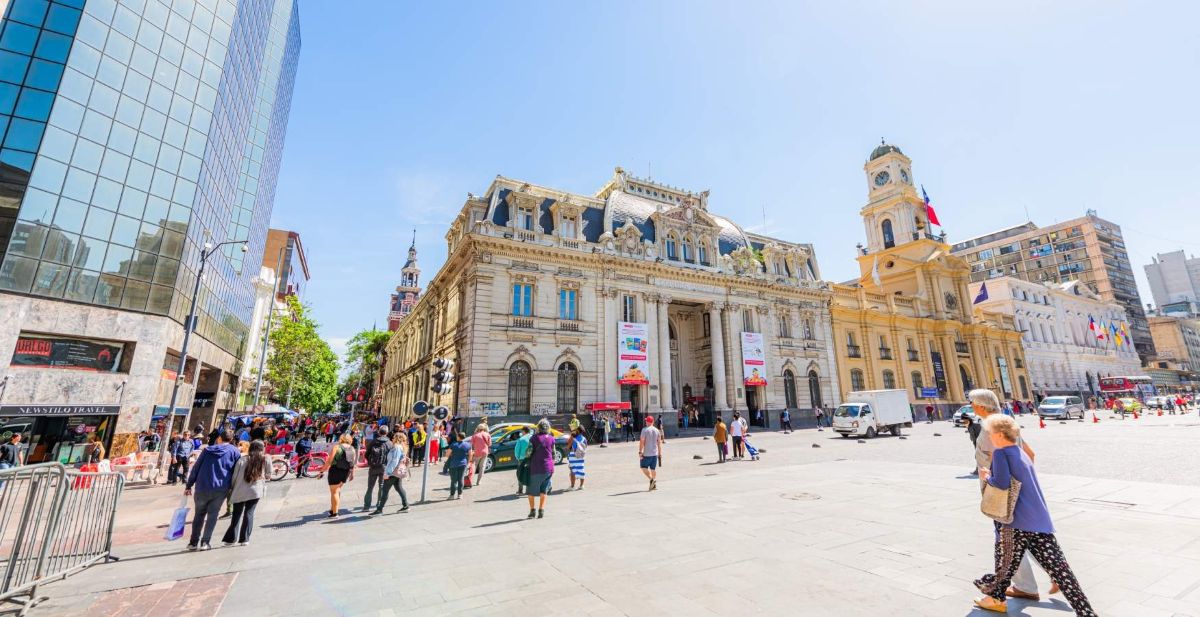
Image Credit chile.travel
Landing in Santiago during fall in central Chile gives you the opportunity to step off the plane and stride into a completely new pace in your life. When you arrive, take your first whiff of the air as the summer heat evaporates and introduces a coolness of mountain air. The sun rises and the peaks of the Andes Mountain range are seen with a beautiful sunrise of gold and rose while the snow peaks are perfect and shimmering in crystal. As you look below the capital, leave your worries behind. The leaves on the trees change from Amber and Crimson, and the valleys of Maipo and Casablanca come alive with sweetness and joy for the harvest. This is the time to come and enjoy the peace that the summer energy disturbs. Santiago can relax your busy spirit when you take a stroll through Lastarria, and you can sit down and enjoy a cafe while gazing toward San Cristobal Hill. You will notice that the Chile of the year 2027 is a departure from the daily grinds of North America, and provides a warm welcome of South America.
Why Is the Autumn Climate and Seasonal Geography of Central Chile So Appealing to Global Explorers?
The autumn climate of Chile’s Central Region brings comfortable transition weather that transforms urban exploring into an absolute delight for long-haul visitors. Between March 20 and June 21, 2027, average daily high temperatures in Santiago hover comfortably between 18°C and 25°C during March and April, before cooling to a refreshing 14°C to 18°C in May. Evenings bring a crisp alpine chill, with temperatures dropping down between 5°C and 10°C, creating ideal conditions for enjoying hearty local cuisine and bold red wines by an open fire.
Advertisement
Advertisement
This transitional weather pattern also creates an extraordinary atmospheric clarity across the entire metropolitan basin throughout the autumn season. Summer dust dissipates well before the onset of winter rain cycles, revealing dramatic, razor-sharp views of the majestic Andes Mountains framing the eastern horizon. Global adventurers can comfortably spend full days outdoors exploring lively city plazas or embarking on high-altitude day hikes without battling oppressive heat or unpredictable seasonal storms.
How Does the Grape Harvest Season in the Maipo Valley Transform the Chilean Countryside into a Cultural Celebration?
Advertisement
Advertisement
The annual grape harvest season, widely known across the country as La Vendimia, stands as one of central Chile’s most cherished agricultural and cultural celebrations. Running from mid-March through late April across the famous Maipo Valley, Casablanca Valley, and Colchagua Valley, this energetic period invites visitors to partake in centuries-old winemaking traditions. Backed by SERNATUR’s Enoturismo Chile initiative, the festival features vibrant grape-stomping competitions, specialized heritage cellar tours, and gourmet gastronomic showcases that highlight local ingredients paired with premier vintages.
Located just a short drive or suburban transit ride from downtown Santiago, the historic Maipo Valley offers an accessible escape into rural wine country. Travellers can walk through golden-hued vineyards framed by towering mountain peaks while learning directly from master winemakers during intimate harvesting demonstrations. The immersive cultural atmosphere of La Vendimia creates unforgettable memories, making autumn an indispensable time for food and wine enthusiasts visiting South America.
Advertisement
Advertisement
Why Are Santiago’s Historic Urban Neighbourhoods and Cultural Landmarks Best Explored During the Cooler Autumn Months?
Exploring the historic heart of Santiago during autumn allows travellers to fully appreciate the city’s architectural grandeur at a remarkably relaxed pace. Iconic cultural districts such as Santiago Centro, Lastarria, and Bellavista feature leafy, tree-lined avenues that burst into brilliant shades of amber, gold, and crimson. Pleasant daytime temperatures make long walking tours enjoyable, enabling visitors to effortlessly discover hidden courtyard cafes, bohemian art galleries, and historic monuments.
Key heritage stops include the historic Plaza de Armas, the grand Metropolitan Cathedral, and the historic neoclassical seat of government at La Moneda Palace. Cultural enthusiasts can delve into pre-Columbian history at the renowned Museo Chileno de Arte Precolombino or explore the whimsical former residence of Nobel Laureate Pablo Neruda at La Chascona in Bellavista. Autumn’s mild light and relaxed ambient rhythm provide a delightful backdrop for capturing memorable photographs and connecting deeply with local Chilean life.
What Natural Wonder and Outdoor Infrastructure Await Outdoor Enthusiasts in San Cristóbal Hill and the Metropolitan Region?
Advertisement
Advertisement
Outdoor enthusiasts will find an exceptional array of green spaces and alpine nature reserves right on Santiago’s doorstep. The vast Parque Metropolitano de Santiago, widely known as Parquemet, serves as one of the largest urban parks in the world and acts as a primary sanctuary for outdoor recreation. Visitors can ride the iconic cable car up San Cristóbal Hill to take in sweeping panoramic views of the sprawling city surrounded by golden foliage and mountain peaks.
For those seeking high-altitude adventure, the nearby Andean foothills offer world-class day trips within striking distance of the metropolis. Protected natural sanctuaries like Monumento Natural El Morado and Parque Natural Yerba Loca present scenic hiking trails that wind past alpine valleys, rushing rivers, and rugged glaciers. In autumn, these outdoor routes display striking visual contrasts, as fiery autumnal foliage on the valley floors meets the fresh, powdery snowcaps dusting the high Andean summits above.
How Do Modern Transport Networks at Arturo Merino Benítez Airport Guarantee Seamless Travel for International Arrivals?
Navigating Santiago and central Chile is smooth and efficient thanks to robust infrastructure and standardized quality systems established across the country. Foreign travellers arrive at the modern Arturo Merino Benítez International Airport, a major international hub offering direct flights to cities across the globe. Citizens from the UK, EU, US, Canada, and many other nations receive a 90-day tourist card upon arrival, ensuring a hassle-free entry process.
Within the capital, the integrated Red Movilidad public transport system—accessed via the contactless Bip! Card offers clean, safe, and efficient travel across the metropolitan subway and bus networks. To guarantee high service standards, SERNATUR maintains the official “Sello Q” tourist quality seal and the public registry of official tourism service providers. International visitors can easily verify certified tour operators, accommodation providers, and guides to ensure a safe, reliable, and authentic travel experience throughout their journey.
What Strategic Advantages Make Santiago and Nearby Valparaíso the Ultimate Hub for Multi-Destination Travel Across Chile in 2027?
Advertisement
Advertisement
Choosing Santiago as a primary destination in autumn 2027 offers profound strategic advantages for long-haul international travellers seeking seamless logistics. Off-peak travel during the Southern Hemisphere autumn allows visitors to avoid the intense crowds and elevated prices of the peak summer months. Hotel rates become significantly more competitive, availability at top-tier restaurants increases, and popular cultural sites offer a more intimate, unhurried visitor experience.
Furthermore, Santiago serves as an ideal base for broader Chilean explorations due to its central location. In just 90 minutes, travellers can reach the colorful, historic coastal streets of Valparaíso, a UNESCO World Heritage site known for its dramatic hillsides and artistic heritage. The capital’s central location also provides direct, short domestic flights to the dramatic landscapes of the Atacama Desert in the north or the breathtaking fjords and granite peaks of Patagonia in the south.
Sustainable Travel & Community Impact
Tourism in central Chile plays a pivotal role in supporting local economies and preserving indigenous heritage across regional communities. Responsible travel initiatives backed by SERNATUR actively foster sustainable economic growth by connecting visitors directly with local enterprise. By visiting local artisans, dining at family-owned restaurants, and participating in eco-certified wine tours, international travellers directly contribute to the conservation of traditional agricultural practices and urban heritage sites.
Moreover, spread-out visitation during the shoulder autumn season relieves environmental strain on delicate ecosystems and urban infrastructure. This sustainable flow of tourism generates long-term employment for local guides, transport workers, hospitality staff, and rural winemakers. Visiting Santiago in autumn 2027 ensures that your journey not only delivers a rich, unforgettable personal travel experience, but also leaves a meaningful, positive footprint on the host communities.
How Does Chile’s Expanding Post-2025 Inbound Tourism Boom Create Exceptional Purchasing Power for Foreign Visitors in Santiago?
Advertisement
Advertisement
The robust macroeconomic trajectory of Chile’s travel and hospitality sector reflects a powerful post-2025 recovery, positioning the nation as an extraordinarily cost-effective destination for long-haul international visitors. Official figures from the National Tourism Service confirm that foreign arrivals have surged past six million visitors annually, marking a solid 14.6% year-on-year growth trajectory. Travel and tourism directly generate approximately 3.3% to 3.4% of the country’s direct gross domestic product while supporting over one million direct and indirect jobs, which represents roughly 5.1% of national employment.
For long-haul travellers arriving from Europe, North America, and the United Kingdom, favorable foreign exchange value translates into incredible real-world purchasing power across Santiago. Standard visitor surveys benchmark average daily non-resident spend between US Image generated with Ai95 per day, covering high-quality dining, urban transport, and cultural excursions. Multi-day itineraries for international arrivals average over US$1,200 in expenditure, yet choosing shoulder-season autumn travel provides a 20% to 30% savings compared to peak summer prices without sacrificing travel quality.
What Capacity Upgrades at Arturo Merino Benítez International Airport Are Driving Unprecedented Long-Haul Access to Central Chile?
Aviation infrastructure across the capital region has undergone extensive modernizations to accommodate accelerating passenger growth trends and streamline international entry. Operated by the consortium, Arturo Merino Benítez International Airport now possesses an annual passenger capacity exceeding 26.2 million travellers. During peak monthly entry periods, foreign tourist arrivals through the primary terminal exceed 215,000 visitors, highlighting the airport’s critical role as South America’s premier west-coast flight gateway.
This modern aviation facility processes 25.4% of all international entries into the nation, maintaining its status as the country’s primary port-of-entry. The recent expansion and full operational integration of Terminal 2 have drastically improved passenger processing efficiency. Advanced customs clearance procedures and modernized immigration booths have successfully reduced average entry wait times down to under 25 minutes for incoming non-resident passengers, guaranteeing a smooth transit into central Santiago.
How Are Protected Precordillera Sanctuaries Balancing Alpine Conservation with High-Yield Eco-Tourism Along the Andean Corridor?
Advertisement
Advertisement
Rising demand for high-altitude ecotourism has prompted municipal authorities to implement strict ecological protection standards across the Andean corridor. Near the city center, Parque Metropolitano spans over 737 hectares, making it the largest urban green space in Latin America and the fourth-largest urban park on earth. This massive recreational zone acts as a vital environmental barrier while providing accessible outdoor recreation for millions of residents and tourists each year.
Further east along the high-altitude Precordillera, protected alpine reserves such as Monumento Natural El Morado feature drastic elevation spans ranging from 1,800 to 3,000 metres above sea level. To preserve delicate glacier ecosystems and indigenous alpine flora, the National Forest Corporation manages mandatory hiker registration protocols at all trailhead access points. Furthermore, progressive regional environmental directives aim to achieve a 30% reduction in overall visitor waste footprints across metropolitan nature sanctuaries.
In What Ways Are Enoturismo Chile Initiatives Elevating the Agronomic and Economic Value of the Central Valley’s Vendimia Season?
The agricultural and economic impact of wine production in the Central Valley remains a central pillar of the region’s cultural identity and international trade. Encompassing the Maipo, Casablanca, and Colchagua Valleys, this fertile geographic zone produces over 75% of the nation’s total export-quality wine. Strategic promotional campaigns managed by Enoturismo Chile have successfully transformed traditional agricultural production into high-value cultural tourism, drawing global viticulture enthusiasts to the annual grape harvest celebrations.
Data reveals that enotourists generate 2.5 times higher daily expenditure than traditional sightseers, providing a direct financial boost to rural economies. Over 150 public-facing vineyards offer specialized cellar tours and farm-to-table culinary experiences that sustain local employment throughout the countryside. Peak grape processing occurs between Weeks 11 and 18 of the calendar year, creating an active autumn window where ideal sugar-to-acid balances yield world-class vintages.
How Does Santiago’s Red Movilidad Network Serve as a Benchmark for Zero-Emission Urban Transit in South America?
Advertisement
Advertisement
Santiago’s urban transportation architecture has set a groundbreaking regional benchmark for clean energy integration and efficient municipal transit. The integrated public transit system, known as Red Movilidad, incorporates over 2,000 fully electric buses into daily service. This massive deployment gives the capital city the largest zero-emission public bus fleet located anywhere in the world outside of China, drastically lowering urban emissions and noise pollution along major city avenues.
Complementing the clean surface fleet is the expansive underground railway network. The municipal metro system spans seven operational lines, 143 modern stations, and more than 140 kilometres of track, safely transporting over 2.3 million passengers each day. Navigating this vast infrastructure is entirely effortless for visitors, as 100% of urban buses, subway lines, and suburban commuter trains utilize the unified, contactless card system for instant fare payment.
How Does Santiago’s Culinary Sector Leverage Farm-to-Table Supply Chains During the Central Valley’s Bountiful Harvest Months?
The capital’s dynamic culinary scene relies heavily on rich agricultural supply chains that thrive across the surrounding Central Valley during the autumn harvest months. Food and beverage services represent a substantial 35% share of total tourism value-added gross domestic product within the Santiago Metropolitan Region. Top-tier restaurants, neighborhood eateries, and historical food halls like Mercado Central and Vega Central continuously showcase native ingredients, seafood, and seasonal produce.
To maintain authentic culinary standards, official quality frameworks like SERNATUR’s Sello Q monitor local sourcing commitments across certified dining establishments. Guidelines require that over 60% of fresh culinary ingredients used in certified heritage restaurants originate from agricultural producers located within a 100-kilometre radius of the city center during autumn. This tight farm-to-table link ensures exceptional food quality for visitors while directly empowering regional farming families and artisan food producers.
What Structural Engineering and Conservation Efforts Protect Santiago’s Colonial and Neoclassical Monuments for Global Visitors?
Advertisement
Advertisement
Preserving architectural heritage while ensuring structural safety against regional seismic activity requires sophisticated engineering and dedicated conservation funding. The historic urban core within Santiago Centro contains over 120 officially designated National Monuments concentrated within a compact five-square-kilometre perimeter. Historic landmarks, including neoclassical government structures and colonial-era churches, serve as popular focal points for walking tours across iconic historic districts like Lastarria and Barrio Yungay.
To safeguard these irreplaceable cultural assets, joint public and private heritage grants managed by the Ministry of Cultures, Arts and Heritage have directed over US$15 million toward specialized structural retrofitting projects. These conservation initiatives combine modern seismic engineering with traditional architectural restoration techniques. As a result, delicate brick facades, historic archways, and ornate plazas are carefully reinforced to withstand natural forces while retaining their original historic grandeur for international visitors.
How Does Santiago Function as a Strategic Gateway for Multi-Biome Expeditions to Valparaíso, Atacama, and Patagonia?
Geographic position and comprehensive transport connectivity make the capital the primary logistics hub for multi-biome travel across South America. The city is linked directly to the historic, UNESCO-listed coastal port of Valparaíso via the modern 115-kilometre Ruta 68 highway corridor. This direct transit link allows travellers to journey from downtown hotel districts to the colorful hillside avenues of the Pacific coast in approximately 90 to 120 minutes.
Beyond regional road connections, the capital’s international airport functions as a high-capacity domestic flight hub connecting disparate climatic regions. Direct domestic flights take under two hours to reach Calama, the primary entry point for the high-altitude landscapes of the Atacama Desert in the north. Additionally, direct flights under 3.5 hours connect travellers to southern transport hubs in Patagonia, allowing visitors to easily combine coastal, desert, and alpine biomes into a single seamless itinerary.
The Final Verdict
Advertisement
Advertisement
As the sun filters through the Andes and falls on Santiago in the evening, its beauty leaves many travelers longing to stay just a little longer. The pleasing souvenirs of dining and smiling and easygoing people, the cool alpine breeze with wine grapes, and golden light make it apparent why travel is worthwhile. Central Chile has beautiful scenery, but the resulting influx of visitors leaves the region with its own travel cycle, encouraging visitors to travel at an easier, more leisurely pace. A trip to Santiago in March, April, or May 2027 will certainly save travelers money and spare them from the worst of the crowds, but the main answer for the influx of travelers staying in Santiago each year is they come to enjoy the peace that Chile offers with a slower pace and a calmness of spirit to match once its fast-paced summer is over. Traveling to Chile without a doubt becomes more difficult, but travelers will return home with Chile’s peacefulness and friendliness still in their hearts.
Frequently Asked Questions
- What is the best time to visit Santiago for autumn weather?
The best window is between late March and early May, when daytime temperatures remain warm, foliage is at its peak, and harvest festivals take place across nearby valleys.
- Do I need a visa to enter Chile as a tourist?
Travelers from the UK, EU, US, and Canada generally do not require a pre-arranged tourist visa for stays under 90 days; a tourist card is issued upon arrival at the main international airport.
- How do I access the grape harvest festivals from Santiago?
The Maipo Valley is easily reached via suburban transport, taxis, or registered day tours departing directly from central Santiago hotel districts.
Advertisement
