
Nantucket Explains Why High Net Worth Travelers Choose Secluded Island Havens For Peaceful Travel Escapes

Published
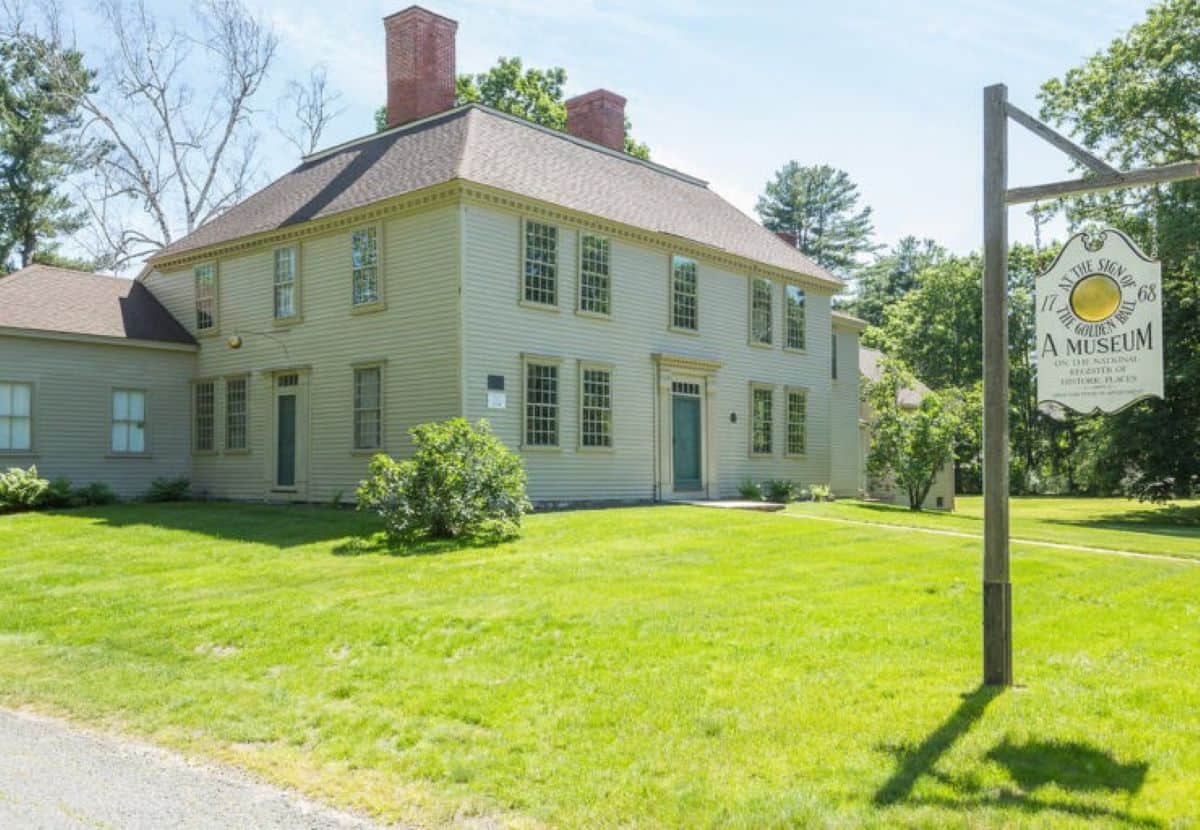
Image Credit massachusetts250.org
The Atlantic’s salt air can be found a quick thirty miles south of Massachusetts. The obsession with more and bigger was especially evident among the wealthy; everyone desperately wanted a bigger spot in the marina, and started building gaudier and more flashy strip towns and defensive, gated, secluded spots. Thankfully, a newer preference among the elite has emerged. This preference means moving into secluded, less stimulating places. Nantucket embodies peace with grass, wind swept cliffs, and weathered grey shingles. It’s a sigh of relief to welcome the peacefully sun faded cobblestones that offer the privacy of being away from the crowd. There’s no need for condos or neon or an endless view of garbage to fill your horizon. Safety and tranquility abound most people will never get to experience that. Nantucket proves the status of traveling is not the amount of things you own, but the amount of tranquility and peace you possess.
Advertisement
Advertisement
Why are high-net-worth holidaymakers swapping noisy hotspots for Nantucket, Massachusetts?
High-net-worth holidaymakers are swapping loud, over-touristed resort hubs for Nantucket, Massachusetts because the island offers an unpretentious sanctuary defined by quiet luxury, rich history, and deep privacy. Instead of garish skyscrapers, mega-malls, and neon-lit commercial strips, the island enforces timeless 18th-century aesthetics through strict rules governed by the Nantucket Historic District Commission.
Advertisement
Advertisement
Visitors walking along the famous cobblestone streets of Nantucket Town experience a peaceful setting where historical Quaker and whaling-era identity remains completely intact. The island provides a rare retreat where prestige is expressed through subtlety, environmental harmony, and historical authenticity rather than public display.
How does friction-based access keep Nantucket, Massachusetts strictly exclusive?
Advertisement
Advertisement
Reaching Nantucket, Massachusetts involves deliberate geographic and infrastructural hurdles that naturally limit visitor volume and deter spontaneous crowds. Marine transport is strictly managed through state-chartered entities like the Woods Hole, Martha’s Vineyard and Nantucket Steamship Authority, which limits vehicle permits and requires advance bookings for ferries departing Cape Cod.
Similarly, Nantucket Memorial Airport manages incoming air traffic by imposing seasonal gate capacity limits and high private aviation landing fees. These natural friction filters guarantee that those arriving on the island deeply value its quiet atmosphere, limited footprint, and fragile coastal ecosystem.
Why is over half of Nantucket, Massachusetts legally protected from development?
More than fifty percent of the total land mass across Nantucket, Massachusetts is permanently protected from commercial and residential development. Conservation organisations, such as the Nantucket Conservation Foundation, actively manage over 9,000 acres featuring untouched coastal heathlands, rolling cranberry bogs, and sweeping sand dunes.
This land preservation program is funded in part by the Nantucket Islands Land Bank through a two percent real estate transfer fee. As property values rise, public funding automatically grows, ensuring scenic ocean views and historic walking trails are preserved forever for public enjoyment.
What demographic trends define Nantucket, Massachusetts as a high-net-worth haven?
Advertisement
Advertisement
Socioeconomic data compiled by the United States Census Bureau reveals that Nantucket, Massachusetts maintains an extraordinarily high concentration of wealth compared to national and state averages. American Community Survey five-year estimates show median owner-occupied home values exceeding $1,593,800, while median household incomes stand near $139,688.
While the island supports a modest year-round population of roughly 14,483 residents, summer numbers regularly surge past 50,000 individuals due to seasonal homeowners and yachting traffic. The rise of flexible remote work has also extended the traditional summer season into long, vibrant shoulder months through spring and autumn.
How does seasonal tourism impact local labor and housing on Nantucket, Massachusetts?
The massive influx of summer visitors to Nantucket, Massachusetts creates significant economic challenges, particularly concerning local workforce housing and municipal infrastructure. Rapidly rising home valuations make seasonal worker accommodation scarce, prompting municipal leaders to establish dedicated affordable housing trust initiatives.
To protect long-term sustainability, local planners carefully balance municipal services, water conservation efforts, and waste management systems during peak travel periods. Active community planning ensures that the economic benefits of tourism never compromise the island’s unique residential character or essential public services.
What makes Nantucket, Massachusetts the ultimate model for future travel trends?
Advertisement
Advertisement
Nantucket, Massachusetts serves as a global model for sustainable high-end tourism by proving that long-term appeal depends on ecological preservation rather than rapid expansion. By capping physical access, protecting open space, and maintaining strict design guidelines, the island successfully hosts global visitors without sacrificing local identity.
As luxury travel trends continue to move towards environmental mindfulness and peaceful seclusion, Nantucket’s protective policies offer a clear roadmap for coastal destinations worldwide. The island proves that limiting commercial growth creates an enduring sanctuary for future generations.
Analyzing the Real Estate Squeeze and Real Estate Transfer Dynamic
The ultra-high evaluation of real estate on Nantucket creates a unique financial ecosystem driven by private capital and municipal collection mechanisms. According to official data from the U.S. Census Bureau and town administrative tax records, local property tax structures maintain a residential assessment rate of roughly $3.12 per $1,000 of assessed property value. This low tax rate yields substantial municipal revenues due to exceptionally high overall property valuations across the island.
A major driver of open-space conservation and public infrastructure development is the local real estate transfer tax, known as the Nantucket Islands Land Bank fee. This mechanism imposes a 2% fee on buyers during qualifying property transfers. The average value for owner-occupied residential properties exceeds $1,593,800 according to American Community Survey estimates. Total housing inventory stands at 13,177 units, with more than 60% designated as seasonal or secondary homes. Meanwhile, the homeownership rate among permanent, year-round residents sits at 71.8%. Capital generated from property transactions flows directly into land trust acquisitions, insulating the island from rapid overdevelopment and safeguarding local ecosystems.
Maritime Transportation Dynamics and Access Control Metrics
Advertisement
Advertisement
Maritime access to Nantucket is strictly capacity-constrained, functioning as a physical regulator that caps daily visitor arrivals. The Woods Hole, Martha’s Vineyard and Nantucket Steamship Authority operates year-round passenger and freight ferries across the 30-mile stretch of the Nantucket Sound, enforcing strict vehicle length limits and advance reservation deadlines.
Operating across a maritime corridor of 30 nautical miles, ferry operations handle between 10,000 and 15,000 passenger arrivals per day during peak summer operations. Non-resident vehicular permits for summer travel regularly sell out months in advance, preventing sudden unmanaged traffic spikes and protecting local road networks. This infrastructural limit maintains a balanced ratio between temporary visitors and available island services.
Private Aviation Trends and Airport Infrastructure Operations
Nantucket Memorial Airport serves as the primary air transport portal for ultra-high-net-worth travellers, frequently ranking as the second busiest airport in Massachusetts by total aircraft operations during peak summer months, behind Boston Logan International Airport.
The facility handles over 100,000 seasonal aircraft takeoffs and landings annually. Flight traffic includes a high proportion of private fractional charter fleets and executive turboprop shuttles. Due to fixed ramp allocations and strict municipal noise control ordinances, airport management uses slot scheduling systems to space incoming arrivals evenly, avoiding airside congestion.
Local Governance Frameworks and Architectural Control Standards
Advertisement
Advertisement
Nantucket governs its local affairs through a traditional New England Town Meeting system, supported by specialized regulatory boards that oversee land use and structural modifications. Established under statutory authority, the Nantucket Historic District Commission holds legal power over exterior building modifications across the entire island.
The Commission mandates traditional exterior elements, including unpainted natural cedar shingle siding, specific sash window ratios, and historically accurate paint palettes. Municipal commercial codes prohibit illuminated neon signage and restrict formula chain businesses under local zoning bylaws, protecting independent regional vendors and preserving a distinct architectural landscape.
Environmental Land Trusts and Coastal Protection Funding
Environmental conservation on the island relies on structured cooperation between local municipal bodies, public land banks, and non-profit land trusts. Ongoing coastal erosion and rising sea levels require continuous capital investments dedicated to shoreline stability and environmental protection.
The Nantucket Conservation Foundation holds title to over 9,000 acres, representing approximately 33% of the island’s total land area. When combined with public reserves, more than 50% of the island is legally protected from commercial development. Multi-million-dollar municipal allocations are continuously directed toward dune restoration, beach nourishment, and coastal flood mitigation projects to guard inland properties against Atlantic storm surges.
Seasonal Population Shifts and Municipal Infrastructure Pressures
Advertisement
Advertisement
The expansion from a quiet winter population to a dense summer peak places significant demands on municipal utility networks and waste management infrastructure. Key resources like municipal water systems, electrical grids, and trash processing operations experience major demand spikes during the summer months.
The island’s permanent base of roughly 14,483 residents swells to over 50,000 individuals daily during the summer peak. Solid waste management requires specialized barge transport to ship daily trash volume off-island during July and August. Meanwhile, municipal wastewater treatment plants operate near peak operational capacity during peak periods, requiring comprehensive winter maintenance schedules to ensure year-round reliability.
Workforce Housing Initiatives and Local Wage Mitigation
The gap between escalating real estate prices and local earning power presents challenges for retaining essential municipal workers, healthcare personnel, and seasonal hospitality employees. To address this structural issue, the Town of Nantucket established the Affordable Housing Trust to finance dedicated workforce housing developments.
While median household income averages approximately $139,688, individual median rental costs exceed $2,213 per month. Local Town Meeting voters regularly approve tax allocations and overrides to build municipal workforce housing units and seasonal dormitory facilities. Inclusionary zoning guidelines also require new development projects to include dedicated affordable units, protecting the local service economy.
Retail Distribution Networks and Supply Chain Economics
Advertisement
Advertisement
Delivering consumer goods, vehicle fuel, and fresh foods to an island thirty miles offshore requires organized maritime logistical channels. Heavy goods vehicles move across the Nantucket Sound on dedicated freight ferries operated by the Steamship Authority to stock local stores and markets daily.
Local retail outlets generate over $597 million in annual sales, while hospitality and food service sectors contribute more than $240 million annually according to economic data from the U.S. Census Bureau. Freight surcharges add an estimated 10% to 20% transport premium on consumer goods relative to mainland prices. Nevertheless, high summer tourist spending maintains strong profit margins for local merchants throughout the year.
The Final Verdict
As the sun goes down, salt marshes begin to soften and the ocean winds rush over the cold and empty bluffs. Then Nantucket makes itself known, showing everyone why they choose to visit. Research shows some visitors come for various real estate metrics, property values, and permits to buy, but there’s so much more to it than that. Everyday life can be very stressful and chaotic, and people are really just searching for some calm. No matter how fast and how temporary the world becomes, there is something rare that can be found on Nantucket, something grounded, and something steady and timeless. For travelers embarking on their journey to escape, Nantucket becomes so much more than just a typical travel destination. It has a special gift to relax people’s hearts and calm their souls. By treasuring and preserving its history and witty spaces, Nantucket is able to show the true meaning of real travel and real true luxury that was always the peace, the belonging, and the serenity. The skies and waters on Nantucket are the real treasures.
Frequently Asked Questions
Why are wealthy travellers choosing Nantucket, Massachusetts over traditional luxury hubs? High-net-worth travellers choose Nantucket because it offers understated quiet luxury, historical charm, and seclusion away from commercial noise, high-rise hotels, and intrusive crowds.
Advertisement
Advertisement
How does Nantucket limit mass tourism during peak seasons? The island uses natural physical barriers, restricted ferry vehicle permits through state authorities, and slot controls for private aviation at Nantucket Memorial Airport to manage incoming visitor numbers.
What percentage of land on Nantucket is protected from development? Over 50% of Nantucket’s total land area is permanently preserved through land conservation trusts and public open-space programs funded by real estate transfer fees.
What is the population difference between winter and summer on Nantucket? The year-round population of approximately 14,483 swells to over 50,000 people during peak summer months due to seasonal residents, yachting traffic, and holidaymakers.
Advertisement
