
Cumbria Visitor Levy Debate Shapes Future Travel Costs And Tourism Investment

Published
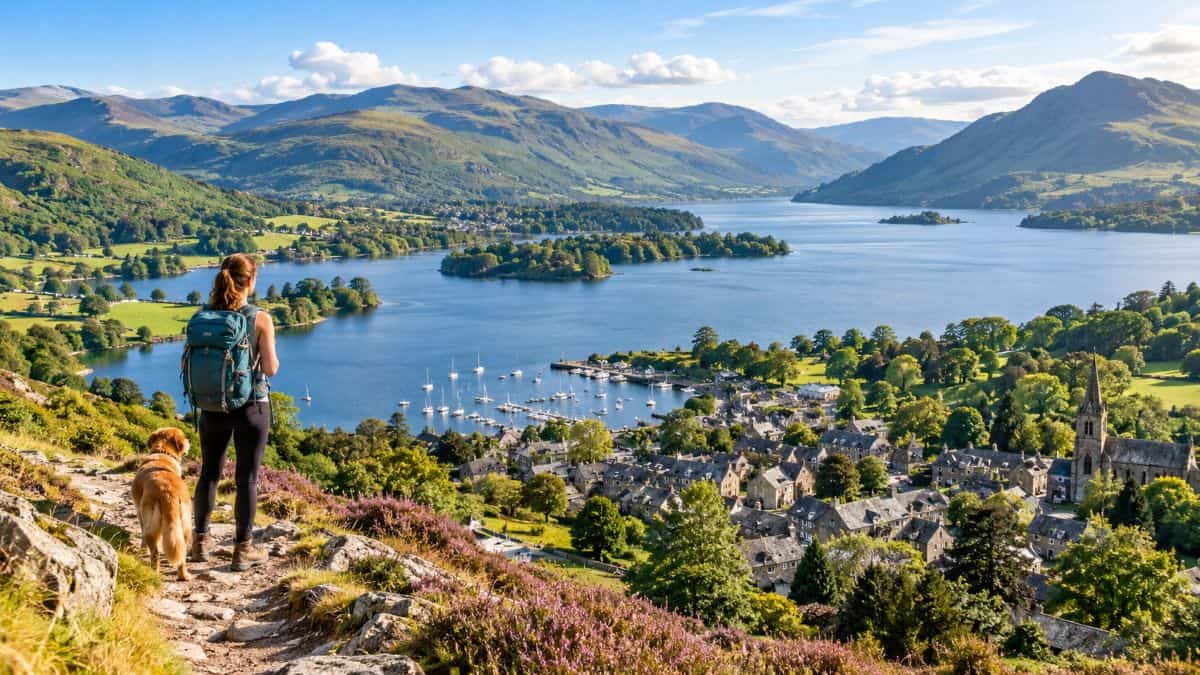
Image generated with Ai
Cumbria’s tourism industry is facing an important policy debate as candidates in the region’s upcoming mayoral election express differing views on a proposed visitor levy. The potential charge could influence how tourists budget for accommodation while creating a new source of funding for public services, transport and destination improvements. The proposal has attracted attention from hospitality businesses, local representatives and tourism stakeholders who are assessing its possible effects on the county’s visitor economy. With the Lake District remaining a major attraction for domestic and international travellers, decisions about tourism funding could have implications for the wider travel experience.
The debate took place during a meeting of the Lake District Hotels Association at Low Wood Bay Resort in Windermere, where three mayoral candidates discussed the proposal with hospitality leaders. Labour candidate David Allen and Liberal Democrat candidate Libby Bateman expressed support for a visitor levy, although Bateman highlighted the need for a flexible approach across different parts of Cumbria. Conservative candidate Mike Starkie opposed the idea, saying he would not introduce a visitor tax if elected. Their contrasting positions underline the challenge of balancing tourism investment, business concerns and the interests of local residents.
Advertisement
Advertisement
Mayoral Candidates Present Different Tourism Funding Plans
The proposed visitor levy has emerged as a significant issue ahead of Cumbria’s first Mayoral election, scheduled for May 2027. The policy is connected to wider devolution plans that would provide local leaders with powers to introduce an overnight visitor charge.
Under the proposed framework described in the supplied report, the levy would be calculated as a percentage of accommodation costs. This approach is intended to account for differences in visitor spending and reduce the impact on travellers choosing lower-cost accommodation.
Advertisement
Advertisement
The Government has stated that revenue from visitor levies could support town-centre improvements, public transport and events that contribute to tourism development. However, the final structure, rate and implementation arrangements would depend on decisions made by the relevant local authority.
Advertisement
Advertisement
The following table summarises the positions presented during the hospitality meeting.
| Candidate | Political Affiliation | Position On Visitor Levy | Key Considerations |
|---|---|---|---|
| David Allen | Labour | Supports the proposal | Community investment, public transport and environmental improvements |
| Libby Bateman | Liberal Democrat | Supports the proposal | Congestion management and locally appropriate policies |
| Mike Starkie | Conservative | Opposes the proposal | Concerns about the impact on Cumbria’s tourism economy |
The candidates’ statements demonstrate that the discussion is not limited to whether a levy should be introduced. It also concerns how tourism revenue could be collected, allocated and managed across destinations with different economic and visitor profiles.
Supporters Highlight Local Infrastructure And Community Benefits
David Allen, Cumbria’s Police, Fire and Crime Commissioner and Labour mayoral candidate, said he supported introducing a visitor levy. His position focused on ensuring that money generated through tourism would return to communities across the county.
Advertisement
Advertisement
According to the supplied report, Allen identified several potential uses for the revenue, including improvements to the built environment, public transport and public toilets. He also referred to keeping the fells free from litter and supporting young people to remain in the area.
These priorities connect visitor spending with the infrastructure that supports tourism. Public toilets, transport services, clean outdoor spaces and well-maintained public areas can affect the experience of visitors while also serving local residents.
Advertisement
Advertisement
Allen also called for businesses to be involved from the beginning of the process. He said Cumbrian residents should be exempt from the proposed levy.
Business participation could become an important consideration if the policy progresses. Accommodation providers would potentially be involved in collecting or administering the charge, making consultation relevant to its practical implementation.
Regional Differences Raise Questions About Levy Structure
Liberal Democrat candidate Libby Bateman also backed the visitor levy but warned that a single policy for the entire county would not address every destination’s circumstances.
Bateman highlighted differences between the Lake District and locations such as Barrow, Penrith and Carlisle. Her comments reflected the varied nature of Cumbria’s tourism economy, where rural visitor attractions, urban centres and coastal communities may experience different pressures.
The Lake District is closely associated with outdoor recreation, scenic landscapes and accommodation-based tourism. Carlisle has a distinct urban and heritage tourism profile, while Barrow and Penrith have their own economic and visitor priorities.
Advertisement
Advertisement
A county-wide levy could therefore raise questions about how revenue should be distributed and whether different areas require separate arrangements. Issues such as congestion, seasonal demand, transport access and public infrastructure may vary considerably between locations.
Bateman’s position suggests that policy design would need to consider local circumstances rather than assume that the same approach would produce identical outcomes across Cumbria.
Opposition Focuses On Potential Impact On Tourism Businesses
Conservative candidate Mike Starkie opposed the proposed levy during the meeting. Starkie, who previously served as the directly elected mayor of Copeland, stated that he would not introduce a visitor tax if elected.
He argued that Cumbria could be more heavily affected by a tourism tax than larger cities. His position raises concerns about the possible relationship between accommodation costs, visitor demand and the competitiveness of tourism businesses.
For hospitality operators, additional charges can create administrative responsibilities and affect how accommodation prices are presented to customers. The actual impact would depend on the levy’s design, the rate applied, exemptions and how travellers respond to the additional cost.
Advertisement
Advertisement
Starkie also expressed support for devolution and the opportunity to bring investment into Cumbria. According to the supplied report, he proposed establishing a business advisory group if elected.
Such a group could provide a formal mechanism for businesses to communicate concerns and contribute to discussions about economic policy. Its potential structure and authority would depend on future decisions.
Hospitality Industry Requests Full Consultation
Michael Coletta, chair of the Lake District Hotels Association, welcomed the opportunity for candidates to speak directly with hospitality representatives.
The association represents tourism and hospitality businesses in the region, making its perspective relevant to discussions about visitor charges and destination management.
Coletta said the industry needed reassurance that full consultation would take place before any levy was introduced. This request reflects the importance of engaging accommodation providers and other tourism businesses in the development of policies that could affect their operations.
Advertisement
Advertisement
Consultation could address practical matters such as collection methods, communication with visitors, exemptions, administration costs and the allocation of funds. It could also provide opportunities for businesses to raise concerns about the effect on different types of accommodation.
The supplied report does not establish that a final levy rate or implementation timetable has been confirmed. Further decisions and consultation would be needed before travellers could know whether an additional charge would apply to their accommodation.
What The Proposal Could Mean For Future Visitors
A visitor levy could affect the cost of overnight stays in Cumbria if introduced. Travellers would need to consider whether the charge was included in accommodation prices or listed separately during the booking process.
The Government has described the potential levy as a mechanism for supporting tourism hotspots and reinvesting money in local communities. Its spokesperson said funds could help manage visitor footfall, improve areas for residents and support regional tourism.
For visitors, the effects would depend on how the revenue was used. Investment in public transport could improve access to attractions, while better-maintained public facilities could support the overall travel experience. Events and town-centre improvements could also contribute to destination appeal.
Advertisement
Advertisement
However, the proposal remains part of a political and administrative discussion. No assumption should be made that every suggested improvement would be funded or implemented.
The debate also raises broader questions about sustainable tourism. Popular destinations must manage visitor numbers, environmental pressures and infrastructure requirements while maintaining their appeal to travellers and supporting local communities.
Cumbria’s Tourism Future Remains Linked To Policy Decisions
The disagreement between the three mayoral candidates highlights competing approaches to tourism funding in Cumbria. Supporters have emphasised potential investment in public services and destination management, while opposition has focused on the possible impact of additional costs on the tourism economy.
The Lake District Hotels Association has called for consultation, placing business engagement at the centre of the discussion. As the May 2027 mayoral election approaches, further policy details will be important for residents, accommodation providers and visitors planning trips to the county.
For now, the proposed visitor levy remains a subject of debate rather than an established charge for travellers. Its future will depend on the outcome of local political decisions, the devolution framework and any subsequent consultation and implementation process.
Advertisement
Advertisement
Frequently Asked Questions
1. What Is The Proposed Cumbria Visitor Levy?
The proposed visitor levy is an overnight accommodation charge that could be introduced under new devolution arrangements. The supplied report describes it as a percentage of accommodation costs.
2. Why Is Cumbria Considering A Visitor Levy?
The proposal is intended to create potential funding for tourism-related improvements, including public transport, town centres and local facilities.
3. Which Mayoral Candidates Support The Levy?
Advertisement
Advertisement
Labour candidate David Allen and Liberal Democrat candidate Libby Bateman expressed support for the proposal.
4. Which Candidate Opposes The Visitor Tax?
Conservative candidate Mike Starkie opposed the proposal and said he would not introduce a visitor tax if elected.
5. Would Cumbrian Residents Pay The Levy?
David Allen said local residents should be exempt. The final arrangements have not been established in the supplied report.
Advertisement
Advertisement
6. Could The Levy Affect Accommodation Prices?
If introduced, the levy could increase the total cost of overnight accommodation. Its effect would depend on the rate and collection arrangements.
7. Where Was The Mayoral Debate Held?
The discussion took place at Low Wood Bay Resort in Windermere during a meeting of the Lake District Hotels Association.
8. Why Does The Hospitality Industry Want Consultation?
Advertisement
Advertisement
Hospitality representatives want businesses to be involved in discussions before any visitor levy is introduced.
9. Could The Levy Support Public Transport?
The Government and supporting candidates have identified public transport as one potential area for investment.
10. When Is Cumbria’s First Mayoral Election Scheduled?
According to the supplied report, Cumbria’s first Mayoral election is scheduled for May 2027.
Advertisement
