
Saudi Arabia Faces Fresh Tourism Disruption As Riyadh Airport Raises Aviation And Travel Safety Concerns

Published
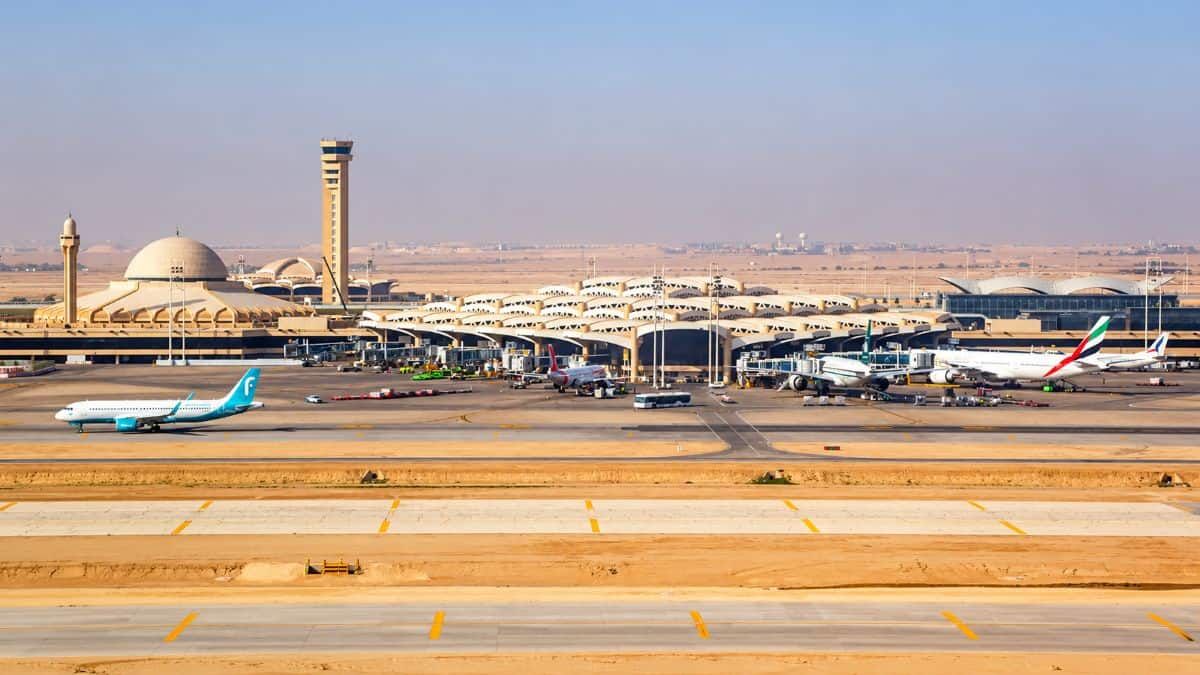
Saudi Arabia’s tourism ambitions face renewed uncertainty after a reported attack near Riyadh disrupted flights and highlighted the growing impact of regional conflict on international travel, aviation reliability and visitor confidence. The incident comes as the Kingdom continues expanding its tourism infrastructure, attracting international visitors and developing Riyadh as a major business, entertainment and events destination.
The reported security incident on 19 September brought renewed attention to the risks facing travellers using King Khalid International Airport. Yemen’s Houthis claimed to have targeted sensitive sites in Riyadh with missiles and drones, while Saudi authorities issued an aerial threat warning. Saudi air defences reportedly intercepted a missile directed towards the capital, and Civil Defence later announced that the immediate danger had passed. Flight cancellations and delays added to uncertainty for passengers and airlines operating within an increasingly sensitive regional aviation environment.
Advertisement
Advertisement
For Saudi Arabia, the disruption extends beyond individual flight schedules. The Kingdom’s tourism strategy depends on dependable international connections, major events and growing visitor spending. Continued regional instability could influence travel planning, hotel bookings, business conferences and airline operations in the weeks ahead.
Riyadh Airport Disruption Highlights Regional Aviation Risks
The reported incident near Riyadh placed aviation operations under renewed pressure. King Khalid International Airport experienced flight cancellations and delays before services began recovering, according to the supplied report. Although the disruption did not establish a prolonged airport closure, it demonstrated how security developments can quickly affect travel arrangements.
Advertisement
Advertisement
Airlines operating across the Middle East must respond to changing security assessments, potential airspace restrictions and passenger concerns. Schedule adjustments, flight diversions and longer routes can affect operating costs and connecting services. Travellers may also face missed connections, extended waiting times and last-minute changes to their itineraries.
Advertisement
Advertisement
The regional aviation network increases the potential for wider effects. Major gateways including Riyadh, Dubai, Abu Dhabi and Doha serve interconnected markets, linking leisure travellers, business passengers and international event delegates. Disruption in one location can create operational challenges elsewhere, even when airports remain open.
For passengers planning travel to Saudi Arabia, checking airline notifications and official travel advisories is particularly important during periods of regional uncertainty.
Saudi Arabia’s Tourism Expansion Faces A New Test
Saudi Arabia has invested heavily in tourism as part of its economic diversification strategy. The supplied report states that the Kingdom recorded approximately 123 million tourists in 2025, including more than 30 million international visitors. It also reports that the country is working towards a target of 150 million annual visitors by 2030.
The expansion has involved investment in hotels, airports, airlines, entertainment destinations and major events. Riyadh has become a central part of this development, with growing interest in business tourism, leisure travel, cultural experiences and international conferences.
The reported airport disruption therefore comes at a time when the Kingdom is attempting to strengthen its position in the global tourism market. Reliable aviation access is essential for destinations seeking to attract visitors from multiple continents.
Advertisement
Advertisement
The immediate incident does not, by itself, establish a sustained decline in tourism demand. However, repeated disruptions could create operational and commercial challenges for tourism businesses that depend on predictable travel arrangements.
International Visitors And Business Travellers Monitor Security Conditions
Travel safety has become an increasingly important consideration for visitors and organisations planning trips to the Middle East. The supplied report states that the United States State Department advised Americans in the region to exercise heightened vigilance and urged people outside the region to seriously reconsider travel to and through the Middle East.
Government travel advisories can influence individual booking decisions, corporate travel policies and insurance arrangements. International organisations may also review their responsibilities towards employees attending conferences, exhibitions and business meetings.
Riyadh’s growing meetings, incentives, conferences and exhibitions sector is particularly dependent on international participation. Large events support hotel occupancy, airline demand, restaurants, transport providers and other tourism-related businesses.
Event organisers typically consider several factors before proceeding with international programmes, including flight reliability, security conditions, insurance coverage and emergency response arrangements. If uncertainty continues, some organisations could seek more flexible booking terms or reconsider travel schedules.
Advertisement
Advertisement
Hotels and tour operators may also experience changes in booking behaviour. Potential effects could include shorter booking windows, greater demand for cancellation flexibility and increased enquiries about travel conditions. These are possible commercial responses rather than confirmed outcomes from the reported incident.
Key Tourism And Aviation Indicators
| Indicator | Reported Information |
|---|---|
| Reported incident date | 19 September 2026 |
| Location | Riyadh, Saudi Arabia |
| Airport affected | King Khalid International Airport |
| Immediate aviation impact | Cancellations and delays, followed by recovery |
| Reported 2025 passenger volume | More than 140 million airport passengers |
| Reported 2025 tourism volume | Approximately 123 million tourists |
| International visitors in 2025 | More than 30 million |
| Saudi Arabia’s 2030 visitor target | 150 million annual visitors |
| Major future event | Expo 2030 Riyadh |
The figures above are drawn from the supplied news report. Passenger totals and tourist arrival figures refer to different measurements and should not be treated as interchangeable.
Tourism Businesses Prepare For Greater Travel Uncertainty
Saudi Arabia’s tourism industry now includes a broader range of international leisure and business activity than in earlier stages of the Kingdom’s diversification programme. This expansion increases the number of businesses exposed to potential aviation disruption.
Airlines must maintain clear passenger communication when schedules change. Travel management companies may need to review alternative routing options, while tour operators could face increased requests for booking flexibility. Hotels and event venues may also monitor cancellations and forward reservations for signs of changing demand.
The wider regional environment remains an important consideration. The supplied report describes continuing concerns about the broader confrontation, Houthi escalation and strategic shipping routes. However, the report does not establish that these developments have caused a sustained downturn in Saudi tourism.
Advertisement
Advertisement
For destination businesses, resilience depends partly on maintaining operational continuity and communicating accurate information. Travellers require clear guidance about flight status, entry arrangements and any applicable official safety recommendations.
The Next Few Weeks Could Shape Traveller Confidence
Saudi authorities reportedly issued an all-clear following the immediate security warning, and flight operations began recovering. These developments indicate that the reported disruption did not automatically result in a long-term shutdown of Riyadh’s aviation infrastructure.
Nevertheless, the tourism industry will be watching whether similar incidents recur and whether airlines experience continuing operational restrictions. The duration and frequency of disruptions could influence travel confidence, particularly among international visitors and conference delegates.
Saudi Arabia’s tourism development plans are long-term economic initiatives. A single reported incident does not establish that those plans have been fundamentally altered. At the same time, dependable aviation connections remain essential to achieving visitor growth targets and supporting the Kingdom’s expanding tourism ecosystem.
Travellers considering visits to Riyadh should review current airline information and relevant government travel guidance before departure. Conditions can change rapidly, and official updates should take precedence over assumptions based on earlier flight schedules.
Advertisement
Advertisement
Conclusion
The reported Riyadh airport disruption highlights the relationship between regional security, aviation reliability and tourism development in Saudi Arabia. While services reportedly began recovering after the incident, the potential for repeated disruptions remains a concern for airlines, hotels, event organisers and international travellers.
Saudi Arabia’s expanding tourism sector continues to depend on international connectivity and visitor confidence. The industry’s near-term resilience will be assessed through operational stability, event continuity and booking behaviour as regional conditions develop.
Frequently Asked Questions
1. What happened near Riyadh airport?
A reported security incident on 19 September 2026 involved claimed missile and drone targeting near Riyadh. The incident was followed by an aerial threat warning and flight disruptions.
2. Was King Khalid International Airport closed?
Advertisement
Advertisement
The supplied report describes cancellations and delays followed by recovering operations. It does not establish a prolonged airport closure.
3. Were flights from Riyadh cancelled?
The report states that Riyadh airport experienced cancellations and delays. Travellers should confirm individual flight status directly with their airlines.
4. How could regional conflict affect Saudi tourism?
Conflict-related disruption can affect flight reliability, travel planning, event attendance and visitor confidence.
Advertisement
Advertisement
5. Is Saudi Arabia’s tourism industry experiencing a confirmed downturn?
The supplied report does not provide evidence of a sustained tourism downturn following the incident.
6. Why is Riyadh important to Saudi tourism?
Riyadh is a major business, entertainment, events and hospitality centre within Saudi Arabia’s tourism development strategy.
7. What is Saudi Arabia’s tourism target for 2030?
Advertisement
Advertisement
The supplied report states that Saudi Arabia is working towards 150 million annual visitors by 2030.
8. How can travellers monitor disruptions?
Travellers should check airline notifications, airport updates and relevant government travel advisories before departure.
9. Could business events be affected?
International conferences and exhibitions may be sensitive to flight reliability, security conditions and organisational travel policies.
Advertisement
Advertisement
10. Will the incident stop Saudi Arabia’s tourism expansion?
The supplied report does not establish that the incident will stop the Kingdom’s long-term tourism development plans. Continued regional conditions will influence the sector’s operating environment.
Advertisement
