
Poland Teams Up With Greece And European Destinations As Oil Prices Rise Over 13% Putting Tourism Spending Under Strain

Updated
Published
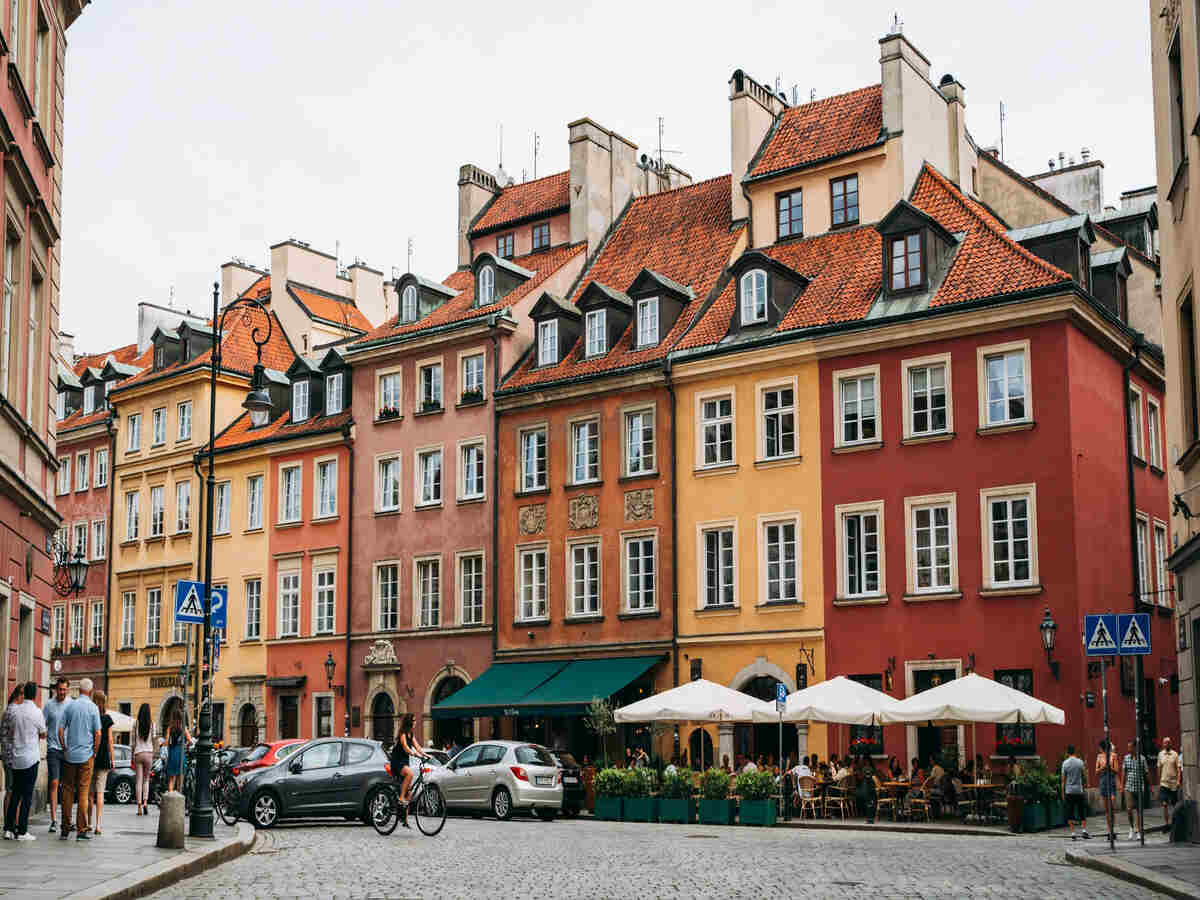
Image generated with Ai
Europe is under tourism stress due to the high price of oil. There is another economic challenge for Europe’s tourism industry, and that is because the increase in the cost of fuel oil starts to impact travel costs, airlines, cruises, and road tourism in Europe. An increase in the price of crude oil because of geopolitical risks and worries about oil from the Middle East is putting stress on tourism destinations.
Poland, Greece and several other European countries are now experiencing some of the strongest fuel increases, with diesel prices rising by more than 13% in Poland and over 12% in Greece in a single month. The increase comes as European travellers, airlines, ferry operators and tourism businesses already manage higher operating expenses.
Advertisement
Advertisement
According to Eurostat data, fuel and lubricant prices for personal transport across the European Union increased by 16.9% year-on-year in July 2026. Diesel prices increased by 4.3% month-on-month, while petrol prices climbed 4.7% compared with the previous month.
The impact is spreading across Europe’s tourism ecosystem, affecting everything from airport transfers and rental cars to flights, cruises and holiday packages.
Advertisement
Advertisement
Oil Price Shock Creates Pressure Across European Tourism Markets
The recent oil price rise has created a difficult situation for European destinations because tourism depends heavily on transportation.
Advertisement
Advertisement
Visitors need fuel for:
- Flights connecting international markets
- Rental cars for independent travel
- Coaches for group tours
- Ferries connecting islands
- Cruise ships operating across Mediterranean routes
- Supply chains supporting hotels and restaurants
When oil prices rise, tourism businesses often face higher costs, which can eventually influence holiday prices.
For popular tourism economies such as Greece, Spain, Italy and France, fuel inflation can directly affect visitor spending because transportation represents a major part of the travel experience.
Advertisement
Advertisement
European Countries Facing Fuel Price Surge
| Country | Fuel Price Increase | Tourism Impact |
|---|---|---|
| Poland | Diesel +13.4%, Petrol +17.2% monthly | Higher road travel, coach tourism and domestic holiday costs |
| Germany | Diesel +12.7%, Petrol +11% monthly | Pressure on transport operators and travel spending |
| Greece | Diesel +12.1% monthly | Island tourism, ferries and rental cars affected |
| Spain | Petrol +7.1% monthly | Higher tourism mobility costs |
| Romania | Fuel +24.2% yearly | Transport and travel expenses rising |
| Lithuania | Fuel +22.9% yearly | Higher logistics and tourism supply costs |
| Bulgaria | Fuel +22.2% yearly | Increased travel operating expenses |
| Netherlands | Fuel +22% yearly | Shipping, aviation and logistics pressure |
| Finland | Fuel +20.5% yearly | Higher transport costs |
| Italy | Fuel +12.5% yearly | Cruise, ferry and tourism transport pressure |
| Ireland | Fuel +3.2% yearly | Lower increase but aviation exposure remains |
Poland Leads Europe’s Short-Term Fuel Surge
Tourism Faces Higher Road Travel Costs
Poland has emerged as one of Europe’s biggest hotspots for fuel price increases.
Diesel prices increased 13.4% month-on-month, while petrol prices jumped 17.2%, the highest increase among EU countries during the period.
Advertisement
Advertisement
The rise creates challenges for:
- Domestic tourism
- Coach operators
- Long-distance bus services
- Rental car companies
- Road holiday travellers
Poland’s growing tourism sector, including city breaks, mountain destinations and Baltic Sea holidays, could experience higher transportation expenses as fuel costs increase.
Hotels and tour operators may also face higher supply costs because food deliveries, maintenance services and staff transportation become more expensive.
Greece Battles Rising Fuel Costs As Island Tourism Feels Pressure
Ferries And Holiday Transport Face Higher Expenses
Greece recorded one of the largest diesel increases in Europe, with prices rising 12.1% month-on-month.
The increase is particularly important for Greece because tourism depends heavily on transportation.
Advertisement
Advertisement
The country’s island destinations rely on:
- Ferries
- Small aircraft connections
- Rental vehicles
- Tourist buses
Higher marine fuel prices could increase ferry operating costs, potentially affecting island travel packages.
Popular destinations including Santorini, Mykonos, Crete and Rhodes could face additional pressure if transport companies transfer higher fuel expenses into ticket prices.
Germany Faces Transport And Tourism Cost Pressure
Germany recorded one of Europe’s sharpest fuel increases.
Diesel prices climbed 12.7%, while petrol increased 11% in July compared with the previous month.
Advertisement
Advertisement
As Europe’s largest economy, Germany’s fuel increase has a wider impact.
Tourism sectors affected include:
- Coach travel
- Domestic holidays
- Business tourism
- Logistics supporting hotels
Germany is also a major source market for European tourism. Higher household fuel costs could influence discretionary travel spending if consumers reduce holiday budgets.
Spain’s Tourism Industry Watches Rising Petrol Costs
Spain recorded a 7.1% increase in petrol prices during the month.
The country remains one of Europe’s most visited destinations, attracting millions of international travellers every year.
Advertisement
Advertisement
Fuel increases could affect:
- Airport transfers
- Rental cars
- Road trips
- Tour buses
Spain’s island destinations, including the Balearic and Canary Islands, are particularly sensitive because transportation costs play a major role in visitor movement.
Italy Faces Pressure Across Cruise And Mediterranean Tourism
Italy’s tourism industry is closely connected with fuel costs.
Higher oil prices affect:
- Cruise operations
- Ferry networks
- Domestic flights
- Tourist transportation
Italy’s Mediterranean ports are among Europe’s busiest cruise destinations. Rising marine fuel expenses could influence cruise operators’ costs and potentially affect future itinerary pricing.
Advertisement
Advertisement
Netherlands And Northern Europe Face Logistics Challenges
The Netherlands recorded a 22% yearly fuel increase, one of Europe’s highest rises.
Because the country operates as a major European logistics hub, higher fuel prices could affect:
- Airport operations
- Maritime transport
- Cargo movement
- Tourism supply chains
Finland also experienced a significant yearly increase of 20.5%, creating additional pressure on transport costs due to long distances and energy dependence.
How Oil Surge Is Changing European Tourism
Airlines Could Face Higher Operating Costs
Fuel is one of the largest expenses for airlines.
A prolonged oil increase could lead to:
Advertisement
Advertisement
- Higher ticket prices
- Reduced airline margins
- Pressure on new route launches
- Increased operational costs
European aviation markets serving holiday destinations may feel the impact first.
Cruise Industry Faces Rising Fuel Bills
Mediterranean cruise operators could face higher expenses because ships consume large amounts of marine fuel.
Potential effects:
- Higher cruise package prices
- Changes in itinerary planning
- Increased operational pressure
Road Tourism Becomes More Expensive
Road trips remain popular across Europe.
Higher fuel costs may affect:
Advertisement
Advertisement
- Family holidays
- Campervan tourism
- Self-drive travel
- Domestic tourism
Countries with large road tourism markets could see travellers reconsider travel distances.
Tourism Spending Could Come Under Pressure
When transportation costs rise, travellers often adjust their spending.
Possible changes include:
- Shorter holidays
- Lower accommodation budgets
- Fewer activities
- Choosing closer destinations
This could create challenges for destinations that depend on high visitor spending.
Europe’s Tourism Outlook Amid Oil Uncertainty
Europe’s tourism recovery remains strong, but the latest oil surge introduces a new challenge. Countries such as Poland, Greece, Germany and Spain are already seeing significant fuel pressure, while major tourism economies across the continent monitor how long energy costs remain elevated.
Advertisement
Advertisement
If oil prices continue rising, European tourism businesses may need to adapt through:
- More fuel-efficient operations
- Sustainable transport solutions
- Alternative energy investments
- New pricing strategies
Tourism in Europe has been affected by new challenges that have emerged due to increases in oil prices, which are up more than 13%.
The main problem that tourism in Europe is facing is not only the current increase in fuel prices but the question of whether energy uncertainty in the future will change holidays and their costs.
Advertisement
