
Japan Is Now Set to See New Paper QR Tickets as Seven Operators Change Rail Travel From Spring 2027

Published
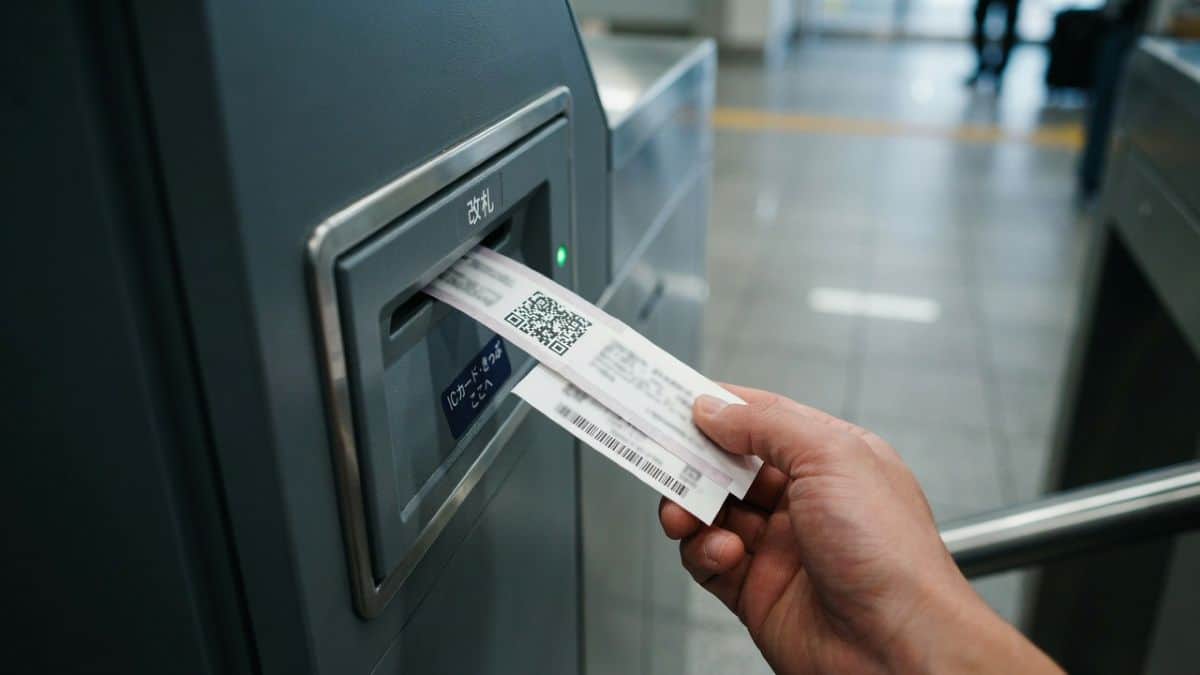
Japan unveils paper QR tickets for train travel from spring 2027, following a joint announcement by seven railway operators on 13 October 2026. Passengers will buy printed tickets, scan them at station gates and place them in collection boxes when leaving. A smartphone will not be required. The change concerns journeys across participating networks, including routes used by visitors. As of 15 October 2026, the shared starting window is confirmed, but individual dates and detailed arrangements remain pending. The notice does not call for immediate changes to existing travel plans.
QR Tickets: What the Official Evidence Confirms
The main story concerns railway ticket handling, network coverage and implementation. The percentages below are an editorial assessment of the story’s emphasis, totalling 100%. They are not official statistics, passenger shares or estimates of tourism growth. All findings come from the same joint notice.
Advertisement
Advertisement
| News Component | Share of Story | Officially Verified Finding | Relevance to Travellers | Official Source |
|---|---|---|---|---|
| Ticket replacement | 35% | Printed codes will replace magnetic tickets from spring 2027 | Check when the new format reaches your route | Joint notice, 13 October 2026 |
| Gate procedures | 30% | Scan at entry and exit; collect used tickets in boxes | Learn the new exit routine | Same joint notice |
| Network coverage | 20% | All lines and stations of seven operators are included | Handling depends on station equipment | Same joint notice |
| Existing alternatives | 10% | Contactless cards and mobile services remain part of ticketing plans | Printed tickets remain one travel option | Same joint notice |
| Further arrangements | 5% | Individual schedules and connection details will follow | Monitor notices before travelling | Official joint notice jreast.co.jp |
The evidence establishes a planned change to ticket use, not a completed nationwide conversion. It does not establish cheaper fares, faster trains, increased tourism spending or shorter queues. Coverage across participating networks also does not mean every station will have identical gates. Where compatible equipment is unavailable, passengers will use staffed counters. The distinction between network coverage and local handling is important for visitors making unfamiliar journeys. Separate network guidance excludes Sengakuji Station from one planned withdrawal of magnetic-ticket sales. That is a local exception, not evidence that the entire seven-network programme excludes the station from its stated service scope. Discounted and promotional products also require separate local checks.
How the Plans Developed and Why They Matter
The programme builds on an announcement dated 29 May 2024, which outlined replacing machine-issued ordinary short-distance magnetic tickets. It proposed a gradual introduction from the end of the 2026 financial year onwards. A further station-service announcement followed on 9 June 2026, identifying spring 2027 for the short-distance change on one network. The October notice references both earlier documents and provides the latest shared service outline. The earlier announcement involved eight participants; the current notice identifies seven. The October notice also says operators beginning services during the 2027 financial year or later will announce their schedules separately.
Advertisement
Advertisement
That sequence matters as Japan unveils paper QR tickets: the project has moved from an earlier proposal towards defined passenger procedures. For international visitors, the significance lies in everyday station use during airport transfers and sightseeing journeys. A traveller familiar with inserting a ticket into a gate will need to recognise a different process. The announcement changes that interaction without establishing a new timetable, route or immigration requirement. Its international relevance comes from visitors using the affected networks, rather than a change to border access. Haneda and Narita illustrate the visitor connection because participating networks serve their airport rail links. This relevance concerns ground transport; the notice does not announce changes to flights, airport processing or access to Japan.
Why Japan Unveils Paper QR Tickets
Maintenance and Paper Recycling Shape the Change
The published programme identifies sustainable railway operation as its central purpose. Earlier official material explains that magnetic ticket machinery is complex and that tickets can jam inside equipment. It also states that magnetic paper contains metal, requiring separation of its magnetic layer during recycling. Scanning printed codes aims to simplify handling and allow easier recycling. These are officially stated reasons for the transition, not evidence that failures or environmental impacts have already fallen.
Advertisement
Advertisement
Paper Access Continues Alongside Mobile Services
The change retains a physical ticket while contactless transport cards and mobile services remain central to wider ticketing plans. Passengers choosing the printed option will not need a smartphone display or mobile application to present their ticket. The strongest verified explanation is therefore an operational redesign that preserves different ways to travel. Its success remains unmeasured: the notice provides no verified reduction in maintenance costs, equipment failures, emissions or passenger waiting times.
What QR Tickets Mean for Visitors and Travel Businesses
Most machine-issued tickets will measure 57.5 × 85mm, with some exceptions. The official illustration compares this with an existing small format measuring 30 × 57.5mm. Calculated from those published dimensions, the new format has about 2.83 times the surface area, or approximately 183.3% more area. This calculation describes physical size only. It is not a measure of scanning speed, passenger capacity or accessibility. The notice also confirms seven participating operators, but supplies no total for affected paper-ticket users. The June update explained that the larger format was chosen to make the code easier to present. It did not publish a timed comparison between the old and new gates.
The confirmed traveller effect is a different gate procedure once services begin. Hotels, tour organisers and visitor information services may need to update directions that explain station entry and exit. That is an analytical implication, not a reported business outcome. No confirmed increase in bookings, spending or visitor numbers is linked to the rollout. The available evidence also offers no comparable international performance measure. Claims that this change makes Japan faster or more accessible than another destination would therefore go beyond the published findings.
Before Using QR Tickets: Checks and Confirmed Next Steps
Passengers planning journeys from spring 2027 should watch for route-specific instructions. The announcement calls for preparation and continued observation, rather than immediate changes to bookings. Paper users should understand these practical points before the system reaches their journey.
- Buy the printed ticket from a ticket machine.
- Present its code to the reader when entering.
- Scan again when leaving and use the collection box.
- Use a staffed counter where compatible gates are unavailable.
- Check arrangements for journeys crossing different railway networks.
- Confirm local start dates and changes affecting existing tickets.
Keep the paper ticket until you have completed the required exit procedure. Scanning the code does not remove the need to carry the ticket. Further notices will set out individual schedules, detailed handling rules and changes to magnetic-ticket services. Coordination continues with connecting railways, including trains running across network boundaries. No single final conversion date appears in the joint notice. It introduces no new passport or visa requirement and announces no related surcharge. Shinkansen ticket withdrawal is not announced in this document. Travellers should follow the instructions for their own ticket and monitor official notices as the starting window approaches.
A Clearer Picture Will Emerge Before Services Begin
As Japan unveils paper QR tickets, the confirmed change is straightforward: printed tickets will use scanning and collection boxes across participating networks. Services begin from spring 2027, while precise local dates and connecting arrangements still require further announcements. The programme preserves paper access alongside existing contactless options and aims to support sustainable railway operation. Benefits such as fewer failures or easier journeys remain goals rather than measured results. For visitors and travel businesses, the practical priority is accurate station guidance. Follow official updates for confirmed schedules and ticket instructions before planning how to use the new system on your journey.
Advertisement
