
Pittsburgh Now Joins Alstom’s Five Global Rail Innovation Centres as US Pushes Smarter Mobility

Updated
Published
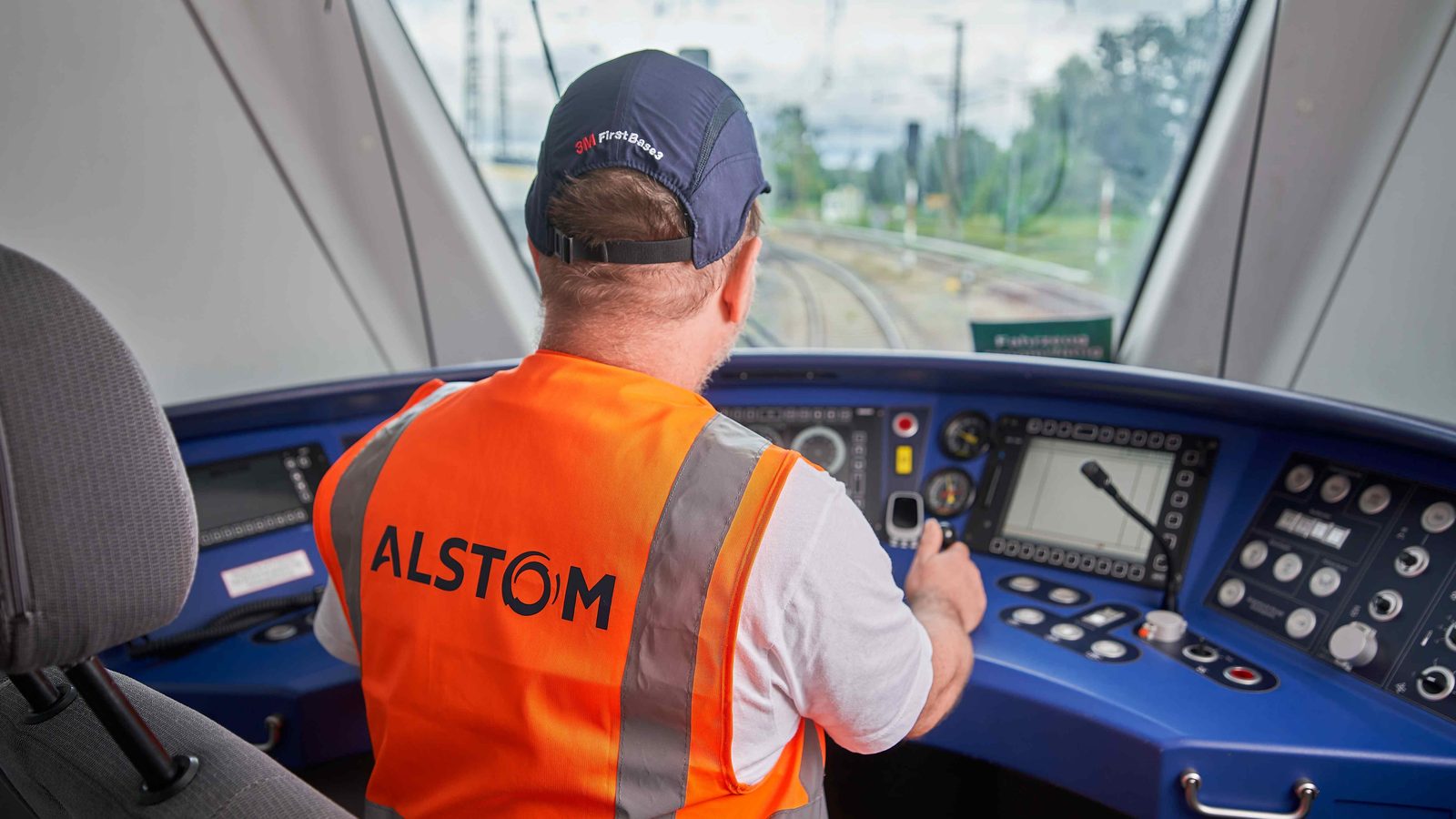
Alstom’s Pittsburgh rail innovation centre is set to strengthen America’s position in advanced railway technology as the company brings its first US Innovation Station to Pennsylvania. Announced on 7 October 2026, the initiative places Pittsburgh alongside four international cities in a global research network.
The centre will connect transport operators, universities, technology companies and researchers to develop smarter, safer and more sustainable mobility solutions. Located alongside Alstom’s existing railway signalling operations, the project highlights Pittsburgh’s growing importance in transport engineering, artificial intelligence and industrial innovation. It also opens a new chapter for the future of rail travel across North America.
Advertisement
Advertisement
Pittsburgh Secures a Major Place in Alstom’s Worldwide Railway Innovation Strategy
Pittsburgh has gained an important position in the international railway industry following Alstom’s decision to establish its first American Innovation Station in the city.
According to the company’s official announcement on 7 October 2026, the new centre will bring together specialists from transport, technology, government and academia.
Advertisement
Advertisement
The initiative aims to solve practical challenges affecting modern railway systems.
Rather than concentrating exclusively on manufacturing trains, Alstom wants to create an environment where new ideas can become workable solutions.
Advertisement
Advertisement
The development strengthens Pittsburgh’s international standing while expanding American participation in the company’s global research activities.
Pittsburgh’s Strip District Emerges as a Strategic Location for Advanced Rail Research
The Strip District provides an established engineering setting for Alstom’s latest American initiative.
Advertisement
Advertisement
Alstom already maintains a railway signalling engineering office in the neighbourhood, as identified in its official United States locations directory.
The new Innovation Station will operate alongside the company’s existing Pittsburgh development centre for signalling and train control.
This arrangement offers practical advantages. Engineers can exchange technical knowledge with researchers, technology businesses and potential transport partners.
It also builds on infrastructure and expertise already present in the city.
Advertisement
Advertisement
However, Alstom has not separately confirmed the Innovation Station’s precise premises, physical inauguration date or any new building construction programme.
Five International Cities Now Form Alstom’s Expanding Global Innovation Network
Pittsburgh joins Paris in France, Stockholm in Sweden, Singapore and Montreal in Canada as the fifth location within Alstom’s global innovation network.
Each centre provides opportunities for local researchers and transport specialists to collaborate on challenges with wider international relevance.
The arrangement allows knowledge developed in one market to inform potential solutions elsewhere.
For example, research into railway reliability in Europe could offer insights for American operators facing similar operational problems.
Pittsburgh’s inclusion also establishes a second North American location alongside Montreal.
Advertisement
Advertisement
The international structure reflects Alstom’s ambition to connect specialised expertise across different transport markets while encouraging practical technological collaboration.
Alstom’s Innovation Station Will Be a Research Hub Rather Than a Railway Terminal
Despite its name, the Innovation Station is not a passenger railway station or a new transport interchange.
It is a dedicated space for research, collaboration, testing and the development of innovative mobility concepts.
Alstom plans to bring together railway operators, public agencies, cities, universities, start-ups and industrial technology specialists.
These organisations could identify transport problems and jointly explore possible solutions.
Promising ideas may progress through technical assessments, prototypes and further testing.
Advertisement
Advertisement
The central objective is to connect research with real operating requirements.
This distinction matters because the announcement does not introduce new train routes, passenger services, ticketing facilities or public transport timetables.
The Local-for-Global Approach Could Transform How New Railway Technologies Are Developed
Alstom intends to follow a strategy it calls “local for global”.
The concept begins with identifying a specific transport challenge within a local market.
Engineers, researchers and partners can then develop potential solutions based on practical operating conditions.
If an idea proves successful, the company may explore its suitability for other railway networks.
Advertisement
Advertisement
This approach could reduce the gap between laboratory research and everyday transport operations.
It also recognises that different cities often face comparable problems, including ageing infrastructure, complicated maintenance procedures and unreliable services.
The Pittsburgh centre will therefore aim to develop knowledge with applications beyond Pennsylvania and potentially across international markets.
Four Powerful Research Priorities Could Reshape the Passenger Experience
Alstom has identified accessibility, sustainability, resilience and passenger experience as the four principal priorities for its American Innovation Station.
Accessibility means making transport easier to use for passengers with different physical and mobility needs.
Sustainability focuses on reducing environmental impacts and improving resource efficiency.
Advertisement
Advertisement
Resilience concerns the ability of transport systems to operate reliably and recover from disruption.
Passenger experience brings these objectives together through more comfortable, dependable and convenient journeys.
These priorities reflect challenges faced by railway operators across the United States.
However, Alstom has not yet published individual Pittsburgh research projects or specific performance targets under these four categories.
Karina Ricks Takes Leadership of Pittsburgh’s Ambitious New Transport Innovation Centre
Alstom has appointed Karina Ricks as the inaugural leader of its first American Innovation Station.
Her experience covers transportation policy, infrastructure, public administration, urban planning and mobility technology.
Advertisement
Advertisement
Ricks previously served as Associate Administrator for Innovation at the Federal Transit Administration.
She also became the founding Director of Pittsburgh’s Department of Mobility and Infrastructure and held a transportation planning leadership position in Washington, DC.
Her professional background includes mobility payment systems, Universal Basic Mobility initiatives and Pittsburgh’s MovePGH programme.
This experience could help connect railway engineering with the needs of cities and passengers.
Her appointment demonstrates Alstom’s emphasis on collaboration between public institutions and private industry.
Pittsburgh’s Established Railway Signalling Expertise Provides a Powerful Technical Foundation
One reason Pittsburgh is well positioned for this initiative is its existing railway engineering expertise.
Advertisement
Advertisement
The city already hosts Alstom’s global development centre for signalling and train control.
These technologies play an important role in managing train movements, maintaining safe operating distances and supporting efficient railway services.
Research into digital control systems could help operators understand complex technical challenges and improve future operational practices.
Locating an innovation initiative alongside established engineering operations provides opportunities for technical cooperation.
Nevertheless, the company has not identified particular signalling upgrades or new American railway contracts that will result directly from the Pittsburgh Innovation Station.
West Mifflin Manufacturing Strengthens Pennsylvania’s Role in International Rail Technology
Pittsburgh’s wider industrial region already supports major Alstom manufacturing activities.
Advertisement
Advertisement
Nearby West Mifflin houses the company’s engineering and manufacturing centre for automated people movers.
These driverless transport systems carry passengers between airport terminals and other locations where efficient connections are essential.
The facility develops, manufactures and tests vehicles intended for customers in different markets.
Its presence demonstrates that the region possesses experience in transforming engineering designs into operational transport equipment.
The new Pittsburgh research initiative could benefit from this wider industrial environment.
However, the West Mifflin manufacturing operation and the Innovation Station remain distinct facilities, with separate activities and responsibilities.
Advertisement
Advertisement
Denver Airport’s Automated Train Programme Shows the Strength of Pennsylvania Engineering
Alstom’s work at Denver International Airport provides a practical example of West Mifflin’s manufacturing capabilities.
In a 2 February 2026 announcement, the company confirmed completion of its initial delivery of 26 Innovia APM R vehicles.
The trains were manufactured and tested in Pennsylvania.
The modernised vehicles are designed to increase passenger capacity, improve efficiency and support expanding airport operations.
Alstom reported that the new vehicles helped increase hourly system capacity by approximately 1,700 passengers.
The programme demonstrates Pennsylvania’s existing contribution to advanced automated transport.
Advertisement
Advertisement
Importantly, the Denver vehicles were not developed by the newly announced Pittsburgh Innovation Station.
Atlanta Airport’s Plane Train Upgrade Demonstrates the Value of Smarter Mobility
Another important example comes from Hartsfield-Jackson Atlanta International Airport.
On 8 June 2026, Alstom announced the introduction of new automated people mover vehicles and infrastructure improvements to its Plane Train system.
The first four new vehicles entered passenger service on 5 June.
They form part of an order for 63 Innovia APM R cars manufactured in West Mifflin.
The upgrades are intended to increase capacity, reduce crowding and improve operating reliability.
Advertisement
Advertisement
Alstom also reported improvements enabling trains to operate at shorter peak-period intervals.
The official project announcement illustrates how Pennsylvania-based engineering already supports passenger mobility beyond the state.
Artificial Intelligence Could Bring Major Changes to Railway Maintenance and Reliability
Artificial intelligence is becoming an important part of Alstom’s railway technology strategy.
In September 2026, the company presented Talk to My Train, an AI-based system designed to help maintenance teams investigate technical problems.
The technology allows technicians to ask questions in ordinary language and retrieve relevant maintenance records, engineering documents and diagnostic information.
This approach could reduce the time spent searching through complicated technical systems.
Advertisement
Advertisement
It also aims to help workers make better-informed maintenance decisions.
Alstom explained the technology in its 17 September 2026 publication.
The tool is not a confirmed Pittsburgh project, but it illustrates the company’s broader innovation direction.
Remote-Controlled Trains Reveal Another Possibility for the Future of Railway Operations
Alstom’s collaboration with Deutsche Bahn offers another example of emerging transport technology.
On 29 January 2026, the companies demonstrated remote operation of a commuter train within a depot environment in Munich, Germany.
The project allowed an operator to control train movements from a separate control centre.
Advertisement
Advertisement
It combined communications equipment, cameras, sensors and train-control interfaces.
Such technology could eventually improve depot efficiency by reducing unnecessary staff movements and simplifying certain operating procedures.
The official test announcement describes a development-stage application.
It does not mean that remotely operated passenger trains are entering general commercial service or that Pittsburgh will immediately deploy the system.
Sweden’s Wildlife Protection Trials Demonstrate the Importance of International Collaboration
Alstom’s Stockholm Innovation Station offers a useful example of its collaborative research model.
Working with Swedish technology company Flox Intelligence, Alstom has tested artificial intelligence designed to detect wildlife approaching railway tracks.
Advertisement
Advertisement
The system uses cameras to identify animals and activates sounds intended to move them away from danger.
According to Alstom’s 11 May 2026 announcement, approximately 5,000 animal collisions are reported on Swedish railways annually.
The trials seek to reduce accidents, service disruption and environmental harm.
They demonstrate how start-ups can contribute specialised expertise to established railway businesses.
Results remain subject to continued evaluation.
Pittsburgh’s Artificial Intelligence and Robotics Ecosystem Adds Strategic Research Potential
Pittsburgh offers more than conventional railway engineering.
Advertisement
Advertisement
The city has developed a substantial research ecosystem involving artificial intelligence, robotics, advanced manufacturing and industrial technology.
Carnegie Mellon University plays an important role in this development through its research institutions and partnerships.
In an official report published on 9 April 2026, the university highlighted efforts to turn scientific discoveries into practical commercial technologies.
These strengths could complement railway research involving automation, diagnostics and digital systems.
However, the university’s existing capabilities do not establish a confirmed research agreement with the new Innovation Station.
Specific partnerships will require separate announcements.
Advertisement
Advertisement
American University Partnerships Could Support a New Generation of Railway Specialists
Alstom has already expanded its relationships with American educational institutions.
On 1 June 2026, the company announced partnerships intended to support transportation research and workforce development.
These include a $50,000 engineering scholarship endowment at Alfred State College in New York.
Alstom also became a founding sponsor of the University of Pennsylvania’s Transportation Initiative and joined the advisory board of New York University’s Rudin Center for Transportation Policy and Management.
The official university partnership announcement demonstrates its interest in combining academic research with industrial practice.
The Pittsburgh centre could pursue similar relationships, although its specific university partners remain unannounced.
Advertisement
Advertisement
Alstom’s Global Research Investment Highlights the Scale of Its Technological Ambitions
Alstom’s financial results provide additional context for its international innovation strategy.
In its results released on 13 May 2026, the company reported gross research and development costs of €742 million for the 2025/26 financial year.
Net research and development expenditure, before purchase-price-allocation amortisation, reached €573 million.
This represented an increase from €522 million in the previous financial year.
The company continues to invest in railway digitalisation, automation and more efficient transport technologies.
These figures show the scale of its worldwide research operations.
Advertisement
Advertisement
However, they must not be confused with the investment allocated specifically to Pittsburgh, which remains undisclosed.
Pittsburgh Could Gain Economic Opportunities, but Major Financial Questions Remain
The Innovation Station could create opportunities for Pittsburgh’s technology companies, researchers and specialist engineering workforce.
Collaborative projects may help local start-ups access industry expertise and explore commercial applications for new ideas.
Successful research could eventually attract additional investment or strengthen the regional supply chain.
Nevertheless, the economic effects cannot yet be measured.
Alstom has not announced a dedicated Pittsburgh investment figure, a confirmed number of new jobs or a timetable for commercialising the centre’s first innovations.
Advertisement
Advertisement
There is also no published list of initial research contracts.
Any employment, investment or revenue forecasts should therefore be treated as possibilities rather than confirmed outcomes.
Smart Mobility in the US Could Benefit, but Passengers Should Understand the Distinction
The Pittsburgh initiative comes as American transport agencies continue examining ways to improve efficiency, accessibility and railway reliability.
Smart mobility in the US increasingly involves connections between transport planning, digital technology, infrastructure and passenger needs.
Alstom’s new hub could contribute expertise to these developments.
However, travellers should not expect an immediate timetable change or new train service because of this announcement.
Advertisement
Advertisement
Separately, Pennsylvania’s Department of Transportation announced on 6 October 2026 that a second daily Pennsylvanian round trip would begin on 18 November.
That passenger service expansion is a distinct programme, not an announced result of Alstom’s Innovation Station.
The Next Challenge Is Turning Pittsburgh’s Global Recognition into Real Railway Progress
Rail innovation in Pittsburgh has gained international visibility, but the centre’s long-term importance will depend on practical results.
The next developments to monitor include its operational arrangements, confirmed research partners, investment commitments and first technological projects.
Evidence of successful testing and deployment will provide a stronger measure of its impact than the announcement alone.
For now, Alstom’s Pittsburgh rail innovation centre represents a significant expansion of the company’s international collaboration strategy.
Advertisement
Advertisement
By connecting established engineering expertise with research and emerging technologies, Pittsburgh could help shape the future of rail travel.
Its greatest achievement will come when promising ideas deliver measurable benefits for transport operators, passengers and communities.
Advertisement
