
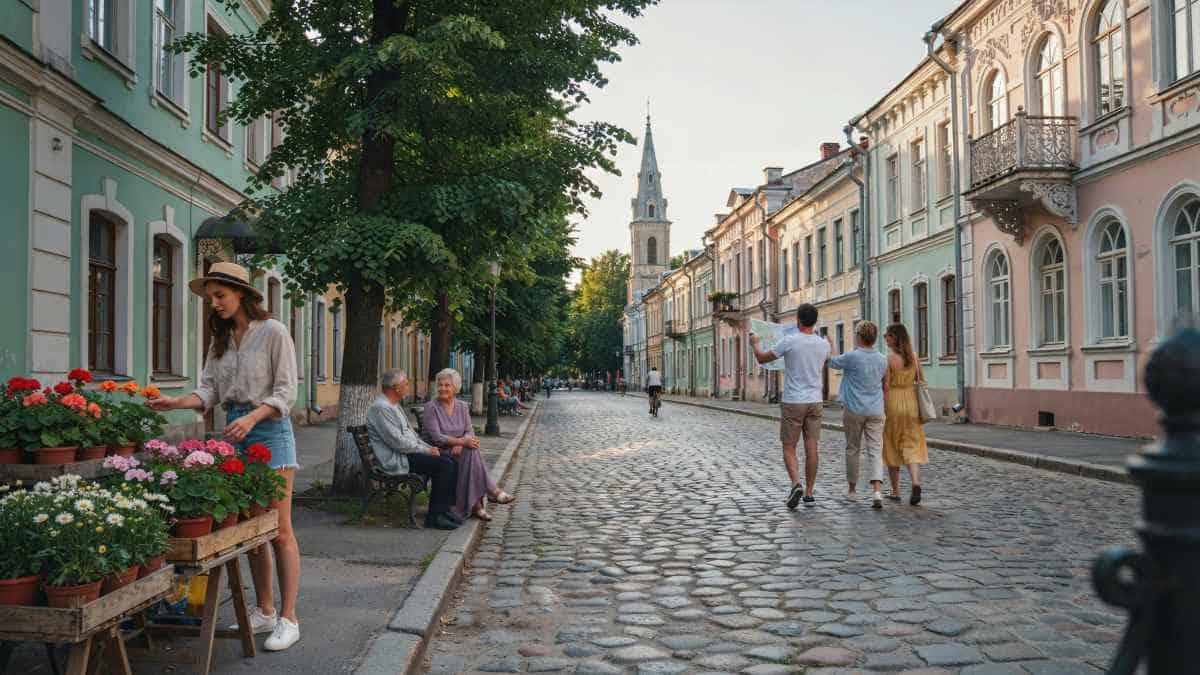
Image generated with Ai
There is a lot of demand for health resorts in Belarus. Moreover, there has been increased interest in heritage and industrial tourism. The state-owned sanatoriums located in popular destinations such as the area around Naroch Lake have registered occupancy levels at peak times nearing 100%. There has been an increase in tourists visiting medical, balneotherapy and wellness centres looking for affordable health and spa vacations. Due to high demand by Russian visitors, there have even been pre-bookings in advance of the peak seasons. However, modifications in the license terms of the rural tourism providers are affecting the agritourism industry in the country.
Sanatorium tourism remains an important part of the Belarus travel sector. Facilities across the country provide medical treatments, wellness programmes and rehabilitation stays.
Advertisement
The Naroch lake cluster is among the best-known areas for health and wellness tourism. Its lake environment and resort facilities provide a setting for longer stays focused on treatment, relaxation and recovery.
Peak-season occupancy at some state-run sanatoriums has approached full capacity. High demand means visitors looking to travel during popular periods may need to reserve accommodation several months in advance.
Advertisement
Advertisement
Russian visitors represent an important market for Belarusian health resorts. The combination of established medical facilities and comparatively affordable travel costs has contributed to demand for spa and convalescence holidays.
Longer stays are common in health tourism because visitors may travel specifically for treatment or wellness programmes rather than short leisure breaks. This creates sustained demand for rooms and treatment capacity during busy periodss.
The Naroch area also provides opportunities for visitors who want to combine wellness stays with nature experiences. Lakes, forests and outdoor spaces allow tourists to add walking and sightseeing to their itineraries.
Visitors staying at health resorts can explore surrounding natural areas between treatments and wellness activities. This creates a combination of medical, recreational and nature-based travel.
The high occupancy levels show the importance of matching accommodation capacity with seasonal demand. When peak-season beds fill months in advance, travellers may need to consider alternative dates or different resorts.
The strong demand also creates opportunities for tourism providers to develop additional wellness products and services outside the busiest periods.
Belarus has also been changing the regulatory framework for rural tourism. Tighter licensing requirements for agro-estates are formalising the sector and affecting how rural tourism operators market their services.
Some operators are redirecting attention towards cultural and historical travel circuits. Heritage attractions provide established destinations that can be included in organised tours and regional itineraries.
The shift is helping connect rural areas with major historical attractions. Visitors can combine castle visits with village experiences, local food and countryside travel.
This type of itinerary can extend the time visitors spend outside major cities while creating links between cultural attractions and smaller communities.
The Mir Castle Complex is one of Belarus’s major heritage attractions. The UNESCO-listed site provides visitors with an opportunity to explore historic architecture and learn about the region’s past.
Nesvizh Castle is another major cultural destination. Its palace, gardens and historic setting make it an important stop on heritage tourism routes.
Both sites can form part of organised cultural circuits. Their inclusion in regional itineraries allows visitors to explore Belarus beyond Minsk.
Heritage travel can appeal to international visitors as well as domestic and regional groups. Educational tours can use historical sites as destinations for learning and cultural experiences.
Industrial tourism is providing another route for attracting organised groups. Factory visits to major Belarusian manufacturers are being used as tourism and educational experiences.
BelAZ is among the best-known industrial attractions. The company is recognised for producing large mining vehicles and its facilities can form part of organised industrial visits.
Minsk Tractor Works provides another industrial tourism opportunity. Factory experiences can introduce visitors to manufacturing processes, machinery and the history of major Belarusian industries.
Regional educational groups are an important audience for these programmes. Industrial visits can combine practical learning with travel and sightseeing.
This type of tourism also provides an alternative to traditional city and cultural trips. Visitors can explore working industrial facilities while learning about manufacturing and engineering.
Belarus is implementing various tourism segments simultaneously. Health tourism is faced with the problem of high seasonality, whereas heritage and industrial tourism are becoming increasingly popular for organised trips.
As far as travellers are concerned, there are various kinds of tourism options, starting with wellness trips to Naroch, and castle excursions to Mir and Nesvizh. Industrial tourism is yet another way for groups and students to visit the area. The recent changes in agritourism laws are stimulating tourism companies to adapt their tourism program and link up rural tourism with the already established cultural routes. Health tourism continues to be an essential part of the country’s tourism industry, especially during busy seasons when the resorts become nearly fully occupied. Heritage and industrial tourism can help distribute tourists among other destinations.
Advertisement
Advertisement
Advertisement













Thursday, September 3, 2026
Thursday, September 3, 2026
Thursday, September 3, 2026
Thursday, September 3, 2026

Thursday, September 3, 2026

Wednesday, September 2, 2026
Thursday, September 3, 2026
Thursday, September 3, 2026


