
How Travel To Santorini, Sicily, And Ibiza Triggers A Mass Boom In Sustainable Island Hopping Across Europe, The Essential Details Unpacked

Published
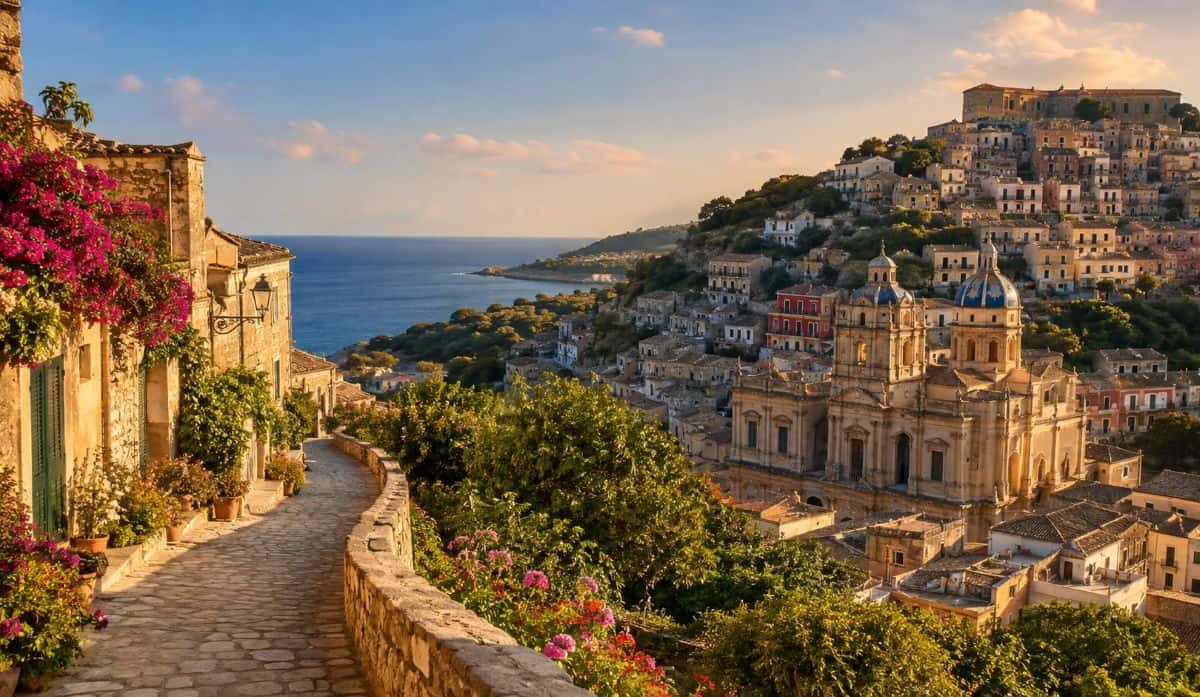
Image generated with Ai
It’s hard not to fall in love with the Mediterranean’s charm, but it is hidden behind big cruise ships’ loud lights. Trade blowing past hurried shore excursions on cramped decks for ten to twelve days of leisurely island hopping from Santorini to Sicily and Ibiza. Think tourists on your vacation; you’ve earned it. The best part of slow travel is you get to set the pace of the trip to discover the best sun-soaked cliffs or leisurely stroll through the Baroque alleys to take in the scenic views. This kind of vacation is really about traveling on your own terms and maximizing travel experiences for local communities that rely on tourism. You will see and enjoy more of the area traveling this way. Slow travel is the perfect way to relax and finally unwind completely for a longer vacation while keeping the spirit of the destination alive.
Transformative Mediterranean Journeys Redefining Modern Island Exploration
Advertisement
Advertisement
How do modern travelers experience the Mediterranean without relying on traditional cruise ships? A comprehensive ten-to-twelve day travel plan offers a compelling alternative by bridging three iconic European destinations from east to west in a seamless fashion. Furthermore, this deliberate routing connects Santorini, Sicily, and Ibiza, effectively harmonizing dramatic volcanic vistas, rich historical architecture, and serene coastal retreats within a single voyage. Consequently, global travelers can now embrace a far more immersive approach to island hopping across sunny European waters. Additionally, this independent itinerary sets an elevated benchmark for high-end luxury exploration without complex logistical hurdles.
Industry analysts emphasize that this strategic shift significantly alters international tourism dynamics across southern Europe. Therefore, local economies throughout Greece, Italy, and Spain receive direct financial benefits from longer, highly intentional consumer stays. Moreover, modern visitors enjoy authentic regional connections and deep cultural engagement rather than brief, overcrowded shore excursions. Active travel patterns actively encourage international guests to explore historic heritage sites, protected natural reserves, and regional culinary centers thoroughly. Ultimately, this curated route redefines how discerning luxury seekers interact with the varied landscapes of the Mediterranean region.
Advertisement
Advertisement
Santorini Unveils Dramatic Volcanic Landscapes and Cultured Coastal Charms
Advertisement
Advertisement
The opening movement of this independent island journey focuses entirely on Santorini, Greece, spanning from day one through day three. High-end travelers normally access the island via a brief forty-five minute flight departing from Athens International Airport, or through a scenic five-hour high-speed ferry ride departing from Piraeus to Athinios Port. Once on the island, guests choose between Oia, celebrated for world-class luxury boutique accommodations such as Canaves Oia Suites, and Imerovigli, which presents elevated, tranquil vantage points with significantly lower foot traffic density. The awe-inspiring cliffside scenery looking out over the submerged volcanic crater creates an unforgettable visual centerpiece for visitors from around the world.
During their stay on the island, vacationers regularly engage in private maritime excursions across the flooded crater, stopping at the natural hot springs of Palea Kameni, as well as the striking dark volcanic sands of Perissa and Perivolos. Furthermore, history enthusiasts actively explore the ancient Minoan Bronze Age archaeological site at Akrotiri, which remains extraordinarily well preserved under meters of prehistoric volcanic ash. Additionally, visitors participate in specialized vineyard tasting circuits to sample mineral-rich Assyrtiko white wines, which local viticulturists cultivate using traditional, basket-trained vines designed to withstand harsh sea winds. Consequently, this refined combination of ancient archaeology, private yachting, and viticultural heritage reinforces Santorini’s global standing as an elite destination for cultured luxury travel.
Sicily Reveals Timeless Baroque Heritage and Exquisite Culinary Mastery
Advertisement
Advertisement
Transitioning smoothly into the second movement from day four to day seven, travelers journey west to the historic island of Sicily, Italy, arriving directly through Catania Airport. The overarching itinerary concentrates its focus primarily on the picturesque southeastern Val di Noto valley, where famous historical centers including Ragusa, Noto, Modica, and Scicli reside within short driving distances of one another. Furthermore, arranging a rental vehicle directly from the airport grants visitors complete personal autonomy to navigate the rolling countryside with ultimate flexibility. Choosing to stay in Ragusa Ibla places guests squarely at the epicenter of magnificent 18th-century baroque architecture and charming, tree-shaded cobblestone plazas.
Deep cultural immersion unfolds through exceptional regional gastronomy, such as booking an unforgettable dinner at the acclaimed Ristorante Duomo, situated directly beneath the soaring facade of the Duomo di San Giorgio. Culinary enthusiasts also savor cold-processed, Aztec-inspired artisanal chocolate at Antica Dolceria Bonajuto in Modica, alongside refreshing almond granita and warm brioche in the historic cafes of Noto. Additionally, an enriching day trip northbound to Siracusa highlights the historical island district of Ortigia, complemented by an educational excursion to the ancient Greek theatre located inside the Neapolis archaeological park. Thus, this Sicilian leg demonstrates how authentic regional culinary traditions and architectural conservation efforts combine to drive global cultural tourism.
Advertisement
Advertisement
Ibiza Offers Peaceful Cliffside Sanctuaries and Historic Citadel Wonders
The final segment of the voyage, extending from day eight through day ten, transfers travelers directly to Ibiza, Spain, utilizing convenient flight connections through major hubs such as Barcelona, Rome, or Madrid. Deliberately steering clear of the party-centric, high-volume nightlife districts found along the southern coast, this refined travel blueprint emphasizes the peaceful, unspoiled northwestern coast near Sant Joan de Labritja. Perched dramatically 180 meters above sea level inside a protected natural park, Hacienda Na Xamena provides sweeping panorama views of the open ocean alongside its famous Cascadas Suspendidas outdoor thermal hydrotherapy pools.
Travelers explore authentic, slow-paced Mediterranean living by perusing the colorful artisan markets at Las Dalias in nearby Sant Carles. Furthermore, an evening walking tour through Ibiza Town guides visitors through the historic, UNESCO-listed medieval citadel of Dalt Vila, leading down toward the bustling yacht marina situated below the stone ramparts. Consequently, this calm, nature-focused coastal narrative reshapes Ibiza’s global reputation toward wellness, environmental appreciation, and sustainable retreat-style hospitality.
Global Industry Impacts and the Future of Independent Mediterranean Tourism
From a broader commercial perspective, this multi-destination travel framework fundamentally transforms how independent airline operators, high-end boutique hotels, and regional heritage organizations collaborate across international borders. By encouraging discerning travelers to bypass traditional cruise line itineraries, consumer capital flows directly into family-owned businesses, fine dining establishments, and protected archaeological sites across Greece, Italy, and Spain. Consequently, independent hospitality providers experience robust financial stability and steady booking demand throughout the entire summer travel season.
Advertisement
Advertisement
For global travelers, this structured yet highly flexible island routing offers an enriched, multidimensional perspective on the Mediterranean’s diverse regional identities. By seamlessly blending the dramatic volcanic terrain of Santorini, the grand baroque architecture and rich culinary history of Sicily, and the serene, cliffside wellness retreats of Ibiza, holidaymakers enjoy a deeply balanced and meaningful vacation experience. Ultimately, this significant operational shift fosters a sustainable, high-value tourism model that enriches both international travelers and native island communities for generations to come.
Shifting Financial Paradigms from Mass Visitor Arrivals to High-Yield Luxury Expenditure Across Mediterranean Island Economies
Regional authorities across Spain, Italy, and Greece are deliberately restructuring their hospitality models to prioritize per-visitor expenditure over sheer foot-traffic volume. In regions such as Ibiza and Formentera within the Pitiusas Islands, total economic impact reached a record 4.548 billion euros. This financial surge occurred despite a 7.1% decrease in total overnight stays, driven directly by a 13% jump in daily visitor spending to €222.80 per day and an average stay expenditure of €1,220 per visitor. By shifting focus toward low-impact, high-yielding itineraries, municipal planners protect local municipal resources while simultaneously maximizing per-guest economic returns for independent hoteliers.
Across Italy, the broader travel sector directly and indirectly generates 9.6% of national GDP, representing a €206.4 billion total economic impact. Elite coastal destinations like Taormina in Sicily consistently sustain average daily room rates between €220 and €450+. These financial metrics confirm that encouraging longer, highly intentional stays compensates for reduced overall tourist density. Consequently, high-end independent island travel shields delicate local infrastructure while boosting profit margins for local service providers.
Regulatory Infrastructure and Algorithmic Maritime Visitor Caps Safeguarding Volcanic Landscapes in Santorini
Advertisement
Advertisement
Municipal authorities in Santorini have introduced stringent regulatory frameworks designed to protect vulnerable geological features and mitigate local congestion in major cliffside settlements like Oia and Fira. The island faces an intense tourist density of 44,737 visitors per square kilometer, a concentration 56 times higher than larger islands such as Crete, which records 792 visitors per square kilometer. To address this imbalance, local authorities implemented a two-phase maritime berth allocation algorithm that successfully capped single-day cruise passenger arrivals at an enforced limit of 8,000 visitors, down significantly from previous peak levels of 17,000 daily visitors.
Complementing these maritime controls is an enforced peak-season climate levy of €20 per cruise passenger, collected from June through September in high-density hubs like Santorini and Mykonos. On land, strict entry time slots have been instituted at archaeological landmarks such as the Bronze Age ruins at Akrotiri. By regulating maritime disembarkation schedules and pacing pedestrian movements across historic sites, local authorities effectively preserve delicate geological assets and enhance the overall visitor experience.
Capturing the Extended Summer Movement and Capitalizing on Autumn Shoulder-Season Growth in Southeastern Sicily
The tourist season across southeastern Sicily is expanding significantly into late autumn, transforming traditionally seasonal communities into year-round economic engines. High-end hospitality establishments throughout the Val di Noto region encompassing historical hubs like Ragusa, Modica, Noto, and Scicli maintain a solid 71% average seasonal occupancy rate. More importantly, these properties experienced an 11.1% increase in fourth-quarter overnight stays compared to historical baselines, proving that months like October and November are now viable revenue windows.
This seasonal expansion is driven primarily by mild autumn microclimates and an influx of remote professionals and cultural travelers. By extending operational calendars from five months to eight or ten months, local businesses maintain steady year-round employment for resident staff. Furthermore, steady off-peak visitor flows prevent municipal overcrowding while generating consistent tax revenues for local municipal governments across the Val di Noto region.
Advertisement
Advertisement
Optimizing Multi-Modal Transit Logistics, High-Speed Ferry Routes, and Regional Flight Operations Across Mediterranean Hubs
Designing independent multi-island itineraries requires seamless coordination across domestic aviation networks and maritime transit channels. Travelers making the trip from central mainland hubs to Santorini can choose between a swift 45-minute domestic flight from Athens International Airport to Thira, or a scenic 5-hour high-speed catamaran transit departing from Piraeus Port to Athinios Port. Both transit routes offer predictable schedules that allow independent travelers to bypass commercial cruise line schedules entirely.
Inter-island transit between distinct geographic sub-regions relies on efficient air corridors. Connecting flights from Catania Airport in Sicily to Ibiza Airport in Spain route through established European transit hubs including Barcelona, Rome, or Madrid, yielding total elapsed travel times between 3 to 5 hours. These point-to-point flight links, paired with modern high-speed ferry vessels, allow travelers to navigate multi-destination European routes smoothly without relying on large commercial ocean liners.
Preserving Indigenous Agricultural Traditions, Volcanic Viticulture, and Historic Artisanal Food Production
High-value independent travel plays a vital role in sustaining traditional agricultural practices and protecting culinary heritage across the Mediterranean. On the island of Santorini, local viticulturists cultivate indigenous Assyrtiko white wine grapes in dry volcanic soil using the ancient kouloura training method. Farmers weave the grapevines into low-lying, protective baskets that shelter the fruit from harsh ocean winds while trapping essential moisture from night mist, ensuring the survival of this historic viticultural tradition.
Advertisement
Advertisement
Similarly, culinary preservation thrives throughout southeastern Sicily. In the city of Modica, master confectioners at historical establishments like Antica Dolceria Bonajuto continue to produce cold-processed, Aztec-derived crystalline chocolate brought to the island during Spanish rule. Nearby in Noto, historic agricultural estates preserve protected native almond groves to supply traditional confectioneries. Direct spending from discerning travelers helps ensure these labor-intensive, ancient production techniques remain economically viable.
Architectural Innovation and Strict Environmental Zoning Rules Governing Luxury Retreats in Northern Ibiza
Municipal planning regulations in northern Ibiza enforce strict environmental zoning standards that prioritize low-impact, ecologically integrated hospitality development over high-density commercial construction. In the quiet district of Sant Joan de Labritja, properties like Hacienda Na Xamena sit 180 meters above sea level within the protected Na Xamena natural park. The resort integrates 77 private terrace suites and 8 interconnected cliffside thermal pools directly into the surrounding natural topography, offering a stark alternative to high-volume commercial coastal resorts like Playa d’en Bossa.
This environmental zoning approach aligns directly with the financial dynamics of the region’s hospitality sector. Out of the 4.548 billion euros in total tourism income generated across the Pitiusas Islands, luxury hotel stays accounted for 3.042 billion euros. These figures confirm that low-density, ecologically conscious luxury developments generate substantial regional tax revenues while protecting native forest ecosystems and scenic coastal cliffs from overdevelopment.
Preserving Ancient Urban Fabrics and UNESCO-Protected Monuments Within Historic Mediterranean Destinations
Advertisement
Advertisement
Historical conservation serves as a primary driver of cultural tourism across the Mediterranean, transforming protected architectural sites into sustainable economic assets. In Sicily, the Val di Noto UNESCO World Heritage site encompasses 8 historic towns—including Ragusa, Noto, Modica, Scicli, Caltagirone, Militello in Val di Noto, Piazza Armerina, and Palazzolo Acreide—that were completely rebuilt in the Sicilian Baroque style following the earthquake of 1693. Restricting vehicle traffic in historic districts like Ragusa Ibla protects these delicate stone structures while maintaining pedestrian-friendly environments for visitors.
Ancient civil infrastructure similarly anchors regional tourism appeal. In Siracusa, the 5th-century BC Greek Theatre inside the Neapolis Archaeological Park spans 138 meters in diameter and stands as one of the largest ancient performance spaces in the region. Meanwhile, in Ibiza Town, the fortified upper citadel of Dalt Vila preserves its 16th-century Renaissance defensive walls under UNESCO protection. Strict municipal preservation guidelines guarantee that these irreplaceable cultural monuments remain intact, drawing global visitors and supporting sustainable local economic development.
The final Verdict
When you take a step back, you see you have made a significant route of Island Hopping. Even more impressive is your return to the travel that can, should and must exist. Travel that connects you to the places and the people that make the world what it is and that also helps to support the areas that house and host us. Away from the frantic docks and big, crowded, vacuous mega cruises lie a peaceful vacation that will benefit the winemaker on Santorini, the family on Sicily, and the artisan on Ibiza. This travel helps preserve coastlines and islands’ cultures. Travel routes that connect the islands of the Mediterranean are some of the newer travel routes, but are really some of the more well traveled of them all, and are certain to help travelers fondly remember Santorini and Ibiza long after your trip. This spirit of travel will be lost until mass selling tours of the Mediterranean region cease. It is travel with your heart and leaving behind a more positive impression of the destinations forever engraved in your spirit.
Advertisement
