
Japan Enforces Strict New Limits On Travel Popularity As Overwhelmed Mount Fuji Trails And Ancient Kyoto Alleys Fight To Preserve Local Peace

Published
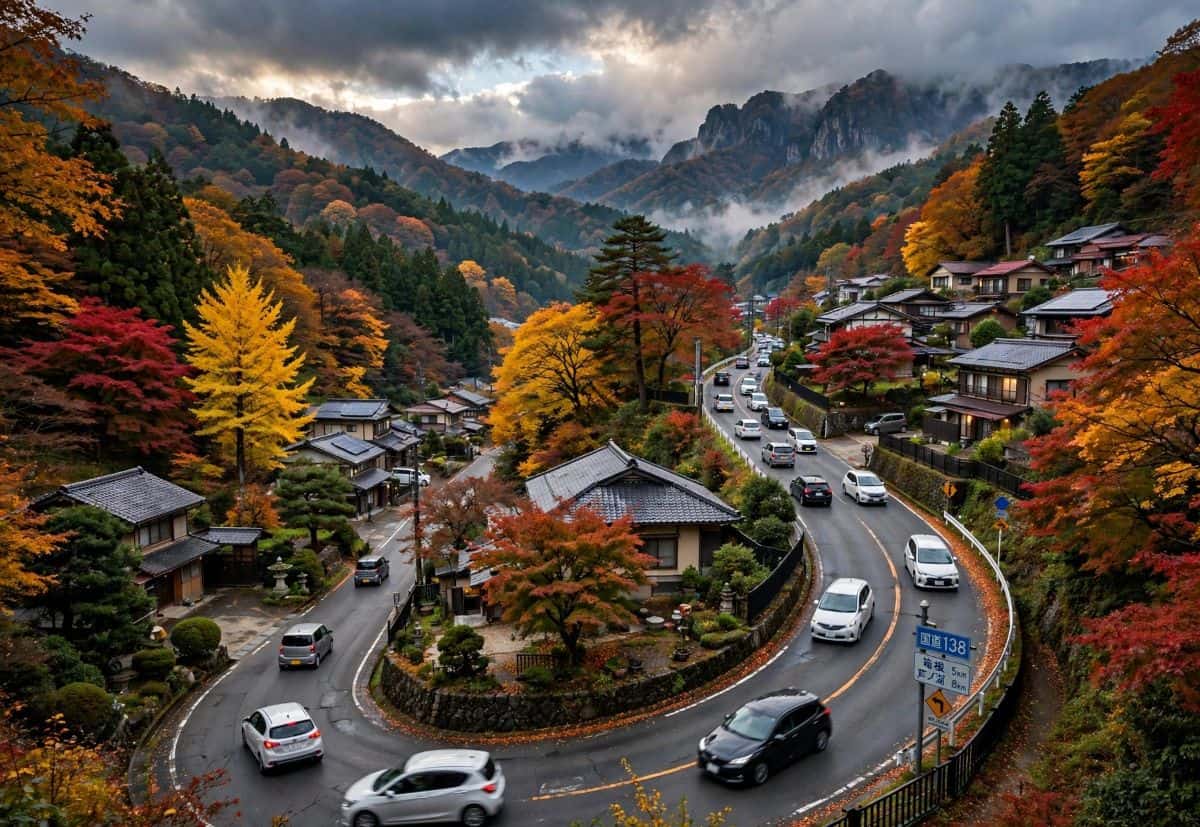
Realistically, watching a location lose its identity is one of the toughest sights imaginable. Seeing Japan lose its identity especially is tough, but it still is inevitable. Gion is one location that lost its identity. Everyday, hundreds or thousands of people visit Gion to try and perfectly capture Japan’s Past and the magic it brings, but when the tourists are more present behind their screens than the people they are taking pictures of, Japan’s graceful charm and order will even more quietly disappear. Japan hit another record for international travel in the month of July, going as high as 3.44 million. With this record came great economic success, but most likely this was a very short lived growth. There is very little time until Japan is without the historic steps of temples and most people will happily take the convenience of a crowded bus. Japan’s current state has many issues. They have an immense desire to present their beauty to the world in order to retain their soul, but with everything, how can Japan do all without losing its identity to everyone?
Are Massive Visitor Numbers Straining Public Transport and Local Infrastructure Across Tokyo, Kyoto, and Osaka?
Advertisement
Advertisement
Japan’s post-pandemic travel rebound has shattered historical records, bringing extraordinary global attention to the East Asian nation while testing local capacity limits. Official data highlights that 3,442,100 tourists entered the country in July alone, following a massive 3,148,600 arrivals recorded during the preceding month of June. This rapid influx of international travelers has created an intense geographical imbalance across the island archipelago, concentrating millions of visitors within a very narrow corridor.
The Japan Tourism Agency’s White Paper on Tourism indicates that over 80% of foreign visitor-nights are spent within just three core urban prefectures: Tokyo, Osaka, and Kyoto. This severe concentration along the traditional Golden Route leaves rural prefectures under-visited, while major urban transport hubs buckle under unprecedented daily volumes. During the midsummer peak in July and August, historic landmarks and city transit networks experience operational bottlenecks that compromise both the visitor experience and the everyday lives of local residents.
Advertisement
Advertisement
What Hidden Ecological and Social Costs Threaten Iconic Landmarks Like Mount Fuji and Kyoto’s Historic Gion District?
Behind the impressive economic gains lies a growing list of environmental and structural challenges that threaten the integrity of Japan’s most revered cultural sites. On the slopes of Mount Fuji, located between Yamanashi and Shizuoka prefectures, thousands of daily hikers on the popular Yoshida Trail have caused severe trail erosion, acute littering, and dangerous physical bottlenecks. The fragile alpine ecosystem suffers under heavy foot traffic, prompting emergency crowd-control interventions to prevent lasting ecological degradation.
Advertisement
Advertisement
Beyond physical damage, overtourism has sparked social friction, known locally as kankō kōgai or tourism pollution, across ancient urban centers. In Kyoto’s historic Gion district, local resident councils were forced to ban photography on private streets due to visitors harassing maiko, or apprentice geishas. Meanwhile, the Kyoto Municipal Bus system is frequently jammed with giant suitcases, preventing local residents from commuting efficiently and prompting authorities to urge tourists to use luggage delivery services like takkyubin.
How Are Official Government Policies Tackling Mount Fuji Congestion and Managing Crowds at UNESCO World Heritage Sites Like Himeji Castle?
To protect national heritage while maintaining public safety, Japanese authorities have shifted from passive management to strict regulatory enforcement across popular regions. The Yamanashi Prefectural Government implemented a groundbreaking access control system on the Yoshida Trail of Mount Fuji, introducing a mandatory ¥2,000 mountain fee alongside a hard daily cap of 4,000 hikers. Gates now close automatically once capacity is reached or during unsafe night-climbing hours, effectively curbing dangerous “bullet climbing” trends.
Concurrently, municipal authorities across the country are exploring innovative financial models to manage crowd density and fund long-term structural maintenance. In Himeji, home to the UNESCO World Heritage Himeji Castle, local leadership has championed dual-pricing frameworks that charge higher admission fees to non-resident foreign visitors to support ongoing preservation. In Kyoto, city officials introduced dedicated express buses catering specifically to tourists traveling between Kyoto Station and major cultural sites like Kinkaku-ji.
Can Strategic Spatial Dispersion and Sustainable Tourism Save Regional Communities in Tohoku, Shikoku, and Kyushu?
The long-term strategy of the Japan Tourism Agency relies on three fundamental pillars: spatial redistribution, temporal redistribution, and high-value sustainable tourism. Spatial redistribution aims to shift visitor flow away from overcrowded metropolitan centers toward culturally rich, under-visited regions such as Tohoku, Shikoku, and Kyushu. Through national initiatives led by the Japan National Tourism Organization, travelers are encouraged to explore alternative regional destinations like Sendai, Kanazawa, and Matsuyama using specialized rail passes.
Advertisement
Advertisement
Temporal redistribution focuses on spreading visitor volume across different times of the day and year, promoting early morning visits, night tourism, and off-peak travel. Simultaneously, Japan’s national strategy prioritizes high-value tourism, focusing on longer lengths of stay and higher spend per visitor rather than raw arrival volume. By balancing economic generation with community well-being and environmental protection, Japan is working to build a resilient, sustainable tourism ecosystem that protects its cultural treasures.
Macroeconomic Implications and Financial Records of Inbound Visitor Spending
International visitor expenditures have rapidly evolved into a vital macroeconomic pillar for Japan, providing significant economic support even as local infrastructure faces capacity challenges. Recent financial data underscores this massive expansion in inbound revenue, highlighted by an all-time national record where total annual international visitor spending climbed to ¥9.46 trillion, representing a 16.4% year-on-year increase. On a broader scale, the total economic contribution of travel and tourism reached approximately $310.5 billion (exceeding ¥45 trillion), which accounts for 7.7% to 9% of Japan’s overall gross domestic product. On an individual level, overseas visitors spent an average of ¥229,000 per trip. Accommodation proved to be the single largest expense category for foreign travelers, capturing 36.6% of the total inbound expenditure.
Accommodation Cost Surges and the Displacement of Domestic Travelers
The dramatic inflow of foreign capital into major urban centers such as Tokyo, Osaka, and Kyoto has driven lodging rates to historic levels, effectively pricing many domestic tourists and business travelers out of primary metropolitan markets. Business hotels across the nation saw average room rates climb to ¥16,679, marking a notable 114.5% surge over baseline post-pandemic figures. Within the mid-tier hotel segment of central Tokyo, average nightly rates exceeded ¥26,000, shifting historically budget-conscious urban options into luxury pricing tiers. This sharp rise in accommodation expenses directly altered domestic travel behaviors; peak-season travel surveys revealed that only 20.9% of Japanese residents planned domestic holiday trips, while 43% actively sought cost-reduction strategies to offset elevated travel expenses.
Restructuring Tourism Taxation to Finance Local Municipal Needs
Advertisement
Advertisement
In order to direct inbound visitor revenue directly toward local infrastructure improvements, environmental conservation, and transit upgrades, Japan is executing comprehensive fiscal tax reforms. A primary element of this policy adjustment is the tripling of the national departure tax levied on departing foreign travelers from ¥1,000 to ¥3,000 per person. This tax increase is projected to raise national tax revenues from ¥50 billion to ¥150 billion. Within the updated ¥138.3 billion national tourism budget managed by the Japan Tourism Agency, ¥10 billion has been specifically set aside for overtourism mitigation efforts, while ¥74.9 billion is dedicated to regional promotion. At the local level, municipalities are implementing targeted levies, such as Kyoto’s tiered accommodation tax, which caps at ¥10,000 per night for high-end stays and generates an estimated ¥12.6 billion annually to support municipal resident services.
Ecological Strain and Waste Management Issues in Sensitive Regions
The rapid increase in visitor numbers has generated major waste management challenges and accelerated environmental degradation across ecologically sensitive alpine trails and historic sites. At Mount Fuji, daily foot traffic exceeding 4,000 hikers on the Yoshida Trail results in 1.5 to 2 tons of solid waste generated per day during the peak summer season, placing immense stress on municipal maintenance teams. Concurrently, major urban centers like Tokyo and Kyoto maintain a limited number of public trash receptacles, leading to a 30% increase in improper waste disposal complaints within historic residential zones. Environmental strain is equally prominent along unpaved mountain pathways in Yamanashi and Nagano prefectures, where heavy foot traffic has accelerated soil erosion rates by over 40%, forcing local governments to fund trail repair projects through municipal entry fees.
Temporal Redistribution and Time-Gated Capacity Management
Tourism authorities are turning to temporal redistribution policies to smooth out severe congestion during peak summer afternoons and weekends. Municipal programs in cities like Kyoto and Nara are working to redirect 15% to 20% of peak daytime visitors toward early morning hours between 6:00 AM and 8:30 AM, as well as evening illuminated tours. On a broader seasonal scale, targeted marketing campaigns encouraging autumn, winter, and early spring visits aim to flatten the midsummer peak of July and August, which historically draws over 25% of annual international arrivals. Furthermore, high-density historic landmarks, including Kinkaku-ji and Fushimi Inari-taisha, are assessing the implementation of dynamic hourly timed-entry ticket systems designed to strictly cap visitor density at under 1,500 people per hour.
Redirecting Visitor Flow to Regional Destinations via Alternative Transport
Advertisement
Advertisement
A core strategic goal of the Japan Tourism Agency involves redistributing foreign travelers away from the highly congested Golden Route corridor toward lesser-visited regional prefectures. Recent data demonstrates progress in this area, with foreign overnight stays in regional prefectures growing by 51.4% year-on-year, outpacing the 35% growth recorded in the three main metropolitan centers. Targeted marketing initiatives focused on regional rail travel in Tohoku, Shikoku, and Kyushu aim to divert 25% of total foreign overnight stays toward secondary urban centers such as Sendai, Matsuyama, and Fukuoka. Concurrently, the regional sustainable and educational tourism market in Japan is expanding at a projected 5.5% compound annual growth rate, expected to reach an overall market value of $3.8 billion (over ¥550 billion).
Public Sentiment and Resident Perspectives on Tourism Impacts
National public opinion surveys regarding tourism saturation reveal significant local concern over how dense visitor traffic impacts daily quality of life. Over 75% of surveyed Japanese citizens characterize overtourism as a major or somewhat serious problem facing their local communities, whereas a minimal 4% of respondents feel that tourism density is not a problem at all. Interesting contrasts exist between domestic residents and foreign visitors; while 30% of international tourists reported experiencing noticeable crowding or transit friction during their trips, 68% of younger Japanese residents still viewed overall tourism expansion as a positive economic driver for national business interests.
Property Regulations and Etiquette Enforcement Measures
To protect local privacy and uphold cultural norms in historic neighborhoods, local administrative bodies are reinforcing behavioral guidelines with strict monetary penalties and regulatory limits. In Kyoto’s historic Gion district, local resident patrols and prominent municipal signage enforce a fine of up to ¥10,000 for trespassing or unauthorized photography on private streets. Urban residential municipalities have also implemented strict regulations on short-term rentals under local bylaws, capping minpaku operations at 180 days per year, with specific zones in Kyoto completely banning weekday operations during school hours. Additionally, to relieve overcrowding on local commuter transit, the national hands-free travel campaign aims to shift 40% of large tourist luggage off public buses and trains through designated luggage forwarding and delivery services.
The Final Verdict
Advertisement
Advertisement
Japan tends to focus more on its spirit rather than on hitting record numbers of passengers that have reached an historic high for the sixth consecutive summer. Japan targets success with an eye toward economic indicators that will be dwarfed by the magical moments that Japan has provided to the many in the past with their joy. At sunrise, you will find elderly women tending to their gardens in Kyoto. The scenery in the land and the blowing of the empty winds on Fuji’s mountain is more beautiful than any text describing Japan’s great feats. With a positive outlook on the construction of limitations, Japan will survive.
Boundaries are the things that Japan thinks are important measures of the nation’s survival. The construction of limits will not change the perception of travel. Travel is appreciating the different cultures of the world and relaxing in the lands of different nationalities. Peace is what draws travelers to the places Japan is preserving. Behind all the beautiful vistas are living and vibrant communities that need to be appreciated, not abused.
Frequently Asked Questions
What is the Golden Route in Japan? The Golden Route is the most popular travel trail in Japan, spanning major metropolitan and cultural destinations including Tokyo, Hakone, Kyoto, and Osaka.
How is Mount Fuji managing overtourism? The Yamanashi Prefectural Government implemented a daily visitor cap of 4,000 hikers and a mandatory ¥2,000 entry fee on the Yoshida Trail to prevent overcrowding and environmental degradation.
What is tourism pollution or kankō kōgai? Kankō kōgai refers to the negative social and environmental impacts of overtourism on local residents, such as overcrowded public transit, noise disturbances, illegal trash dumping, and privacy violations in historic neighborhoods.
Advertisement
