
New Zealand City Christchurch is Now on the 2027 Trending Top 10 List and Offers Great City Breaks

Published
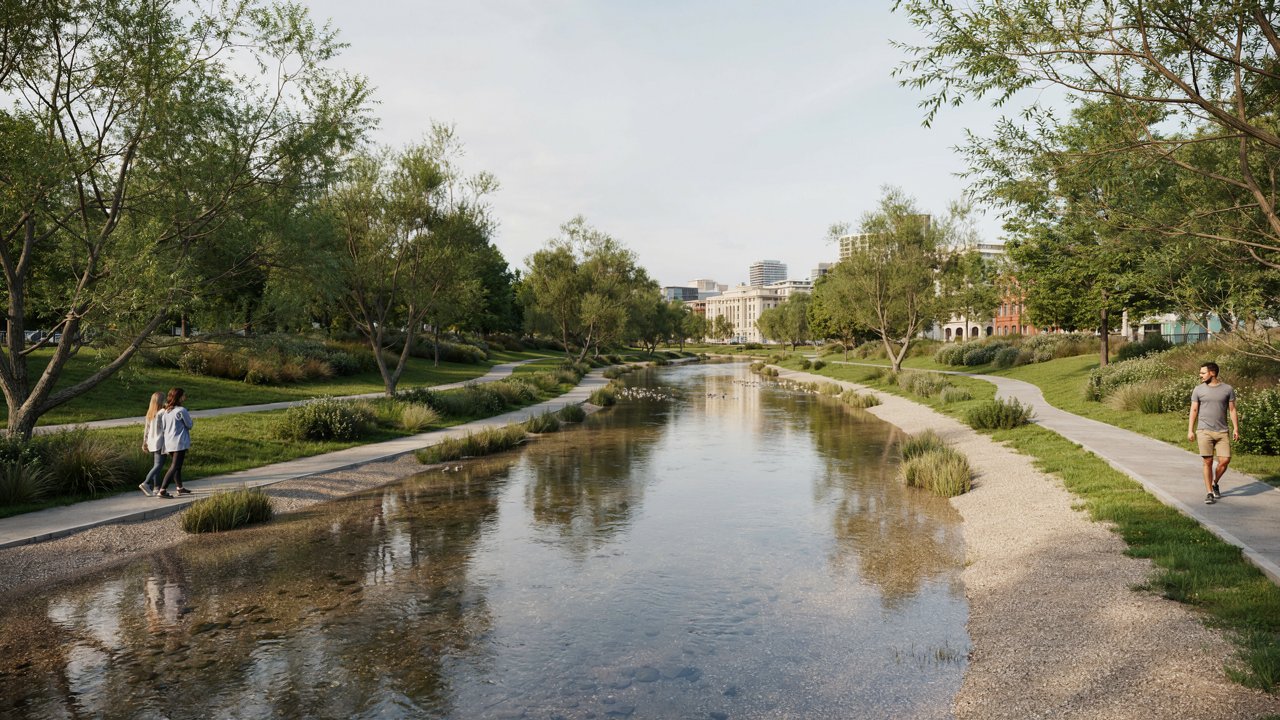
Ōtautahi Christchurch has joined a commercial travel platform’s ten trending destinations for 2027, announced on 14 October 2026. It is the only Australasian selection, following analysis of booking growth and an adjustment for geographical spread. For travellers considering City Breaks, the recognition highlights an established destination combining urban attractions with outdoor experiences. It introduces no visa, passport or immigration changes. Hotels, restaurants and attractions gain international exposure, although the announcement provides no evidence of additional visitor spending resulting from that publicity.
What the Recognition Means for City Breaks
The table separates the central announcement from supporting tourism evidence and practical travel information. Its percentages are an editorial assessment of each subject’s importance within this article. They total 100% and do not represent visitor shares, booking growth, economic contributions or official statistical findings.
| News Component | Share of Story | Officially Verified Finding | Relevance to Travellers | Official Source Link |
|---|---|---|---|---|
| Destination recognition | 30% | Included among ten trending destinations for 2027. | A planning reference, without guaranteed growth. | Official destination announcement |
| Hotel demand | 10% | February 2026 occupancy reached 96.4%. | Evidence of a busy accommodation period. | Official hotel report |
| Food tourism | 10% | Sixteen restaurants recognised; two received one star. | Different distinctions indicate different dining experiences. | Official restaurant report |
| Events tourism | 15% | 2026 rugby weekend: estimated visitor spending of NZ$13.1 million. | Documents spending associated with an earlier event. | Official impact report |
| Travel preferences | 10% | Global survey included 28,230 respondents. | Measures intentions, rather than completed trips. | Official research findings |
| National tourism | 10% | August 2026: 248,700 overseas visitor arrivals. | National context, not a Christchurch visitor count. | Official arrival statistics |
| Transport | 10% | Tokyo arrivals scheduled from 27 November 2026. | Direct services remain forthcoming. | Official airport schedule |
| Entry requirements | 5% | Most travellers need a visa or electronic travel authority. | Eligibility depends on individual circumstances. | Official immigration guidance |
The selection considered the platform’s 1,000 most booked destinations between 1 January and 30 June 2026. Locations were ordered by annual booking growth, then adjusted for geographic distribution. Christchurch’s individual growth percentage was not published. This is neither a government ranking nor a league table of total visitors; it cannot establish a 2027 tourism boom.
Understanding the Context Behind the Development
The published selection method explains how Christchurch qualified; its attractions help explain the destination presented to travellers. National tourism information describes a rebuilt centre, public spaces and access to surrounding Canterbury. For New Zealand City Christchurch, City Breaks can combine the Avon River, gardens and cultural visits with separate excursions to the Port Hills, beaches or Southern Alps. These established attractions provide context, rather than proof that any particular experience caused the booking increase.
Advertisement
Advertisement
The other selected destinations are Monterey, Sendai, Reims, Rosario, Pescara, Puri, Goiânia, Asunción and Bratislava. Their inclusion places Christchurch within an international selection, without establishing equivalent visitor volumes or market conditions. For accommodation providers and tour operators, the exposure offers an opportunity to attract enquiries. Whether those enquiries become reservations, longer stays or additional local spending remains unmeasured in the announcement.
Hotel and Event Figures Behind City Breaks
Earlier reports provide firmer evidence of existing tourism activity. A 12 March release recorded February 2026 hotel occupancy of 96.4%, against 88.9% nationally: a difference of 7.5 percentage points. On 9 June, an official event impact report estimated NZ$13.1 million in visitor spending during the 2026 Super Round, against a NZ$6.1 million forecast. That represents approximately 2.15 times the forecast, while more than 49,000 visitor nights exceeded the projected 34,000.
Advertisement
Advertisement
A visitor night means one visitor staying one night, rather than a hotel room or unique traveller. On 30 June, regional tourism reporting confirmed 16 restaurant distinctions: two single stars, ten awards recognising good value cooking and four other selections. On 11 September, the rugby weekend’s return was confirmed for 2–4 April 2027, supported by a government events attraction package. These developments predate the October announcement and cannot be presented as consequences of its publicity. National figures released on 14 October recorded 248,700 overseas arrivals in August 2026, up 18,400 from August 2025. That total reached 99% of August 2019 arrivals, providing national context rather than a Christchurch growth measure.
What Travel Research Suggests About City Breaks
A separate online consumer survey accompanying the announcement questioned 28,230 adults during July–August 2026, including 1,008 in New Zealand. Globally, 77% expressed interest in an out-of-character holiday, while 81% would choose a destination according to their desired feelings. Another 66% wanted packages allowing unused services to be removed, and 64% expressed interest in artificial intelligence covering work during holidays. These percentages describe global responses, not New Zealand results or confirmed reservations.
Advertisement
Advertisement
For New Zealand City Christchurch, the findings suggest possible opportunities for flexible itineraries combining dining, walking, cultural activities and rest. That is an interpretation of consumer preferences, rather than a measured change in local demand. Businesses would need their own booking evidence before attributing additional sales to these themes. Likewise, February’s strong hotel occupancy describes one month; it does not establish year-round capacity shortages, future room prices or occupancy levels for 2027.
Planning City Breaks Around Confirmed Dates
Visitors planning time in New Zealand City Christchurch should distinguish destination recognition from operational changes. Tokyo arrivals are scheduled from 27 November 2026, with departures beginning on 28 November and three weekly services each way. These services remain forthcoming as of the verification date. Existing itineraries do not require changes simply because Christchurch appears in a trending list.
- Check passport validity and visa or NZeTA eligibility against official immigration guidance; requirements depend on nationality and circumstances. NZeTA means New Zealand Electronic Travel Authority, a pre-travel authorisation for eligible visitors who do not require a visa beforehand.
- Allow 72 hours for an NZeTA. Fees start at NZ$17, with a NZ$100 visitor levy where applicable.
- Complete the free New Zealand Traveller Declaration. Air passengers can submit from 24 hours before their journey, subject to stopover rules.
- Check airport bus routes 3, 8 and 29; select an airport-bound route 3 service. Cash and the existing travel card stop being accepted from 23 November 2026.
- Use 2–4 April 2027 when arranging travel for the confirmed ten-team rugby weekend.
Transport notices, immigration guidance and event schedules therefore offer more immediate planning value than a popularity label. Confirm flight timings and accepted bus payment methods before departure, and assess accommodation against specific travel dates. Any later increase in tourism activity will require subsequent evidence; the recognition itself provides no verified forecast for arrivals, spending or prices. The next national travel statistics release is scheduled for 12 November 2026, covering September.
What Comes Next for Christchurch
New Zealand City Christchurch enters 2027 with international recognition, established visitor attractions and evidence of existing tourism activity. For travellers considering City Breaks, the practical appeal combines urban experiences, food, gardens and access to surrounding landscapes. The trending selection provides exposure, while hotel and event reports describe separate, earlier results. None proves that next year will bring higher arrivals or spending. Scheduled transport changes and confirmed rugby dates give visitors specific milestones to plan around. Entry requirements remain dependent on individual circumstances. The next test is whether increased attention becomes sustained visits, measured through subsequent official reporting rather than expectations.
Advertisement
