
Spain Is Redefining Travel As Incredible Walking Tourism Routes Secretly Save Picturesque Towns, Here’s The Update

Published
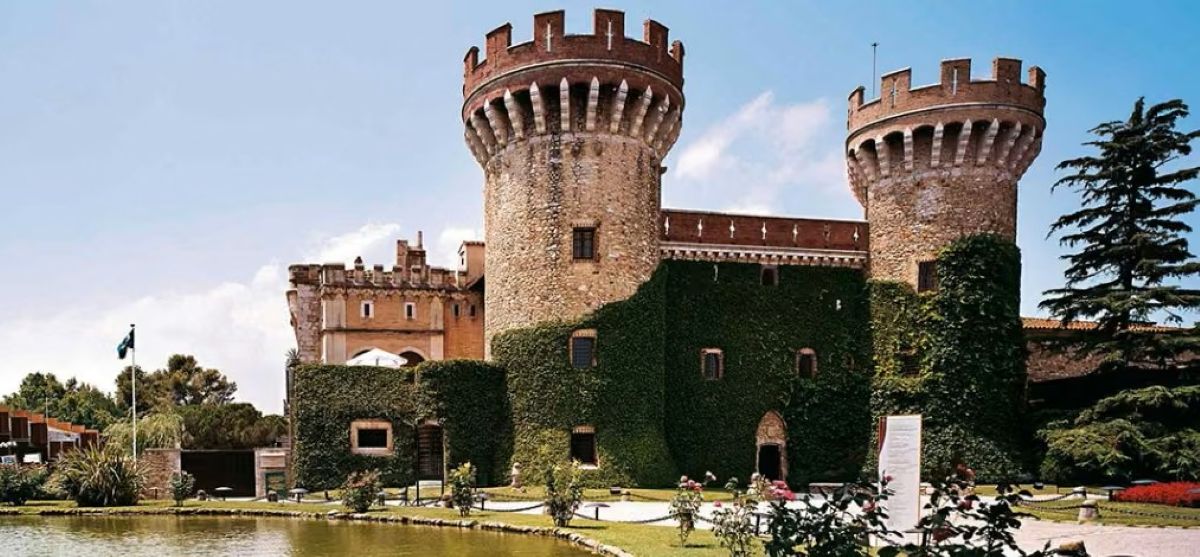
There is a life-changing magic in slowing down and taking in the world on foot. Beyond the beaches and busy city squares Spain reveals its true soul along ancient dirt paths, rugged mountain crests and quiet rural hamlets. Stepping onto routes like the Camino de Santiago hiking through Andalusia climbing the Pyrenees or exploring the volcanic peaks of the Canary Islands offers far more than a simple getaway it delivers a deeply personal unforgettable connection, to nature, culture and life itself.
Analyzing the Comprehensive Foundation of Spain’s Natural Topography and Cultural Footprint
Advertisement
Advertisement
The original discourse asserted that Spain possesses every essential attribute required to establish itself as a premier global leader in non-motorized journey experiences. It was highlighted that the European nation features exceptionally diverse topographies, historic settlements, ancient routes, coastal paths, dramatic mountain ranges, quiet rural villages, and an extensive heritage spanning centuries. Furthermore, specific iconic geographies were identified as core illustrations of this potential, including the world-renowned pilgrimage network of the Camino de Santiago, the sun-drenched pathways traversing Andalusia, the formidable peaks of the Pyrenees, and the volcanic landscapes of the Canary Islands. The text explained that exploring these environments on foot provides international visitors with a significantly slower, deliberate, and deeply meaningful approach to understanding Spain beyond conventional tourist hotspots.
From a global industry standpoint, this comprehensive shift toward pedestrian-based exploration represents a fundamental restructuring of how international travelers interact with foreign lands. By placing strategic emphasis on expansive natural terrains and centuries-old transit corridors, the international hospitality sector can effectively alleviate the acute strain caused by overtourism in major urban centers. Consequently, globetrotters from every continent are increasingly drawn toward long-distance trekking routes that foster individual personal wellness, environmental mindfulness, and deep cultural immersion. This mounting global interest demonstrates that foot-based journeys are no longer merely niche recreational pastimes, but rather central drivers of modern international travel growth and long-term economic development.
Advertisement
Advertisement
Quantifying the Economic Revitalization and Environmental Redistribution Across Provincial Territories
The source passage detailed that walking tourism yields extensive structural advantages that extend far beyond the direct personal enjoyment experienced by the individual walker. It was observed that pedestrian travel actively prompts visitors to prolong their stay duration, venture deep into isolated or lesser-known provincial regions, and directly spend capital at independent lodging facilities, local dining establishments, and neighborhood commercial shops. Moreover, the narrative emphasized that this form of mobility successfully disperses traveler spending across diverse geographic zones, thereby generating crucial avenues for rural economic development and sustaining year-round commercial activity. Crucially, the text underscored that this operational model plays a vital role in mitigating severe urban crowding by diverting substantial tourist foot traffic away from overburdened holiday centers.
Advertisement
Advertisement
On a broader global scale, the systemic benefits of decentralized travel provide an essential structural blueprint for destination management organizations across the globe. By dispersing tourist capital directly into overlooked rural economies, provincial communities gain enhanced financial stability and reduced dependence on volatile seasonal vacation rushes. Furthermore, international voyagers who choose slower itineraries generate a dramatically reduced carbon footprint compared to standard tourists relying on continuous short-haul flights or personal automobile transit. This deliberate redistribution of international capital not only strengthens local enterprise, rural accommodation providers, and regional agricultural workers, but also establishes a highly sustainable economic model that safeguards delicate natural habitats for future generations.
Cultivating Immersive Sensory Encounters and Authentic Human Engagement Across Regional Communities
In addition, the original text argued that traveling on foot inherently links individuals with the true, unvarnished identity of a destination. It was explained that travelers move across changing landscapes at a natural human pace, enabling them to interact directly with local inhabitants, sample authentic regional cuisine, participate in traditional customs, and build a sincere appreciation for the natural environment and history around them. The commentary explicitly emphasized that following an established trail involves far more than simply completing a physical distance; rather, it represents the creation of an enduring emotional bond with Spain.
For the worldwide travel ecosystem, this focus on human-scale mobility reflects a decisive shift in consumer priorities, expectations, and values. Modern international travelers are increasingly rejecting superficial sightseeing tours in favor of highly immersive, sensory-rich journeys that emphasize genuine human interaction and cultural exchange.
Formulating Strategic Investment Frameworks for Sustainable Trail Infrastructure and Global Promotion
Finally, the original text recommended that Spain should formally position walking tourism as a central pillar within its national and regional economic frameworks. To realize this vision completely, the narrative stated that increased funding must be channeled into trail restoration, standardized physical signage, expansive promotional initiatives, modern digital navigation tools, and collaborative partnerships with local service providers. The concluding remarks stressed that the future of international exploration does not strictly depend on traveling faster or reaching more distant locations; instead, it often relies on slowing down, taking deliberate steps, and genuinely understanding a region. Consequently, the document concluded that Spain already possesses the physical paths, and the immediate priority lies in placing those routes at the absolute center of its national story.
Advertisement
Advertisement
Looking at the international travel framework, this strategic recommendation provides an imperative template for tourism authorities worldwide. Developing robust, well-maintained trail networks supported by cutting-edge digital mapping, clear physical wayfinding, and strong public-private partnerships establishes a gold standard for sustainable eco-tourism infrastructure. As destination planners globally adjust to evolving consumer demands, investing in non-motorized infrastructure will prove indispensable for maintaining long-term market competitiveness. Ultimately, nations that proactively prioritize pedestrian infrastructure will not only secure a larger market share, but will also pioneer the worldwide transition toward more responsible, resilient, and deeply fulfilling travel experiences.
Quantifying Macroeconomic Growth: Analyzing Revenue Inflows and Direct Visitor Expenditure Patterns Across Regional Ecosystems
The financial dynamics of non-motorized journeys reveal a profound economic transition when standard tourists shift from short-term leisure stays to extended, foot-based itineraries. While traditional coastal resort visitors spend an average of €120 to €150 per day, their total length of stay remains relatively brief and geographically concentrated. In contrast, walking tourists record lower daily outlays of €60 to €90 per day, yet they maintain extended stays lasting 14 to 21 days across multiple interior municipalities. This extended presence spreads purchasing power directly across small, family-owned accommodations, rural cafes, and local transport operators that rarely capture traditional resort spending.
A primary example of this macro-level capital dispersion is seen along historic pilgrimage corridors such as the Camino de Santiago. In 2025, the network recorded over 530,000 certified completion certificates, generating an estimated €1.2 billion across local service sectors along the route. Furthermore, the localized economic multiplier effect highlights that 80% to 85% of capital spent by pedestrian tourists remains within rural host communities. This stands in stark contrast to all-inclusive coastal holiday models, where less than 30% of total visitor spending stays within local economies. Consequently, foot-based itineraries serve as a powerful economic equalizer for rural territories.
Evaluating Regional Trail Network Expansions: Infrastructure Investments Across the Pyrenees and Andalusia
Developing world-class pedestrian destinations requires targeted public and private capital allocations to expand physical route networks and ensure trekker safety. Across Spain, trail engineering initiatives have successfully expanded the GR (Gran Recorrido) long-distance pathway system to over 60,000 kilometers of fully marked trails. Regional funding programs have targeted key geographic zones, including Andalusia—highlighted by projects like the Gran Senda de Málaga—and the high-altitude trans-Pyrenean GR11 route spanning the Pyrenees. These civil engineering efforts focus on trail stabilization, erosion control, and clear wayfinding infrastructure across complex topography.
Advertisement
Advertisement
Infrastructure spending extends beyond path clearing to encompass physical safety installations across high-risk alpine terrains. Expenditure allocations prioritize standardized directional signage, emergency refuge shelters, and footbridge construction across mountain river crossings. By maintaining physical infrastructure standards, destination authorities protect fragile ecosystems while ensuring safe passage for international trekkers. These long-term infrastructure investments form the structural backbone of regional outdoor recreation markets, enabling local economies to host high volumes of foot traffic safely and sustainably.
Mitigating Seasonal Volatility: Spreading Tourist Influx Beyond Peak Summer Months
A persistent structural challenge for global destinations is seasonal demand volatility, which often concentrates income into a few summer weeks. Pedestrian tourism effectively addresses this issue by driving off-peak travel demand during shoulder seasons. Empirical travel data indicates that shoulder months—specifically April, May, September, and October—account for over 60% of total annual walking activity. This distribution balances the intense concentration typical of coastal beach resorts, which see peak usage almost exclusively during July and August.
This shift toward spring and autumn hiking stabilizes occupancy metrics for interior hospitality providers year-round. Average off-season occupancy rates in rural hotel establishments increase from 15%–20% up to steady averages of 45%–60% due to organized walking itineraries. Consequently, this consistent year-round visitor flow minimizes seasonal unemployment spikes across provincial regions. Local businesses can maintain permanent, year-round employment contracts for hospitality staff rather than relying on short-term seasonal hiring, building long-term economic stability.
Decompressing Overcrowded Hotspots: The Role of Island Pathways in The Canary Islands
Island environments face severe spatial constraints, making effective visitor management critical for environmental preservation. On islands such as Tenerife, Gran Canaria, and La Palma within the Canary Islands, interior hiking networks play a strategic role in redistributing visitor density. Active hiking initiatives divert 20% to 25% of total island arrivals away from congested coastal beach corridors and into protected interior volcanic landscapes. This spatial redistribution reduces pressure on coastal infrastructure while introducing economic activity to mountainous interiors.
Advertisement
Advertisement
To preserve ecological integrity while accommodating walkers, regional managers implement strict park preservation metrics and capacity limits in sensitive ecological reserves, including Teide National Park and Garajonay National Park. Furthermore, shifting travelers from motorized coastal tours to self-guided, non-motorized routes yields measurable environmental benefits, significantly cutting carbon emissions per visitor. By combining capacity controls with active pedestrian routes, fragile island environments balance sustainable tourism growth with long-term conservation goals.
Digital Transformation in Active Tourism: Integration of GPS Systems, IoT, and Smart Signage
Modern trail management increasingly relies on advanced digital tools to enhance safety, navigation, and visitor engagement along remote routes. Outdoor enthusiasts are rapidly adopting digital navigation platforms, offline GPS mapping applications, and QR-coded smart information posts deployed across rural networks. Adoption rates for digital trail passports and mobile lodging reservation systems along major long-distance paths have surged, rising from under 30% a decade ago to over 85% today. These tools streamline travel logistics while providing real-time data to regional planning authorities.
Beyond navigation, digital integration significantly improves emergency response frameworks across remote topographies. Installing real-time satellite tracking systems, geo-fenced safety alerts, and digital distress beacons has driven a 40% reduction in search-and-rescue response times across rural mountain zones. Emergency services can precisely locate distressed hikers, optimizing resource allocation and saving lives. This modern technological layer provides a crucial safety net, making remote wilderness exploration accessible and secure for international travelers.
Demographic Diversification: Shifts in Global Traveler Profiles, Age Distributions, and Motivations
The demographic profile of long-distance walkers is undergoing a major global transformation, moving away from narrow niche groups to attract a broad, international audience. International visitors account for 55% to 58% of total long-distance trekkers in Spain, led by origin markets across Europe, North America, and East Asia. Gender participation has also shifted notably, with women now comprising 53% of registered solo and group hikers across major European trail networks.
Advertisement
Advertisement
Traveler motivations are evolving alongside demographic shifts. While historical and religious journeys remain popular, non-religious, wellness, and fitness-focused walking trips are expanding at an annual rate of 15% to 20%, outpacing traditional pilgrimage participation. Travelers increasingly view long-distance trekking as a holistic mental reset, a active physical challenge, and a sustainable way to experience new cultures. Destination marketers and travel operators must adapt their offerings to serve this diverse, wellness-oriented global demographic.
Sustaining Local Agri-Tourism and Gastronomy: The Symbiotic Supply Chain Along Walking Corridors
Long-distance walking routes create a direct, sustainable commercial pipeline for local food producers, agricultural cooperatives, and regional culinary traditions. Rural guesthouses and restaurants along hiking corridors source 70% to 80% of their daily food ingredients directly from neighboring farms and regional suppliers. This tight integration ensures that tourist expenditures directly support local agricultural ecosystems rather than non-local supply chains.
Additionally, trail usage drives direct sales of regional culinary products with Protected Designation of Origin status, such as artisanal cheeses, small-batch wines, and cold-pressed olive oils. Travelers frequently purchase these specialty items directly from farmsteads and village markets along their route. Incorporating curated culinary experiences into walking itineraries increases average daily food and beverage spending by 35%, providing a vital boost to regional agri-tourism.
Global Best Practices for Public-Private Partnerships: Operational Models for Trail Maintenance
Maintaining thousands of kilometers of wilderness trails requires stable, long-term governance structures built on public-private collaboration. Successful operational frameworks balance funding contributions between national tourism authorities, regional councils, and local municipal alliances. A proven model allocates 60% of maintenance costs to public infrastructure budgets, with the remaining 40% covered by private corporate sponsorships, commercial trail licensing, and local hospitality contributions.
Advertisement
Advertisement
This sustainable funding approach generates direct, specialized employment opportunities across provincial communities. Regional trail systems create long-term jobs for trail maintenance crews, professional mountain guides, luggage transport logistics providers, and rural outdoor gear outfitters. Econometric analysis demonstrates an exceptional return on investment: every €1 invested in trail infrastructure yields €7 to €10 in long-term economic returns across local host communities, proving that pedestrian infrastructure is a powerful driver of regional economic development.
The Final Verdict
Travel was never meant to be a race from one famous landmark to another. When we choose to walk we slow down. Rediscover the simple pleasures. We taste local bread share warm smiles with people we pass and breathe in the quiet beauty of places time has left behind. Spain already has the paths winding quiet paths. Now it invites us to step off the track to calm our racing thoughts and truly connect with the world around us. Walking the trail less traveled isn’t, about reaching a new place. It’s about finding our way to what matters most peace, presence and purpose.
Advertisement
