
TAP Air Portugal Faces €99.2 Million First-Half Loss as Fuel Inflation Challenges Strong Traffic Growth

Published
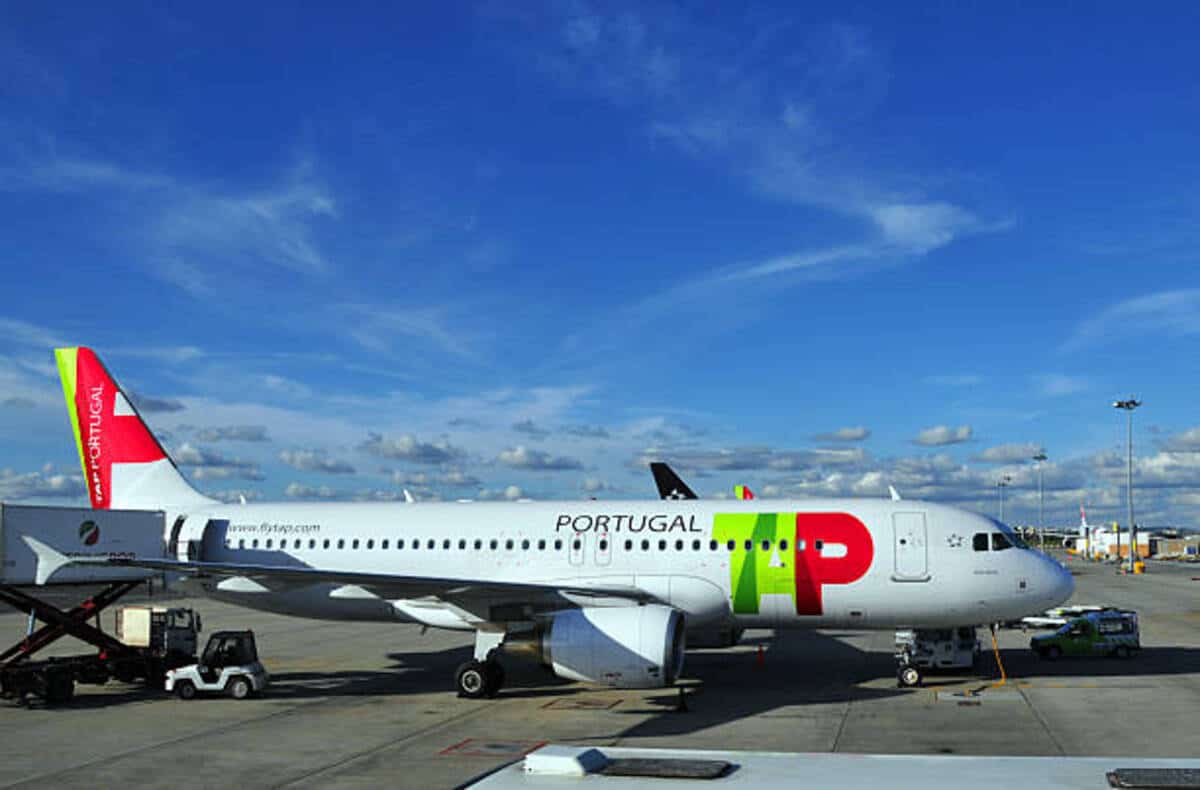
Image generated with Ai
TAP Air Portugal reported a €99.2 million loss in the first six months of the year, despite having a record amount of passengers and revenue growth. Higher fuel costs bit into the company’s bottom line. The company transported 8.2 million passengers during the first six months of the year. That is 4.2 percent growth from the first six months of 2021. Total operating revenue was over €2 billion for the first six months of the year.
The airline’s financial results highlight the difficult balance facing global carriers in 2026, with strong travel demand supporting growth while rising fuel prices continue to weaken profitability. TAP said increased energy costs, driven by international market volatility and geopolitical tensions, created major pressure on operating expenses during the first half.
Advertisement
Advertisement
Although the airline recorded a deeper loss than the previous year, TAP maintained that its commercial performance remained resilient, supported by stronger demand in key markets, increased capacity and improved revenue generation.
Passenger Numbers Reach New High as TAP Strengthens Global Network Performance
TAP’s first-half operational performance showed continued expansion, with passenger volumes reaching the highest level recorded for the period. The airline operated approximately 57,500 flights from January to June, slightly higher than the previous year, as demand remained strong across its network.
Advertisement
Advertisement
The carrier’s passenger growth was supported by sustained demand in its main markets, particularly routes connecting Portugal with Europe and South America. These regions remain strategically important for TAP due to its strong network links between the continents.
Advertisement
Advertisement
Revenue from airline tickets increased to €1.829 billion, representing a 4.4% rise year on year. TAP attributed this growth to higher demand, improved commercial performance and stronger results across important international routes.
Overall operating revenue reached €2.0398 billion, an increase of 4.3% compared with the same period last year. The figures indicate that the airline successfully expanded its income streams despite facing a challenging cost environment.
Rising Jet Fuel Expenses Become Biggest Financial Challenge for Portuguese Carrier
The largest obstacle affecting TAP’s financial results was the sharp rise in fuel costs. The airline reported that fuel expenses increased by 18.7% during the first half, with the impact becoming significantly stronger in the second quarter when fuel costs surged by 52.3%.
Fuel remains one of the largest operating expenses for airlines, making carriers highly vulnerable to sudden changes in global energy markets. In TAP’s case, the increase in jet fuel prices created immediate financial pressure while revenue recovery measures required more time to deliver results.
The airline explained that many tickets for the second quarter had already been sold before fuel prices increased. This limited TAP’s ability to immediately adjust fares and recover the additional costs.
Advertisement
Advertisement
The situation reflects a broader challenge across the aviation sector, where airlines must manage unpredictable fuel markets while maintaining competitive ticket prices to protect passenger demand.
TAP Maintains Operational Strength Despite Financial Pressure
Despite the financial impact of rising fuel expenses, TAP continued to demonstrate operational stability during the first half of the year. The airline reported a recurring EBITDA of €181.9 million, showing that its core operations continued generating positive earnings before accounting for interest, taxes, depreciation and amortisation.
However, recurring EBIT remained negative at €83.7 million, reflecting the impact of higher costs on overall profitability.
TAP highlighted that revenue growth, increased capacity and improved unit revenue helped reduce some of the pressure created by external economic factors. The airline’s performance demonstrated continued customer demand and the strength of its international network.
The company also noted that the first-half results do not represent the full annual outlook, as the summer travel period typically delivers stronger passenger volumes and higher revenue due to peak holiday demand.
Advertisement
Advertisement
New Strategic Plan Sets Direction for TAP’s Next Decade of Growth
The financial announcement comes as TAP begins implementing a new long-term strategy covering the period from 2026 to 2035. The airline has completed its restructuring programme and is now moving into a new phase focused on sustainable growth and operational transformation.
The new strategic framework includes investments in digitalisation, innovation and efficiency improvements through the company’s Horizon Programme. The initiative aims to strengthen internal processes, improve customer experience and create a more competitive airline model.
TAP said the strategy is designed to build long-term value while preparing the airline for future challenges in the global aviation industry.
The carrier’s future plans come at a time when airlines worldwide are adapting to changing passenger behaviour, increasing operational costs and evolving competition across international markets.
TAP Privatisation Process Advances as Government Reviews Major Airline Bids
TAP’s financial results were released as Portugal moves closer to a major decision regarding the airline’s ownership structure. State holding company Parpública is preparing its final evaluation of binding proposals submitted by European aviation groups seeking a stake in the national carrier.
Advertisement
Advertisement
Air France-KLM and Lufthansa Group have submitted offers to acquire 44.9% of TAP’s capital, with the Portuguese government set to analyse the proposals before deciding the next stage of the airline’s future.
The potential investment represents a significant turning point for TAP as the airline seeks additional strength, international competitiveness and long-term financial stability.
While the first-half loss reflects the impact of global fuel challenges, TAP’s record passenger performance and revenue growth underline the continued demand for its network. The airline now enters a critical period focused on executing its long-term strategy while preparing for possible changes in ownership and future expansion.
Advertisement
