
Southwest Airlines Flight WN185 Boeing 737-8H4 to Phoenix Diverts and Returns to Sacramento International Airport on July 28: All Details

Updated
Published
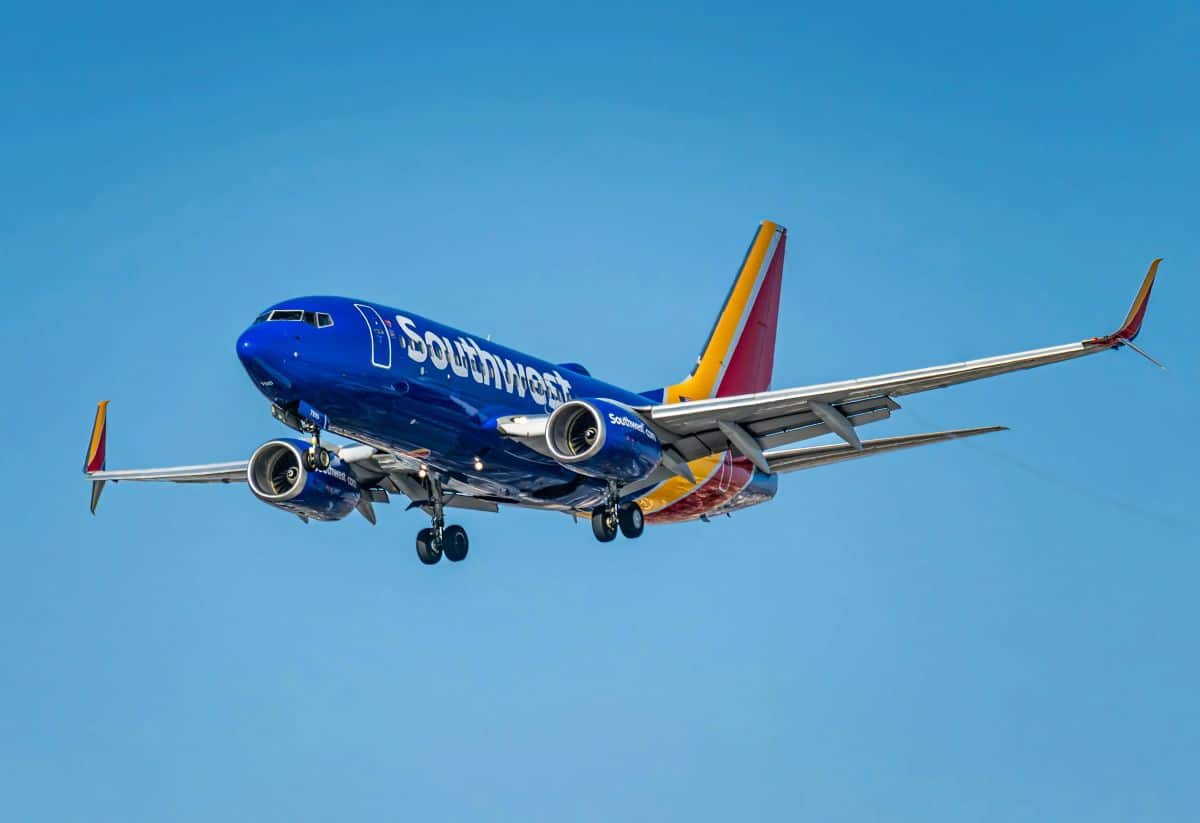
Image generated with Ai
Southwest Airlines Flight WN185, a Boeing 737-8H4 to Phoenix, diverts and returns to Sacramento International Airport on July 28. Southwest Airlines Flight WN185, a Boeing 737-8H4 to Phoenix, diverts and returns to Sacramento International Airport on July 28. The crew ended the journey soon after take-off and landed safely. However, the exact cause remains unconfirmed because neither the airline nor aviation authorities have released a verified explanation. All details currently point to a precautionary operational return. Therefore, passengers should rely only on official updates. The decision placed safety first and prevented the aircraft from continuing with an unresolved concern onboard.
Why did Southwest Airlines Flight WN4302 return to Sacramento?
Southwest Airlines Flight WN4302 departed Sacramento on schedule and initially climbed towards its planned route to Phoenix before the flight crew decided to discontinue the journey and return to Sacramento International Airport, where the aircraft landed safely approximately thirty-three minutes after departure. While operational records confirm the return, neither Southwest Airlines nor the relevant aviation authorities have publicly identified the specific reason behind the precautionary return, making it impossible to determine whether the event involved a technical indication, an operational concern or another factor without official confirmation.
Commercial airline pilots are trained to make conservative operational decisions whenever an abnormal indication or unexpected situation develops during a flight, even if passengers do not notice anything unusual inside the cabin. Returning to the departure airport allows maintenance engineers to inspect the aircraft under controlled conditions while ensuring passengers and crew remain safe, demonstrating why airlines always prioritise risk management over maintaining on-time performance whenever operational uncertainty arises.
What happened to passengers after the aircraft returned?
Passengers travelling from Sacramento to Phoenix experienced an unexpected disruption after the aircraft returned to its departure airport instead of continuing towards Arizona, leading to the cancellation of the scheduled service. Airlines normally activate customer recovery procedures in situations like these by arranging replacement flights, rebooking travellers onto later departures, assisting passengers with onward connections and providing updated travel information to reduce inconvenience as quickly as possible.
Advertisement
Advertisement
Although unexpected returns can interrupt business trips, holidays and connecting itineraries, aviation safety procedures are specifically designed to minimise operational risk whenever additional inspections are considered necessary. Once the aircraft reached Sacramento, airline maintenance personnel would have been able to examine the Boeing 737-800 thoroughly before any decision could be made regarding its return to service, ensuring every required inspection was completed in accordance with approved maintenance standards.
Advertisement
Advertisement
How common are flights returning shortly after departure?
Aircraft returning to their departure airport represent only a small proportion of the thousands of commercial flights operating every day around the world, yet they remain an important element of modern aviation safety management. Airlines encourage flight crews to respond immediately to abnormal system indications, unexpected operational conditions or maintenance-related concerns because taking early precautionary action significantly reduces potential operational risks and supports the industry’s proactive safety culture.
Many precautionary returns ultimately involve issues that are successfully resolved during engineering inspections, while others reveal faults requiring maintenance before the aircraft can safely resume passenger operations. Regardless of the final technical findings, aviation regulations and airline operating procedures consistently support cautious decision-making, recognising that delaying or cancelling a flight is always preferable to continuing a journey when additional technical assessment is considered appropriate.
What is known about the Boeing 737-800 involved in the event?

Image generated with Ai
The aircraft operating Southwest Airlines Flight WN4302 was a Boeing 737-800, registration N8324A, one of the most widely used narrow-body commercial aircraft serving domestic and short-haul international routes worldwide. The aircraft departed Sacramento International Airport at 07:30 local time for Phoenix before returning safely to Sacramento at 08:03, ending the scheduled service before its planned arrival in Arizona later that morning.
Advertisement
Advertisement
The Boeing 737-800 has earned a long-established reputation for reliability across global airline fleets and continues to operate millions of passenger journeys every year under comprehensive regulatory oversight. Like every commercial aircraft, it follows strict maintenance schedules, routine inspections and mandatory safety requirements, meaning any aircraft involved in an operational return receives appropriate engineering attention before it is cleared for future passenger flights.
What should travellers understand about precautionary flight returns?
Passengers often become concerned when an aircraft returns to its departure airport shortly after take-off, but such decisions usually demonstrate that aviation safety systems are functioning exactly as intended. Flight crews continuously monitor aircraft performance from departure until landing, and if anything requires additional assessment, they have both the authority and responsibility to end the flight before the situation develops into a more significant operational issue.
Advertisement
Advertisement
Travellers should always rely on official airline communications for accurate information regarding delays, replacement flights and revised travel arrangements instead of depending on unofficial reports or speculation circulating on social media. Until Southwest Airlines or the appropriate aviation authorities release verified details explaining why Flight WN4302 returned to Sacramento, the exact cause remains unconfirmed, and any assumptions beyond the available operational information should not be treated as factual.
Southwest Airlines Flight WN185 did not complete its planned journey from Sacramento to Phoenix on July 28. The Boeing 737-8H4 returned safely to Sacramento International Airport after the crew decided to discontinue the flight. The available information confirms the return but does not establish the precise cause. Therefore, claims about a technical fault, medical event or other problem would be speculation. The clearest answer is that the crew chose a precautionary return because continuing was not considered appropriate at that time. The decision allowed the aircraft to land safely and undergo any checks required before another passenger service could operate.
Image: Southwest Airlines
Advertisement
