
Bahrain Stands With Saudi Arabia And More GCC Nations As Gulf Travel Recovery Accelerates Towards Pre-War Levels

Published
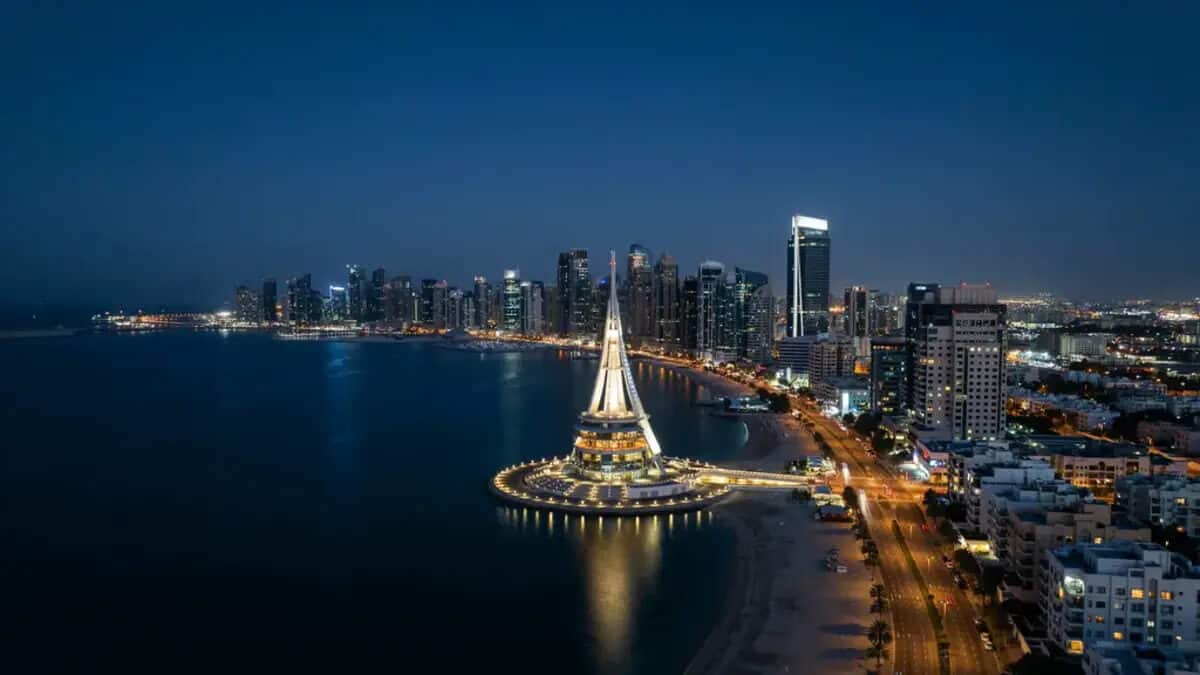
Image generated with Ai
Bahrain backs restoration of Gulf travel as tourism surges in region despite regional upheaval. Gulf tourism is on the mend as airlines ramp up traffic in the region. Travel within the Gulf Cooperation Council (GCC) has been on a roll despite the regional chaos, as flights resume and the region’s tourists grow more confident by the day. While international tourism in the region has yet to recover its prewar pace, travel within the GCC has been steadily climbing to near previous levels.
Bahrain, Saudi Arabia, the United Arab Emirates (UAE), Qatar, Kuwait and Oman are witnessing improving travel demand as regional networks become more reliable. Short-distance Gulf journeys, business movements and family visits have become the strongest drivers of recovery, while long-haul international tourism remains more cautious because of ongoing geopolitical uncertainty.
The recovery has been supported by the restoration of airline schedules, stronger regional connectivity and renewed confidence among travellers. Travel demand is increasing despite continued tensions, with the GCC tourism sector preparing for a stronger final quarter.
GCC Travel Recovery Figures Show Strong Regional Momentum
| Travel Segment | Recovery Level Compared With Pre-War Period |
|---|---|
| Leisure travel and visiting family/friends | Around 85% of pre-conflict levels |
| Business travel | Around 70% of pre-conflict levels |
| UAE hotel occupancy recovery expectation | 60–66% recovery over the coming months |
| UAE hotel occupancy decline during first half | Around 30.3% decline due to regional disruption |
| International tourism recovery | Slower due to travel concerns and airline suspensions |
The recovery pattern shows that regional mobility has returned faster than international visitor arrivals. Gulf residents and nearby travellers have continued making trips because of shorter distances, familiar destinations and improved confidence.
Advertisement
Advertisement
Bahrain Strengthens Position As Gulf Travel Confidence Returns

Image generated with Ai
- Bahrain’s tourism recovery is being supported by stronger regional movement across the GCC. The country remains highly connected with neighbouring Gulf markets, allowing it to benefit from the return of short-haul leisure, business and family travel.
- Regional visitors remain a key tourism source for Bahrain. As GCC flight networks improve, demand for weekend breaks, cultural visits and business-related journeys is expected to strengthen.
- Bahrain’s position within the Gulf travel ecosystem is becoming increasingly important. While international travellers continue to monitor regional security conditions, GCC travellers are showing greater confidence in travelling within the region.
- The recovery of aviation connectivity is expected to support Bahrain’s hotels, attractions and hospitality businesses. The country’s tourism performance is closely linked to regional confidence and cross-border mobility.
Saudi Arabia Maintains Travel Growth Despite Regional Challenges

Image generated with Ai
- Saudi Arabia continues to show resilience as one of the GCC’s most important tourism markets. The country has maintained travel activity despite renewed regional tensions and security concerns.
- Religious tourism remains a major foundation of Saudi Arabia’s visitor economy. Makkah and Madinah continue attracting millions of visitors, while business travel is also strengthening due to economic development projects.
- Regional travel demand has remained strong. Riyadh has emerged as a leading destination for business travel within the GCC, highlighting the importance of corporate mobility in the recovery process.
- Saudi Arabia’s wider tourism ambitions continue supporting long-term growth. Infrastructure investment, destination development and improved connectivity are expected to strengthen the country’s position in Gulf tourism.
United Arab Emirates Leads Gulf Tourism Recovery

Image generated with Ai
- The UAE remains the strongest tourism recovery market highlighted in the report. Dubai and Abu Dhabi continue attracting international visitors through luxury tourism, business travel, aviation connectivity and hospitality offerings.
- The hospitality sector experienced pressure after the conflict began. Hotel occupancy declined significantly during the first half of the year, with a reported fall of around 30.3%. However, recovery has started during the second half.
- Hotel demand is expected to improve further. Recovery forecasts indicate UAE hotel occupancy could strengthen by around 60–66% over the following months as confidence returns.
- Dubai continues to benefit from its global aviation role. Abu Dhabi remains important for business, cultural and luxury travel, while Ras Al Khaimah is gaining attention as an emerging leisure destination.
- The expected return of more international carriers could further accelerate UAE tourism growth. Airlines restoring services would improve access for overseas travellers who have delayed Middle East trips.
Qatar Benefits From Aviation Recovery And Regional Connectivity

Image generated with Ai
- Qatar’s tourism recovery is closely connected with aviation performance. Doha’s position as a regional transport hub allows the country to benefit from improving Gulf flight networks.
- Business travel remains an important tourism driver for Qatar. The return of corporate movement across the GCC is expected to support hotels, conferences and hospitality services.
- Regional visitors are expected to play a stronger role during the recovery period. As travellers continue choosing shorter journeys, Qatar is positioned to benefit from improved Gulf connectivity.
- International visitor confidence remains the main challenge. Wider regional uncertainty continues influencing long-distance travel decisions.
Kuwait Sees Gradual Improvement Through Regional Mobility

Image generated with Ai
- Kuwait’s travel recovery is being supported mainly by regional movements. The country benefits from stronger GCC connectivity and increasing confidence among Gulf travellers.
- Business and family travel remain important recovery segments. As airlines restore schedules, movement between Kuwait and neighbouring Gulf destinations is expected to strengthen.
- The country’s tourism growth depends heavily on regional stability. Improved travel conditions across the GCC will remain essential for sustained visitor growth.
Oman Gains From Rising Gulf Leisure Demand

Image generated with Ai
- Oman is benefiting from the return of regional leisure travel. The country’s natural landscapes, heritage attractions and coastal destinations make it an important GCC holiday option.
- Short regional trips are supporting Oman’s tourism recovery. Gulf travellers are increasingly choosing nearby destinations as international tourism remains slower.
- Improved connectivity will remain critical. Stronger airline networks and regional confidence will help Oman attract more visitors.
Gulf Aviation Recovery Creates New Tourism Opportunities
The GCC aviation sector has become a central factor in the tourism rebound. Airlines are gradually rebuilding schedules, while travellers are showing renewed willingness to move between Gulf destinations.
Advertisement
Advertisement
However, international aviation recovery remains uneven. Several global carriers have continued suspending services or delaying their return to the region because of security concerns. This has slowed the return of overseas leisure travellers.
Despite these challenges, the outlook for the final quarter remains positive. A potential improvement in regional stability, combined with stronger airline operations, could accelerate tourism recovery across the Gulf.
Gulf Tourism Enters Critical Recovery Phase Ahead Of Fourth Quarter
The GCC tourism market is entering an important recovery stage. Bahrain, Saudi Arabia and other Gulf countries are benefiting from stronger regional travel demand, while the UAE continues leading hospitality recovery.
The current trend shows that Gulf tourism has not lost demand but has experienced a temporary disruption. Regional travellers, business visitors and family movements are rebuilding confidence faster than international tourism.
As airlines restore connectivity and destinations prepare for increased demand, the Gulf region is expected to move closer towards pre-war travel conditions. The recovery of aviation, hotel occupancy and visitor confidence will determine how quickly GCC tourism returns to full strength.
Advertisement
Advertisement
Bahrain backs recovery of Gulf tourism as travel resumes after regional strife.
It will be crucial to ensure free and easy travel, the resumption of international airline services and the investment in tourist infrastructure in Bahrain, Saudi Arabia, the UAE, Qatar, Kuwait and Oman.
Advertisement
