
Bolivia Tourism Soars Beyond Uyuni into Ancient Ruins Jungle Trails and Mountain Magic

Published
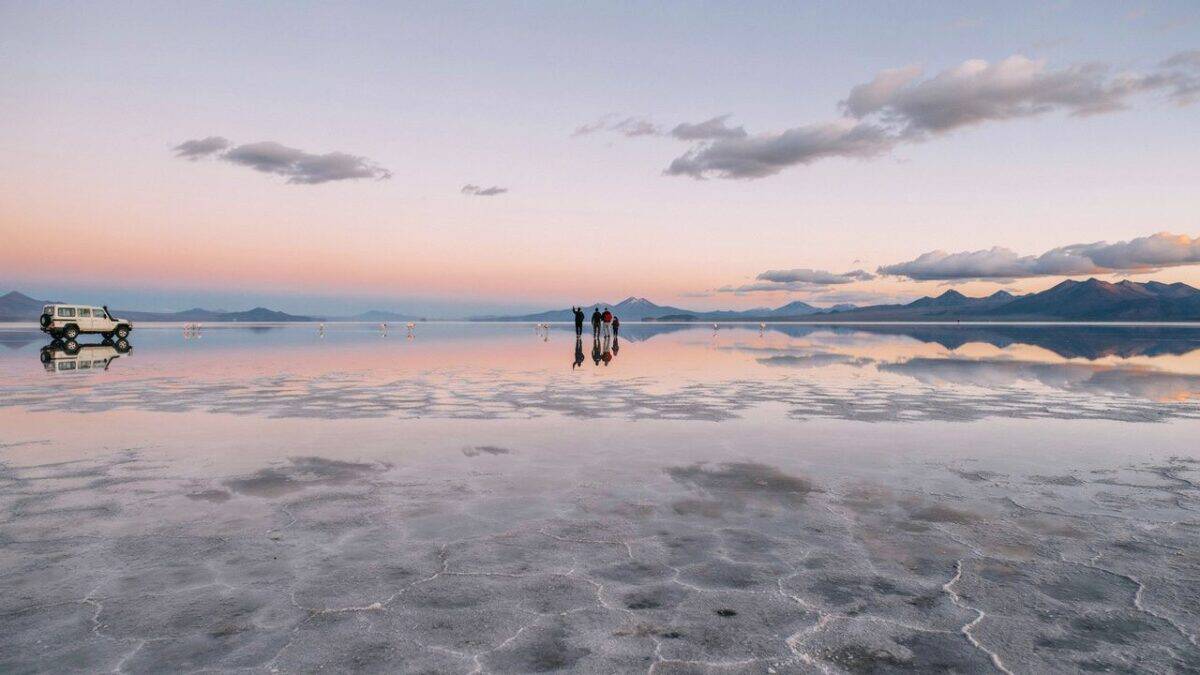
Image generated with Ai
Bolivia gives travellers a rare kind of holiday. It brings together bright salt flats, snow-tipped peaks, busy mountain cities, old stone temples and thick Amazon forest. Each place feels very different. This is why Bolivia stands out in South America.
The country is not a quick stop. It is a place to explore slowly. Roads can be long. Heights can be extreme. Weather can change fast. Yet the reward is huge. Travellers can see places that look like another planet, meet communities with deep traditions and enjoy nature that still feels wild.
Bolivia also has seven UNESCO World Heritage sites. These include Sucre, Potosí, Tiwanaku, Samaipata, the Jesuit Missions of Chiquitos, part of the Qhapaq Ñan road network and Noel Kempff Mercado National Park. This gives the destination a strong mix of culture, history and nature.
Salar de Uyuni is Bolivia’s unforgettable star
The Salar de Uyuni is the sight many visitors dream about. It is a vast white salt flat in south-west Bolivia. The open land seems to have no end. The sky feels very close. This creates a powerful scene for photos and quiet moments.
After rain, a thin layer of water can cover the salt. It reflects the sky like a giant mirror. In drier periods, the ground shows striking white patterns. Both views are special.
Many tours also travel beyond the salt flat. They visit colourful lakes, volcanoes, hot springs and strange rock shapes. These places make the journey feel even bigger. Travellers should book with a trusted operator. The region is remote and very high. Nights can be freezing, even when the sun feels warm in the day.
La Paz brings city life above the clouds
La Paz gives Bolivia a fast, exciting city side. It sits among deep valleys and high mountains. Homes climb the hills. Markets fill the streets. Local life moves at a strong pace.
The city works well as a gateway to the wider Altiplano region. Visitors can see colourful markets, try local food and enjoy wide mountain views. It is also a useful base before heading to Lake Titicaca, Tiwanaku or the salt flats.
However, travellers must take care with the altitude. La Paz and Uyuni are very high. Altitude sickness can affect visitors. Rest on the first day. Drink water. Avoid rushing into hard activity. People with health concerns should seek medical advice before travelling.
Lake Titicaca and Tiwanaku add calm and meaning
Lake Titicaca offers a slower rhythm after the noise of La Paz. Copacabana is a popular base on the lake’s Bolivian shore. It has peaceful views, boat trips and a relaxed holiday feel. The blue water, hills and clear light create a simple but memorable escape.
Tiwanaku gives the journey a deeper historical meaning. This ancient site was once an important spiritual and political centre. Its stone gateways, temples and carvings show the strength of an old Andean civilisation.
A visit here is not only about taking pictures. It helps travellers understand that Bolivia’s story began long before modern cities and borders. This makes Tiwanaku one of the country’s most important cultural stops.
Advertisement
Advertisement
Sucre and Potosí reveal powerful history
Sucre is one of Bolivia’s most graceful cities. Its white buildings, museums and quieter streets give it a gentle charm. Travellers can walk, learn and enjoy the slower pace. It suits people who want history without the rush of a large city.
Potosí tells a harder story. Its history is closely linked to silver mining. The city helped create great wealth during colonial times, but this wealth came with deep human cost. Visitors should approach the place with respect.
Together, Sucre and Potosí offer one of Bolivia’s strongest heritage journeys. They show beauty, learning and the difficult parts of the past. This gives cultural tourism in Bolivia real weight.
Advertisement
Advertisement
Madidi and Torotoro lead the nature adventure
Madidi National Park is a major choice for rainforest travel. It is home to rich wildlife, forest rivers and Indigenous communities. Community-based tourism plays an important role here. It can help bring income to local people while supporting conservation.
Travellers often reach the wider Madidi area through Rurrenabaque. Guided stays offer a chance to look for birds, monkeys and other wildlife. The experience is about patience. Nature does not follow a timetable. This is part of its magic.
Torotoro National Park offers a very different outdoor adventure. It has caves, canyons, rock landscapes and dinosaur footprints. Walks through the park can reveal huge cliffs and stone forms shaped over many years. It is a strong choice for families, hikers and travellers who love geology.
Santa Cruz and the east offer a warmer side
Santa Cruz gives visitors a greener and warmer view of Bolivia. It is useful for travellers moving towards Samaipata and the Jesuit Missions of Chiquitos. This region has a softer pace than the highlands.
Samaipata combines nature with history. The nearby archaeological site is a UNESCO World Heritage place. The Chiquitos mission towns add churches, music and local traditions. These eastern routes are ideal for people who want culture without high altitude.
For remote wilderness, Noel Kempff Mercado National Park is one of Bolivia’s great natural treasures. UNESCO describes it as one of the largest and most intact parks in the Amazon Basin. It has forest, savannah and a remarkable natural history. Reaching it takes planning, but the experience can be truly special.
Bolivia rewards travellers who slow down
Bolivia is best for curious travellers. It suits people who want more than an easy holiday. The country asks visitors to plan carefully, respect local places and allow extra time.
Check entry rules, weather conditions, health advice and regional safety guidance before leaving. Carry warm clothes for the highlands. Use reliable transport and tour providers. Keep valuables secure in crowded places.
Bolivia does not offer one single travel story. It offers many. A traveller can stand on a salt flat in the morning, learn about ancient stone cities the next day and then enter a rainforest full of life. That powerful contrast is what makes Bolivia impossible to forget.
Advertisement
