
Albania Leads Europe Tourism Improvement as Sustainable Growth and Affordable Travel Gain Ground

Published
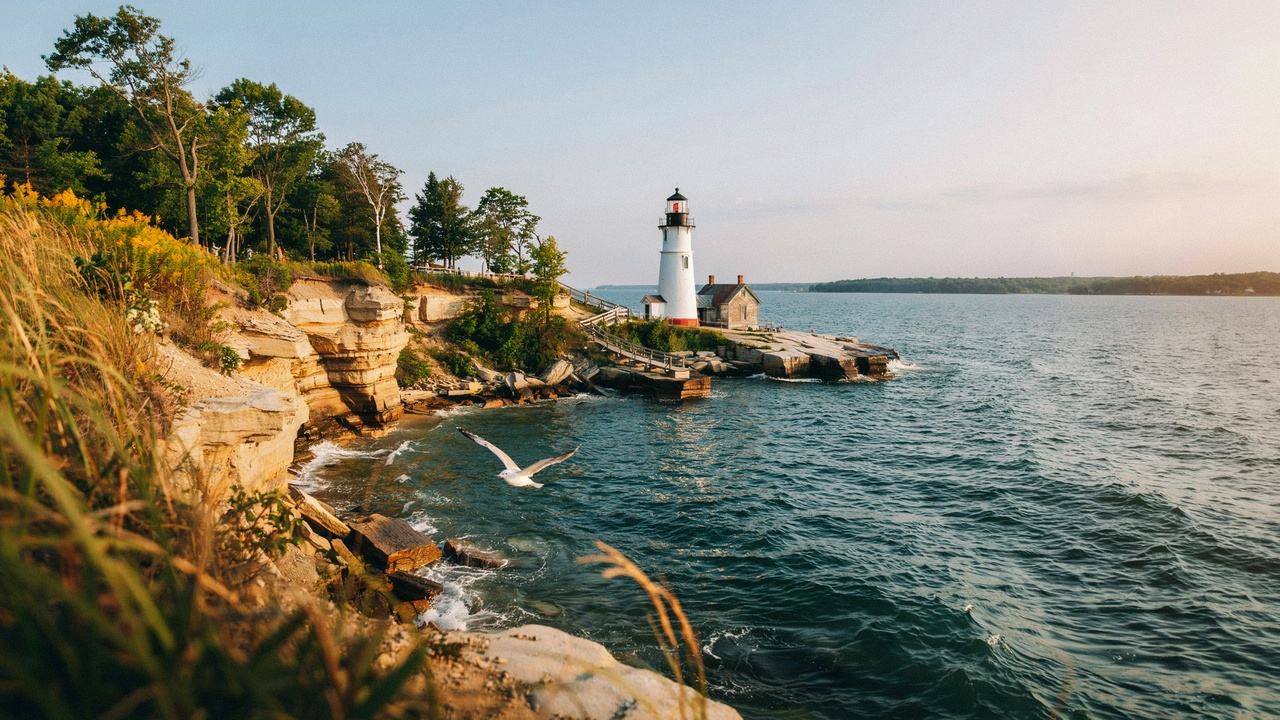
Image generated with Ai
Albania has emerged as the strongest improving tourism economy in the latest World Economic Forum assessment, adding fresh momentum to the Balkan country’s rapid transformation into a major European travel destination.
The World Economic Forum’s Travel & Tourism Development Index 2026 identifies Albania as the most-improved economy overall between 2024 and 2026.
This is an important distinction. The finding does not mean Albania recorded the world’s fastest increase in tourist arrivals. Instead, the index measures the conditions that allow countries to develop tourism in a sustainable and resilient way.
These include infrastructure, connectivity, tourism services, business conditions, natural and cultural resources, digital readiness and sustainability.
Advertisement
Advertisement
Albania’s improvement therefore points towards a wider strengthening of its tourism environment at a time when travellers are increasingly looking beyond Europe’s traditional Mediterranean destinations.
Albania Becomes the Biggest Improver in the 2026 Index
The World Economic Forum’s latest assessment covers 110 economies.
Advertisement
Advertisement
Across the index, tourism development conditions improved considerably between 2024 and 2026. A total of 101 economies, or 92% of those assessed, improved their scores.
Albania stood out.
The country recorded the strongest overall improvement during the two-year period.
That continues a longer trend. In the previous comparable assessment, Albania had already been among the world’s strongest improving tourism economies.
The result places the country in an interesting position.
Albania does not yet have the tourism infrastructure or global tourism scale of established European leaders such as Spain, France or Italy. However, its development trajectory shows how smaller destinations can strengthen the foundations required for future tourism growth.
Advertisement
Advertisement
| Tourism Factor | Why It Matters for Albania |
|---|---|
| Affordability | Helps Albania compete with more expensive Mediterranean destinations |
| Natural resources | Beaches, mountains and landscapes broaden visitor appeal |
| Cultural attractions | Heritage supports travel beyond coastal holidays |
| Infrastructure | Better tourism services can support rising demand |
| Connectivity | Easier access expands international visitor markets |
| Sustainability | Important for protecting natural areas as tourism grows |
| Digital readiness | Helps travellers discover and book destinations |
Affordability Remains a Major Albanian Advantage
Price is one of Albania’s most important competitive strengths.
The World Economic Forum specifically identifies Albania as an example of a country that has benefited from offering visitors a more affordable alternative to neighbouring destinations while maintaining a compelling tourism experience.
This advantage has become more significant as travel costs rise across Europe.
The 2026 index found that price competitiveness deteriorated in three-quarters of the economies assessed between 2024 and 2026.
Accommodation, transport, labour and other tourism-related expenses have increased in many destinations.
Albania can therefore appeal to travellers looking for Mediterranean scenery and European cultural experiences without some of the higher costs associated with more established tourism markets.
Advertisement
Advertisement
However, affordability cannot be the country’s only long-term advantage.
As demand rises, prices can rise too.
The challenge will be maintaining value while improving quality.
Albanias Natural Landscape Gives Tourism Room to Diversify
Albania has another powerful advantage: variety.
The country combines an Adriatic and Ionian coastline with mountains, historic settlements, archaeological attractions and rural landscapes.
This means Albania does not have to depend exclusively on beach tourism.
Advertisement
Advertisement
Visitors can potentially combine:
- Coastal holidays
- Mountain adventures
- Hiking
- Cultural tourism
- Archaeological sites
- Historic towns
- Rural experiences
- Food tourism
- Nature-based holidays
That variety could help Albania build a longer tourism season.
Coastal destinations are often heavily dependent on summer. Mountain, cultural and adventure tourism can attract visitors during different parts of the year.
A more diversified tourism economy could also spread visitor spending into communities away from the busiest coastal areas.
Sustainable Development Is Becoming Critical
Rapid tourism growth creates opportunity, but it also creates pressure.
Albania’s beaches, mountains and relatively undeveloped landscapes are among the assets making the country attractive.
Advertisement
Advertisement
Poorly managed development could weaken those same advantages.
This makes sustainable tourism increasingly important.
Albania’s National Tourism Agency states that its vision is to develop the country as a year-round, sustainable and internationally competitive destination.
Its tourism objectives include promoting investment while developing cultural, natural and adventure tourism and supporting local communities.
That approach will become increasingly important as investment grows.
Large accommodation projects can increase visitor capacity and create jobs. But new tourism infrastructure also requires transport, water, waste management, energy and environmental safeguards.
Advertisement
Advertisement
Sustainable tourism therefore involves much more than constructing environmentally branded resorts.
It requires careful management of the entire destination.
Infrastructure Must Keep Pace With Demand
The World Economic Forum’s index makes another point clear.
Tourism success depends on much more than attracting visitors.
The TTDI assesses infrastructure and services alongside the resources that motivate people to travel.
That includes air connectivity, ground transport, ports and tourism services.
Advertisement
Advertisement
This matters particularly for rapidly developing destinations.
A country can attract strong international interest but still struggle if airports, roads, public transport, accommodation supply and local services cannot handle rising demand.
Infrastructure development therefore needs to grow alongside tourism.
Albania’s future competitiveness could depend on whether investments make journeys easier without damaging the landscapes that attract travellers in the first place.
Albania Is Part of a Wider Tourism Shift
The 2026 World Economic Forum report shows that global tourism development is changing.
Advanced economies still dominate the highest positions.
Advertisement
Advertisement
Japan ranks first in the latest TTDI, followed by the United States and Spain. France, Germany, the United Kingdom, Switzerland and Italy are also among the top 10.
But emerging tourism economies are gaining ground.
The World Economic Forum reports that major emerging tourism economies have improved more than twice as quickly as the top 20 economies since 2019.
Asia-Pacific produced seven of the 10 fastest-improving performers in the latest period.
Albania nevertheless recorded the strongest improvement overall between 2024 and 2026.
This makes its performance particularly notable for European tourism.
Advertisement
Advertisement
Albania Still Faces an Important Tourism Test
Rapid improvement does not remove the challenges facing Albania.
Growing popularity can place pressure on beaches, historic centres, housing, roads, water supplies and local communities.
Successful destinations across Europe have already demonstrated how quickly tourism growth can create tensions when visitor numbers become concentrated in small areas.
Albania has an opportunity to learn from those experiences.
Future tourism development will need to balance several priorities:
- Attract investment without excessive construction
- Protect beaches and natural landscapes
- Improve transport and tourism infrastructure
- Spread visitors beyond the busiest destinations
- Extend tourism beyond the summer season
- Support local communities and businesses
- Maintain value as prices increase
- Protect cultural and natural resources
Achieving that balance could determine whether the country’s tourism momentum remains sustainable.
Advertisement
Advertisement
Tourism Growth Is Not the Same as Tourism Development
The distinction is particularly important when interpreting the World Economic Forum ranking.
The Travel & Tourism Development Index does not measure which country receives the most visitors or records the fastest increase in arrivals.
It measures the conditions that enable tourism to develop sustainably and resiliently.
Its framework contains 17 pillars and 102 indicators.
These examine areas ranging from the business environment and safety to transport infrastructure, tourism services, cultural resources and environmental sustainability.
Albania’s position as the strongest improving economy therefore represents progress across the wider conditions supporting tourism.
Advertisement
Advertisement
It should not be interpreted simply as a visitor-growth league table.
Albania Enters a Crucial Stage of Tourism Development
Albania’s rise comes at an important moment for European tourism.
Travellers are increasingly searching for alternatives to expensive or overcrowded Mediterranean destinations. At the same time, established tourism markets are struggling with rising costs, infrastructure pressure and concerns about overtourism.
Albania offers a different proposition.
Its coastline, mountains, heritage and comparatively competitive prices give it significant potential.
The World Economic Forum’s 2026 findings suggest that the foundations supporting that tourism economy are strengthening rapidly.
Advertisement
Advertisement
The next challenge is more difficult.
Albania must convert growing tourism interest into long-term economic benefits without losing the affordability, landscapes and local character that helped make it attractive.
If infrastructure, investment and environmental protection develop together, Albania could strengthen its position as one of Europe’s most significant emerging tourism destinations.
The latest global index shows that progress is already under way.
Advertisement
