
Oman Joins UAE, Qatar, Bahrain, Saudi Arabia, Kuwait, Iraq, Iran, Syria and Others as Maritime Traffic Surges Across the Strait of Hormuz Following Ceasefire Developments Between The US and Iran, But Could a New Gulf Travel and Tourism Corridor Be Emerging?

Published
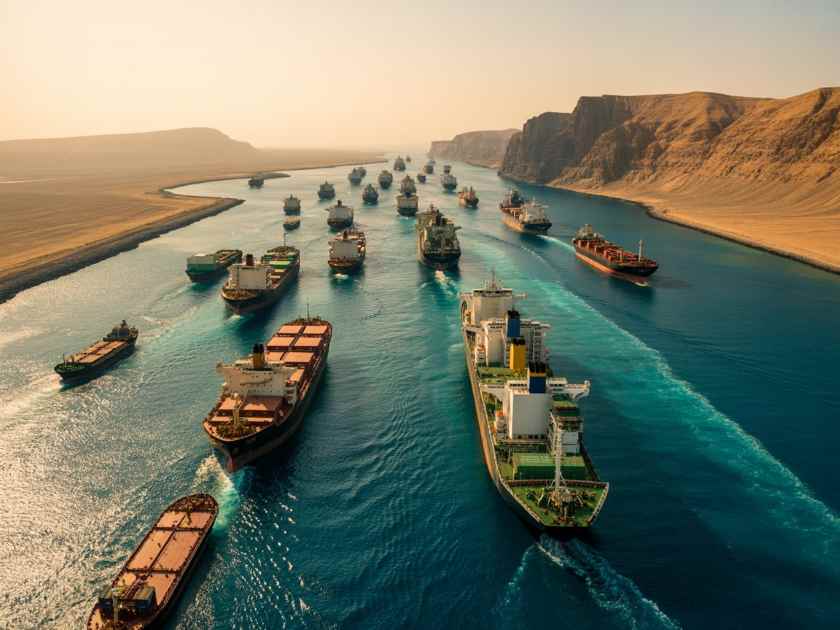
Oman Joins UAE, Qatar, Bahrain, Saudi Arabia, Kuwait, Iraq, Iran, Syria and Others as Maritime Traffic Surges Across the Strait of Hormuz Following Ceasefire Developments Between the US and Iran.
UAE, Oman, Qatar and Bahrain are seeing renewed activity across one of the world’s most strategically important waterways as maritime traffic through the Strait of Hormuz reached its highest daily level of the month. The development is drawing attention across the travel and tourism industry because the waterway serves as a critical transportation corridor linking Gulf destinations with global markets, cruise routes and international supply networks.
According to maritime analysis firm Windward, fourteen vessels passed through the Strait of Hormuz on Tuesday, marking the busiest day recorded this month. The increase followed the announcement of a ceasefire agreement between the United States and Iran and represents a notable rise in vessel movements after weeks of disruption and uncertainty across the region.
Although the latest figure remains well below historical averages, the increase highlights the importance of maritime stability for tourism, transportation and destination connectivity throughout the Gulf.
Strait of Hormuz Remains a Lifeline for Gulf Connectivity
Positioned between Oman and Iran, the Strait of Hormuz is one of the most important maritime corridors in the world. The narrow passage connects the Arabian Gulf with the Gulf of Oman and the Arabian Sea, serving as a gateway for international trade and transportation.
Advertisement
Advertisement
For Gulf destinations including Dubai, Abu Dhabi, Muscat, Doha and Manama, the waterway plays a significant role in maintaining connections with global markets. While tourists often arrive by air, maritime routes support many of the supply chains and transport networks that help destinations operate efficiently.
Hotels, resorts, restaurants, cruise terminals and tourism attractions across the region depend on a steady movement of goods ranging from food products and hospitality supplies to construction materials and consumer goods.
Advertisement
Advertisement
Vessel Traffic Records Highest Daily Volume of the Month
Windward reported that fourteen vessels crossed the Strait of Hormuz on Tuesday, making it the busiest day of the month so far.
The increase comes after recent geopolitical developments encouraged a gradual return of maritime activity. However, vessel traffic remains substantially lower than normal levels seen before the conflict period.
Reports indicate that approximately 130 vessels crossed the strait daily before disruptions affected shipping operations. As a result, the latest figure represents only a fraction of previous activity levels, despite being the strongest daily performance recorded this month.
The increase, nevertheless, signals a gradual improvement in movement through a corridor that is closely monitored by transportation, tourism and logistics sectors worldwide.
Why Maritime Activity Matters for Tourism
The relationship between maritime transportation and tourism is often less visible than aviation, yet it remains essential for destination operations.
Across the UAE, Oman, Qatar and Bahrain, tourism infrastructure relies on extensive international supply networks. Resorts, luxury hotels, entertainment venues and hospitality businesses depend on imported products and equipment that frequently travel through maritime routes connected to the Gulf.
Advertisement
Advertisement
Improved shipping activity can support smoother logistics operations across the tourism ecosystem. This includes everything from hotel procurement and food supply chains to retail inventories and tourism-related construction projects.
For destinations investing heavily in tourism growth, efficient transportation networks remain a key factor in supporting visitor experiences and long-term development goals.
Cruise Tourism Watches Regional Developments Closely
The Gulf has become an increasingly important cruise tourism market over the past decade.
Major cruise itineraries frequently connect ports across Dubai, Abu Dhabi, Doha, Muscat and Bahrain, creating multi-destination experiences for international travellers. Cruise operators continuously monitor regional maritime conditions when planning seasonal deployments and voyage schedules.
As vessel traffic increases through the Strait of Hormuz, attention is also turning towards broader transportation confidence across regional waterways. Cruise tourism remains one of the sectors most closely linked to maritime accessibility and operational stability.
Several Gulf destinations have invested significantly in modern cruise terminals and waterfront developments as part of wider tourism diversification strategies.
Advertisement
Advertisement
Gulf Tourism Continues Expanding Across Key Destinations
Despite recent regional disruptions, Gulf tourism continues to benefit from major investments in infrastructure, hospitality and transportation.
Dubai remains one of the world’s most visited cities and a major gateway for international travellers. Abu Dhabi continues to expand its cultural tourism portfolio through museums, events and entertainment projects.
In Oman, Muscat and surrounding coastal destinations have strengthened their appeal through nature tourism, heritage experiences and adventure travel offerings. Qatar continues building on the international visibility generated by recent global sporting events, while Bahrain remains focused on cultural tourism, business travel and regional visitor markets.
Each of these destinations depends on strong transportation networks that connect visitors, businesses and tourism operators with international markets.
Regional Transportation Networks Remain Under Close Observation
The latest increase in vessel movements is being monitored across transportation sectors throughout the Middle East.
Shipping companies, logistics providers, tourism businesses and infrastructure operators continue assessing developments across the Strait of Hormuz due to its strategic importance. Several ship owners have reportedly maintained a cautious approach regarding future transits while evaluating navigational and operational conditions.
Advertisement
Advertisement
Even so, the rise in traffic demonstrates growing activity through a corridor that remains essential for regional connectivity.
Key Stats and Timeline
• Tuesday: Fourteen vessels crossed the Strait of Hormuz, the highest daily total recorded this month.
• Windward identified the movement as the busiest day for vessel traffic during the month.
• The increase followed the announcement of a ceasefire agreement between the United States and Iran.
• Before recent disruptions, approximately 130 vessels passed through the Strait of Hormuz daily.
• The Strait of Hormuz connects the Arabian Gulf with the Gulf of Oman and the Arabian Sea, making it one of the world’s most important maritime routes.
Conclusion
Oman Joins UAE, Qatar, Bahrain, Saudi Arabia, Kuwait, Iraq, Iran, Syria and Others as Maritime Traffic Surges Across the Strait of Hormuz Following Ceasefire Developments Between The US and Iran. UAE, Oman, Qatar and Bahrain continue to rely on the Strait of Hormuz as a vital transportation corridor supporting regional connectivity, tourism infrastructure and international travel ecosystems. While vessel traffic remains below historical norms, the latest monthly high highlights growing activity across one of the world’s most important waterways. For Gulf destinations pursuing long-term tourism growth, the movement of ships through the Strait of Hormuz remains closely connected to the broader networks that help keep travel, hospitality and destination development moving forward.
Advertisement
