
China’s Chaozhou Turns to Greece’s Corfu for UNESCO World Heritage Guidance and Sustainable Tourism Insights

Published
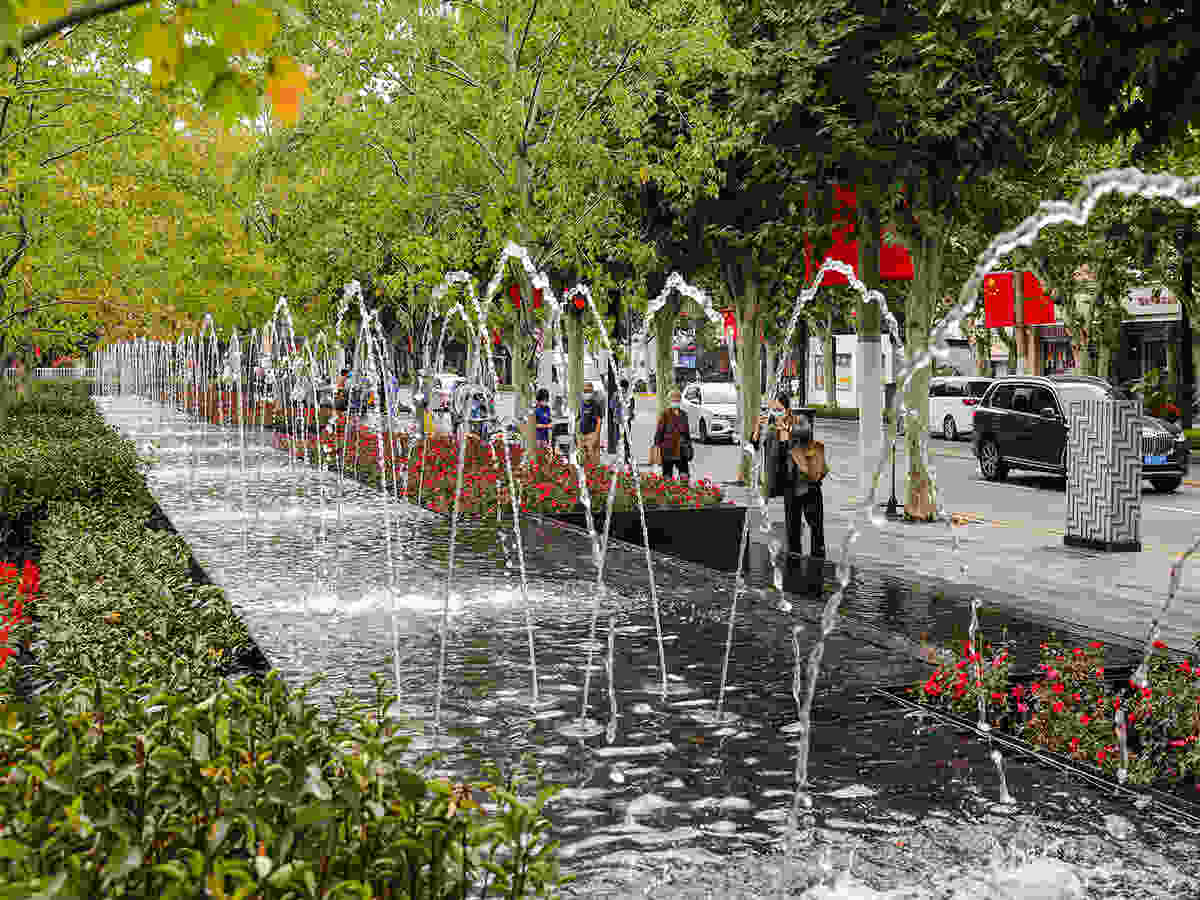
China’s Chaozhou to seek help from Corfu’s UNESCO experts to improve its chances of showcasing its cultural treasures and developing sustainable tourism.
China’s Chaozhou has turned to Greece’s Corfu for advice on how to prepare a UNESCO world heritage nomination, linking the promotion of values and the protection of cultural treasures with the development of sustainable tourism and broader cooperation. The event took place at the Corfu headquarters of the Ionian Islands Region on September 25, 2026.
The meeting brought together regional authorities and a visiting Chinese delegation to examine the work behind Corfu’s heritage nomination. Scientific evidence, coordination with UNESCO and a comprehensive Management Plan formed the core discussion. For Chaozhou, the immediate focus is preparation: understanding how to present its heritage and protect it, rather than announcing that recognition has been secured.
A Delegation Focused on Heritage Knowledge
The Chinese delegation represented Chaozhou’s municipal administration, cultural sector and overseas community organisations. Participants included representatives of the municipal party committee, the Chaozhou Federation of Overseas Chinese and its office leadership.
The Chaozhou Bureau of Culture and Tourism and the Teochew Association of Greece also joined the discussions. Their participation connected the nomination conversation with tourism planning and cultural exchange.
Advertisement
Advertisement
The meeting centred on sharing experience. It considered how Corfu organised its heritage work and which lessons could inform Chaozhou’s preparations. The exchange also opened discussion on cooperation beyond the nomination, including education, tourism and entrepreneurship between the two sides.
Chaozhou Brings Centuries of History
Chaozhou holds recognition as a National Historical and Cultural City of China. Information presented during the meeting described a history stretching beyond 1,600 years and annual visitor numbers of around 20 million.
Advertisement
Advertisement
That tourism figure came from the meeting account, which did not identify a statistical reference year. It should therefore be understood as the scale presented during the exchange, not a newly verified annual total.
UNESCO independently describes Chaozhou’s history as exceeding 1,600 years. The city also joined its Creative Cities Network in 2023. That membership belongs to a separate programme and does not amount to World Heritage inscription.
Corfu Offers a Defined Heritage Example
Corfu’s contribution centred on its nomination experience between 2004 and 2007. The Old Town of Corfu entered the UNESCO World Heritage List in 2007, providing the delegation with an example of a completed process.
The designation applies to the listed historic property, not the entire island. UNESCO records a property covering 70 hectares and a surrounding buffer zone of 162 hectares.
These boundaries illustrate why nomination work must be precise. The discussion was not simply about promoting an attractive destination. It concerned identifying the heritage under consideration and establishing how its distinctive character would be protected over the longer term.
Scientific Evidence Builds the Nomination
A fully documented scientific dossier emerged as a central requirement in the exchange. Such work moves a nomination beyond a general account of a city’s age or popularity.
Advertisement
Advertisement
The World Heritage Convention links recognition to outstanding universal value. Its provisions also require documentation about a proposed property’s location and significance.
For Chaozhou, the practical implication is that historical research must support a clear explanation of the heritage being proposed. A strong visitor economy cannot replace that evidence. The task is to explain what matters, where it survives and why its conservation has significance beyond the destination’s own tourism promotion efforts.
Coordination Does Not Replace Formal Assessment
The meeting also highlighted close coordination with UNESCO’s headquarters in Paris. This formed part of the experience shared from Corfu’s nomination journey.
However, international dialogue and technical preparation are not the same as approval. UNESCO’s nomination process involves national authorities, a Tentative List, a nomination file, advisory assessment and examination by the World Heritage Committee.
A Tentative List identifies properties a country may consider nominating. It is not the World Heritage List itself. Chaozhou’s discussions in Corfu should therefore be understood as an exchange supporting preparations, rather than evidence that UNESCO has accepted a completed nomination or agreed to inscription.
A Management Plan Looks Beyond Recognition
The comprehensive Management Plan received particular emphasis. Its purpose reaches beyond assembling an application: it concerns how heritage will be cared for over time.
Advertisement
Advertisement
The World Heritage Convention places primary responsibility for protection and conservation on the country concerned. It also connects heritage protection with wider planning, appropriate services and scientific research.
For an aspiring heritage destination, this means that recognition cannot stand apart from everyday management. Conservation needs people, resources and clear responsibilities. Corfu’s experience placed that continuing work at the centre of the discussion, alongside the technical evidence required to explain the cultural importance of the proposed property.
Sustainable Tourism Connects Visitors With Conservation
Tourism formed another important part of the exchange, particularly its relationship with monument protection and economic development. The discussion linked these aims rather than treating conservation and visitor activity as separate concerns.
UNESCO’s World Heritage and Sustainable Tourism Programme emphasises awareness, practical skills and balanced participation in managing tourism. Its focus includes safeguarding the value that makes heritage significant.
For Chaozhou, that approach suggests assessing tourism through more than visitor numbers. Understanding historic places, supporting their upkeep and managing the visitor experience belong in the same conversation. These are planning considerations, not announced new visitor restrictions or confirmed tourism projects.
Local Communities Remain Part of the Story
The exchange presented heritage recognition as a continuing commitment to future generations. That makes the relationship between historic places and their communities central to the wider discussion.
Advertisement
Advertisement
UNESCO’s Recommendation on the Historic Urban Landscape encourages participation by different groups. It also recognises community histories, traditions, needs and aspirations when planning conservation.
Applied to a historic city, this approach means looking beyond individual monuments. Streets, neighbourhoods and everyday uses help explain how heritage functions. Tourism planning therefore needs to consider the place people inhabit as well as the place visitors encounter. Conservation involves maintaining that connection, not merely preserving an appearance.
Education and Enterprise Broaden the Dialogue
Tourism was not the only area discussed. Education, culture and entrepreneurship also featured among the opportunities for stronger connections between the Ionian Islands and China.
The regional account identified local government, chambers and the Ionian University as potential channels for cooperation. It also highlighted the Museum of Asian Art as part of Corfu’s cultural resources.
These references broadened the conversation beyond a single heritage application. Education can support public understanding, while institutional contacts provide routes for further exchange. The World Heritage Convention itself encourages educational and information programmes that strengthen appreciation of heritage and awareness of the threats it faces.
An Invitation Sets Up Further Contact
The meeting coincided with China’s Mid-Autumn Festival and included a ceremonial exchange of commemorative gifts. The visiting delegation also extended an invitation for a business and local government mission to Chaozhou.
Advertisement
Advertisement
That invitation provides a possible next step for the relationship, but the regional announcement did not set a date for the visit. Nor did it provide a nomination submission deadline or an expected UNESCO decision.
China’s Chaozhou is seeking UNESCO nomination and sustainable tourism guidance from Greece’s Corfu, drawing on the experience behind its Old Town’s successful World Heritage listing in 2007. The exchange aims to strengthen Chaozhou’s heritage bid while linking cultural conservation with tourism and local economic benefits.
For now, the outcome is a channel for further cooperation and an exchange of nomination experience. Chaozhou’s heritage ambitions remain connected to the practical work ahead: documentation, management planning, conservation and sustained institutional dialogue.
Advertisement
