
Japan Travel Eyes Huge Cruise Growth as New Naha Terminal Takes Shape for 2028

Published
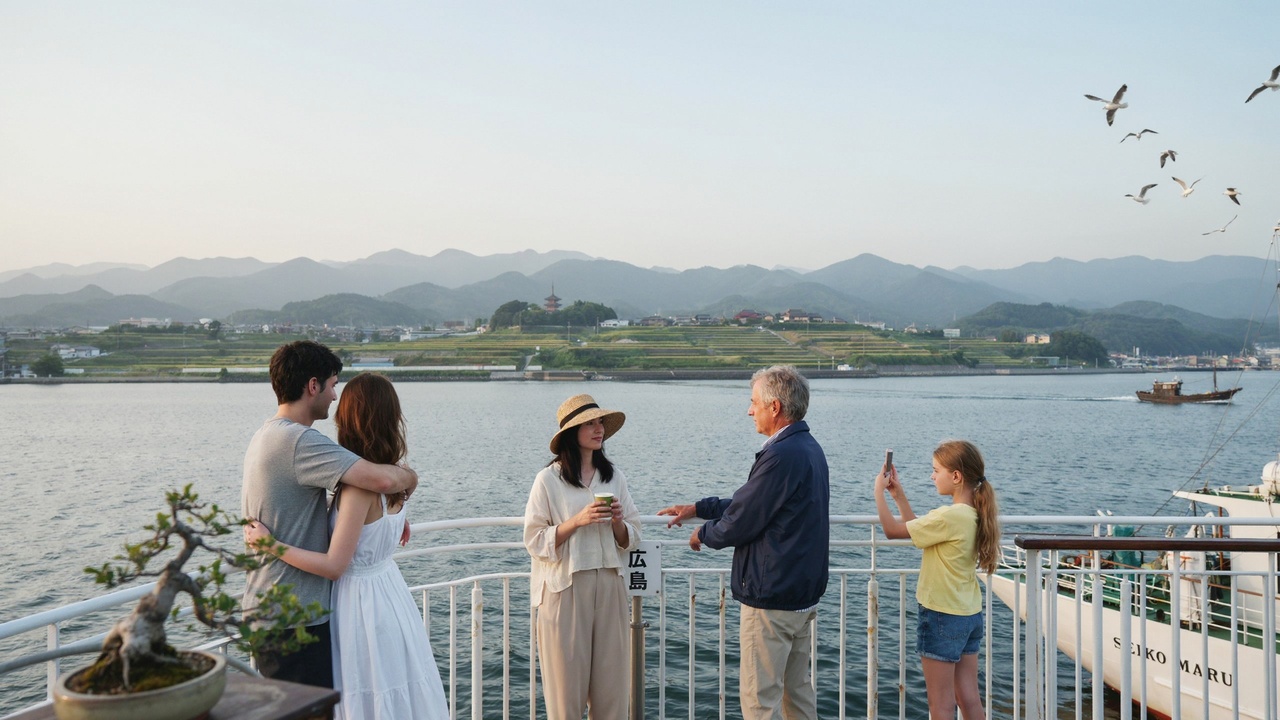
Image generated with Ai
Japan, particularly Naha in Okinawa, is preparing for an ambitious new chapter in Japan cruise travel as Royal Caribbean Group and MSC Cruises support construction of a purpose-built cruise terminal at Naha Port. Construction has formally begun following a groundbreaking ceremony, while operations are targeted to start in March 2028. The development could reshape how cruise passengers experience Okinawa by strengthening passenger infrastructure at one of Japan’s strategically positioned southern ports. Beyond serving modern cruise ships, the terminal is expected to improve passenger processing and support regional connectivity, giving international travellers another compelling gateway into Okinawa’s beaches, culture, heritage and subtropical landscapes. Pasted markdown
Why Is the New Naha Terminal a Major Japan Cruise Travel Development?
The project goes beyond a routine upgrade of existing port infrastructure.
Advertisement
Advertisement
The new facility at Naha Port is being developed as a purpose-built cruise passenger terminal. Royal Caribbean Group says the project is intended to deliver enhanced facilities and greater operational efficiency while supporting the handling of modern cruise vessels. Pasted markdown
The initiative involves Naha Port Authority, Cruise Port Naha G.K., Royal Caribbean Group and MSC Cruises.
Advertisement
Advertisement
Cruise Port Naha G.K. is a joint venture involving CTL Maritime and RCL Cruises Ltd., representing interests connected with MSC Cruises and Royal Caribbean Group respectively. A Cruise Hub Formation Agreement was concluded with Naha Port Authority in August 2026, establishing the framework for developing and operating the terminal. Pasted markdown
Construction has now moved that plan into its physical development phase.
Advertisement
Advertisement
Why Could Okinawa Become a Powerful Asian Cruise Gateway?
Geography gives Okinawa a significant advantage.
Naha sits in southern Japan, placing the port in a strategic position for itineraries connecting Japan with other East Asian destinations. Royal Caribbean has identified Naha’s location as an important advantage for regional cruise operations. Pasted markdown
This creates possibilities for itineraries linking Japanese destinations with markets such as South Korea, China and other parts of East Asia.
Japan already features in regional cruise programmes. Royal Caribbean, for example, markets Asian voyages combining Japanese ports with destinations in South Korea and China. Pasted markdown
A dedicated Naha terminal should strengthen the infrastructure available to support such networks.
For Okinawa, the development could also help distribute international cruise tourism beyond Japan’s better-known mainland gateways.
Advertisement
Advertisement
How Will Japan Cruise Travel Change for Passengers?
Passenger experience sits at the centre of the project.
Modern cruise operations involve thousands of passengers potentially embarking, disembarking or passing through terminals within relatively short periods. Purpose-built infrastructure can streamline those movements and support smoother ship turnaround operations.
Royal Caribbean says the Naha project will provide improved passenger facilities and enhance operational efficiency. The terminal is also expected to strengthen Naha’s ability to serve modern cruise vessels. Pasted markdown
However, important details have not yet been publicly confirmed.
The project partners have not announced a complete list of passenger amenities, terminal capacity or every ship expected to use the facility.
Travellers should therefore avoid assuming that particular Royal Caribbean or MSC ships will operate from the terminal until individual itineraries are officially released.
Advertisement
Advertisement
What Can Cruise Travellers Discover Around Naha and Okinawa?
Naha gives passengers access to an experience distinctly different from many mainland Japanese destinations.
Okinawa’s cultural identity reflects the legacy of the Ryukyu Kingdom, which developed distinctive traditions, architecture, cuisine and international connections.
Shurijo Castle remains one of Naha’s most significant cultural attractions. The UNESCO-listed Gusuku Sites and Related Properties of the Kingdom of Ryukyu reflect the history of the kingdom that flourished for centuries across the islands.
Travellers can consult the official Okinawa tourism website for current destination information.
Beyond heritage attractions, Okinawa offers subtropical coastlines, beaches, marine activities and local food experiences. This combination gives cruise passengers several ways to spend a port call rather than limiting their visit to central Naha.
For short port visits, however, passengers should plan carefully around their ship’s scheduled departure.
Advertisement
Advertisement
Could the Terminal Strengthen Japan’s Wider Cruise Tourism Economy?
The project has implications beyond the port itself.
Cruise passengers create demand for local transportation, restaurants, attractions, excursions, retail and tourism services. Increasing Naha’s ability to accommodate cruise operations could therefore generate wider tourism opportunities across Okinawa.
The development partners expect the project to support the long-term growth of Okinawa’s cruise industry while strengthening regional connectivity. Pasted markdown
Japan’s national tourism strategy also gives cruise tourism an important role.
The Japan Tourism Agency and Ministry of Land, Infrastructure, Transport and Tourism have worked on policies supporting international cruise calls and port development as the country seeks to strengthen inbound tourism.
The Japan Tourism Agency provides official national tourism policy information, while the Japan National Tourism Organization provides practical destination guidance for international visitors.
Advertisement
Advertisement
What Should Travellers Know About Japan Cruise Travel Before 2028?
The most important point is that March 2028 remains the targeted opening period, not a facility currently available to passengers. Pasted markdown
Travellers considering 2028 cruises should therefore verify their terminal details directly with their cruise company before departure.
Passengers should also distinguish between Naha functioning as a port of call and serving as an embarkation or disembarkation port. Construction of the new facility does not mean every Royal Caribbean or MSC voyage visiting Okinawa will begin or end there.
Similarly, the terminal partnership does not mean the two cruise companies will operate the same ships, fares or itineraries. They remain separate cruise businesses.
International passengers should check passport, immigration and entry requirements for Japan and every other country visited during a multi-country cruise. Requirements can vary according to nationality and itinerary.
Naha Cruise Terminal Travel Information at a Glance
| Travel Information | Details |
|---|---|
| Destination | Naha, Okinawa, Japan |
| Development | Purpose-built cruise passenger terminal |
| Port | Naha Port |
| Current Status | Construction underway |
| Groundbreaking | October 2026 |
| Target Opening | March 2028 |
| Target Start of Operations | March 2028 |
| Cruise Companies Involved | Royal Caribbean Group and MSC Cruises |
| Port Partner | Naha Port Authority |
| Developer and Operator | Cruise Port Naha G.K. |
| Joint Venture Participants | CTL Maritime and RCL Cruises Ltd. |
| Cruise Hub Agreement | Concluded in August 2026 |
| Main Purpose | Modernise and expand cruise passenger infrastructure |
| Expected Traveller Benefit | Enhanced facilities and more efficient passenger handling |
| Tourism Gateway | Naha and wider Okinawa |
| Regional Importance | Supports Japan and wider East Asian cruise itineraries |
Why Could Naha Become a Must-Watch Japan Cruise Travel Destination?
The development arrives as Okinawa seeks to strengthen its position within Asia’s cruise network.
Advertisement
Advertisement
Its location, subtropical tourism appeal and distinctive Ryukyuan culture give the destination attributes that differ markedly from Tokyo, Yokohama, Osaka and other major Japanese gateways.
Cruise passengers could combine Naha’s urban attractions with cultural sites, beaches and wider Okinawan experiences.
At the same time, a modern passenger terminal gives cruise operators infrastructure capable of supporting more efficient operations.
The project therefore links two objectives: strengthening Okinawa’s tourism economy and making Naha more competitive within the expanding Asian cruise industry.
Its ultimate impact, however, will depend on future sailing schedules, cruise capacity and how operators incorporate Naha into their Asian deployment strategies.
Conclusion
Japan and Okinawa are preparing for an exciting transformation in Japan cruise travel, with the new Naha Port terminal placing the islands firmly on the industry’s future development map. For passengers, the project promises something tangible: improved infrastructure at the gateway to a destination filled with Ryukyuan heritage, subtropical coastlines, distinctive cuisine and remarkable marine experiences. For Okinawa, it creates an opportunity to welcome more international cruise visitors while strengthening connections across East Asia. Construction is already underway, but travellers should remember that March 2028 remains the target opening date. As that milestone approaches, future Royal Caribbean and MSC itineraries will reveal the terminal’s full tourism potential.
Advertisement
