
Italy Tourism Grows as Milano Cortina Boosts Northern Destinations

Published
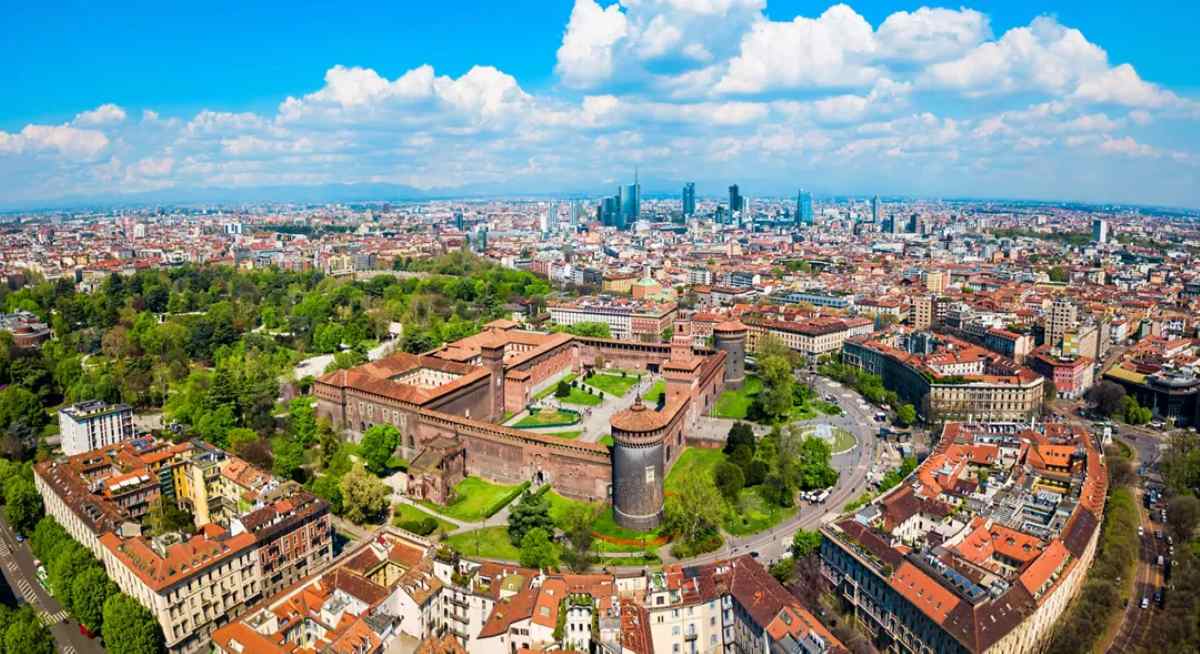
At the start of the post-Olympics 2026 period, Italy will benefit from a long series of investments related to the Milano Cortina 2026 Winter Olympics. The demand for tourism has already begun to expand, thanks to the power of Italy’s image abroad and its visibility through sport. The Olympics occurred between 6 and 22 February, and the Winter Paralympics were staged from 6 to 15 March. Milan and Cortina d’Ampezzo were the main host cities, while various Alpine and Northern Italian locations were also used. The Games presented a good opportunity for promoting tourism across the regions of Italy, especially those which attract far fewer international tourists than Rome, Venice, Florence and Milan. Due to better transport links, upgraded venues and effective destination marketing, the Italian Alps and other towns are now enjoying the attention of a much wider international audience. There is no evidence that the Games caused a 14% increase in international arrivals to Italy as a whole, or that price sensitivity meant that visitors spent 4% less per capita at the time of the Games.
Northern Italy Receives a Major Tourism Lift
Milano Cortina 2026 was Italy’s first Winter Olympics since Turin hosted the Games in 2006.
Advertisement
Advertisement
The event connected major urban and mountain destinations across northern Italy. Milan served as the main metropolitan hub, while Cortina d’Ampezzo hosted Alpine events and other venues were located across Lombardy, Veneto, Trentino-Alto Adige and other northern areas.
That geographic spread mattered for tourism.
Advertisement
Advertisement
Instead of concentrating international attention on one host city, the Games created exposure for an entire network of destinations.
Cortina already had a strong luxury and winter tourism market. The Olympics gave it another global platform while also strengthening the visibility of nearby mountain communities.
Advertisement
Advertisement
Infrastructure Remains a Long-Term Olympic Benefit
The most significant tourism legacy is not simply the number of visitors who travelled during the Games.
Italy invested heavily in transport and infrastructure before the event, including improvements to roads, rail connections, airports and local mobility systems.
The Milan-Cortina railway and road network received particular attention as authorities prepared to move athletes, spectators and workers between major Olympic locations.
Several infrastructure projects also form part of Italy’s wider transport strategy rather than being temporary Olympic facilities.
For travellers, that creates a potentially lasting benefit. Faster and more reliable connections can make it easier to combine Milan with Alpine destinations, lakes, cultural cities and ski resorts within a single itinerary.
Italy Continues to Attract International Travellers
Italy remains one of Europe’s most internationally demanded destinations.
Advertisement
Advertisement
The country benefits from a combination of cultural heritage, food, coastline, cities, art, fashion, luxury hospitality and mountain tourism.
International demand has also become increasingly distributed across the calendar.
The European Travel Commission has reported a broader European shift towards travel outside the traditional summer peak, with travellers increasingly considering spring and autumn trips.
Italy is well positioned for that trend because its tourism offer changes substantially by region and season.
The Alps provide winter sports and mountain travel, while cities such as Milan and Turin attract business, cultural and events tourism throughout the year.
Price Remains an Important Traveller Consideration
The supplied claim that Italy experienced a precise 4% increase in tourist spending per capita should not be presented as an established ETC finding.
Advertisement
Advertisement
Nevertheless, affordability remains a significant issue across European tourism.
Accommodation, airfares, food and local transport costs can influence where visitors choose to travel and how long they stay.
Italy has particularly strong demand for high-value destinations such as Venice, Lake Como, the Amalfi Coast, Milan and the Dolomites. Prices in these locations can rise substantially during peak periods.
That creates a two-speed tourism market.
Visitors with higher budgets continue to spend on luxury hotels, fine dining, private tours and premium experiences, while price-sensitive travellers increasingly look for shoulder-season dates, smaller cities and less expensive regional destinations.
The Olympics Expand Italy’s Tourism Geography
One of the most interesting effects of Milano Cortina 2026 is the increased visibility of northern destinations outside Italy’s traditional tourism circuit.
Advertisement
Advertisement
Milan already attracts millions of international visitors, but the Olympic programme connected the city with mountain destinations that offer a different travel proposition.
Cortina d’Ampezzo, the Dolomites, Lake Garda, Lake Como, Verona, Bergamo and Turin can all benefit from stronger international awareness of northern Italy.
The opportunity is particularly important for regional tourism businesses.
Hotels, restaurants, transport companies, ski operators, museums and outdoor tourism providers can potentially benefit when visitors extend their stays beyond the Olympic venues.
Travel Patterns Are Becoming More Regional
Italy’s tourism future is increasingly linked to encouraging visitors to explore multiple destinations rather than concentrating trips around a handful of famous cities.
Rail improvements are particularly relevant.
Advertisement
Advertisement
Milan has direct high-speed rail connections with Turin, Bologna, Florence, Rome and other major cities. From these gateways, travellers can connect with regional rail and road networks serving smaller destinations.
That makes multi-stop holidays increasingly practical.
For international travellers, a northern Italy itinerary can combine Milan’s fashion and culture with Alpine scenery, lakes, historic towns and mountain resorts without requiring separate long-haul journeys.
Milano Cortina’s Tourism Legacy Extends Beyond the Games
In terms of 2026, the best evidence suggests an overall boost for tourism in the region rather than just a one-off surge in visitors. In addition to providing visibility for the country, the games sped up some infrastructure developments and pushed tourism agencies and businesses to market northern Italy as a linked destination. Now that Italy has gained visibility, its job is to turn that into demand. That entails ensuring transport improvements, dealing with overcrowding in popular destinations and making sure that visits are affordable and easy during non-peak times. For tourists, it could mean a more extensive itinerary of Italian destinations with Milan and Cortina acting as a gateway to northern Italy. The Games have come to an end, but the infrastructure, exposure and links established during Milano Cortina 2026 can keep impacting the experience of northern Italy in the remaining years of the decade.
Advertisement
