
Spain Alongside France, Germany, Poland and Italy Reveals Five Breathtaking Historic Treasures for Extraordinary European Adventures in 2026: All You Need to Know

Published
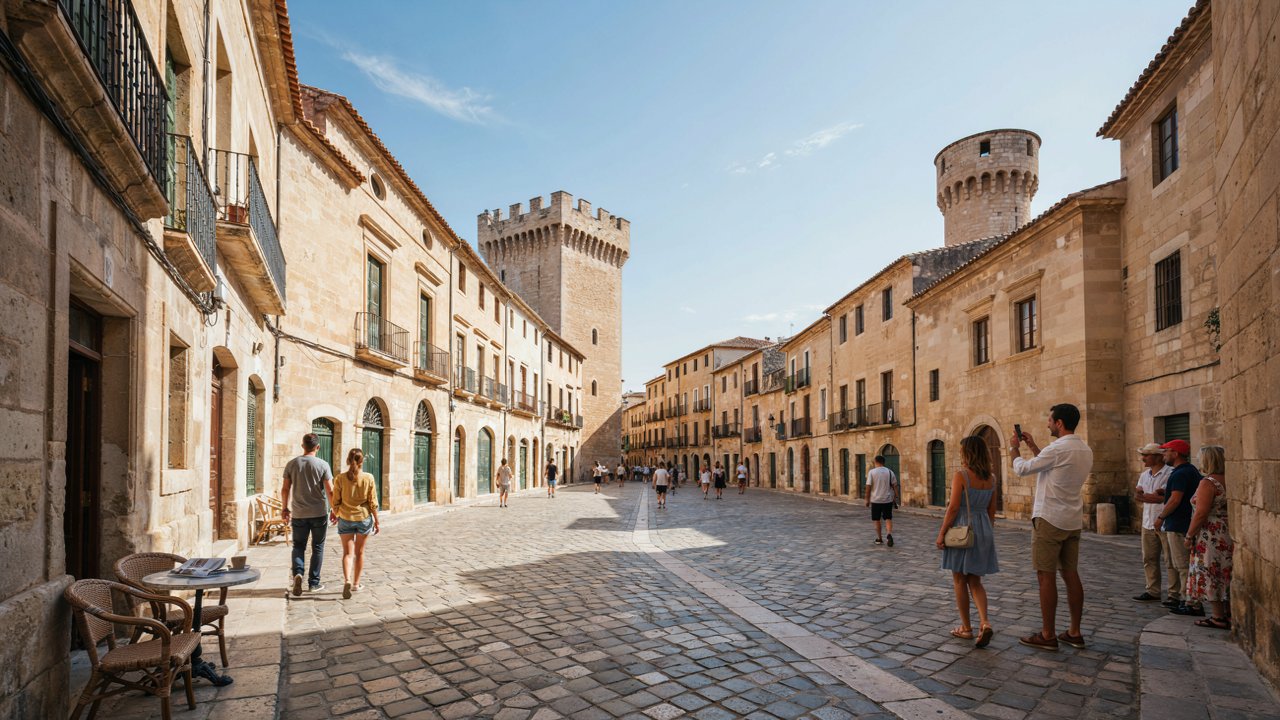
Spain, France, Germany, Poland and Italy are revealing a captivating side of European tourism through five historic cities that offer architectural splendour, cultural authenticity and memorable experiences beyond the continent’s most celebrated capitals. From the medieval fortifications of Cáceres and the colourful streets of Troyes to Görlitz’s architectural treasures, Toruń’s Gothic landmarks and Lecce’s magnificent Baroque heritage, these destinations present compelling opportunities for travellers seeking distinctive European holidays. As interest in alternative city breaks grows in 2026, these historic locations demonstrate that some of Europe’s most rewarding cultural experiences can be found beyond its busiest international tourism centres.
Europe’s Historic Cities Reveal a Refreshing Alternative to Conventional Holiday Destinations
European tourism is increasingly exploring opportunities beyond familiar destinations such as Paris, Rome, Barcelona and Munich.
Advertisement
Advertisement
While these established cities remain important international attractions, smaller historic centres offer visitors different cultural experiences.
Medieval streets, architectural landmarks, regional gastronomy and centuries-old traditions form the foundation of their appeal.
Advertisement
Advertisement
Cáceres in Spain, Troyes in France, Görlitz in Germany, Toruń in Poland and Lecce in Italy provide outstanding examples of Europe’s architectural diversity.
Each city preserves a distinctive chapter of European history, from medieval trade and defensive fortifications to Renaissance palaces and elaborate Baroque churches.
Advertisement
Advertisement
However, these are established tourism destinations rather than undiscovered locations. Their appeal lies in offering alternative itineraries, not in any guarantee of lower prices or empty streets.
Spain’s Cáceres Introduces Travellers to an Extraordinary Medieval Heritage Experience
Cáceres stands among Spain’s most remarkable historic destinations.
Situated in the western region of Extremadura, the city contains an exceptionally preserved medieval centre recognised by UNESCO as a World Heritage Site.
Its architectural landscape reflects Roman, Islamic, Gothic and Renaissance influences.
Visitors can explore Plaza Mayor, admire the historic Torre de Bujaco and discover the elegant surroundings of Plaza de San Jorge.
The old quarter also contains impressive palaces, religious buildings and defensive towers.
Advertisement
Advertisement
Among its distinctive attractions is the Palacio de los Golfines de Abajo, which demonstrates the city’s aristocratic architectural heritage.
Cáceres also served as a filming location for the television series Game of Thrones, introducing its atmospheric streets to a wider international audience.
The city offers an appealing experience for travellers interested in Spanish history, architectural photography and regional cuisine.
France’s Troyes Captivates Visitors With Colourful Medieval Streets and Gothic Architecture
Located in the Champagne region of northeastern France, Troyes provides an enchanting setting for cultural city breaks.
Its historic centre features distinctive timber-framed buildings, narrow medieval passages and attractive public squares.
One of its best-known streets, Ruelle des Chats, takes its name from the closely positioned upper floors of neighbouring buildings.
Advertisement
Advertisement
The narrow passage provides a memorable glimpse into the city’s medieval urban design.
Troyes is also celebrated for its impressive stained-glass heritage.
The Cathedral of Saint-Pierre-et-Saint-Paul contains remarkable examples of religious architecture and decorative glasswork.
Beyond its historic buildings, the city offers traditional markets, local gastronomy and opportunities to explore the wider Champagne region.
For travellers seeking a French holiday beyond Paris, Troyes combines architectural charm with a distinctive regional identity.
Germany’s Görlitz Offers a Remarkable Journey Across Centuries of European Architecture
Görlitz is one of Germany’s most architecturally distinctive historic cities.
Advertisement
Advertisement
Located near the Polish border in eastern Saxony, it preserves approximately 4,000 listed historic buildings representing several architectural periods.
Gothic churches, Renaissance townhouses, Baroque façades and Art Nouveau structures contribute to its extraordinary cityscape.
One of the main attractions is St Peter and Paul’s Church, known for its historic Sun Organ.
Visitors can also explore traditional squares and the Schönhof Renaissance building, which houses the Silesian Museum.
Görlitz offers an additional international experience through its connection with neighbouring Zgorzelec in Poland.
The two cities are separated by the Lusatian Neisse River and connected by a pedestrian bridge.
Advertisement
Advertisement
This cross-border setting allows visitors to experience German and Polish urban heritage within one journey, subject to any applicable border controls.
Poland’s Toruń Reveals Gothic Grandeur and a Distinctive Culinary Heritage
Located along the Vistula River, Toruń combines medieval architecture with an exceptional cultural legacy.
Its historic centre was added to the UNESCO World Heritage List in 1997, recognising the preservation of its medieval street layout and significant buildings.
Visitors can explore the Old Town Hall, Gothic churches, historic defensive walls and the remains of a Teutonic castle.
Toruń is also associated with Nicolaus Copernicus, the influential astronomer whose life and achievements are celebrated through local museums.
Beyond its historical landmarks, the city is particularly famous for traditional Polish gingerbread.
Advertisement
Advertisement
Visitors can discover the history of this regional speciality and participate in interactive baking experiences.
The combination of Gothic architecture, scientific heritage and culinary traditions makes Toruń an appealing destination for families, history enthusiasts and cultural travellers.
Italy’s Lecce Celebrates Magnificent Baroque Architecture and Mediterranean Traditions
Southern Italy’s Lecce presents an elegant alternative for visitors interested in Italian art and architecture.
Located in the Salento region of Puglia, the city is recognised for its distinctive Baroque buildings constructed from pale local limestone.
The Basilica di Santa Croce is among its most celebrated landmarks, featuring elaborate sculptural decorations and an impressive rose window.
Piazza del Duomo provides another memorable architectural setting, surrounded by historic religious buildings.
Advertisement
Advertisement
Visitors can also discover the Roman Amphitheatre near Piazza Sant’Oronzo, revealing the city’s ancient heritage.
Traditional restaurants and local markets introduce travellers to regional cuisine, including pasticciotto, a custard-filled pastry associated with Salento.
Lecce combines monumental architecture with relaxed southern Italian hospitality, making it particularly appealing for travellers seeking cultural experiences alongside Mediterranean leisure.
Five European Heritage Cities Offering Distinctive Holiday Experiences
| Country | Destination | Architectural highlight | Best travel experience |
|---|---|---|---|
| Spain | Cáceres | UNESCO-listed medieval fortifications | Heritage walks and historic squares |
| France | Troyes | Colourful timber-framed buildings | Medieval streets and stained-glass art |
| Germany | Görlitz | Gothic, Renaissance and Baroque architecture | Architectural discovery and cross-border travel |
| Poland | Toruń | UNESCO-listed Gothic Old Town | Historical attractions and gingerbread traditions |
| Italy | Lecce | Elaborate Baroque churches and palaces | Southern Italian culture and gastronomy |
Europe’s Secondary Cities Open New Opportunities for Cultural Tourism
These five destinations demonstrate the importance of regional cities in Europe’s wider tourism offering.
While major capitals remain internationally popular, smaller cultural centres provide opportunities to explore local traditions and distinctive architectural heritage.
Tourism can also benefit regional accommodation providers, restaurants, museums and independent businesses.
Advertisement
Advertisement
However, increased popularity requires thoughtful destination planning to protect historic buildings and maintain the quality of everyday life for residents.
Visitors seeking authentic experiences can contribute positively by exploring local attractions responsibly, supporting regional businesses and respecting heritage conservation requirements.
Frequently Asked Questions
1. Which European city offers an impressive medieval experience?
Cáceres in Spain and Toruń in Poland are excellent choices, with both historic centres recognised by UNESCO.
2. Which destination is famous for colourful timber-framed houses?
Troyes in France is particularly celebrated for its historic timber-framed architecture and narrow medieval streets.
Advertisement
Advertisement
3. Can travellers visit Germany and Poland during one city break?
Yes. Görlitz in Germany and neighbouring Zgorzelec in Poland are connected by a pedestrian bridge, although travellers should check applicable border requirements.
4. Which Italian city is famous for elaborate Baroque architecture?
Lecce in southern Italy is renowned for its richly decorated churches, limestone buildings and historic squares.
5. Which destination is particularly interesting for culinary tourism?
Toruń is celebrated for its traditional gingerbread, while Lecce offers distinctive southern Italian cuisine.
Advertisement
Advertisement
6. Are these cities cheaper than Europe’s major capitals?
They may offer different accommodation and dining choices, but prices vary by season and availability. They should not automatically be considered cheaper.
Europe’s Historic Cities Offer an Inspiring New Perspective on Cultural Travel
Spain, France, Germany, Poland and Italy offer travellers extraordinary opportunities to experience European history beyond the continent’s most familiar destinations.
Cáceres preserves remarkable medieval fortifications, Troyes showcases colourful architectural traditions, and Görlitz reveals centuries of European urban design.
Meanwhile, Toruń combines Gothic heritage with distinctive culinary traditions, while Lecce celebrates the artistic splendour of southern Italy.
Together, these cities demonstrate that meaningful travel experiences extend far beyond famous landmarks.
For visitors planning a European holiday in 2026, exploring these historic destinations offers a rewarding combination of cultural discovery, local hospitality and architectural beauty.
Advertisement
