
Flights Cancelled Across Asia As Manila, Jakarta, and 18 Major Airports Face 448 Cancellations And 2,411 Delays, Affecting Travel

Updated
Published
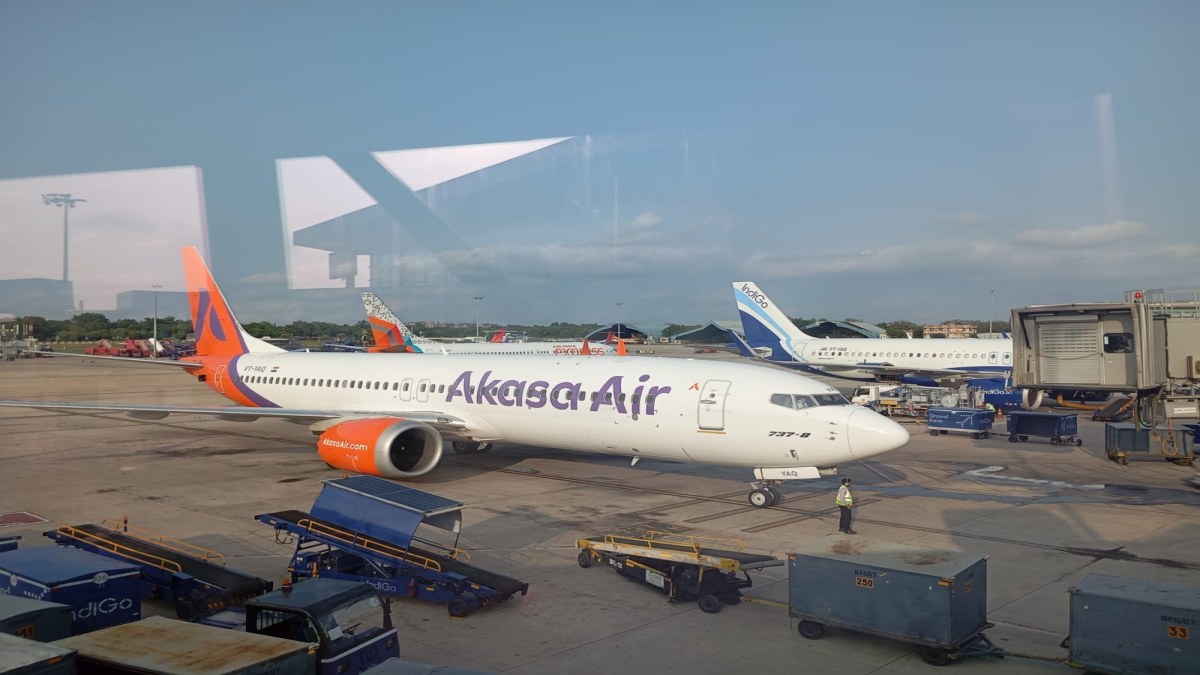
Flight operations across Asia recorded 2,411 delays and 448 cancellations on Sunday, October 25. Schedule changes affected travellers across India, China, the Philippines, Indonesia, and more countries, impacting domestic services and international connections.
King Khaled Intl in Riyadh recorded 188 cancellations. Meanwhile, Chhatrapati Shivaji Maharaj Intl in Mumbai reported 287 delays, followed by Soekarno-Hatta in Jakarta with 266 and Pudong in Shanghai with 247. Indira Gandhi Intl in Delhi and Ninoy Aquino Intl in Manila each recorded 244 delays.
Flight cancellations across Saudi Arabia are linked to rising regional security concerns and reported drone and missile attacks by Yemen’s Iran-backed Houthi rebels targeting civilian sites and critical aviation infrastructure, including King Khalid International Airport in Riyadh.
Airports Experiencing the Highest Disruption Levels Across Asia
Chhatrapati Shivaji Maharaj Intl, Mumbai
Chhatrapati Shivaji Maharaj Intl recorded 287 delays and 10 cancellations. The schedule changes affected operations through Mumbai, a major gateway for domestic and international travel in India.
Advertisement
Advertisement
Soekarno-Hatta, Jakarta
Soekarno-Hatta registered 266 delays and 16 cancellations. The airport serves Jakarta and plays an important role in domestic travel and international connections across Southeast Asia.
Pudong, Shanghai
Pudong reported 247 delays and five cancellations. Delays accounted for the larger share of recorded disruptions at Shanghai’s major international gateway.
Advertisement
Advertisement
Indira Gandhi Intl, Delhi
Indira Gandhi Intl recorded 244 delays and 14 cancellations. The changes affected operations through Delhi, a major hub for domestic flights and international connections across Asia.
Ninoy Aquino Intl, Manila
Ninoy Aquino Intl reported 244 delays and 12 cancellations. Passengers travelling through Manila may need to check departure updates and confirm onward connections with their airlines.
Advertisement
Advertisement
King Khaled Intl, Riyadh
King Khaled Intl recorded nine delays and 188 cancellations. The cancellation count was the highest reported at any airport in the current figures, making flight-status checks particularly important for passengers departing from or connecting through Riyadh.
King Abdulaziz Intl, Jeddah
King Abdulaziz Intl registered 210 delays and 73 cancellations. The changes affected operations through Jeddah, an important gateway for domestic and international travellers visiting or transiting through Saudi Arabia.
Advertisement
Advertisement
Dubai Intl, Dubai
Dubai Intl reported 156 delays and 22 cancellations. As a major connecting hub in the United Arab Emirates, schedule changes may affect passengers travelling between Asia, Europe and other destinations.
Hamad Intl, Doha
Hamad Intl recorded 147 delays and seven cancellations. Passengers connecting through Doha should monitor departure updates and check whether revised timings affect their onward journeys.
Zayed Intl, Abu Dhabi
Zayed Intl registered 114 delays and four cancellations. Travellers using Abu Dhabi for international connections should confirm their departure times with their airlines before leaving for the airport.
Airlines Recording the Highest Cancellation Numbers Across Asia
Saudia
Saudia reported 163 cancellations, with a cancellation rate of 27%. The airline also recorded 146 delays, representing a delay rate of 24%. Its cancellation figures were the highest in the airline reports.
Advertisement
Advertisement
Akasa Air
Akasa Air recorded 36 cancellations, with a cancellation rate of 13%. The airline also reported 46 delays, accounting for a delay rate of 17%.
Batik Air
Batik Air registered 21 cancellations, representing a cancellation rate of 7%. It also recorded 68 delays, with a delay rate of 22%.
flyadeal
flyadeal reported 20 cancellations, with a cancellation rate of 12%. Its delay count stood at 19, corresponding to a delay rate of 11%.
China Eastern
China Eastern recorded 17 cancellations. The airline also registered 219 delays, with a delay rate of 9%.
PAL Express
PAL Express reported 11 cancellations, with a cancellation rate of 4%. The airline also recorded 74 delays, representing a delay rate of 32%.
SpiceJet
SpiceJet registered 10 cancellations, with a cancellation rate of 9%. Its delay count stood at 41, and its reported delay rate of 39% was the highest among the airline figures.
Advertisement
Advertisement
What Passengers Can Do When Flights Are Cancelled
- Check the airline’s official website or mobile app for updated flight information.
- Contact the airline to ask about rebooking options or alternative departures.
- Review ticket conditions and applicable refund or compensation policies.
- Check connecting flight arrangements and contact the airline if a missed connection is possible.
- Keep booking confirmations, boarding passes and receipts for potentially eligible expenses.
- Follow the airline’s instructions regarding airport arrival times and check-in.
- Monitor airline notifications and airport announcements for further schedule changes.
- Contact hotels and ground transport providers if revised flight times affect existing bookings.
As flight schedules change across Asia, passengers should confirm departure details before travelling to the airport. Checking directly with the airline can help travellers understand available options and make arrangements when cancellations or delays affect their journeys.
Flight cancellations were also reported across Asia yesterday. Read our earlier coverage here.
The figures in this report were compiled and reviewed using real-time records from October 25, 2026, at 2:07 pm ET (11:37 pm IST).
Primary source: FlightAware.
Verification Process: The editorial team examined and cross-checked the figures for accuracy. Timestamped records, flight-tracking logs, and data-feed snapshots have been retained for reference and editorial transparency.
Note: Flight-tracking figures may change as airspace conditions and airline operations evolve. Minor differences may arise when comparing these figures with later updates from airports or airlines.
Passengers are advised to check their flight status, monitor schedule changes, and consult the latest operational updates from their airlines before travelling.
Advertisement
Verified by Somudranil Sarkar
