
Beyond the Dunes: Why Oman’s North Sharqiyah Belongs in Your 2026–27 Winter Itinerary

Published
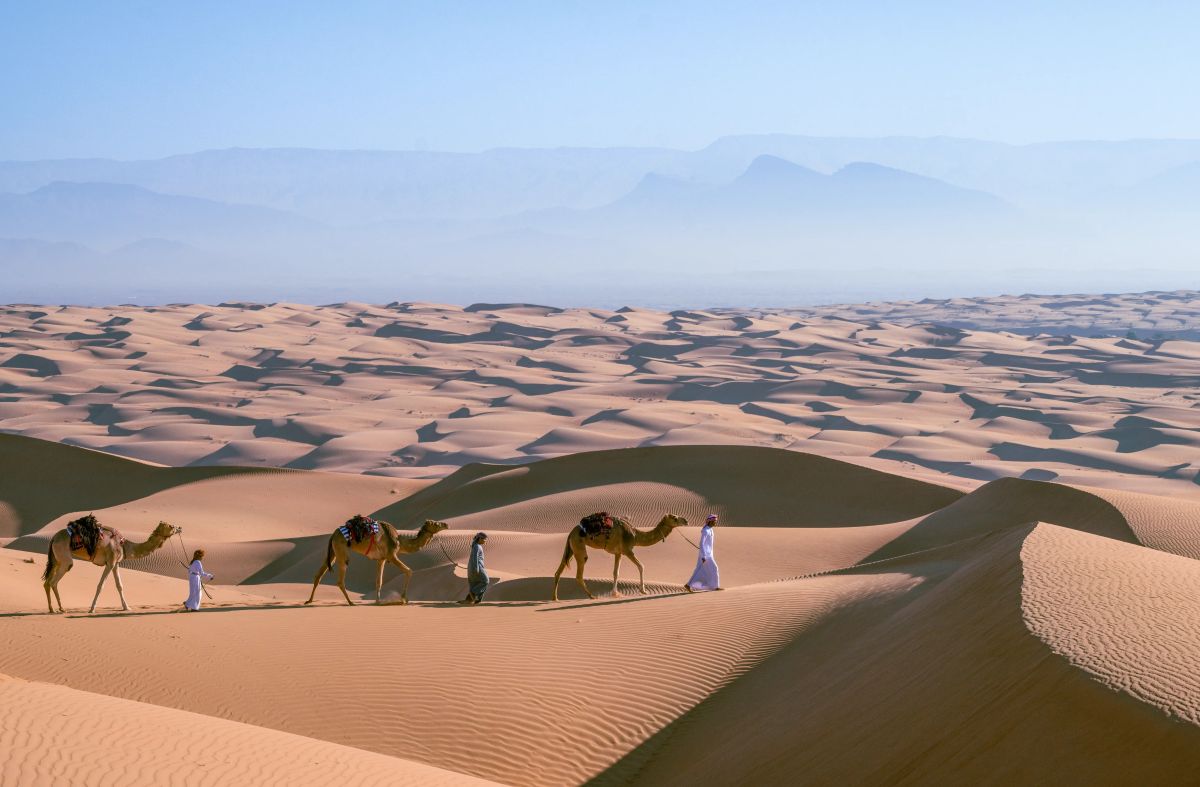
Winter marks the primary tourism window across the Sultanate of Oman. Ahead of the 2026–27 season, North Sharqiyah Governorate is executing targeted upgrades to balance growing visitor numbers with conservation goals. Supported by the Ministry of Heritage and Tourism and private operators, investments centre on infrastructure resilience, standardized safety protocols, and eco-certified accommodations across four core wilayats: Ibra, Bidiyah, Al Qabil, and Al Mudhaibi.
Key Upgrades Across the Governorate
Regional developments prioritize accessibility, sustainability, and authentic heritage protection:
Advertisement
Advertisement
- Eco-Green Lodges: MHT-licensed rural retreats in Al Qabil and Al Mudhaibi utilize local limestone, solar micro-grids, and greywater recycling to provide low-impact lodging near rural farming communities.
- Corridor Safety: Paved access spurs off Route 23 (the primary dual carriageway connecting Muscat and Sur) now include reinforced culverts to mitigate seasonal wadi flooding risks.
- Heritage Conservation: Restoration work across Ibra’s historic quarter, Al Qanatir, has stabilized multi-storey mud-brick merchant homes and falaj irrigation channels, complete with contextual bilingual field signage.
Core Regional Experiences
| Stop | Location / Corridor | Key Highlights & Terrain |
| 01 | Muscat (Route 23 Departure) | Modern dual carriageway heading inland toward the Eastern Hajar range |
| 02 | Ibra | Restored mud-brick heritage in Al Qanatir, falaj systems, and craft souqs |
| 03 | Bidiyah | Sharqiya Sands gateway, eco-glamping camps, dune drives, and dark-sky stargazing |
| 04 | Wadi Bani Khalid | Year-round turquoise limestone pools, bridge trails, and upper cave systems |
1. Desert Exploration and Astronomical Glamping
The dunes of Bidiyah—the gateway to the Sharqiya Sands—host several established operators, including Desert Nights Camp and Arabian Oryx Camp. For 2026–27, camps have expanded dark-sky observation sessions guided by local astronomers.
Logistical note: Deflate tyres to 14–16 psi at designated compressor stations along the Bidiyah access road before entering the dunes. Always travel in a convoy of at least two 4WD vehicles when driving off-road.
Advertisement
Advertisement
2. Wadi Bani Khalid and Canyon Treks
Wadi Bani Khalid’s lower emerald basins feature upgraded safety railings, certified lifeguard presence during operating hours, and improved pedestrian paths. Experienced trekkers can book licensed local guides for the 8 km canyon traverse into Wadi Hawar, which requires swimming through deep pools and basic scrambling. Check Civil Defence alerts before entering; wadi access closes immediately during flash-flood warnings.
3. Living Traditions and Souqs
The Thursday Souq in Sinaw serves as an active trading post where Bedouin and rural communities gather to trade livestock, local honey, frankincense, and silver Omani khanjars (daggers). Visitors can observe traditional livestock auctions starting at 6:30 AM before exploring Ibra’s traditional craft shops.
Advertisement
Advertisement
Practical Information for Winter Travellers
| Aspect | Detail | Planning Notes |
| Peak Season | October to April | The coolest months run from December through February. Book desert camps 6–8 weeks ahead. |
| Transit from Muscat | 1.5 to 2 hours (160 km) | Take Route 23, the dual carriageway, directly from Muscat to Ibra. |
| Vehicle Class | 2WD sedan or 4WD | Sedans work for town transit and lower wadi parking; 4WD is mandatory for desert dunes and mountain roads. |
| Cultural Norms | Modest dress | Cover shoulders and knees in villages, souqs, and public wadi areas. Modest swimwear (rashguards) is required. |
| Emergency Contact | Royal Oman Police: 9999 | Keep local offline maps downloaded; cellular coverage drops inside deeper canyon sections. |
North Sharqiyah provides a well-balanced winter route through Oman’s interior. With modernized transport corridors, clear safety frameworks, and expanded low-impact lodging, the governorate delivers direct access to desert, mountain, and heritage sites without compromising local character.
Frequently Asked Questions
What is the best time to visit North Sharqiyah?
October through April offers the best conditions. Daytime temperatures hover between 20°C and 28°C, dropping to 10°C–14°C at night in the desert.
What are the primary attractions in North Sharqiyah?
Key destinations include the desert dunes of Bidiyah (Sharqiya Sands), the freshwater pools of Wadi Bani Khalid, the historic mud-brick architecture of Ibra and Al Mudhaibi, and the traditional Thursday market in Sinaw.
How is the region upgrading for the 2026–27 winter season?
Under Oman Vision 2040 directives from the Ministry of Heritage and Tourism (MHT), regional authorities have expanded licensed eco-lodges, reinforced access roads from Route 23 into major wadis, and upgraded desert astronomical camps.
Advertisement
