
Delta Connects With United and More as US Aviation Faces a Multibillion-Dollar Fuel Squeeze, Leaving 2026 Profit Forecasts Under Strain

Published
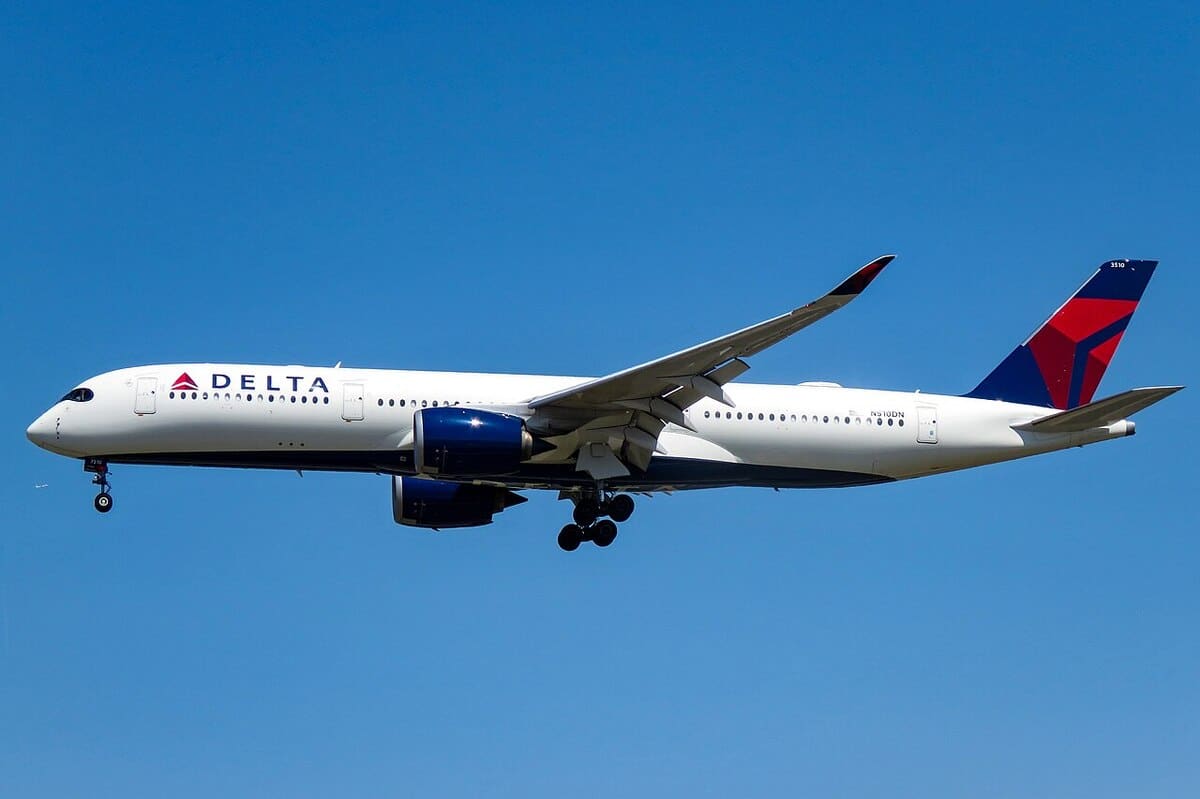
Delta connects with United and more US aviation companies as a multibillion-dollar fuel squeeze leaves 2026 profit forecasts under strain, driven by sharply rising jet fuel expenses. During the third quarter of 2026, Delta Air Lines and United Airlines reported combined additional fuel expenditure of approximately $3.42 billion compared with the previous year. Delta recorded a 62% increase in adjusted fuel costs, while United experienced a 61.6% rise in reported fuel expenditure. Meanwhile, Alaska Air Group projected fuel costs $1.8 billion above its original annual plan. Consequently, higher operating expenses are testing airline profitability despite resilient passenger demand and revenue growth.
Why Are Delta and United Facing a Multibillion-Dollar Fuel Cost Surge?
Delta Air Lines and United Airlines have experienced substantial increases in fuel expenditure, reflecting pressure from higher jet fuel prices.
Advertisement
Advertisement
United reported aircraft fuel expenses of $4.843 billion during the third quarter of 2026, compared with $2.997 billion during the corresponding period in 2025.
This represents an additional $1.846 billion, equivalent to a 61.6% increase.
Advertisement
Advertisement
Delta recorded adjusted fuel expenditure of $4.143 billion, compared with $2.565 billion a year earlier.
Its adjusted fuel costs therefore increased by approximately $1.578 billion, or 62%.
Advertisement
Advertisement
| Airline | Q3 2025 fuel costs | Q3 2026 fuel costs | Annual increase |
|---|---|---|---|
| Delta Air Lines, adjusted | $2.565bn | $4.143bn | 62% |
| United Airlines, reported | $2.997bn | $4.843bn | 61.6% |
| Combined illustrative total | $5.562bn | $8.986bn | 61.6% |
Together, the two airlines recorded approximately $3.424 billion in additional quarterly fuel expenditure.
However, Delta’s figures are adjusted, while United’s represent reported expenses. The combined amount is therefore an illustrative comparison rather than a standardised industry accounting total.
How Is United Airlines Managing Rising Fuel Expenses Despite Strong Revenue?
United Airlines reported record quarterly operating revenue of approximately $17.9 billion during the third quarter of 2026.
This represented annual revenue growth of 17.4%.
The airline also transported approximately 49.5 million passengers, demonstrating continued demand across its network.
However, aircraft fuel expenditure increased considerably faster than revenue, creating pressure on operating margins.
Advertisement
Advertisement
United recorded net income of approximately $1.029 billion, compared with $948 million during the corresponding quarter in 2025.
| United financial indicator | Q3 2025 | Q3 2026 |
|---|---|---|
| Operating revenue | $15.25bn | $17.9bn |
| Aircraft fuel expenditure | $2.997bn | $4.843bn |
| Net income | $948m | $1.029bn |
| Diluted earnings per share | $2.90 | $3.14 |
| Passengers carried | Not specified here | 49.5 million |
The figures demonstrate that higher fuel expenditure has not eliminated profitability.
Nevertheless, United expects fuel prices to remain elevated during the final quarter, creating further financial uncertainty.
Why Is Delta Air Lines Experiencing Similar Financial Pressure?
Delta Air Lines reported a 62% annual increase in adjusted fuel expenditure during the third quarter of 2026.
Its adjusted average fuel price climbed from $2.25 per gallon in 2025 to $3.61 in 2026.
This represents an increase of approximately 60%.
Advertisement
Advertisement
Delta also reported that fuel costs exceeded its earlier quarterly expectations by more than $500 million.
| Delta fuel indicator | Q3 2025 | Q3 2026 |
|---|---|---|
| Adjusted fuel expenditure | $2.565bn | $4.143bn |
| Adjusted fuel price per gallon | $2.25 | $3.61 |
| Annual fuel expense increase | — | 62% |
| Additional cost against July expectations | — | More than $500m |
Delta operates a refinery-related fuel strategy, which influences its adjusted fuel calculations.
Consequently, its fuel figures should not be treated as directly identical to United’s accounting measures.
Despite these pressures, Delta continues to benefit from passenger demand and revenue growth.
How Is Alaska Air Group Facing an Even Tougher Profitability Challenge?
Alaska Air Group, which includes Alaska Airlines and Hawaiian Airlines, has also reported substantial fuel-related financial pressure.
The company expects its full-year 2026 fuel expenditure to exceed its original financial plan by approximately $1.8 billion.
Advertisement
Advertisement
For the fourth quarter alone, fuel expenses are forecast to exceed the original budget by around $650 million.
The group reported third-quarter revenue of $4.3 billion, representing 14% annual growth.
However, it also recorded a GAAP net loss of $147 million.
| Alaska Air Group indicator | Official 2026 figure |
|---|---|
| Third-quarter revenue | $4.3bn |
| Revenue growth | 14% |
| GAAP net loss | $147m |
| Adjusted net loss | $35m |
| Full-year fuel costs above plan | $1.8bn |
| Q4 fuel costs above plan | $650m |
| Q4 projected fuel price | $4.65–$4.85 per gallon |
| Full-year adjusted loss per share forecast | $5.00–$5.50 |
Alaska’s figures measure additional costs against its original budget, not annual fuel expenditure growth.
Therefore, its $1.8 billion overrun cannot be directly compared with Delta’s and United’s year-on-year increases.
What Do the Latest Fuel Price Forecasts Reveal About Airline Profits?
The final quarter of 2026 could bring further challenges as airlines anticipate elevated fuel prices.
Advertisement
Advertisement
United expects an average fuel price of approximately $4.80 per gallon during the fourth quarter, compared with $3.90 during the third quarter.
Delta forecasts an adjusted average fuel price of approximately $4.25 per gallon.
Meanwhile, Alaska expects prices between $4.65 and $4.85 per gallon.
| Airline | Q4 2026 fuel assumption | Earnings outlook |
|---|---|---|
| United Airlines | $4.80 per gallon | Adjusted Q4 EPS of $0.50–$1.50 |
| Delta Air Lines | $4.25 per gallon, adjusted | Full-year adjusted EPS of $5.10–$5.60 |
| Alaska Air Group | $4.65–$4.85 per gallon | Full-year adjusted loss per share of $5.00–$5.50 |
These forecasts demonstrate differing financial expectations.
United and Delta anticipate remaining profitable on their respective guidance measures, while Alaska faces a more difficult annual outlook.
However, United’s October disclosure does not establish a directly comparable revised full-year earnings range.
Advertisement
Advertisement
How Could Rising Fuel Costs Affect American Travellers and International Tourism?
Higher fuel expenditure can influence airline pricing decisions, route profitability and future flight capacity.
Airlines may seek to recover additional operating costs through higher fares or adjustments to less profitable services.
However, the financial results do not establish that every airline will increase ticket prices or reduce flights.
For international tourists, the principal concern is uncertainty surrounding future travel costs.
| Potential impact | Possible consequence for travellers |
|---|---|
| Higher operating costs | Pressure on ticket prices |
| Route profitability | Potential schedule adjustments |
| International tourism | Changes in travel affordability |
| Airline capacity | Possible revisions to selected services |
| Premium travel demand | Continued focus on higher-yield passengers |
| Holiday planning | Greater importance of comparing fares |
Strong passenger demand has helped several airlines maintain revenue growth despite higher expenses.
Therefore, rising fuel costs should not automatically be interpreted as evidence of weakening tourism demand.
Advertisement
Advertisement
Which Other US Airlines Could Face Similar Challenges?
American Airlines, Southwest Airlines and JetBlue Airways also operate extensive passenger networks and remain exposed to fluctuations in jet fuel prices.
However, comparable third-quarter 2026 fuel expenditure increases have not been verified for these carriers in the official disclosures reviewed.
| Airline | Verified fuel cost position |
|---|---|
| United Airlines | 61.6% annual increase |
| Delta Air Lines | 62% adjusted annual increase |
| Alaska Air Group | $1.8bn above original annual plan |
| American Airlines | Comparable Q3 increase not verified |
| Southwest Airlines | Comparable Q3 increase not verified |
| JetBlue Airways | Comparable Q3 increase not verified |
The absence of verified figures does not mean these airlines avoided higher fuel costs.
It simply means their financial performance cannot be compared accurately without examining the relevant quarterly statements.
Conclusion: What Does the Fuel Squeeze Mean for US Aviation in 2026?
Delta, United and more US aviation companies face a multibillion-dollar fuel squeeze that is placing 2026 profit forecasts under strain. The combined $3.42 billion increase in quarterly fuel expenditure illustrates the pressure confronting two major American carriers, while Alaska expects a $1.8 billion annual fuel budget overrun. Despite strong revenue growth and resilient passenger demand, higher operating expenses are testing financial performance. Travellers may eventually encounter changes in airfares or route availability, although widespread increases remain unconfirmed. Ultimately, airline profitability will depend on cost management, revenue performance and the ability to maintain efficient operations amid uncertain fuel prices.
Comment by Anup Keshan, Founder and Editor-in-Chief of Travel And Tour World
“The substantial rise in fuel expenditure across major American airlines highlights an important challenge for the global aviation and tourism industries. Airlines such as Delta, United and Alaska play a vital role in connecting international destinations, supporting tourism businesses and enabling economic activity. Although higher operating costs are creating financial pressure, continued passenger demand demonstrates the resilience of the travel sector. Maintaining affordable connectivity while managing fuel expenses will remain essential for sustainable industry growth. Greater operational efficiency, transparent pricing and strategic network planning can help airlines protect traveller confidence while supporting the long-term development of international tourism.”
Image Credit: Delta Air Lines
Advertisement
