
UK’s Leeds Bradford Airport Braces for Crucial October Disruption as 130 Workers Prepare to Strike Over Pay Dispute

Published
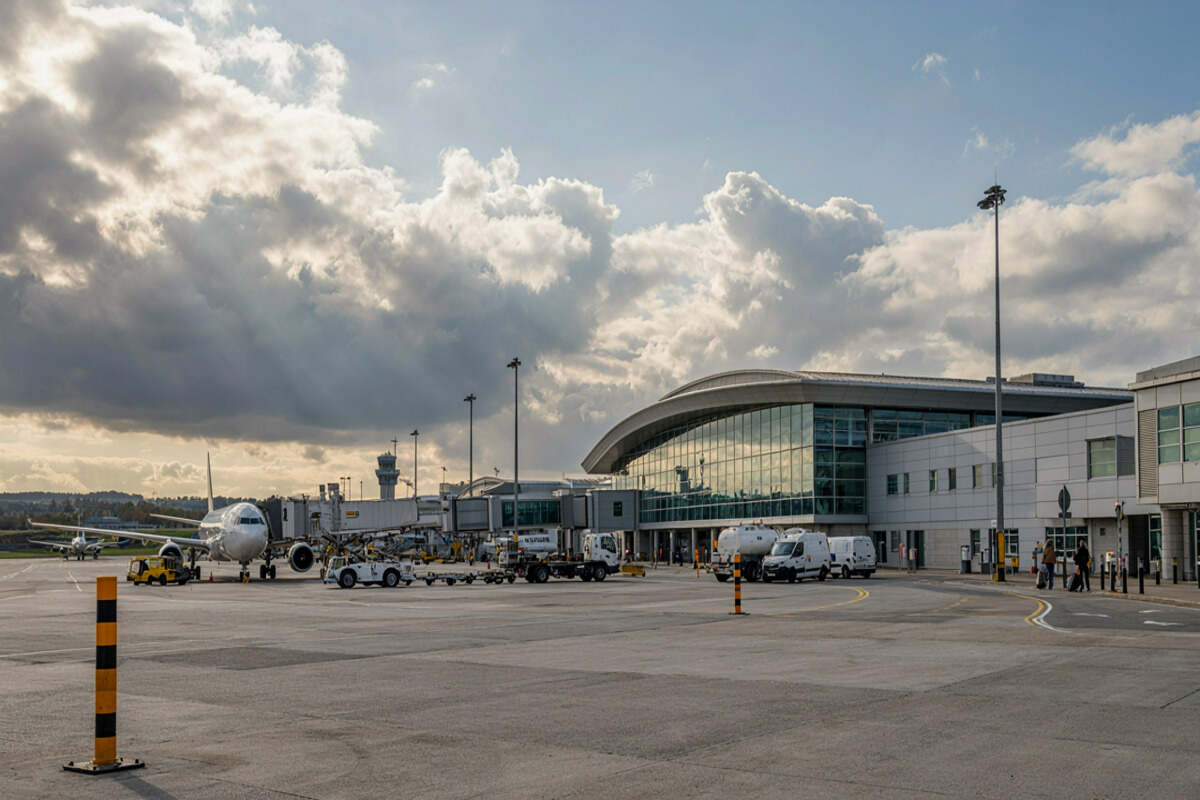
Leeds Bradford Airport faces October disruption as 130 workers prepare to strike over pay. This follows recent protests by Heathrow Airport workers demanding higher pay, and is part of a wave of strikes expected in the transport sector in the coming months. The walkout is due to impact services between 16 and 18 October and involve workers in a range of departments, including air traffic control, security, passenger services and cleaning.
The industrial action could create a significant test for one of northern England’s important regional airports at a time when passenger demand is running at record levels. While the union representing the workers has warned that the absence of essential operational staff could severely restrict flights, the airport maintains that it expects to keep services running at close to normal levels.
For passengers travelling during the strike period, the contrasting positions create uncertainty over how severely individual flights and terminal operations could ultimately be affected.
Around 130 Airport Workers Prepare for Industrial Action
Approximately 130 employees are expected to participate in the planned walkout. The workers represent several parts of the airport operation, making the dispute particularly important from an aviation and passenger-management perspective.
Advertisement
Advertisement
The industrial action includes air traffic controllers, security employees, customer service teams and cleaning personnel. These functions collectively support aircraft movements, passenger screening, terminal operations and the everyday running of the airport.
Hourly paid employees are scheduled to begin industrial action at 3am on Friday, 16 October, with their action continuing until 6am on Sunday, 18 October.
Advertisement
Advertisement
Air traffic controllers are expected to follow a slightly different timetable. Their industrial action is scheduled to begin at 6am on 16 October and continue until 6am on 18 October.
The presence of air traffic control personnel in the dispute significantly raises its potential operational importance because air traffic management is fundamental to the safe movement of aircraft.
Pay Dispute Sits at the Centre of the Strike
Pay is the central issue behind the planned industrial action.
The union representing participating employees argues that some salaries at Leeds Bradford Airport have fallen behind the remuneration available for comparable jobs at other airports in the United Kingdom.
Particular attention has been placed on comparisons between Leeds Bradford and Newcastle Airport. The union is seeking greater pay equality for employees performing comparable aviation functions, with air traffic control salaries becoming a prominent part of the disagreement.
The dispute therefore goes beyond a general demand for higher wages. It also concerns how employees believe their remuneration compares with workers carrying out similar duties elsewhere within the UK airport sector.
Advertisement
Advertisement
The airport has challenged the broader argument surrounding its pay position. Management says workers have already been presented with a pay proposal that is significantly higher than inflation and considers the package responsible and competitive.
However, the exact financial value of the proposed settlement has not been publicly disclosed by either side.
Flight Operations Could Face Significant Pressure
The potential impact on flights remains the biggest concern for passengers, airlines and the wider travel sector.
The union has warned that the airport could struggle to function normally without employees responsible for air traffic control, security and passenger processing. A shortage of terminal customer-service personnel could create additional difficulties for travellers requiring information or assistance.
Security staffing is particularly important because passengers cannot proceed normally through the airport without the necessary screening processes. Air traffic control availability, meanwhile, directly affects the airport’s ability to manage aircraft movements safely.
These interconnected functions mean that disruption in one area can quickly affect other parts of the passenger journey.
Advertisement
Advertisement
A significant reduction in operational capacity could potentially result in schedule changes, delays or other disruption, although the final impact will depend on staffing arrangements and contingency measures in place during the industrial action.
Airport Expects Operations to Remain Close to Normal
Despite the possibility of widespread industrial action, Leeds Bradford Airport has indicated that it expects to maintain operations at close to normal levels.
The airport is preparing measures designed to protect scheduled services and minimise disruption to travellers. Maintaining passenger journeys is particularly important because the strike period affects people travelling for holidays, family visits and business purposes.
The airport has also emphasised that it recognises employees’ legal right to participate in industrial action while continuing preparations to protect operations.
This creates two sharply different operational assessments ahead of 16 October. The union believes the combination of striking air traffic control, security and passenger-facing employees could have a substantial effect. The airport believes its preparations will allow it to maintain a largely normal schedule.
Travellers should therefore pay close attention to information provided directly by their airline and the airport as the strike dates approach.
Advertisement
Advertisement
Passengers Should Prepare for Possible Airport Disruption
Even if most flights operate, passengers travelling between 16 and 18 October may want to allow additional time for their journey through the airport.
Industrial action involving security and customer-service personnel can affect more than aircraft departures. It can potentially influence security queues, terminal assistance, passenger processing and other services required before travellers reach their departure gates.
Passengers should verify their flight status before leaving home rather than assuming that the published timetable will remain unchanged.
Travellers with time-sensitive connections, organised tours, cruises, business meetings or onward transport arrangements may face greater consequences if disruption develops. Keeping airline contact information, booking references and travel documentation easily accessible could make it easier to respond to short-notice operational changes.
Passengers should also avoid relying on unofficial social-media reports when checking whether a particular flight is operating.
Strike Threat Arrives During Record Passenger Growth
The timing of the dispute is significant because Leeds Bradford Airport has recently reported its strongest annual passenger performance.
Advertisement
Advertisement
The airport handled approximately 4.45 million passengers during its latest financial year, representing the highest annual total in its history.
That figure highlights the increasing importance of Leeds Bradford to regional connectivity and demonstrates the scale of passenger demand now moving through the airport.
Strong traffic volumes also mean that even relatively short periods of disruption can affect substantial numbers of travellers, particularly when operational pressure spreads across multiple airlines and departure periods.
The industrial dispute therefore comes during a period when the airport is not struggling for passenger demand. Instead, it is managing record traffic while simultaneously addressing workforce concerns and investing in additional infrastructure.
Terminal Investment Is Reshaping Leeds Bradford Airport
The airport is also progressing through a major investment programme that includes the expansion and improvement of its terminal facilities.
Infrastructure development is intended to support growing passenger volumes and improve the airport experience as Leeds Bradford strengthens its role within northern England’s aviation network.
Advertisement
Advertisement
Record passenger numbers combined with terminal expansion demonstrate the airport’s longer-term growth ambitions. However, the strike dispute also illustrates how workforce relations remain an important part of airport resilience.
Modern terminals and expanded infrastructure can increase physical capacity, but airport operations continue to depend heavily on specialist employees across air traffic management, security and passenger services.
Critical Days Ahead for Leeds Bradford Airport Travellers
The period between Friday, 16 October and Sunday, 18 October 2026 will now be closely watched by passengers and the aviation industry.
Around 130 employees across several essential operational areas are preparing to take industrial action, while Leeds Bradford Airport continues to indicate that it expects services to remain close to normal.
The disagreement centres primarily on pay levels and comparisons with equivalent airport roles elsewhere in the UK, particularly Newcastle.
With 4.45 million passengers recorded in the airport’s latest financial year, Leeds Bradford is entering the dispute from a position of historically strong demand. That makes maintaining operational reliability especially important.
Advertisement
Advertisement
Until the industrial dispute is resolved or final contingency arrangements become clearer, passengers booked to travel during the strike window should continue checking official airport and airline updates. The actual scale of disruption will ultimately depend on staffing availability, operational contingency measures and whether the two sides reach an agreement before the planned walkout begins.
Advertisement
