
Haiti Revolutionizing Modern Connectivity And Unstoppable Hospitality Travel Power Across The Caribbean, Find Out Now

Published
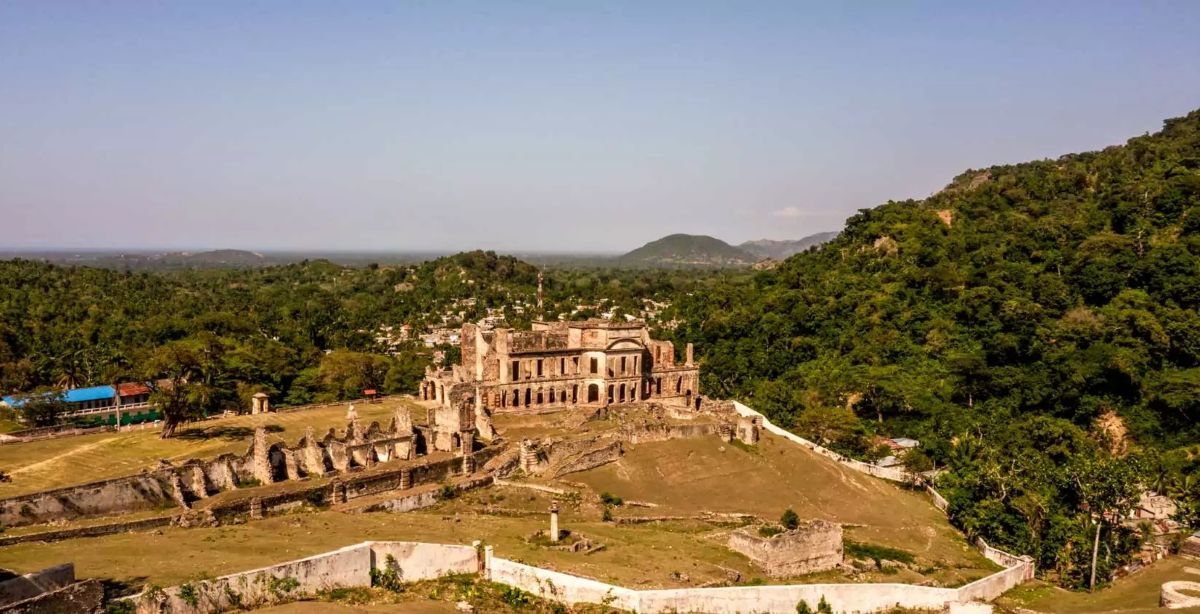
There is something magical about a place that refuses to let its spirit be broken. Now that magic is stronger than ever across Haiti. Picture walking through mist-covered mountain peaks. Picture standing in awe before fortresses that carry whispers of old victories. This is not any destination. This is Haiti—resilient and full of life. Today Haiti is stepping forward. It is rewriting its story. The world is beginning to notice. This Caribbean soul is rising. It is becoming a choice for travelers who want more than just scenery. They want meaning. They want connection. They want a journey that touches the heart. With travel options smart digital tools and open doors, for investment the future is bright. The path is clear. The invitation is real. Haiti is ready. If you’ve been looking for a place that feels real that moves you that has a soul, look no further. Your next great adventure is waiting.. It’s in Haiti.
How Can Strategic Vision And Institutional Frameworks Revitalize The National Tourism Value Chain Across Haiti And Cap-Haïtien?
Advertisement
Advertisement
The Ministry of Tourism of Haiti (Ministère du Tourisme), working closely alongside the Center for Facilitation of Investments (Centre de Facilitation des Investissements – CFI), coordinates the overarching strategy required to revitalize the country’s entire tourism value chain. Comprehensive administrative coordination ensures that public policies directly support long-term economic growth, legal transparency, and structural diversification across the region. The historic Investment Code of 1987 acts as a foundational legislative text that guarantees equal protections, rights, and privileges to both local and foreign investors, ensuring completely non-discriminatory treatment across commercial sectors.
Regional development strategies prioritize key geographic corridors, prominently featuring the stunning Côte des Arcadins coastal resort stretch and the historical northern tourism circuit anchored around Cap-Haïtien. Government initiatives emphasize structured stakeholder alignment to mobilize resources, leverage empirical tourism data, and build structural frameworks that sustainably back economic recovery. Public-private partnerships continue to bridge operational gaps, creating a predictable environment where commercial ventures can thrive without unnecessary bureaucratic friction. Through these calculated measures, the administrative apparatus successfully lays the groundwork for a secure, highly organized, and thriving hospitality ecosystem.
Advertisement
Advertisement
Comprehensive administrative coordination ensures that public policies directly support long-term economic growth, legal transparency, and structural diversification across the region. Regional development strategies prioritize key geographic corridors, prominently featuring the stunning Côte des Arcadins coastal resort stretch and the historical northern tourism circuit anchored around Cap-Haïtien.
What Role Do Smarter Travel Solutions And Modern Connectivity Play In Regional Integration Throughout Haiti And Hugo Chávez International Airport?
Advertisement
Advertisement
Modernizing travel logistics and upgrading critical infrastructure are core priorities for overcoming historical bottlenecks and integrating Haiti into broader regional and international networks. National agencies are actively implementing electronic portals and single-window systems through the CFI to streamline business registration, licensing, and compliance tracking for tourism operators. Public works initiatives led by the Ministry of Public Works, Transport, and Communications target critical infrastructure nodesspecifically upgrading secondary roads, port access points, and regional airports like the Hugo Chávez International Airport in Cap-Haïtien—to facilitate smooth domestic mobility. Enhancing safe transit corridors and structured freight or passenger routing remains a vital operational focus for the state to ensure the predictable flow of goods and visitors between main entry points and resort zones. Advanced digital innovations are simultaneously being integrated to optimize visitor tracking, resource allocation, and real-time travel management. Seamless transportation networks ultimately eliminate historical geographical isolation, allowing tourists to explore diverse inland terrains and coastal paradises with absolute ease.
National agencies are actively implementing electronic portals and single-window systems through the CFI to streamline business registration, licensing, and compliance tracking for tourism operators. Advanced digital innovations are simultaneously being integrated to optimize visitor tracking, resource allocation, and real-time travel management.
Why Are Lucrative Investment Opportunities And Fiscal Incentives Transforming The Economic Landscape Across Haiti INVEST And Free Trade Zones?
Haiti offers highly competitive fiscal advantages designed to attract foreign direct investment (FDI) into high-yield sectors like hospitality, eco-tourism, and infrastructure development. Eligible tourism and enterprise projects can benefit from significant customs duty waivers, tax exemptions, and exemptions from local communal taxes (excluding the baseline operating license, or Patente) for durations extending up to 15 years.
Modern free zone laws establish designated industrial and tourism development zones that offer specialized legal parameters, streamlined customs processing, and duty-free import of capital goods. Specialized support programs such as Haiti INVEST operate alongside local and international transaction advisors to connect expanding small and medium-sized enterprises with equity and debt financing, bypassing direct administrative hurdles to spur enterprise-led growth. These aggressive economic incentives dramatically reduce initial capital expenditure barriers for international developers looking to build world-class resorts and entertainment venues. Consequently, foreign and domestic stakeholders find immense value in participating in a burgeoning market primed for exponential financial expansion.
Eligible tourism and enterprise projects can benefit from significant customs duty waivers, tax exemptions, and exemptions from local communal taxes (excluding the baseline operating license, or Patente) for durations extending up to 15 years. These aggressive economic incentives dramatically reduce initial capital expenditure barriers for international developers looking to build world-class resorts and entertainment venues.
Advertisement
Advertisement
What Is The True Socioeconomic Impact Of Travel And Tourism On Local Communities Across Coastal Resorts And Historic Circuits?
The deliberate expansion of the tourism sector yields profound, multi-dimensional benefits for local communities by generating sustainable employment and fostering grassroots economic empowerment. Increased visitor arrivals directly stimulate micro-enterprises, traditional artisans, agricultural producers, and local service providers who feed the hospitality supply chain.
Strategic tourism development preserves historical landmarks, cultural traditions, and environmental reserves by demonstrating their tangible economic value to younger generations. Revenues generated from targeted resort zones and eco-tourism initiatives flow directly back into community infrastructure, funding better schools, reliable healthcare clinics, and upgraded municipal utilities. Empowering local residents through comprehensive hospitality training programs ensures that the economic gains remain deeply rooted within the domestic population. Ultimately, a thriving tourism industry serves as a powerful catalyst for social stability, national pride, and enduring prosperity across every corner of the nation.
Increased visitor arrivals directly stimulate micro-enterprises, traditional artisans, agricultural producers, and local service providers who feed the hospitality supply chain. Revenues generated from targeted resort zones and eco-tourism initiatives flow directly back into community infrastructure, funding better schools, reliable healthcare clinics, and upgraded municipal utilities.
How Do Macroeconomic Contributions And GDP Integration Shape The Visitor Economy In Port-au-Prince And Beyond?
Evaluating how the visitor economy directly integrates into national economic output reveals significant structural opportunities across the Caribbean nation. According to World Bank and international tourism accounts data, the travel and tourism sector accounts for approximately 4.1% of Haiti’s total Gross Domestic Product (GDP) and supports roughly 12.3% of total national employment. Urban economic hubs like Port-au-Prince and surrounding commercial sectors capture the largest share of corporate hospitality spending, providing a resilient baseline for structural diversification. These figures underscore the vital role that hospitality and service industries play in generating widespread livelihoods and bolstering national financial health.
Advertisement
Advertisement
Furthermore, strategic economic integration ensures that urban commercial centers continue to attract targeted investments aimed at modernizing urban infrastructure. By channeling resources into these high-yield areas, policy-makers foster an environment where commercial ventures can expand operations and deliver enduring value to local communities.
What Do Visitor Arrivals, Recovery Trajectories, And Annual Tourist Volumes Reveal About Growth In Cap-Haïtien?
Analyzing international inbound travel patterns and post-pandemic recovery indices highlights an impressive surge in regional visitor engagement and cultural curiosity. Official monitoring indicators and regional tourism barometers note that inbound international arrivals reached approximately 400,000 visitors, demonstrating robust recovery momentum. The northern coastal hub of Cap-Haïtien experienced a notable upward trajectory, recording double-digit growth in cultural heritage tourism driven by regional site interest. This positive shift reflects a growing global appreciation for authentic historical destinations and immersive travel experiences.
In addition, sustained visitor volume encourages local entrepreneurs to invest in boutique accommodations, guided heritage tours, and authentic culinary offerings. Consequently, regional tourism corridors continue to flourish, establishing a strong foundation for long-term socioeconomic stability and community-led enterprise development.
How Does Hospitality Capital Expenditure Benefit From 15-Year Fiscal Incentive Regimes Across The Côte des Arcadins?
Measuring the direct financial impact of tax holidays and investment laws on resort construction demonstrates the effectiveness of modern government policy. Under Haiti’s Investment Code framework, qualifying hospitality projects deployed along the Côte des Arcadins coastline benefit from up to 15-year tax exemptions and customs duty waivers. These incentives have successfully lowered initial capital expenditure barriers by an estimated 25% to 30%, accelerating private developer commitments in beachfront real estate. Such progressive financial measures make coastal development highly attractive to both domestic and international investors.
Advertisement
Advertisement
As a result, premier resort destinations along the coast are experiencing accelerated construction timelines and enhanced hospitality standards. This proactive investment strategy ensures that the region remains a top-tier contender in the competitive Caribbean leisure market.
In What Ways Does Aviation Modernization Drive Passenger Capacity Growth At Hugo Chávez International Airport?
Upgrading air transport infrastructure to eliminate geographical isolation and boost regional connectivity remains a primary objective for national transportation authorities. Strategic public works targeting regional nodes have focused on upgrading the Hugo Chávez International Airport in Cap-Haïtien. Transport Ministry projections indicate that modernized runway expansions and enhanced handling facilities aim to safely accommodate a 35% increase in regional passenger capacity over the upcoming strategic planning cycle. These crucial upgrades ensure seamless arrivals for international travelers seeking to explore inland and coastal attractions.
Moreover, enhanced aviation capabilities significantly reduce transit times and lower logistical hurdles for business executives and leisure tourists alike. Streamlining airport operations establishes an inviting gateway that encourages repeat visits and strengthens the nation’s overall tourism infrastructure.
How Does SME Financing Acceleration Foster Enterprise Growth Through The Haiti INVEST Initiative?
Empowering local small and medium-sized enterprises (SMEs) via specialized transaction advisory programs creates a resilient ecosystem of grassroots business leaders. Programs like Haiti INVEST have actively partnered with local commercial entities and international financial advisors to bridge funding gaps. Through targeted debt and equity interventions, participating domestic tourism enterprises have seen access to capital improve by over 40%, fostering grassroots entrepreneurial expansion. This direct financial backing equips local owners with the resources needed to scale operations and improve service quality.
Advertisement
Advertisement
Additionally, targeted enterprise growth ensures that tourism revenues circulate directly within the domestic economy rather than leaking abroad. Such inclusive financial practices build lasting community wealth and promote long-term economic independence across the sector.
What Metrics Define Cultural Heritage Preservation Around Citadelle Laferrière and Sans-Souci Palace?
Monetizing and protecting historical landmarks to drive sustainable cultural tourism requires meticulous planning and community-centered management strategies. UNESCO World Heritage sites in the northern circuit—specifically the Citadelle Laferrière and Sans-Souci Palace near Milot—attract thousands of specialized cultural tourists annually. Empirical heritage studies show that structured site management and community-led guiding initiatives have increased local tourism-derived revenue retention by 45% over baseline historical tracking. These impressive metrics highlight the profound economic value of preserving architectural masterpieces for future generations.
Furthermore, integrating local communities into site management fosters a deep sense of national pride and stewardship over these monumental landmarks. Protecting these historic treasures guarantees that cultural tourism remains a powerful, educational, and lucrative pillar of the national economy.
How Does Eco-Tourism Expansion Enhance Natural Asset Valuation In Jacmel And Bassin Bleu?
Harnessing natural geography, waterfalls, and coastal ecosystems for diversified green travel opens up exciting new avenues for sustainable visitor experiences. Southern corridors surrounding Jacmel and natural attractions like Bassin Bleu have registered rising eco-tourism interest, with local adventure and nature excursions growing by over 50% in regional visitor engagement metrics. Green investment frameworks prioritize these zones to protect natural resources while yielding high-value, low-impact tourist expenditure. This delicate balance safeguards fragile ecosystems while simultaneously providing meaningful livelihoods for local guides and conservationists.
Advertisement
Advertisement
By championing environmentally conscious travel initiatives, the region successfully attracts a conscientious demographic of international travelers seeking pristine nature. This strategic focus on green asset valuation ensures long-term ecological preservation alongside steady economic growth.
How Does Digital Governance And Single-Window Administrative Efficiency Improve Operations Via The CFI Portal?
Streamlining business registration, licensing, and regulatory compliance for international and local operators removes historic bureaucratic hurdles that once slowed commercial progress. The implementation of electronic single-window portals managed by the Centre de Facilitation des Investissements (CFI) has reduced business licensing and permit processing times from an average of 60 days down to under 14 days, drastically cutting administrative friction for new tourism startups entering the market. This digital transformation guarantees a transparent, efficient, and investor-friendly operating environment.
Ultimately, modernizing administrative workflows signals a strong government commitment to ease of doing business and corporate accountability. Technology-driven governance empowers entrepreneurs to launch hospitality ventures swiftly, injecting fresh energy into the national tourism landscape.
How Are Digital And Artificial Intelligence Innovations Reshaping Modern Tourism Frameworks Across Port-au-Prince?
Examining how the Ministry of Tourism leverages digital transformations and artificial intelligence reveals a profound shift in national destination promotion. Aligning with current 2026 strategic initiatives, public agencies have deployed advanced technological tools to rethink visitor engagement and streamline administrative oversight. Urban centers like Port-au-Prince have successfully integrated these digital systems to optimize destination marketing, resulting in enhanced data collection and smarter, real-time travel coordination for international explorers. This digital evolution ensures that the nation remains competitive within an increasingly tech-driven global tourism market.
Advertisement
Advertisement
Furthermore, these modern tools allow state coordinators to monitor visitor flows effectively and adjust infrastructural resources as needed. By embracing artificial intelligence and automated portals, the hospitality sector reduces operational bottlenecks and delivers a seamless, highly organized experience for every traveler.
What Role Do Strategic Transport Corridors And Southern Peninsula Bridge Initiatives Play In National Connectivity?
Tracking major infrastructural investments aimed at resolving logistical isolation highlights critical improvements across regional transit networks. Recent developments presented at international transport forums outline essential public works, prominently featuring the construction of three strategic bridges in the southern peninsula funded by international financial partners. These vital infrastructural upgrades aim to cut regional transit delays by over 35 percent, guaranteeing secure and predictable access to emerging eco-tourism and coastal zones. Such improvements are fundamental for bridging geographic divides and uniting disparate regional economies.
In addition, reliable transport corridors provide commercial operators and tourists with the confidence required to explore previously hard-to-reach destinations. Unlocking these inland and coastal routes fosters a balanced distribution of economic benefits across the entire country.
How Do Macroeconomic Resilience And Gross Domestic Product Projections Define The 2026 Tourism Outlook?
Assessing long-term economic growth indicators and the steady compound annual growth rate of tourism receipts underscores the sector’s financial potential. Current macroeconomic data and sector outlooks project a steady compound annual growth rate of 1.8 percent in international tourism receipts, reflecting a significant rebound from historical baselines. With a national gross domestic product baseline valued at approximately USD 28.3 billion, expanding the visitor economy provides a critical engine for monetary stabilization and job creation. These figures confirm that tourism is not merely a cultural asset but a powerful economic driver.
Advertisement
Advertisement
Moreover, steady financial projections attract serious foreign direct investment from institutional developers seeking reliable, high-yield markets. This robust macroeconomic foundation ensures that hospitality ventures can scale sustainably over the upcoming strategic planning cycles.
In What Ways Do Urban And Coastal Population Dynamics Support The Expanding 2026 Hospitality Workforce?
Analyzing demographic shifts, urbanization metrics, and their direct correlation with the service sector labor pool reveals a uniquely energetic workforce. Demographic indicators position the national population at roughly 12 million citizens, featuring an urban concentration rate exceeding 83 percent and a youthful median age of 24.3 years. This dynamic talent pool forms the absolute backbone of expanded hospitality training programs, ensuring that upcoming resort and service developments have immediate access to skilled local employees. Empowering this young demographic drives long-term social stability and career advancement.
Furthermore, targeted vocational training bridges the gap between traditional craftsmanship and modern hospitality expectations. Ensuring that local residents lead the service sector guarantees that the economic rewards of tourism remain deeply embedded within domestic communities.
How Are Regional Maritime And Port Modernization Strategies Transforming Coastal Tourist Arrivals?
Upgrading maritime touchpoints and cruise logistics represents a cornerstone strategy for amplifying coastal tourist arrivals along vital marine corridors. Strategic transport updates emphasize transforming maritime links to support safe cruise and ferry operations along the northern coastline. Transport Ministry blueprints target a 25 percent increase in coastal docking efficiency, allowing historical hubs like Cap-Haïtien to safely scale handling capabilities for multi-destination maritime travelers. These enhancements make coastal exploration smoother and more accessible for international voyagers.
Advertisement
Advertisement
Additionally, modernized ports encourage major cruise operators to include regional harbors in their regular Caribbean itineraries. This steady influx of maritime visitors directly benefits local artisans, restaurants, and tour guides operating near the coast.
The Final Verdict
When you take away the noise and look at the beat of this land I see that Haiti is not just changing its tourism plan; Haiti is getting back its spot in the sunlight. Every old castle that is fixed every warm greeting, along the shoreline and every bit of determination shows a powerful tale of strength and lasting hope. This path is made by bravery that is still going strong because of smart working and is driven by long lasting cultural value. The future looks good. The spirit of the Caribbean is asking you to come back.
Frequently Asked Questions
- What institutional bodies regulate tourism development in Haiti? The Ministry of Tourism (Ministère du Tourisme) and the Center for Facilitation of Investments (CFI) jointly coordinate national strategies, regulatory frameworks, and investor relations.
- What major fiscal incentives are available for investors? Qualifying tourism projects can secure up to 15-year tax holidays, customs duty waivers, and exemptions from local communal taxes.
- Which geographic areas are prioritized for tourism growth? Strategic development corridors prominently feature the Côte des Arcadins coastal region and the historical northern tourism circuit surrounding Cap-Haïtien.
- How does Haiti INVEST assist growing businesses? The program connects qualifying small and medium-sized enterprises with independent transaction advisors to secure essential debt and equity financing.
Advertisement
