

Switzerland Aligns with France and More as Europe’s 3200km Heritage Tourism Corridor Gains New Attention

Published
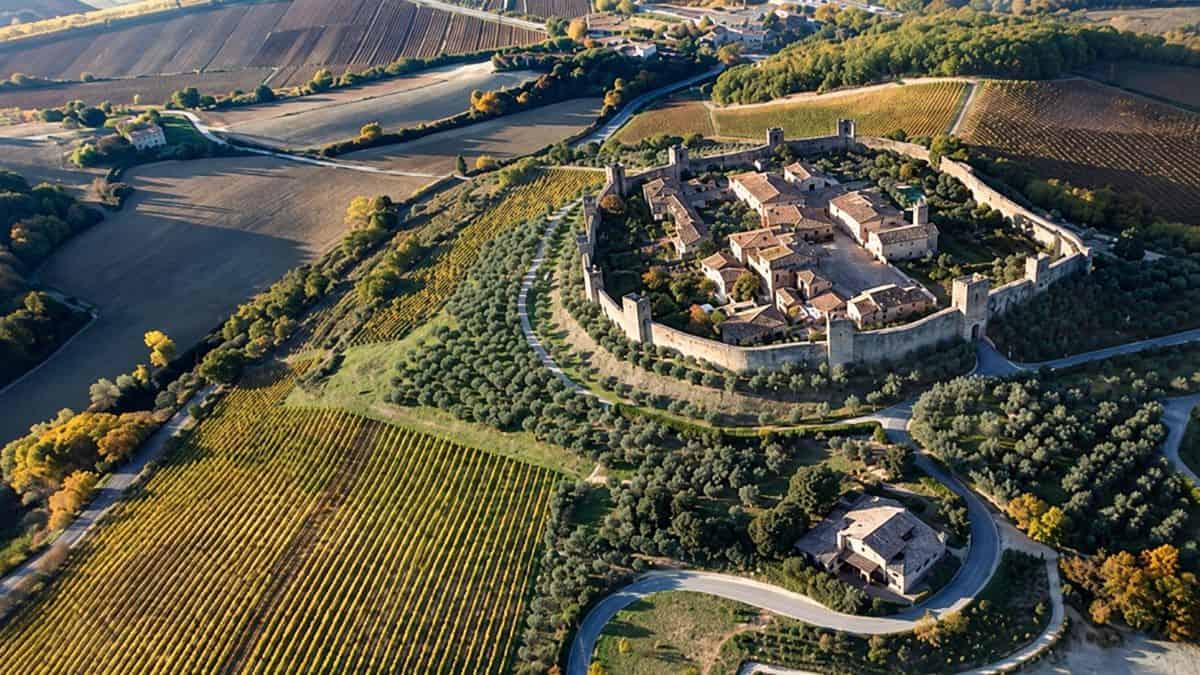
Switzerland aligns with France and more European partners, including the UK and Italy, as Europe’s 3200km heritage tourism corridor gains new attention amid the Council of Europe’s Cultural Routes meeting in Strasbourg on 12 October 2026. This historic Via Francigena links Canterbury with the Swiss Alps, Rome and southern Italy, fostering culture and the economies of rural areas. The number of pilgrim credentials issued in Italy increased by almost 35.95%, reaching almost 20,000 in 2025, indicating an increasing trend in heritage tourism. But cross-border cooperation is still needed for travelers and local communities facing seasonal challenges and infrastructure requirements, and different border regulations emphasize the need for cooperation.
Strasbourg 2026 Cultural Routes Meeting Puts Europe’s Shared Heritage Tourism in Focus
The Council of Europe committee is scheduled to meet at the Palais de l’Europe from 3 pm to 6 pm local time. It deals with the Cultural Routes programme’s budget and participating states’ contributions; certification belongs to a separate Governing Board. No new Via Francigena funding or certification decision has been confirmed.
Advertisement
Advertisement
Still, the discussion matters to a network of 52 Council of Europe Cultural Routes. Certified in 1994, the Via Francigena demonstrates cooperation across political borders. France, Switzerland and Italy participate in the Cultural Routes agreement, while the UK remains involved through the route network without being an agreement member.
One Historic Trail, Four Countries and Four Distinct Travel Experiences
Archbishop Sigeric recorded 79 stages in AD 990. Today’s trail is far from uniform: scenery, services and access rules change by country. The recognised route continued south from Rome in 2019. Travellers can join at any suitable stage rather than attempting the full distance.
Advertisement
Advertisement
| Country | What the Via Francigena offers | Traveller planning priority |
|---|---|---|
| United Kingdom | Canterbury’s religious heritage and a route towards Dover | Check UK entry requirements and Channel crossings |
| France | Historic villages, farmland and regional cultural attractions | Plan daily walking distances and accommodation |
| Switzerland | Lake Geneva scenery, Alpine landscapes and mountain trails | Check mountain conditions and seasonal access |
| Italy | Medieval towns, Rome and the southern route towards Puglia | Select suitable stages and arrange local transport |
The Council of Europe’s official route profile provides the wider historical background.
Via Francigena Tourism Surges as Italy Reports Strong International Interest
Italy’s Ministry of Tourism reports nearly 20,000 pilgrim credentials issued in 2025, a 35.95% annual increase. International participants accounted for a reported 53%, indicating significant demand beyond domestic tourism.
Advertisement
Advertisement
The route also recorded 132 credential distribution points, while more than 12,000 travellers received a Testimonium certificate in Rome.
The ministry acknowledges that the 2025 Jubilee helped support interest. However, a pilgrim credential is not an immigration document, and one walker may use it on several journeys.
These official Italian tourism figures indicate growing activity, not a complete census of unique visitors across all four countries.
UK ETA, Schengen EES and ETIAS Create New Planning Questions for Pilgrims
Historic continuity does not mean a single immigration system. The UK remains outside Schengen, whereas France, Switzerland and Italy participate in it.
Entry requirements depend on a traveller’s nationality and immigration status, not on whether they carry a pilgrim credential.
| Entry requirement | Position in October 2026 | What travellers need to know |
|---|---|---|
| UK Electronic Travel Authorisation | £20 for eligible visa-exempt visitors | Check requirements before visiting Canterbury |
| Schengen short stays | Generally 90 days in any 180-day period for relevant visitors | Count time across France, Switzerland and Italy together |
| EU Entry/Exit System | Fully operational since 10 April 2026 | Electronic registration applies to covered travellers at external borders |
| ETIAS | Not yet operating; launch planned for late 2026 | No application is currently required or available |
Switzerland is inside Schengen but outside the EU customs union, meaning goods inspections can still occur.
Advertisement
Advertisement
Switzerland’s 200km Alpine Route Reveals the Real Challenges of Slow Tourism
Switzerland Tourism identifies ten signposted stages covering approximately 200 kilometres, involving 5,600 metres of ascent and 4,000 metres of descent.
The journey includes the demanding Great St Bernard Pass near the Italian border.
This is serious mountain walking, not simply a scenic village holiday. The route association warns that the pass is usually accessible only from early June to early September because of snow.
Travellers should consult current trail notices and identify lower-altitude alternatives when conditions become unsafe.
For those seeking gentler walking, the Swiss route also includes sections near Lake Geneva, offering cultural attractions alongside attractive natural surroundings.
September Walking Holidays Open New Opportunities for European Rural Tourism
Italy’s latest figures show that September accounted for 19% of recorded 2025 departures, followed by April at 13%, and May and October at 12% each.
Advertisement
Advertisement
These results highlight the potential of shoulder-season tourism. Guesthouses, restaurants and small shops may benefit from visitors outside the busiest summer months.
However, the statistics should not determine travel dates across the entire corridor.
September may suit lower-altitude Italian sections while Alpine conditions deteriorate. Travellers should match their preferred season to individual stages, rather than assume that four countries share identical walking conditions.
This geographical difference is one of the route’s most important planning considerations.
Rural Communities Could Become the Biggest Beneficiaries of Via Francigena Tourism
Walkers spend differently from conventional city-break tourists. They need accommodation, meals, groceries and transport at successive stops.
Italy reports more than €30 million allocated to walking routes, alongside a separate €5 million legislative allocation for the wider sector. These figures do not represent funding exclusively awarded to the Via Francigena.
Advertisement
Advertisement
The economic opportunity depends on maintained paths, drinking water, clear signs and businesses operating beyond peak season.
A stronger rural tourism economy could help villages retain services and attract investment. However, increasing credential numbers alone cannot establish how evenly the resulting revenue benefits local communities.
Via Francigena’s 2026 European Recognition Highlights Sustainable Tourism Innovation
In September 2026, the Council of Europe recognised the Via Francigena-linked DETOUR initiative for its contribution to sustainable cultural tourism.
The project supports small tourism enterprises along four Mediterranean walking routes. It provides six training modules covering 30 hours of learning, focusing on digital development, environmentally responsible practices and inclusion.
For travellers, stronger local businesses could lead to clearer booking arrangements, more useful information and improved walking services.
However, recognition of this initiative does not mean that every section is now fully equipped or accessible. Its importance lies in developing the skills needed to improve tourism experiences over time.
Advertisement
Advertisement
How to Plan a Better Via Francigena Walking Holiday in 2026
Visitors do not need to complete the entire historic corridor to enjoy its heritage. The route’s official management organisation provides stage information and travel guidance.
Before booking, travellers should:
- Select suitable stages: Assess walking distances, elevation and personal fitness.
- Check updated routes: Review official maps, GPX tracks, diversions and mountain warnings.
- Plan overnight stops: Confirm accommodation, drinking water and onward transport.
- Prepare travel documents: Check UK requirements separately from Schengen entry rules.
- Understand pilgrim credentials: Use them to record the journey, never as a replacement for a visa.
Italy’s section entered UNESCO’s Tentative List in 2019, although it has not received World Heritage inscription.
These practical steps make shorter walking holidays more manageable while helping travellers experience the route responsibly.
| Travel Planning Essentials | What Travellers Should Know |
|---|---|
| Choose Your Route | Select suitable walking stages based on distance, fitness and difficulty. |
| Check Trail Conditions | Review official maps, GPX routes, diversions and mountain weather alerts. |
| Book Accommodation | Confirm hotels, guesthouses, food stops and transport before departure. |
| Prepare Travel Documents | Check UK entry rules and Schengen visa or entry requirements for France, Switzerland and Italy. |
| Carry Pilgrim Credentials | Use the pilgrim passport to record your journey. It does not replace a visa. |
| Explore Historic Attractions | Visit medieval towns, churches, villages and cultural landmarks along the route. |
| Understand UNESCO Status | Italy’s Via Francigena is on UNESCO’s Tentative List, not the World Heritage List. |
| Travel Responsibly | Respect local communities, follow marked trails and support small businesses. |
In conclusion, Switzerland aligns with France and more European partners, including the UK and Italy, as Europe’s 3200km heritage tourism corridor gains new attention for its growing role in cultural tourism, rural development and cross-border cooperation. The historic Via Francigena connects four countries through shared heritage, offering travellers unique experiences beyond traditional tourist destinations. With rising international interest, sustainable tourism investments and evolving border requirements, stronger coordination remains essential. The Council of Europe’s Strasbourg meeting highlights the importance of protecting historic routes, improving visitor experiences and supporting local economies while preserving Europe’s cultural identity for future generations.
Advertisement
