
British Airways BA547 an Airbus A320 from Rome Makes Emergency Landing at UK Busiest Airport Heathrow Into Single-Runway Operations After Landing Gear Hydraulic Issue

Updated
Published
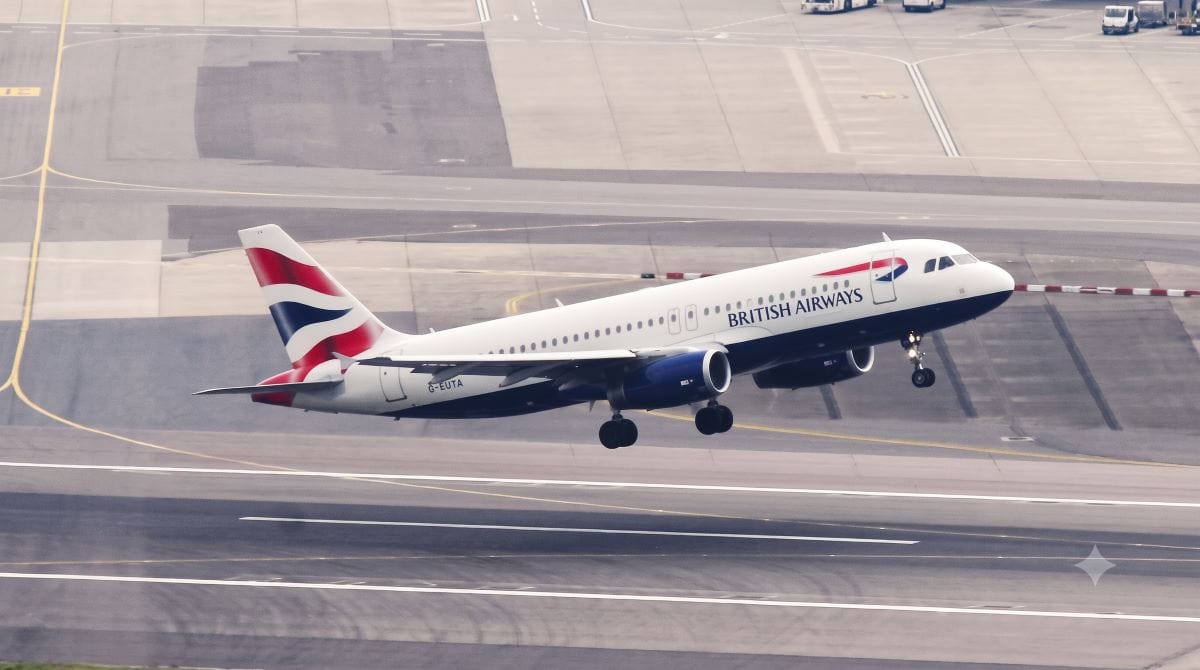
Image generated with Ai
British Airways BA547, an Airbus A320 from Rome, made an emergency landing at Heathrow after a landing gear hydraulic issue forced the UK’s busiest airport into temporary single-runway operations.
British Airways BA547, an Airbus A320 from Rome, made an emergency landing at Heathrow, the UK’s busiest airport, after a landing gear hydraulic issue forced the airport into single-runway operations. However, the experienced flight crew quickly followed emergency procedures and safely aborted the first landing attempt before returning for a successful touchdown. As a result, Heathrow temporarily adjusted runway operations while emergency services stood by. Nevertheless, airport authorities restored normal two-runway operations within minutes. The incident once again demonstrated how modern aviation safety systems, pilot training and coordinated airport responses protect passengers during unexpected technical emergencies.
Advertisement
Advertisement
London Heathrow Airport temporarily switched to single-runway operations after a British Airways flight from Rome declared an emergency because of a landing gear hydraulic problem during its approach. The crew safely carried out a go-around before returning for a successful landing, allowing normal airport operations to resume shortly afterwards.
British Airways Flight BA547 Declares an Airborne Emergency
A British Airways Airbus A320 operating as flight BA547 made an emergency landing at London Heathrow Airport on Wednesday after the crew encountered a hydraulic issue affecting the aircraft’s landing gear during its final approach.
Advertisement
Advertisement
The aircraft, registered G-TTNR, had departed Rome Fiumicino Airport at approximately 11:40 CEST on a routine scheduled service to London Heathrow. The flight progressed normally throughout its cruise phase before the technical issue emerged as the aircraft prepared to land in the UK capital.
Advertisement
Advertisement
Although the situation required immediate action from the flight crew, the aircraft landed safely after emergency procedures were completed, with no injuries reported among passengers or crew.
Technical Fault Detected During Final Approach
The incident unfolded shortly before landing when the Airbus A320 was approaching Heathrow’s northern runway. As the aircraft descended on final approach, the pilots identified a hydraulic system malfunction that affected the deployment of the landing gear.
With safety remaining the highest priority, the crew decided not to continue the landing attempt. Instead, they initiated a go-around at a low altitude, discontinuing the approach while maintaining full control of the aircraft.
A go-around is a standard aviation safety procedure used whenever a landing cannot be completed safely. Commercial airline crews regularly train for such situations, ensuring they can respond quickly and effectively whenever operational conditions require a second approach.
Aircraft Entered Holding Pattern While Crew Completed Emergency Procedures
After climbing away from the runway, the aircraft levelled at approximately 3,700 feet and entered a holding pattern near London. The additional time in the air enabled the pilots to work through the aircraft’s emergency checklists and evaluate the condition of the landing gear system.
Advertisement
Advertisement
During this period, the crew also transmitted Squawk 7700, the internationally recognised transponder code used to notify air traffic control that an aircraft is experiencing a general emergency requiring priority assistance.
The emergency declaration ensured that Heathrow air traffic controllers could coordinate the aircraft’s arrival while preparing airport emergency services for its return.
Following around 20 minutes of troubleshooting and system checks, the pilots confirmed they were ready to attempt another landing.
Emergency Services Positioned Along the Runway
The British Airways aircraft made its second approach without further complications and touched down safely on Heathrow’s northern runway at approximately 1:45 pm local time.
As is standard practice whenever an aircraft lands following a reported landing gear or hydraulic issue, airport fire and rescue teams were positioned alongside the runway and met the aircraft immediately after touchdown.
Advertisement
Advertisement
Emergency personnel inspected the aircraft while it remained on the runway to ensure there were no signs of overheating, hydraulic leaks or other hazards before it was permitted to continue.
The precautionary response formed part of Heathrow’s established emergency procedures and reflected normal airport safety protocols rather than evidence of any additional incident after landing.
Heathrow Briefly Switched to Single-Runway Operations
The emergency response had a temporary impact on airport operations.
While emergency vehicles attended the Airbus A320 on the northern runway, Heathrow controllers redirected arriving aircraft to the airport’s southern runway. This resulted in the airport operating with a single runway for approximately ten minutes.
Although Heathrow is one of Europe’s busiest airports, airport operations were managed efficiently during the short disruption. Once the British Airways aircraft had been inspected and removed from the active runway, normal two-runway operations resumed.
Advertisement
Advertisement
The brief operational adjustment helped maintain safety while minimising disruption to other arriving and departing flights.
Passengers and Crew Remained Safe
No injuries were reported among anyone onboard flight BA547.
The professional handling of the situation by the flight crew, combined with coordinated support from air traffic controllers and Heathrow’s emergency services, ensured the aircraft returned safely to the ground despite the technical malfunction.
Incidents involving hydraulic systems are treated seriously because these systems play an essential role in operating several aircraft components, including landing gear, brakes and flight controls. Modern commercial aircraft, however, are designed with multiple layers of redundancy that enable crews to manage system failures safely by following established procedures.
What Happens After an Incident Like This?
Following the safe landing, the aircraft is expected to undergo detailed engineering inspections before returning to commercial service. Maintenance specialists will examine the hydraulic system, landing gear components and associated equipment to determine the exact cause of the malfunction and complete any required repairs.
Advertisement
Advertisement
Airlines routinely carry out comprehensive technical assessments after emergency declarations to ensure aircraft continue to meet stringent safety standards before being cleared for future operations.
Although the incident briefly affected Heathrow’s runway operations, the disruption remained limited. Airport activity returned to normal within minutes, demonstrating the effectiveness of Heathrow’s emergency response procedures and the aviation industry’s emphasis on safety, preparation and coordinated decision-making.
The safe outcome also highlights the importance of standard operating procedures in commercial aviation. From the decision to initiate a go-around to the declaration of an emergency and the coordinated runway response, every step followed internationally recognised safety protocols designed to protect passengers, crew and airport operations. As a result, what began as a technical fault during the final stages of the flight concluded with a controlled landing, no injuries and only minimal disruption at one of the world’s busiest international airports.
The emergency occurred because the aircraft experienced a hydraulic malfunction affecting the landing gear during its final approach into Heathrow. Consequently, the pilots carried out a precautionary go-around instead of attempting an unsafe landing. They declared an emergency, completed operational checklists while holding, and prepared the aircraft for a second approach. Heathrow activated emergency protocols and temporarily switched to single-runway operations to prioritise the aircraft’s safe arrival. These established aviation procedures exist to reduce operational risk, protect passengers and crew, and ensure emergency services can respond immediately whenever a technical fault develops during a critical phase of flight.
The British Airways BA547 incident highlights how commercial aviation is designed to manage technical failures without compromising passenger safety. Although a landing gear hydraulic issue developed during the aircraft’s approach from Rome to Heathrow, the situation remained under control because the crew responded exactly as they are trained to do. Rather than attempting to continue an uncertain landing, the pilots executed a go-around, declared an emergency and used the additional time to complete essential safety procedures before returning for another approach.
Advertisement
Advertisement
Meanwhile, Heathrow Airport implemented its established emergency response plan by temporarily operating with a single runway while fire and rescue vehicles positioned themselves to support the arriving aircraft. Although the operational change briefly affected airport movements, disruption remained limited and normal two-runway operations resumed shortly after the aircraft landed safely and inspections were completed.
Importantly, no passengers or crew members were injured, reinforcing the effectiveness of modern aircraft engineering, multiple system redundancies and internationally recognised emergency procedures. Hydraulic-related issues are treated with extreme caution because these systems support critical aircraft functions, including landing gear operation. However, airline crews receive extensive simulator training for precisely these scenarios, enabling them to make calm, informed decisions under pressure.
The event also serves as a reminder that emergency declarations do not necessarily indicate a catastrophic situation. Instead, they allow air traffic controllers, airport authorities and emergency responders to coordinate resources quickly and efficiently. In this case, every safety layer worked exactly as intended. From the pilots’ decisive actions to Heathrow’s rapid operational response, the incident concluded successfully with a safe landing, minimal disruption and a clear demonstration of the aviation industry’s unwavering commitment to passenger safety above all else.
Advertisement
