
Spain Joins Portugal And More As Canary Islands Offer Warm December Escapes For Winter Travellers

Published
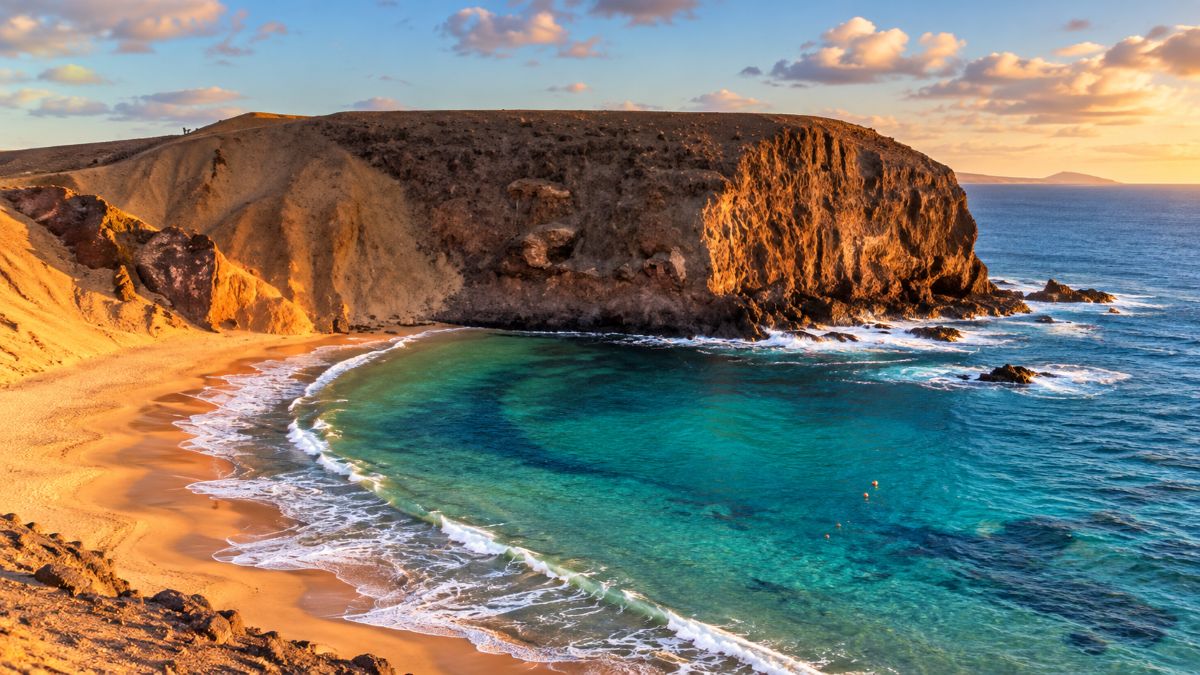
As winter approaches across much of Europe, travellers searching for sunshine, mild temperatures and outdoor experiences are increasingly looking towards destinations where the cold season feels more like an extended spring. Spain’s Canary Islands stand out for their combination of warm coastal weather, volcanic landscapes, beaches and diverse holiday experiences. Situated off the northwest coast of Africa, the archipelago offers a December alternative to colder European destinations without requiring a long-haul journey.
Gran Canaria, Tenerife, Fuerteventura and Lanzarote are particularly attractive for December travel, although each island offers a different balance of sunshine, beaches, scenery and activities. The southern areas of Gran Canaria and Tenerife generally provide some of the most sheltered conditions, while Fuerteventura and Lanzarote appeal to travellers seeking extensive beaches, outdoor recreation and distinctive volcanic scenery. With daytime temperatures commonly around 20 to 23°C in the warmer areas, the Canary Islands remain an important winter-sun destination for European holidaymakers seeking a seasonal escape.
Why The Canary Islands Remain Warm In December
The Canary Islands benefit from their geographical position and distinctive atmospheric conditions. Although politically part of Spain, the islands are located close to the northwest African coast and experience a subtropical climate. Their latitude, surrounding Atlantic waters and prevailing trade winds help moderate temperatures throughout the year.
December is not guaranteed to deliver uninterrupted summer conditions, but the islands generally remain considerably milder than much of mainland Europe. Mountain ranges also influence local weather patterns. On Tenerife and Gran Canaria, elevated terrain can intercept clouds and trade winds, leaving southern coastal areas comparatively dry and sunny.
Advertisement
Advertisement
This creates noticeable differences even within the same island. Travellers choosing accommodation on a sheltered southern coast may experience substantially different conditions from visitors staying in a mountainous or northern area.
Advertisement
Advertisement
Gran Canaria Offers Warm Southern Coastlines And Diverse Landscapes
Gran Canaria is one of the most versatile choices for a December holiday. Its southern and southwestern areas are particularly popular with visitors looking for sunshine, beaches and comfortable daytime temperatures. Maspalomas, Puerto Rico and Puerto de Mogán provide different versions of the island’s winter-sun experience.
Daytime temperatures in the warmer southern areas can commonly reach around 21 to 23°C in December, while nights are cooler at approximately 15 to 17°C. Sea temperatures remain close to 20°C, meaning swimming is possible for travellers comfortable with cooler Atlantic water.
The island’s appeal extends beyond its coastline. The Maspalomas dunes provide an unusual desert-like landscape beside the Atlantic, while inland areas introduce mountain villages, winding roads and panoramic viewpoints. This combination allows visitors to divide a December trip between beaches, sightseeing and walking excursions.
Advertisement
Advertisement
| Canary Island | Typical December Daytime Temperature | Typical December Night Temperature | Main Travel Appeal |
|---|---|---|---|
| Gran Canaria | 21–23°C | 15–17°C | Beaches, dunes and varied landscapes |
| Tenerife | 20–22°C | 15–16°C | Southern resorts, volcanoes and nature |
| Fuerteventura | 20–22°C | 14–16°C | Long beaches, wind sports and coastal scenery |
| Lanzarote | 20–22°C | 14–15°C | Volcanoes, beaches and distinctive landscapes |
These figures are typical climate patterns rather than guarantees for individual days, and local conditions can vary according to altitude, wind direction and location.
Tenerife Combines Winter Sunshine With Volcanic Scenery
Tenerife offers a particularly strong contrast between its northern and southern regions. The north is generally greener and can experience more cloud and rainfall, while the southern coast is often sunnier and more sheltered during the winter months.
Advertisement
Advertisement
Costa Adeje, Los Cristianos and Playa de las Américas are among the best-known southern bases for visitors seeking mild December weather. Daytime temperatures commonly reach around 20 to 22°C, with nights averaging approximately 15 to 16°C.
Tenerife also provides an opportunity to combine a beach holiday with mountain exploration. Teide National Park introduces a dramatic volcanic environment at much higher elevation, where conditions can be substantially colder than at the coast. Travellers therefore need to prepare for major temperature differences when moving from the beach to the mountains.
The island’s appeal lies in this geographical variety. A single day can involve a coastal morning followed by an excursion into volcanic terrain, giving Tenerife an advantage for travellers who want more than a traditional resort holiday.
Fuerteventura Attracts Beach And Adventure Travellers
Fuerteventura is renowned for broad sandy beaches, open landscapes and a strong connection with wind and water sports. Its relatively flat terrain means that Atlantic winds can be more noticeable than on mountainous islands, but those same winds contribute to its popularity among surfers, kiteboarders and other outdoor enthusiasts.
December daytime temperatures generally sit around 20 to 22°C, while night-time temperatures can fall to approximately 14 to 16°C. The island can receive around six to seven hours of sunshine a day on average, although conditions naturally fluctuate.
Advertisement
Advertisement
The Jandía Peninsula in the south is particularly attractive to travellers seeking warmer and more sheltered coastal areas. Long beach walks are another major draw, especially for visitors who prefer active winter holidays rather than spending every day beside a pool.
Fuerteventura’s winter character is therefore closely connected with its landscape. Instead of dense urban development across the island, travellers encounter extensive beaches, open terrain and coastal viewpoints.
Lanzarote Combines Sunshine With Volcanic Landscapes
Lanzarote offers another distinct December experience. The island’s relatively dry climate and volcanic terrain create scenery unlike that found on most European holiday islands.
Timanfaya National Park is one of its defining attractions, with extensive volcanic formations, dark lava fields and crater landscapes. The low winter sun can enhance the visual contrast of the terrain, making December a suitable period for sightseeing as well as coastal relaxation.
Southern areas around Playa Blanca and the Papagayo beaches are particularly appealing to visitors searching for milder and more sheltered conditions. December daytime temperatures generally reach about 20 to 22°C, while nights can fall to around 14 to 15°C.
Advertisement
Advertisement
The combination of beaches and volcanic scenery means travellers can structure a Lanzarote itinerary around both relaxation and exploration. Its comparatively dry conditions also make it attractive for outdoor sightseeing.
Western Islands Offer A Different Winter Experience
La Palma, La Gomera and El Hierro provide a contrasting experience within the Canary Islands. These western destinations are known for greener landscapes, mountainous terrain, hiking opportunities and a quieter atmosphere.
December can bring more rainfall to these islands, particularly in areas influenced by elevation and Atlantic weather systems. However, temperatures remain relatively mild, and conditions can still be suitable for walking and nature-focused holidays.
For travellers whose priority is guaranteed beach weather, the southern coastal areas of Gran Canaria and Tenerife may be more suitable. Those interested in hiking, forests, dramatic viewpoints and slower-paced travel may find the western islands more compelling.
Choosing The Right Canary Island For A December Holiday
Selecting an island depends largely on the type of holiday a traveller wants. Gran Canaria provides a broad mixture of beaches, resorts, dunes and inland landscapes. Tenerife combines southern sunshine with major volcanic attractions. Fuerteventura is particularly suited to beaches, coastal activities and wind sports, while Lanzarote offers a strong combination of dry weather, beaches and volcanic scenery.
Advertisement
Advertisement
Location within an island is equally important. Southern and southwestern coastal areas are often preferable for travellers prioritising sunshine and warmth, while northern regions can be greener and cloudier.
December visitors should also remember that the Canary Islands are experiencing winter, not guaranteed tropical summer. Even when afternoons are warm, evenings can become cool, and mountain excursions require warmer clothing.
Why December Can Be A Strong Travel Period
The Canary Islands offer a practical balance between European accessibility and mild winter weather. Travellers can enjoy beaches, walking routes, outdoor dining and sightseeing while much of continental Europe experiences significantly colder conditions.
The islands also provide variety without requiring travellers to choose between a beach resort and an active holiday. Volcanic parks, dunes, mountain landscapes and coastal communities can all form part of the same trip.
For winter travellers, that diversity is one of the archipelago’s defining strengths. Rather than simply escaping cold temperatures, visitors can use December to explore a landscape shaped by volcanoes, Atlantic weather and subtropical conditions.
Advertisement
Advertisement
Conclusion
The Canary Islands remain a notable December destination for travellers seeking warmth, sunshine and varied landscapes within a European travel setting. Gran Canaria and Tenerife are particularly attractive for those prioritising warmer southern coastlines, while Fuerteventura and Lanzarote offer extensive beaches and distinctive outdoor environments. La Palma, La Gomera and El Hierro provide alternatives for travellers more interested in nature and hiking.
Weather remains variable, so travellers should treat climate averages as guidance rather than a promise of daily conditions. Nevertheless, the combination of mild temperatures, diverse scenery and accessible winter travel makes the Canary Islands an important option for anyone looking to extend the feeling of summer into December.
Frequently Asked Questions
1. Which Canary Island is warmest in December?
Gran Canaria and Tenerife generally provide some of the warmest conditions, particularly along their sheltered southern coasts.
2. Is December a good month for a Canary Islands holiday?
December can be suitable for travellers seeking mild weather, sunshine, beaches and outdoor sightseeing during the European winter.
3. Can you swim in the Canary Islands in December?
Yes. Sea temperatures are generally around 19 to 20°C, although the water can feel cool for some swimmers.
Advertisement
Advertisement
4. Is Tenerife warmer in the north or south during December?
The south is generally warmer and sunnier, while northern areas can be cloudier and wetter.
5. Is Gran Canaria warm in December?
Southern Gran Canaria commonly experiences daytime temperatures around 21 to 23°C in December.
6. Which Canary Island is best for beaches in December?
Fuerteventura, Gran Canaria and Lanzarote are particularly known for extensive beaches and attractive coastal areas.
7. Is Fuerteventura windy in December?
Fuerteventura can experience noticeable Atlantic winds, which contribute to its popularity for surfing and kiteboarding.
8. Is Lanzarote warm enough for a beach holiday in December?
Lanzarote commonly reaches around 20 to 22°C during the day, although weather conditions can vary.
Advertisement
Advertisement
9. Does it rain in the Canary Islands in December?
Rainfall is possible, with northern and mountainous areas generally more exposed to cloud and rain than sheltered southern coasts.
10. What should travellers pack for the Canary Islands in December?
Light daytime clothing, swimwear and sun protection are useful, while a light jacket or warmer layer is recommended for evenings and mountain excursions.
Advertisement
