
IBTM World 2027 Report Reveals $6.2 Trillion Brain Economy Could Transform Global Business Events

Published
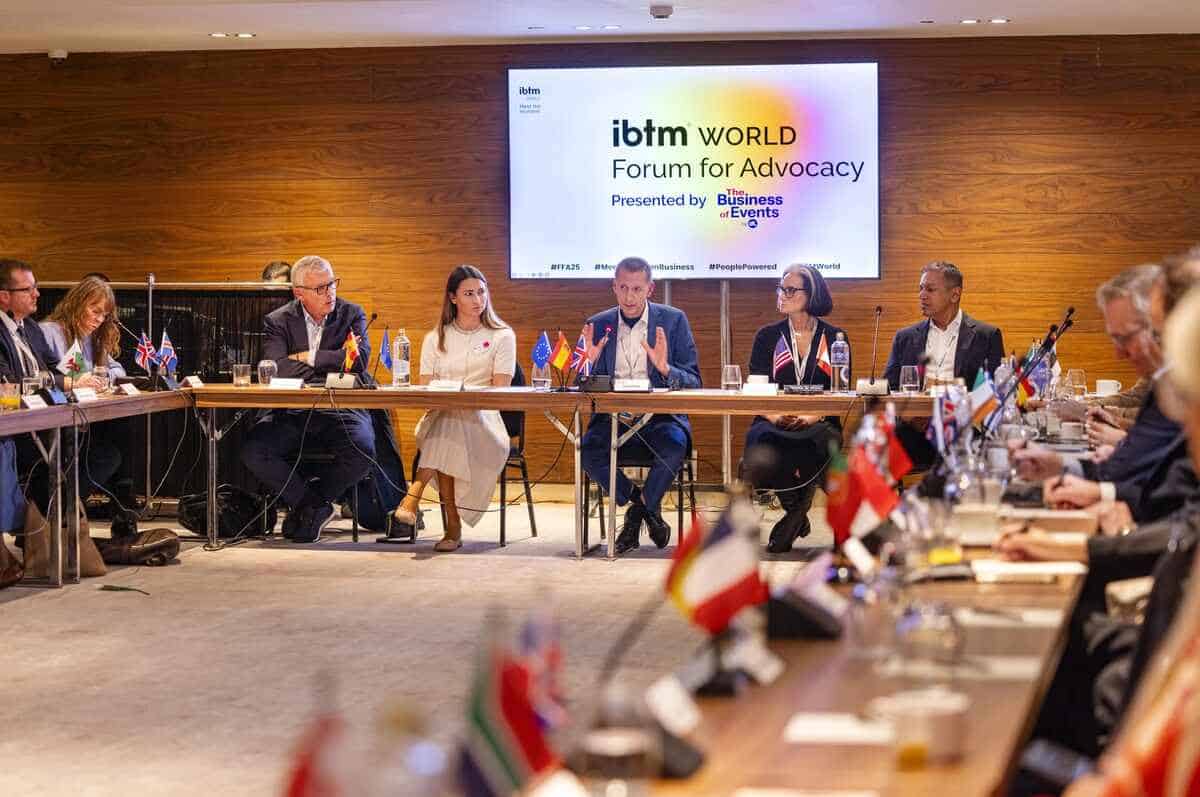
IBTM World Calls for Regenerative Business Events as $6.2 Trillion Brain Economy Emerges, highlighting a major shift in global meetings and exhibitions. The IBTM World Trends Report 2027 identifies human creativity, meaningful relationships and artificial intelligence as important forces shaping future events, destination competitiveness and the international business tourism industry.
IBTM World Identifies Regeneration as the Next Major Industry Trend
The global business events industry is entering a new period of change as artificial intelligence, human creativity and meaningful connections reshape the value of meetings and exhibitions. The forthcoming IBTM World Trends Report 2027 identifies regeneration as a major direction for the experience economy, encouraging organisers to rethink how events contribute to professional development and wider society.
Advertisement
Advertisement
The report, written by Alistair Turner, Managing Director of Eight PR & Marketing, with input from Megan Henshall of Google XI, explores how the industry can move beyond traditional networking and personalised experiences.
Its central argument is that successful events should not simply deliver information or commercial opportunities. They should also strengthen human relationships, encourage fresh thinking and create lasting value for participants.
Advertisement
Advertisement
The complete findings will be presented at IBTM World in Barcelona on 17 November 2026.
$6.2 Trillion Brain Economy Creates New Opportunities
One of the report’s most significant themes is the emergence of a Brain Economy valued at an estimated $6.2 trillion.
Advertisement
Advertisement
The concept highlights the growing economic importance of human cognitive abilities, including creativity, imagination, learning and problem-solving.
As artificial intelligence takes over more routine and analytical tasks, these distinctly human capabilities could become increasingly valuable across industries.
For business events, this creates an opportunity to design conferences, exhibitions and meetings that support learning, collaboration and original thinking.
Instead of measuring success mainly through attendance figures or business appointments, organisers may increasingly consider how effectively an event encourages knowledge exchange and meaningful engagement.
However, the estimated $6.2 trillion figure should be understood as a broader economic proposition, rather than a direct valuation of the global meetings and exhibitions industry.
Artificial Intelligence Strengthens the Case for Face-to-Face Meetings
Artificial intelligence is already influencing event planning, visitor engagement and operational efficiency.
Advertisement
Advertisement
Digital tools can support personalised schedules, analyse attendee preferences and simplify administrative work. However, the IBTM World report suggests that technological progress could also increase demand for authentic human interaction.
As more professional activities become automated, physical gatherings may gain importance as places where people build trust, exchange ideas and develop relationships.
This could influence how organisers design conference programmes, networking spaces and collaborative experiences.
The report also questions whether traditional networking has been undervalued as an opportunity to develop genuine friendships.
With hybrid working changing professional relationships and loneliness becoming a wider social concern, business events may have an increasingly important role in creating a sense of belonging.
Regeneration Could Redefine Business Events and Destination Appeal
Regeneration represents a further development of the experience economy, following earlier industry priorities around personalisation and transformation.
Advertisement
Advertisement
Under this approach, events would aim to create lasting benefits for individuals, organisations and host communities.
For destinations, the concept could encourage tourism authorities and convention bureaux to highlight local culture, distinctive knowledge networks and community experiences.
Cities competing for international conferences may need to demonstrate more than modern venues, transport connectivity and accommodation capacity.
They could also benefit from showing how their environments support innovation, collaboration and meaningful cultural exchange.
The report is expected to explore changing global demand for meetings and how workforce developments could influence future event destinations.
Industry Leaders See Opportunities Beyond Disruption
Alistair Turner believes the business events industry has reached a point where it can reconsider established practices and pursue meaningful change.
Advertisement
Advertisement
He describes the report’s outlook as optimistic, reflecting growing industry confidence despite technological and economic disruption.
Megan Henshall of Google XI also emphasises the importance of challenging outdated organisational narratives.
Her contribution suggests that events can provide valuable opportunities for businesses and communities to develop fresh ideas about their identities and futures.
Claudia Hall, Show Director of IBTM World, similarly highlights creativity, learning, trust and human connection as qualities that could become more important as artificial intelligence transforms professional life.
Together, these perspectives position regeneration as both an opportunity for industry innovation and a potential framework for measuring event value.
Barcelona Prepares to Welcome Global Business Events Professionals
IBTM World in Barcelona will provide an international platform for discussing these emerging trends.
Advertisement
Advertisement
More than 2,500 destinations, hotels, venues, event technology suppliers and startups are expected to participate, alongside over 12,000 event professionals.
The three-day gathering will feature scheduled business appointments, product discovery, professional learning and networking opportunities.
For destinations and tourism businesses, the event offers an opportunity to understand changing buyer expectations and explore new approaches to international meetings.
The report’s findings could also encourage organisers to reassess how they design experiences, engage delegates and evaluate long-term outcomes.
As technology continues to transform the workplace, the industry’s ability to create valuable human experiences may become an increasingly important competitive advantage.
The IBTM World Trends Report 2027 signals a changing future for international business events. With the $6.2 trillion Brain Economy highlighting human potential, regeneration could influence event design, destination strategies and professional relationships. Barcelona’s upcoming industry gathering will explore how creativity, technology and personal connections can strengthen business tourism.
Advertisement
