
Uzbekistan Targets Twenty Million Foreign Tourists by 2030 With Luxury Hotels and Major Tourism Projects

Published
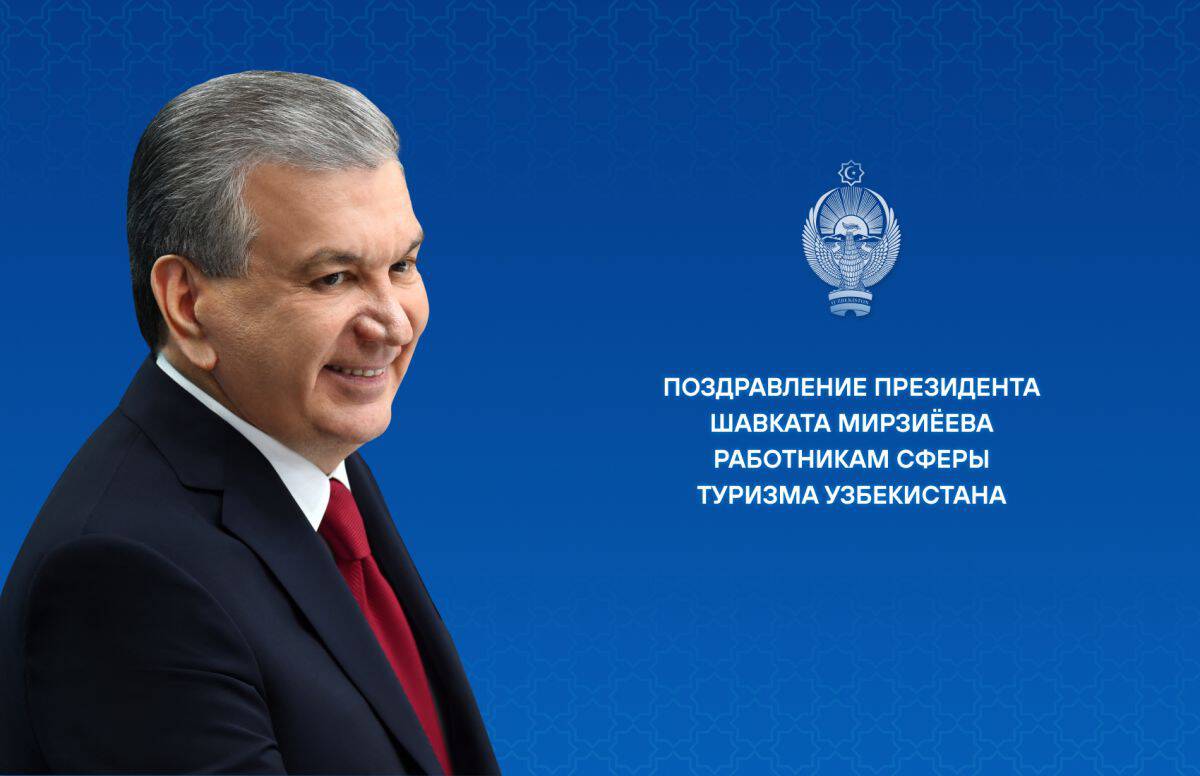
Uzbekistan is establishing another ambitious target regarding tourism development and seeks to attract up to 20 million foreign tourists each year until 2030. At the same time, tourism should provide more economic benefits to the country. Shavkat Mirziyoyev, President of Uzbekistan, declared this target and at the same time sought to make the contribution of tourism to the GDP reach 7 per cent. It is also necessary to double the number of high category hotels in the country.
This target represents the continuation of another success in the development of tourism in the country. According to official sources from Uzbekistan, the number of international tourists has grown significantly in recent years and reached almost 12 million tourists in 2025.
Advertisement
Advertisement
Tourism Moves Higher on Uzbekistan’s Economic Development Agenda
The Uzbek government is positioning tourism as a strategic economic sector, with the 2030 objectives extending beyond simply increasing visitor arrivals. Under the country’s tourism development framework, the government wants tourism’s contribution to GDP to reach 7 per cent. It is also targeting higher exports of tourism services and a larger supply of quality accommodation. Official strategy documents identify 20 million annual foreign tourists, stronger transport connections and a doubling of four- and five-star hotels among the sector’s key objectives.
The approach is designed to attract not only more visitors but also a greater share of higher-spending travellers. Uzbekistan is simultaneously working to diversify its tourism products, improve service standards and develop destinations outside the country’s best-known historic cities.
Advertisement
Advertisement
Uzbekistan Has Already Recorded Rapid International Tourism Growth
The 20-million target follows a period of significant expansion in international tourism. The Uzbek government reported that tourist arrivals had reached nearly 12 million, representing roughly a sixfold increase over the previous eight years. President Mirziyoyev also highlighted substantial growth in tourism service exports during this period.
Official tourism statistics show that the momentum has continued into 2026. 2,872,502 foreign citizens from 164 countries visited Uzbekistan for tourism purposes during January to March 2026, an increase of 770,000 visitors or 36.6 per cent compared with the same period of 2025. The government is therefore combining strong recent visitor growth with longer-term infrastructure and investment targets.
Advertisement
Advertisement
More Four and Five-Star Hotels Planned Across Uzbekistan
A major part of the strategy is the expansion of high-quality accommodation. Uzbekistan’s 2030 tourism framework calls for the number of four- and five-star hotels to double. The objective is intended to increase the country’s ability to accommodate growing international demand while improving the quality and range of services available to visitors. President.uz
Accommodation development is being pursued alongside broader regional tourism projects. Government plans for 2026 and 2027 include the implementation of 31 master plans, the creation of more than 40,000 jobs and an increase in accommodation facilities to 8,250. Plans also call for the number of tourist villages and tourist mahallas to reach 84. This expansion is intended to strengthen tourism capacity beyond Uzbekistan’s principal urban centres.
Khiva Emerges as a Major Focus for New Tourism Infrastructure
Khiva is receiving significant attention as Uzbekistan expands its tourism infrastructure. The government is developing an international tourist town designed to combine historic heritage with modern tourism facilities. The project covers 12.3 hectares and is planned to include hotels, a museum, restaurants, retail facilities and other visitor services.
Green spaces, pedestrian areas, fountains and internal canals are also planned. Solar panels are intended for parking-area canopies. The project is designed partly to reduce tourism pressure on the historic Ichan-Kala area by creating additional routes and visitor experiences. Khiva has already received new tourism infrastructure. A Congress Hall, a three-star hotel and the Khiva Ichan-Kala Reception House were commissioned in 2026. The new facilities are expected to support international events, create around 2,000 jobs and provide hotel services for approximately 50,000 tourists annually.
Samarkand Plans a New Silk Road Museum With Thousands of Artefacts
Samarkand is another major focus of Uzbekistan’s tourism and cultural development programme. The government has reviewed plans for a new Silk Road Museum on a nine-hectare site. The proposed museum is expected to feature more than 6,000 unique exhibits, including archaeological materials and works of fine and applied art.
The project is also planned to include permanent and temporary exhibition spaces, a 160-seat auditorium, a children’s academy, conservation and research facilities and storage areas. The museum forms part of a wider effort to strengthen Samarkand’s position as an international cultural and tourism centre. Another project, the Samarkand Heritage Trail, will create a 6.6-kilometre tourist route connecting major historical attractions including Registan, Bibi-Khanum, Shahi-Zinda and the Mirzo Ulughbek Observatory.
Advertisement
Advertisement
Karakalpakstan and Other Regions to Gain New Tourism Routes
Uzbekistan’s tourism expansion is not limited to Samarkand and Khiva. The government plans to develop new tourist routes around archaeological monuments in Karakalpakstan, creating additional opportunities for visitors interested in history and cultural heritage. New tourism complexes are also planned in other parts of the country, including Gilon in Shahrisabz district and Arashan in Pop district.
This regional approach is important to Uzbekistan’s wider tourism strategy. Developing attractions across different parts of the country can broaden the tourism offer and encourage visitors to travel beyond the established Silk Road destinations. The government is also promoting ecotourism, wellness and medical tourism, cultural tourism, adventure tourism, pilgrimage tourism, gastronomic tourism, business tourism, ethnic tourism and rural tourism as areas with further development potential.
Better Transport and Digital Tourism Are Central to the Strategy
Uzbekistan’s tourism expansion also depends on improving how travellers move around the country. The national tourism framework calls for stronger transport connections between tourist cities, increased domestic air services and significant reductions in journey times. The government has also highlighted the need to expand aviation and railway capacity as visitor numbers increase.
Digitalisation is another priority. Government plans include a unified national tourism platform, integration of tourism services into a single system and greater use of artificial intelligence. These initiatives are intended to make travel planning and access to tourism services more efficient while giving Uzbekistan modern tools for promoting its destinations internationally.
Uzbekistan Is Expanding Its International Tourism Markets
The country is also strengthening international promotion as it seeks to reach its 2030 target. Uzbekistan’s Tourism Committee says its marketing strategy is focusing on priority markets including the United States, Persian Gulf countries, India, China and Scandinavia. International tourism exhibitions, digital content and cooperation with overseas tourism businesses form part of this strategy. China provides one example of the growth potential.
According to Uzbekistan’s government, Chinese tourist arrivals increased from 74,900 in 2024 to 278,900 in 2025, while 269,700 Chinese tourists visited during January-July 2026. The expansion of markets, combined with new infrastructure and accommodation, gives Uzbekistan a broader base from which to pursue its 20-million-visitor objective.
Advertisement
Advertisement
What Uzbekistan’s 2030 Tourism Plan Means for Travellers
Regarding international tourism, the direction that Uzbekistan is taking suggests that the development of the sector will be more comprehensive by the end of the decade. The country is developing tourism-related infrastructure such as hotels, museums, cultural facilities, transport and digital services, as well as tourism routes in regions. Attracting historic sites such as Samarkand and Khiva, as well as Karakalpakstan and other regions into the tourism product is part of the effort.
The goal of the government regarding international tourists is obvious – 20 million annually by 2030 with better infrastructure, high-category accommodation and a variety of tourism products. Given the development of tourism and new projects in the country, it appears that Uzbekistan is trying to capitalize on its historical and cultural background and develop it into an international tourism product.
Advertisement
